The PupBox pitch deck is a lean, 15-slide presentation that prioritizes visual evidence and core subscription metrics over dense text. Founded in 2014, the company successfully identified a high-intent niche within the broader dog market: new puppy owners. The deck excels by showing, not just telling, the product's appeal through user-generated content and clear unit economics, specifically highlighting a $15 CAC against an $80 LTV. While it lacks a traditional 'competitor' slide or a detailed breakdown of the 'Ask,' it compensates with a strong revenue growth chart showing a trajectory from…
Key takeaways
- The deck highlights a specific $2.5 billion serviceable market size targeted at puppy owners (Slide 10).
- Traction is clearly defined with 1,300 active subscribers and $40k in Monthly Recurring Revenue (Slide 5).
- Unit economics are a focal point, showcasing a $15 Customer Acquisition Cost (CAC) against an $80 Lifetime Value (LTV) (Slide 13).
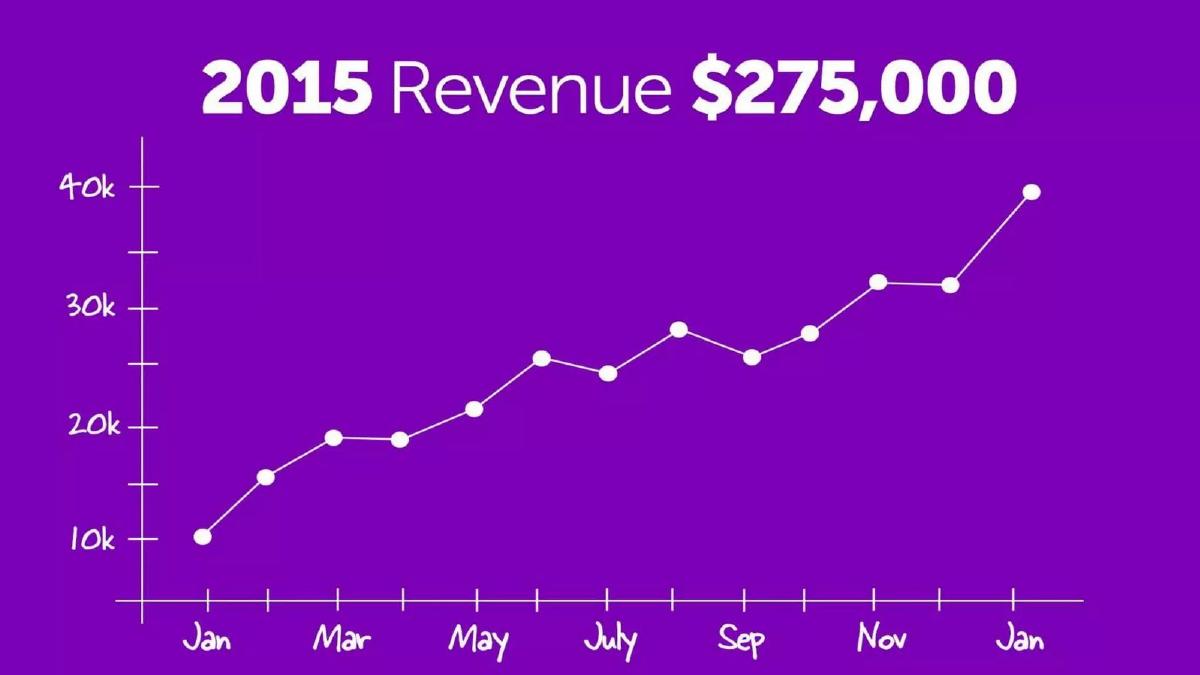
- Revenue growth is demonstrated through a 2015 chart showing a steady climb from $10k in January to nearly $40k by the following January (Slide 6).
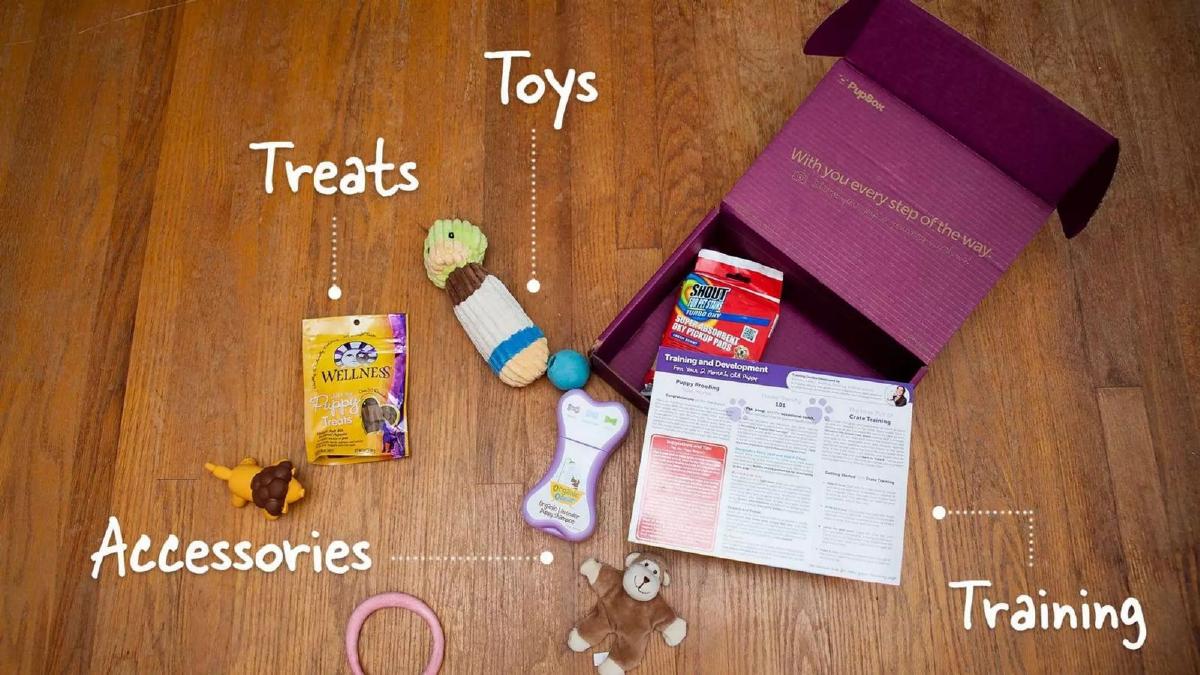
- The product offering is categorized into four distinct pillars: Treats, Toys, Accessories, and Training (Slide 4).
- User-generated content from Instagram is used to validate social proof and brand engagement (Slide 11).
- The team slide includes a prominent partnership or affiliation with Animal Planet (Slide 15).
- The deck omits a formal 'Ask' slide, leaving the specific funding requirements and valuation unstated within the presentation.
Introduction: The Niche Subscription Play
The PupBox pitch deck from 2014 is a quintessential example of a 'traction-first' seed deck. In an era where subscription boxes were flooding the market, PupBox needed to prove two things: that their niche (puppies) was distinct enough from general dog boxes, and that their unit economics were sustainable. The 15-slide presentation relies heavily on high-quality photography and bold, oversized metrics to tell a story of rapid growth and efficient customer acquisition.
Slide-by-Slide Walkthrough
The Hook and the Problem
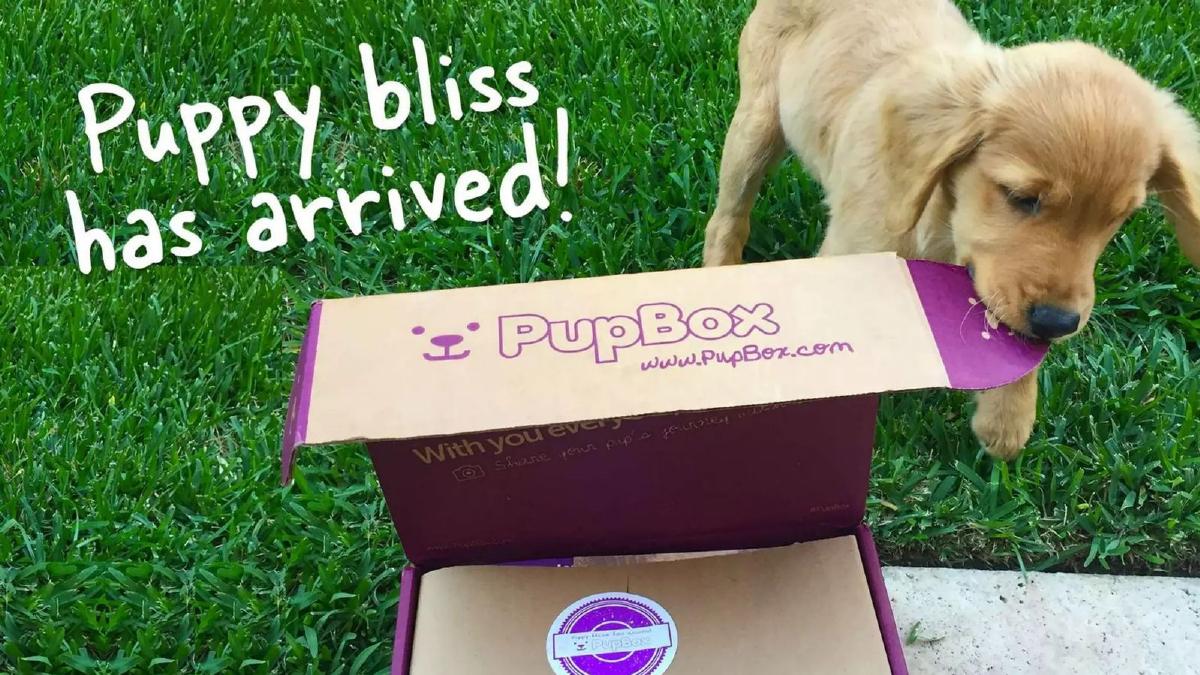
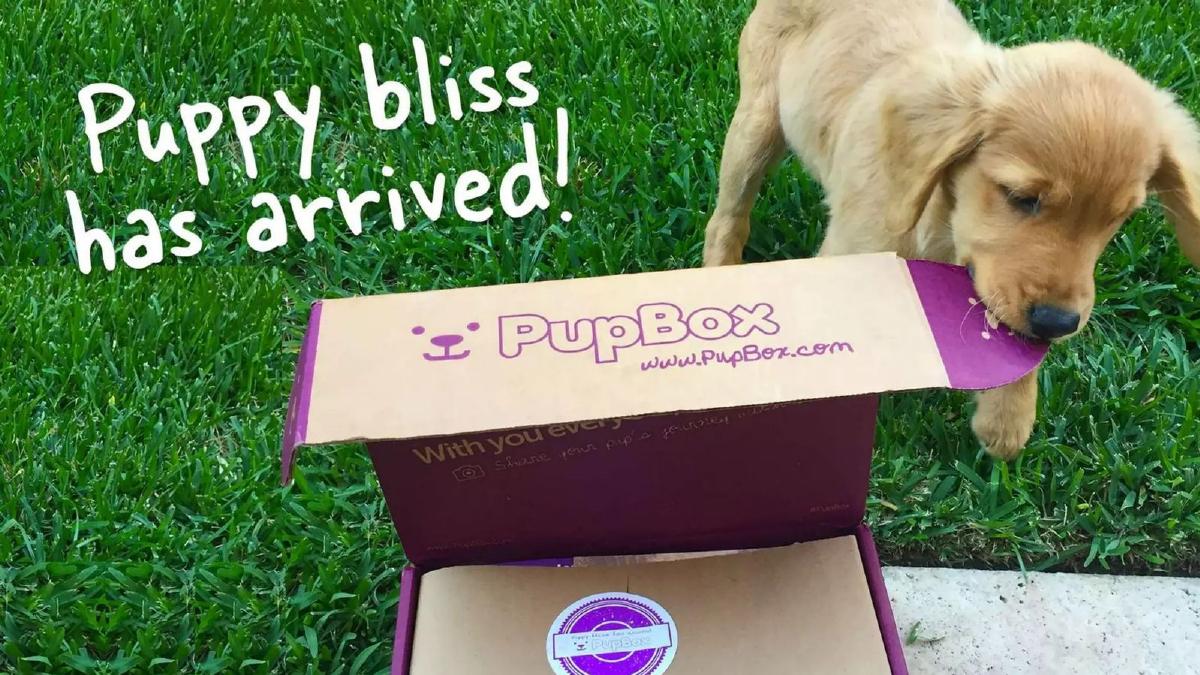
Slide 1: Title Slide The deck opens with a full-bleed image of a golden retriever puppy interacting with a PupBox. The text 'Puppy bliss has arrived!' sets an emotional tone immediately. It establishes the brand identity—purple, playful, and puppy-centric.
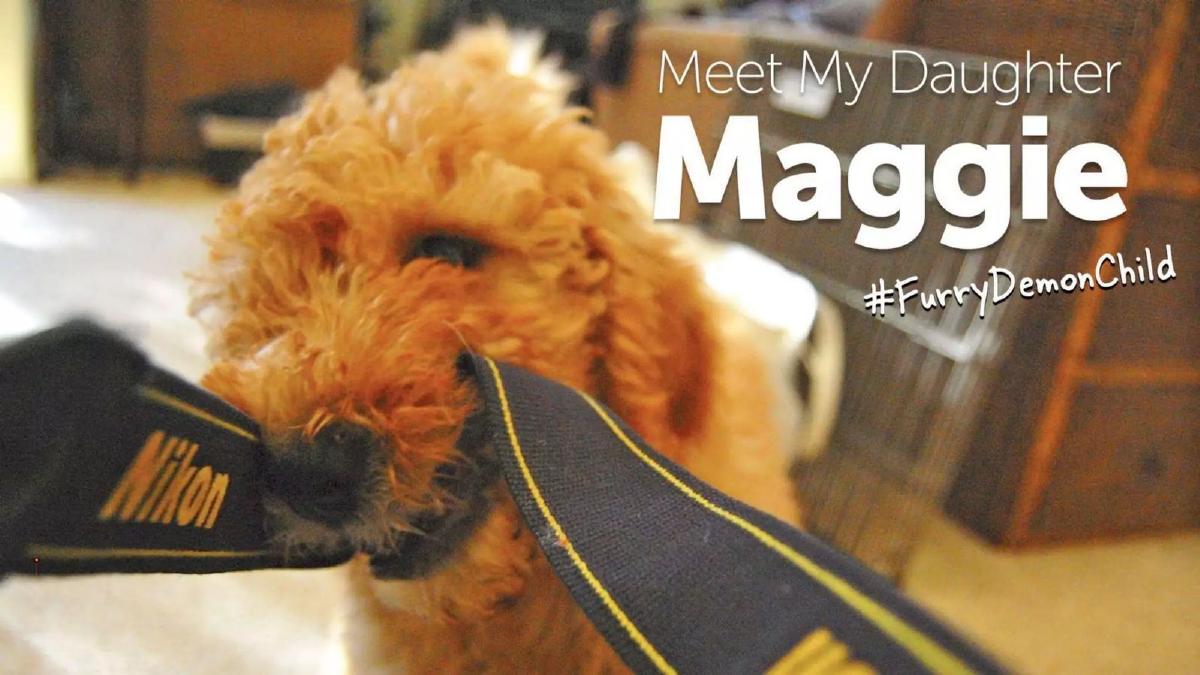
Slide 2: The 'Why' Instead of a traditional problem slide with bullet points about the difficulty of puppy training, the founders use a personal anecdote. 'Meet My Daughter Maggie' accompanied by the hashtag #FurryDemonChild and a photo of a dog chewing a camera strap. This effectively communicates the 'pain point' of puppy ownership: destruction and the need for proper toys and training without saying a word of corporate jargon.
Product and Offering
Slide 3: Social Proof and Product Variety A grid of six photos shows different breeds of puppies with their boxes. This serves as early validation that the product has a broad appeal across different dog types and that customers are already receiving and enjoying the service.
Slide 4: The Product Breakdown This is the core 'Solution' slide. It uses a flat-lay photograph of a box's contents with labels for 'Treats,' 'Toys,' 'Accessories,' and 'Training.' The inclusion of the 'Training' guide is the most important element here, as it justifies the subscription model—as the puppy grows, the training needs change, necessitating a monthly cadence.
Traction and Revenue
Slide 5: Key Metrics This is the 'money slide.' It lists three critical figures: 1,300 Active Subscribers, $40k Monthly Recurring Revenue, and a 40% Average Margin. Presenting these on a single, high-contrast purple slide ensures the investor remembers the current scale and the health of the business.
Slide 6: 2015 Revenue Chart The deck provides a line graph showing revenue from January to January. The growth is remarkably consistent, starting at $10k and ending near $40k. This visualizes the 'up and to the right' trajectory that seed investors look for to confirm product-market fit.
Slide 7: Total Annual Revenue A simple text slide stating '2015 Revenue $275,000.' This reinforces the chart from the previous slide, giving a hard number to the year's performance.
Slide 8: Forward-Looking Run Rate The deck calculates the 2016 Revenue Run Rate at $516,000. By showing the run rate based on their current MRR, they demonstrate the immediate scale of the business as it enters the new year.
Market Opportunity
Slide 9: Market Segmentation This slide uses concentric circles to show the Total Addressable Market (TAM) vs. the Serviceable Addressable Market (SAM). They identify 55 million households with a dog but focus their pitch on the 8 million households with a puppy. This shows strategic focus rather than claiming the entire pet market.
Slide 10: Serviceable Market Size The deck puts a dollar value on that 8-million-household segment: '$2.5 Billion Serviceable Market Size.' This is a large enough number to support a venture-scale exit while remaining grounded in the puppy-specific niche.
Marketing and Unit Economics
Slide 11: Social Media Validation Two iPhone mockups show Instagram posts from users. One post has 1,193 likes. This slide proves that the product is 'Instagrammable,' which is a vital organic growth lever for B2C subscription businesses.
Slide 12: Product in Action A simple photo of a puppy digging into a box. This acts as a transition slide, maintaining the emotional connection to the product before hitting the hard financial efficiency numbers.
Slide 13: CAC vs. LTV The deck introduces their unit economics: a $15 Customer Acquisition Cost (CAC) and an $80 Lifetime Value (LTV). For a seed-stage company, these are very healthy numbers, suggesting that for every dollar spent on marketing, they generate over five dollars in value.
Slide 14: The 5x Ratio This slide literally draws an arrow between the $15 and $80 and writes '5x.' It ensures the investor doesn't have to do the math to realize the efficiency of the PupBox growth engine.
Team and Contact
Slide 15: The Team The team slide features Ben (CEO), Ariel (COO), Jerome (Head of Development & Design), and Andrea (Head of Training). Each is pictured with a dog, staying on brand. A large 'Animal Planet' logo is included at the bottom, implying a significant partnership or pedigree, though the specific nature of the relationship isn't detailed on the slide.
Slide 16: Contact Information The final slide provides a founder email and an AngelList link. There is no 'Ask' here—no mention of how much they are raising or the terms of the round.
What Works in the PupBox Deck
Clarity of Unit Economics: The decision to dedicate three slides (13, 14, and 5) to margins, CAC, and LTV is brilliant. In the subscription world, these are the only numbers that truly matter for long-term viability. By showing a 5x LTV/CAC ratio, they effectively de-risked the investment.
Niche Focus: Many founders try to claim a massive market. PupBox did the opposite. By narrowing their market from 55 million dog owners to 8 million puppy owners (Slide 9), they made their marketing strategy seem more attainable and their product more specialized.
Visual Consistency: The deck uses a consistent color palette (purple and white) and high-quality, on-brand imagery. It feels like a finished product, which reflects well on the founders' ability to build a consumer brand.
What is Missing from the PupBox Deck
The Competitive Landscape: By 2014, BarkBox was already a significant player in the space. The deck completely ignores competition. Investors would naturally ask how PupBox prevents a larger competitor from simply adding a 'puppy' tier. A slide addressing their unique training content as a moat would have been beneficial.
The Ask: A pitch deck is a tool to raise money. Omitting the amount being raised, the milestones that money will hit, and the current cap table status is a missed opportunity to set the terms of the conversation.
Operational Detail: There is no mention of fulfillment, sourcing, or logistics. For a physical goods business, showing that you have a handle on the supply chain is just as important as showing you can acquire customers.
What a Founder Should Copy
The 'Show, Don't Tell' Problem Slide: Slide 2 is a masterclass. Instead of saying 'Puppies are destructive and owners need help,' they showed a photo of a dog eating a camera. It’s relatable, funny, and immediately identifies the customer profile.
The Month-over-Month Growth Chart: Slide 6 doesn't hide behind quarterly averages. It shows the month-by-month grind. For a seed-stage company, showing that you can grow consistently for 12 straight months is more impressive than a single large 'total' number.
Social Proof Integration: Using actual Instagram screenshots (Slide 11) with high like counts is much more effective than simply saying 'we have high engagement.' It proves that the community is building itself.
Conclusion
The PupBox deck is a lean, effective presentation that leans into the strengths of the subscription model. It avoids the 'wall of text' trap, opting instead for bold numbers and emotional imagery. While it leaves some questions unanswered regarding competition and the specific funding ask, the strength of the 5x LTV/CAC ratio and the clear revenue growth likely made it an easy 'yes' for early-stage investors looking for a scalable consumer play.
Frequently asked questions
- What is the primary value proposition of PupBox according to the deck?
- PupBox positions itself as a comprehensive subscription service tailored specifically for the developmental stages of puppies. Slide 4 breaks this down into four key components: treats, toys, accessories, and training guides. By including training materials, PupBox differentiates itself from generic pet boxes, focusing on the 'journey' of puppyhood rather than just commodity delivery.
- How does PupBox demonstrate market fit and growth?
- The company uses a combination of subscriber counts and revenue trends. Slide 5 notes 1,300 active subscribers, while Slide 6 provides a month-by-month revenue chart for 2015. This chart shows a consistent upward trend, starting at $10,000 in January and ending the year with a total of $275,000 in revenue, which translates to a $516,000 run rate for 2016 (Slide 8).
- What are the key financial metrics highlighted in the deck?
- The deck emphasizes profitability and efficiency. Slide 5 states an average margin of 40%. More importantly, Slides 13 and 14 focus on the efficiency of their marketing spend, citing a $15 CAC and an $80 LTV. This 5x ratio is a critical signal to investors that the business model is scalable and generates high returns on marketing investment.
- Who is the target audience for PupBox, and how large is the market?
- PupBox targets a subset of the broader pet market. Slide 9 clarifies that while there are 55 million households with a dog, their specific focus is the 8 million households with a puppy. Slide 10 quantifies this 'Serviceable Market Size' at $2.5 billion, suggesting that even a niche focus within the pet industry offers significant room for a venture-scale business.
- What is missing from the PupBox pitch deck?
- The deck is notably missing a 'Competition' slide, which is standard for most seed decks to show how they stack up against incumbents like BarkBox. It also lacks a 'Use of Funds' or 'Ask' slide, meaning the specific amount they were raising and how they planned to spend it is not documented in these 15 slides. Finally, there is no detailed roadmap for future product expansion.