Spoon Radio’s pitch deck is a masterclass in demonstrating product-market fit through high-velocity growth metrics and clear monetization mechanics. The company successfully positioned audio as a 'safe' and 'low-cost' alternative to video livestreaming, specifically targeting the 18-24 demographic during late-night hours. With a monthly revenue jump from $1M to $4M in just over a year (Slide 2) and a creator conversion rate five times higher than YouTube's (Slide 11), the deck presents a compelling case for the scalability of virtual gifting. While the deck lacks a specific 'Ask' slide or det…
Key takeaways
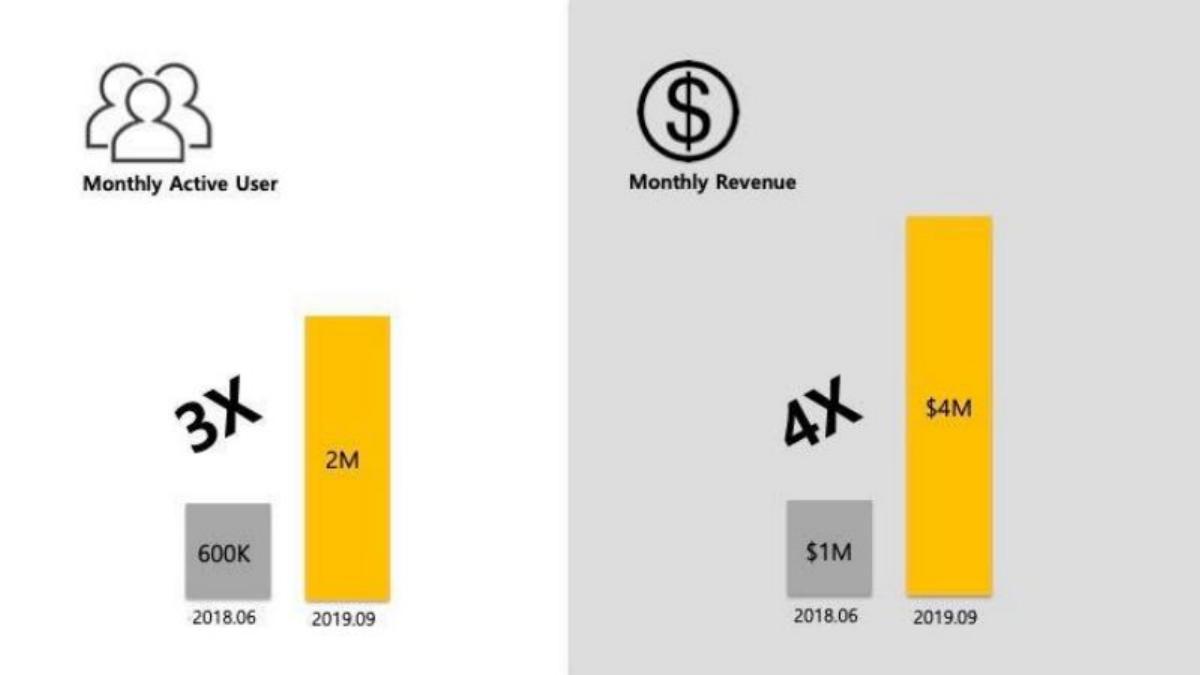
- Monthly revenue grew 4x from $1M in June 2018 to $4M in September 2019 (Slide 2).
- Monthly Active Users (MAU) tripled from 600K to 2M within the same 15-month period (Slide 2).
- The platform achieves a 10% listener-to-creator conversion rate, which is attributed to the anonymity of audio (Slide 11).
- Primary user demographics are 18-24 year-olds, with peak usage occurring during late-night and dawn hours (Slides 8 and 9).
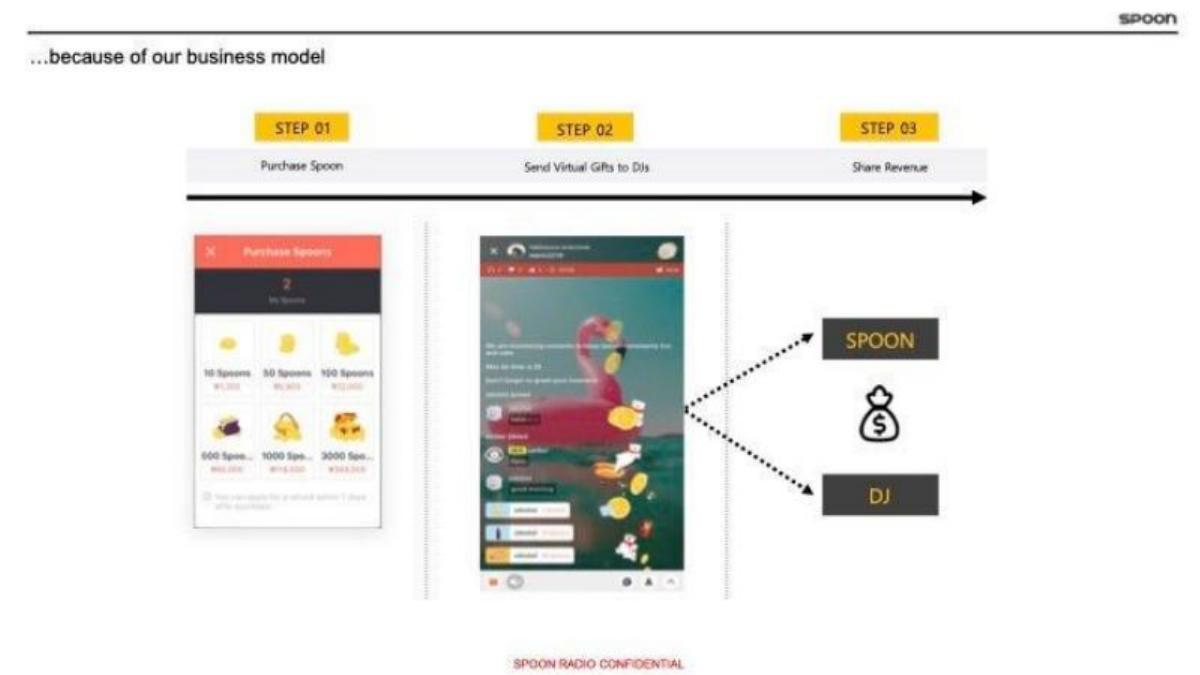
- The business model relies on a three-step virtual gifting process: purchase 'Spoons,' send to DJs, and share revenue (Slide 6).
- Top-performing creators, or 'Spooners,' generate up to $120,000 in monthly sales (Slide 13).
- The company had already raised a $17M Series A from SoftBank, KB Investment, and Goodwater in July 2018 (Slide 14).
- Operations are spread across five key regions: Korea, Japan, Indonesia, Vietnam, and MENA (Slide 7).
Introduction and High-Level Traction
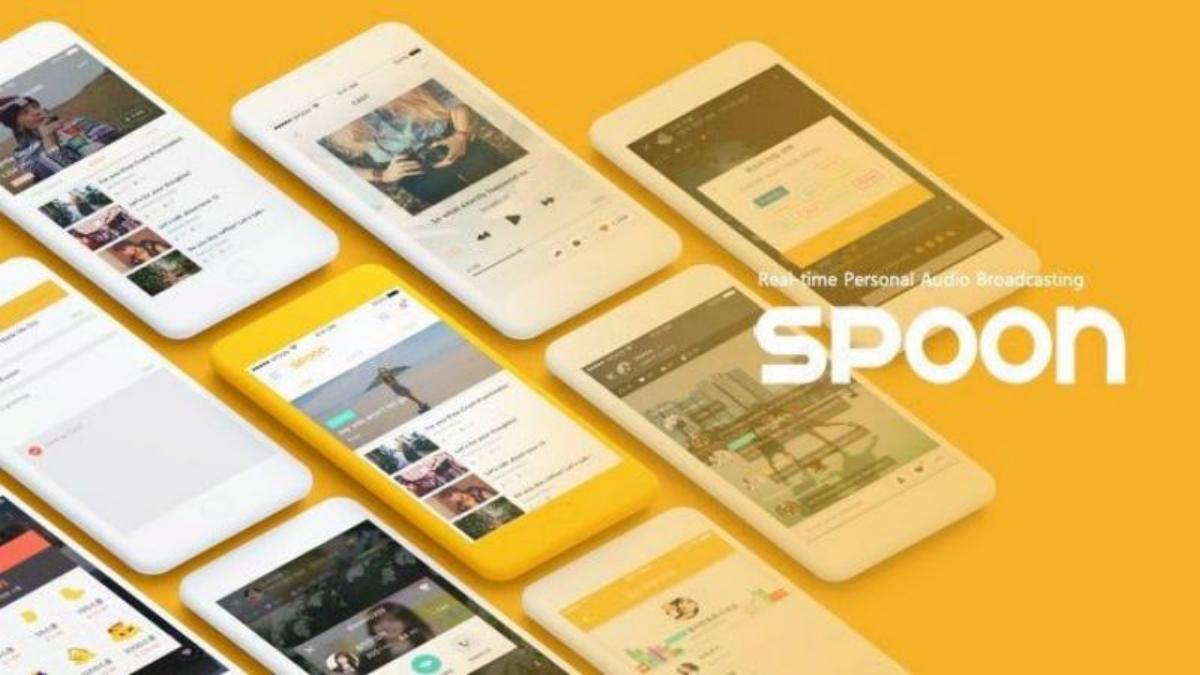
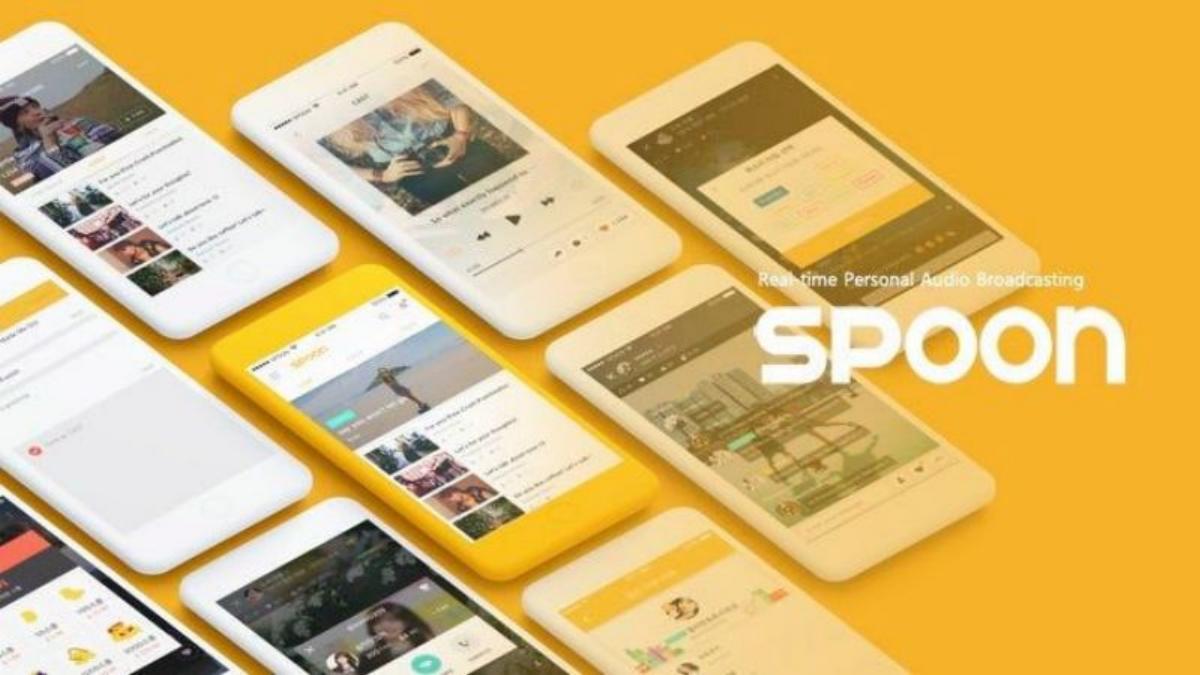
The Spoon Radio deck opens with a visual-heavy title slide (Slide 1) that immediately establishes the product's identity: 'Real-time Personal Audio Broadcasting.' By showing a variety of mobile devices with the app interface, the company signals a mature, mobile-first product ready for global consumption. This is immediately followed by a high-impact traction slide (Slide 2) that serves as the 'hook' for the entire presentation.
Slide 2 is exceptionally effective because it pairs user growth with revenue growth. It shows that Monthly Active Users (MAU) grew 3x from 600,000 in June 2018 to 2,000,000 in September 2019. More importantly, it shows that Monthly Revenue grew even faster—4x from $1M to $4M in the same period. This indicates not just a growing user base, but an increasing efficiency in monetization per user, a critical metric for any social platform.
The Product and Market Positioning
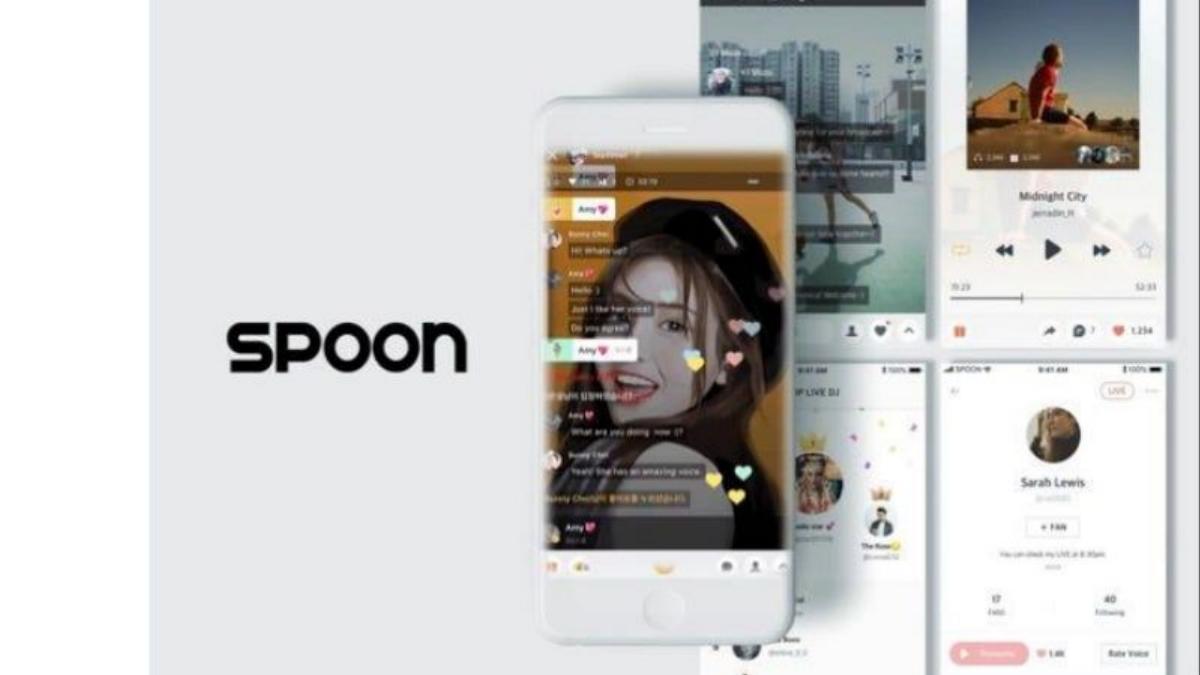
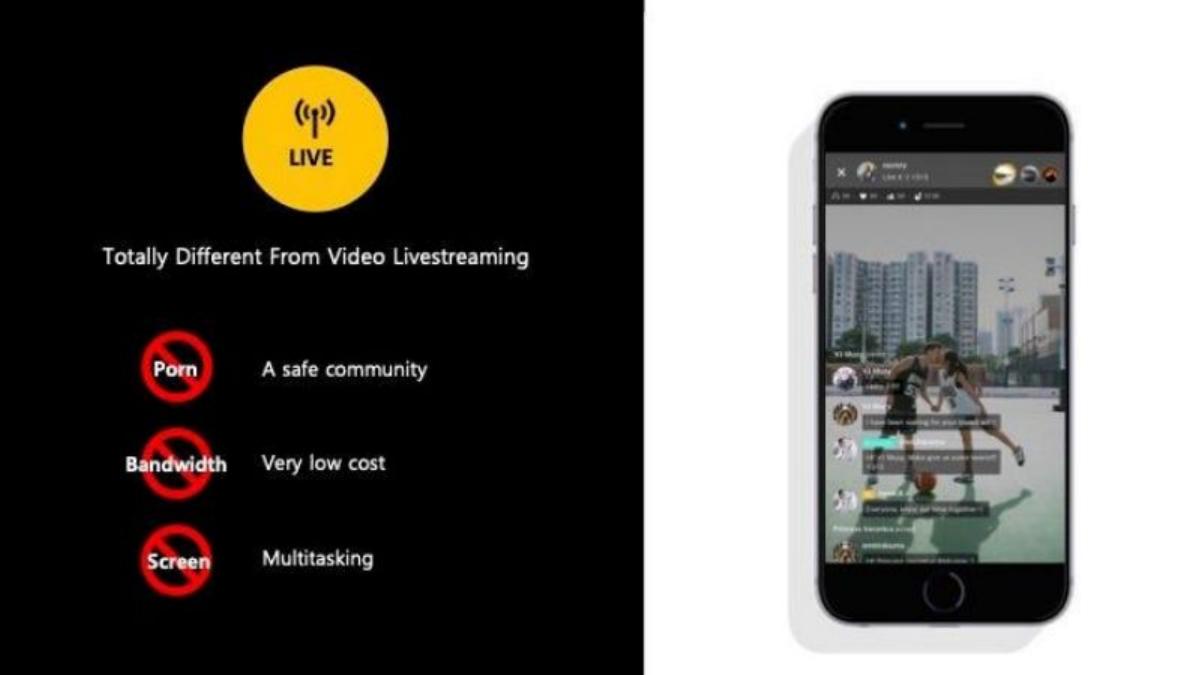
Slide 3 and Slide 4 define the 'What' and 'Why.' Slide 3 provides a clean UI showcase, highlighting features like live chat, heart reactions, and creator profiles. Slide 4 is a strategic positioning slide. It explicitly contrasts audio livestreaming against video. By labeling video as associated with 'Porn,' 'High Bandwidth,' and 'Screen' dependency, Spoon Radio positions itself as the 'Safe,' 'Low cost,' and 'Multitasking' alternative. This is a classic 'Blue Ocean' move—finding a niche where the dominant competitors (like YouTube or Twitch) have inherent friction.
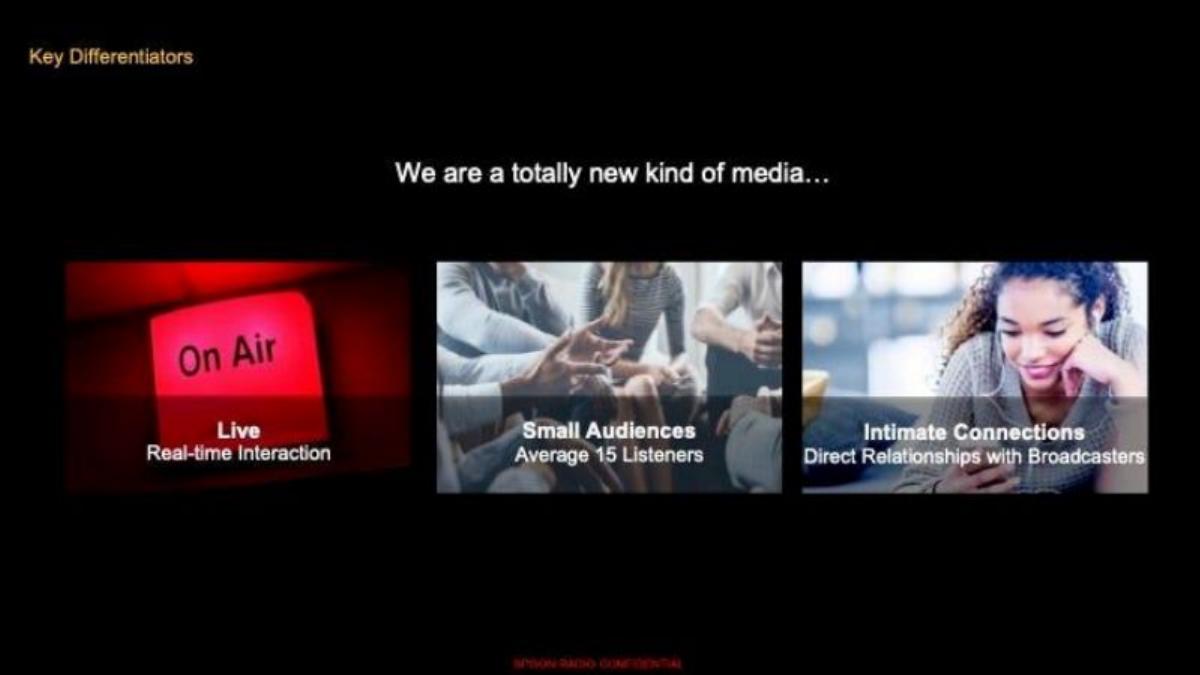
Slide 5 reinforces these 'Key Differentiators' by focusing on the 'Intimate Connections' formed in 'Small Audiences.' With an average of 15 listeners per broadcast, Spoon Radio isn't trying to be a mass-broadcast tool; it is a community-building tool. This intimacy is the engine behind their monetization model.
Monetization and Business Model
Slide 6 explains the 'Spoon' economy. It is a simple three-step flow: Purchase, Gift, Share. This transparency is vital for investors to understand the platform's sustainability. Unlike many social apps that rely on future advertising revenue, Spoon Radio demonstrates a functional Customer Model where users pay for the value they receive from creators immediately.
The geographic breakdown on Slide 7 shows that while Korea (KR) was the initial stronghold, growth in Japan (JP), Indonesia (ID), and Vietnam (VN) is accelerating. The table provides raw numbers, showing Global MAU hitting 2,027,833 by August 2019. This data proves that the audio-gifting model is not a cultural anomaly limited to one country but a scalable behavior across diverse Asian markets and even into the MENA region.
User Demographics and Behavior
Slides 8, 9, and 10 dive into the 'Who' and 'When.' The 18-24 age bracket (Slide 8) is the most coveted demographic for advertisers and social platforms due to their high engagement and long-term lifetime value. Slide 9's 'Late night, dawn' usage clock is a fascinating insight; it suggests that Spoon Radio functions as a form of social companionship during hours when other forms of entertainment might be too stimulating or unavailable.
Slide 10 categorizes the content, with 'Daily Life' and 'Communication' taking the largest slices of the pie. This confirms that the platform is used for casual, conversational content rather than highly produced shows. This low barrier to entry for content is what drives the metric on Slide 11: a 10% creator-to-content proportion. By comparing this to YouTube’s 2%, Spoon Radio argues that its platform is significantly more participatory, which leads to a more robust and defensible ecosystem.
The Creator Economy and Career Pathing
Slide 12 and Slide 13 focus on the 'Spooners.' With 200,000 monthly creators and 60,000 daily broadcasts, the platform has achieved significant liquidity. Slide 13 is particularly bold, claiming that being a 'Spooner' has become a 'new career.' By citing that 9,000 creators are generating revenue and the top earners are making $120,000 a month, Spoon Radio demonstrates a 'middle class' of creators that is often missing in other social apps. This economic opportunity is a powerful magnet for talent acquisition.
Company History and Leadership
Slide 14, 'A Bit About Us,' provides the corporate backbone. Established in 2013 and headquartered in Seoul, the company had 92 employees at the time of the deck. The inclusion of the $17M Series A raised in July 2018 from heavyweights like SoftBank and Goodwater provides massive social proof. It tells new investors that the 'smart money' has already de-risked the early stages.
The Team slide (Slide 15) focuses on the three core executives: Hyuk-Jae Choi (CEO), Hyuk-Jun Choi (COO), and Hee-Jae Lee (CSO). The pedigree is strong, with mentions of LG Electronics, Google Nexus 5 development, and major project management. The presence of the 500 Startups logo at the bottom suggests the company has been through reputable acceleration programs, further validating the leadership's capability to scale a global startup.
What Spoon Radio Does Well
1. Metric-First Storytelling: The deck doesn't hide behind vague 'engagement' metrics. It leads with revenue and MAU growth (Slide 2) and provides a detailed geographic breakdown (Slide 7). This transparency builds immediate trust with venture investors.
2. Clear Differentiation: By explicitly contrasting audio with video (Slide 4), the founders answer the 'Why now?' and 'Why this?' questions effectively. They identify the specific pain points of video (privacy, cost, attention) and show how audio solves them.
3. Creator Economics: Most social media decks focus only on the consumer. Spoon Radio spends significant time (Slides 11-13) explaining why creators stay on the platform. The 10% conversion rate is a 'killer stat' that differentiates them from every other content platform.
What is Missing from the Spoon Radio Deck
1. The Ask: There is no slide detailing how much money they are currently raising, the valuation they are seeking, or what the specific milestones for the next round will be. While this is common in 'teaser' decks, a full venture deck usually includes a clear request.
2. Use of Funds: Following the lack of an 'Ask,' there is no explanation of how the $60M would be spent. Investors want to know if the capital is going toward further geographic expansion, R&D for new features, or aggressive marketing.
3. Competitive Landscape: While they compare themselves to video platforms, they do not address other audio competitors or the rising 'Clubhouse' style apps that were emerging around 2021. A competitive matrix would have helped define their moat more clearly.
4. Unit Economics: While we see total revenue, we don't see the Customer Acquisition Cost (CAC) or the Lifetime Value (LTV). For a platform scaling as fast as Spoon Radio, showing that they can acquire users profitably is the difference between a sustainable business and a 'burn-and-churn' app.
What Founders Should Copy
1. The 'Hook' Slide: Start with your strongest growth chart. Slide 2 is the perfect example of showing that you have found product-market fit and that your monetization is scaling alongside your user base.
2. Demographic Specificity: Don't just say 'everyone' uses your app. Spoon Radio’s use of the 18-24 demographic (Slide 8) and the specific 'late-night' use case (Slide 9) makes the product feel real and targeted.
3. The 'Creator to Content' Ratio: If you are building a marketplace or social platform, find a metric that shows your ecosystem is healthier than the incumbents. Comparing their 10% creator rate to YouTube's 2% (Slide 11) is a powerful way to demonstrate a superior platform dynamic.
4. Visual Simplicity: The deck uses high-quality imagery and minimal text. Even the data-heavy Slide 7 uses a clean table and a clear line graph. This ensures the investor stays focused on the story rather than getting lost in the weeds of a dense slide.
Frequently asked questions
- What is the primary monetization strategy for Spoon Radio?
- Spoon Radio utilizes a virtual gifting model. According to Slide 6, users purchase a virtual currency called 'Spoons.' These are then sent as virtual gifts to DJs during live broadcasts. The revenue generated from these gifts is shared between the platform (Spoon) and the creator (DJ).
- How does Spoon Radio differentiate itself from video streaming platforms?
- Slide 4 highlights three key differentiators: a 'safe community' (no porn), 'very low cost' (low bandwidth requirements), and the ability for users to 'multitask' because the screen does not require constant visual attention. Slide 11 further notes that audio's anonymity encourages a higher percentage of users to become creators.
- Who is the target audience for Spoon Radio?
- The platform specifically targets Gen Z and young Millennials. Slide 8 shows a bell curve of user demographics centered on 18-24 year-olds. Slide 9 indicates that the primary usage hours are late at night and through the dawn, suggesting a use case centered on companionship and late-night entertainment.
- What kind of content is most popular on the platform?
- According to the pie chart on Slide 10, the majority of content falls under 'Daily Life' and 'Communication.' Other significant categories include Humor, Music, Fan-based content, and Love/Relationships, reflecting the platform's focus on personal, intimate audio interactions.
- What is the scale of the creator economy on Spoon Radio?
- Slide 12 states there are 200,000 monthly live broadcast creators performing 60,000 daily broadcasts. Slide 13 reveals that 9,000 of these creators are generating revenue, with the highest-earning 'Spooners' reaching $120,000 in monthly sales.