Localize, a PropTech firm founded in Tel Aviv and expanded to NYC, utilized this 17-slide deck to secure $25 million in Series C funding in 2021. The presentation focuses heavily on the 'broken' nature of real estate data and the inefficiency of lead management, where buyer leads typically convert at 3% or less. Localize positions itself as an 'AWS-like solution for real estate,' leveraging an AI engine built with 800 man-years of development. The deck highlights their 'Hunter' product, an AI assistant that qualifies and nurtures leads before handing them to agents. While the deck excels at d…
Key takeaways
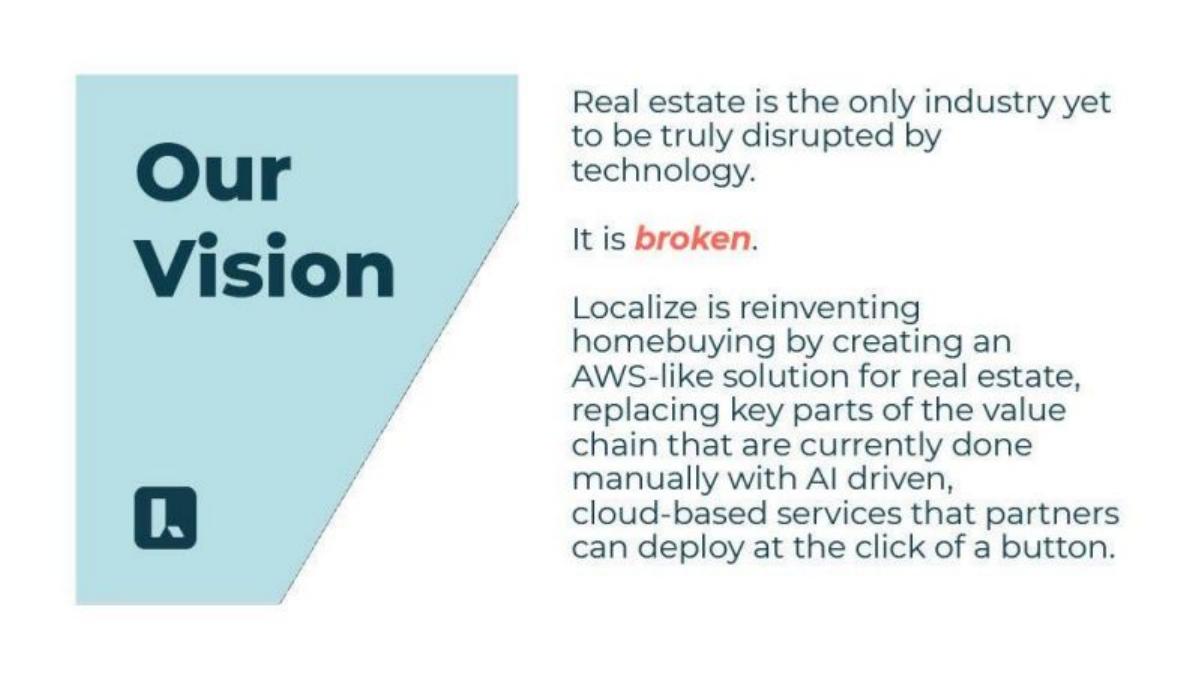
- The company positions itself as an 'AWS-like solution for real estate' to replace manual value chain processes (Slide 2).
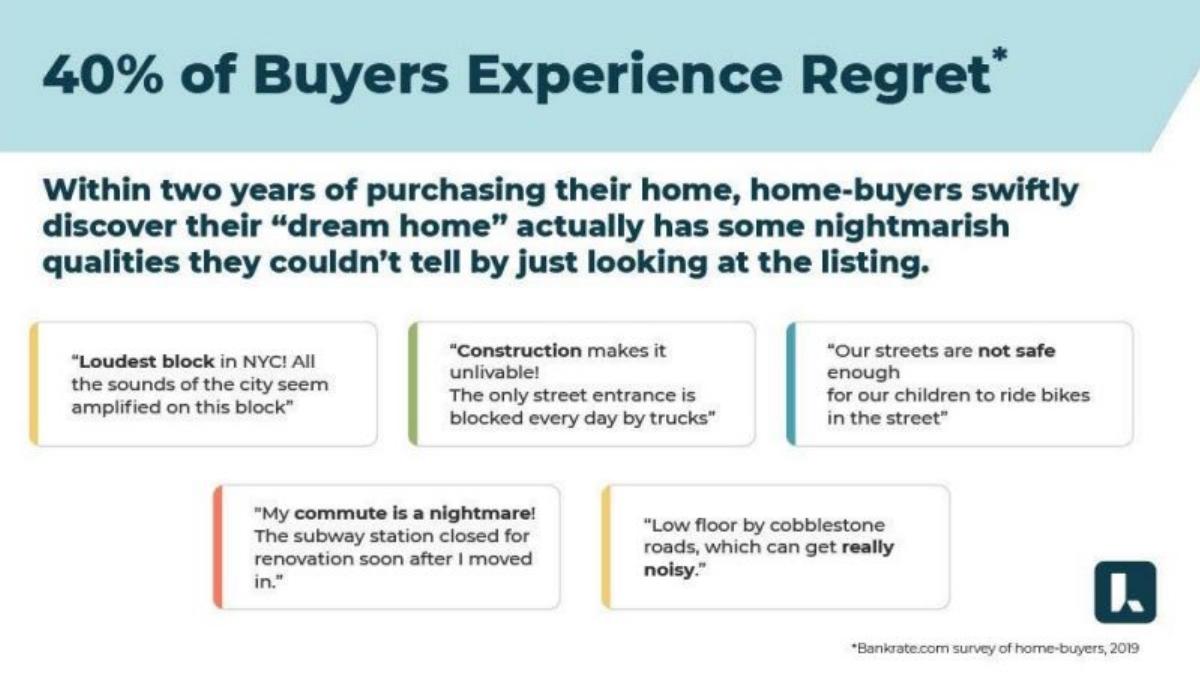
- The core problem identified is that 40% of buyers experience regret within two years due to hidden 'nightmarish qualities' of listings (Slide 6).
- Real estate agents are stated to spend up to 75% of their time trying to convert leads, with a conversion rate of 3% or less (Slides 7 and 8).
- Localize claims its AI engine was built using 800 man-years of expert labor to organize raw data from hundreds of sources (Slide 9).
- The product 'Hunter' acts as an AI data goldmine that guides leads through the search process via text messages (Slide 11).
- The platform offers over 100 searchable listing attributes, including direct sunlight hours and construction impacts (Slide 12).
- By 2021, the company had engaged over 25,000 buyers with Hunter and matched over 250 buyers with agents (Slide 16).
- The deck lists major brokerage partners including Compass, Corcoran, and Brown Harris Stevens (Slide 16).
Executive Summary and Vision
Slides 1-2: The Hook and the AWS Comparison
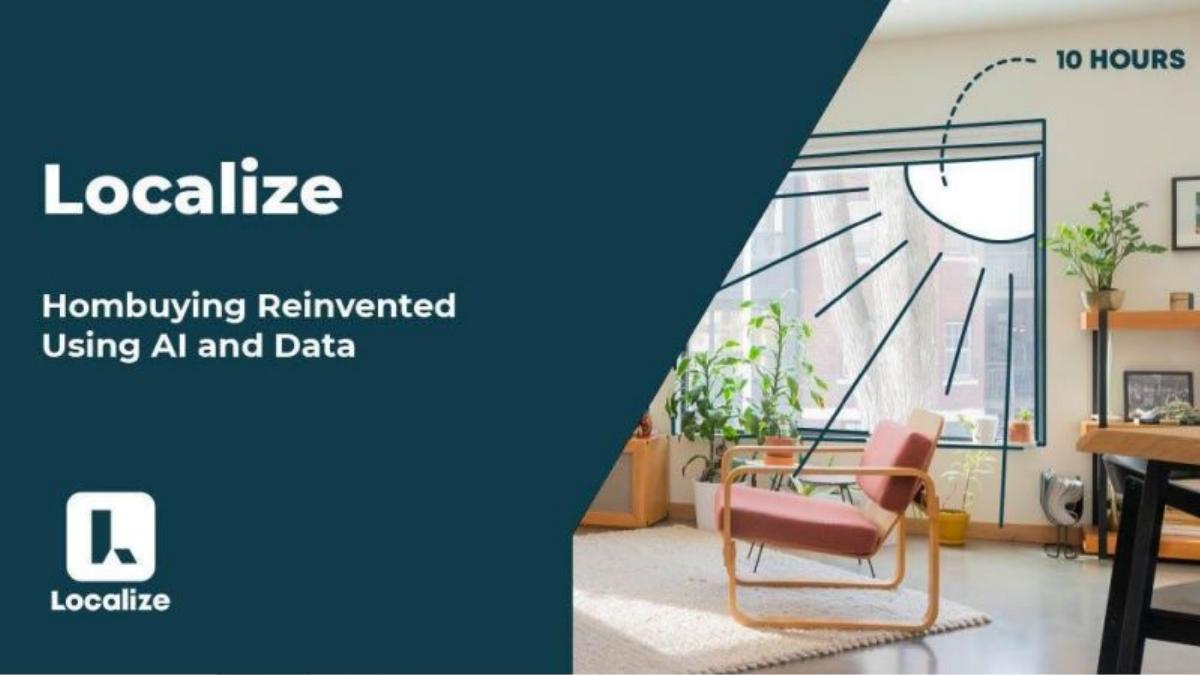
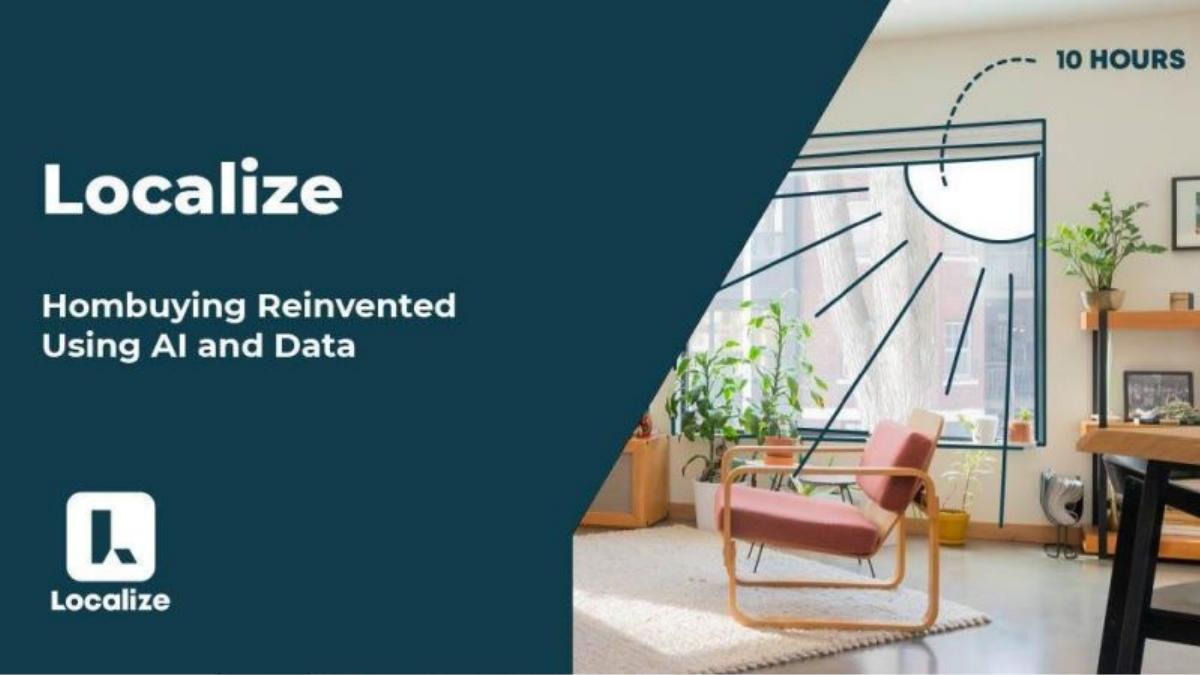
Localize opens its Series C deck with a clear, minimalist cover slide (Slide 1) that defines its value proposition: "Homebuying Reinvented Using AI and Data." The visual features a living room with a sun-tracking graphic, hinting at the granular data (like sunlight hours) they provide. Slide 2 establishes a bold vision, claiming real estate is "broken" and is the only industry yet to be truly disrupted by technology. They position themselves as an "AWS-like solution for real estate," suggesting they provide the underlying infrastructure that allows partners to deploy AI-driven, cloud-based services instantly. This is a high-level strategic play designed to appeal to Series C investors looking for platform-scale opportunities rather than just a niche tool.
The Team
Slide 3: High-Pedigree Technical Leadership
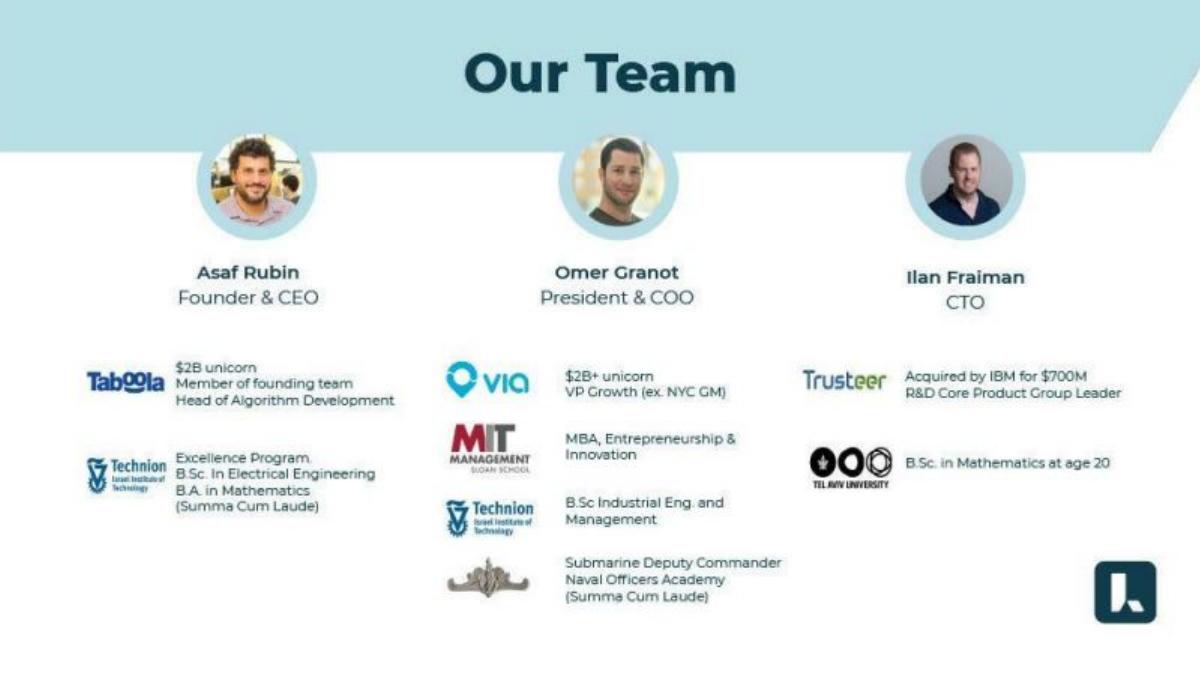
The team slide is heavy on technical and scale credentials. CEO Asaf Rubin is noted as a founding team member of Taboola, a $2B unicorn. COO Omer Granot comes from Via, another $2B+ unicorn, where he was VP of Growth. CTO Ilan Fraiman is credited with a leadership role at Trusteer, which was acquired by IBM for $700M. The slide also highlights academic excellence from institutions like Technion and MIT. By placing the team slide third, Localize signals that their ability to execute on complex AI is backed by a track record of building billion-dollar companies.
Defining the Market Friction
Slides 4-6: The Buyer's Dilemma
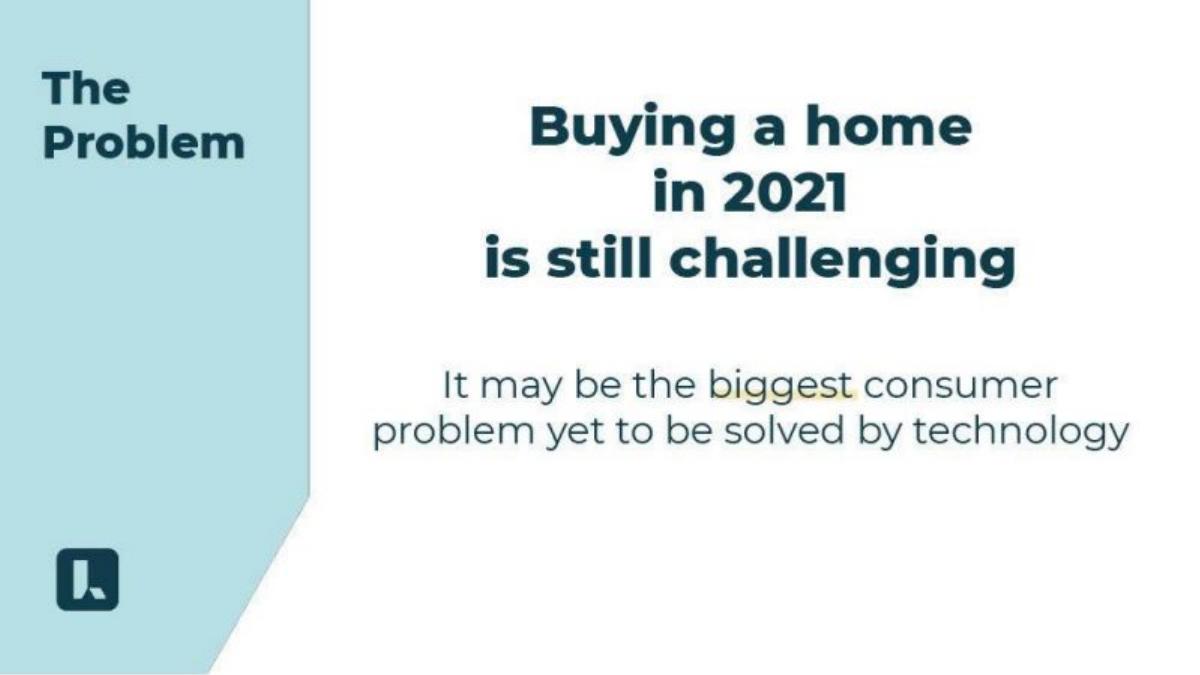
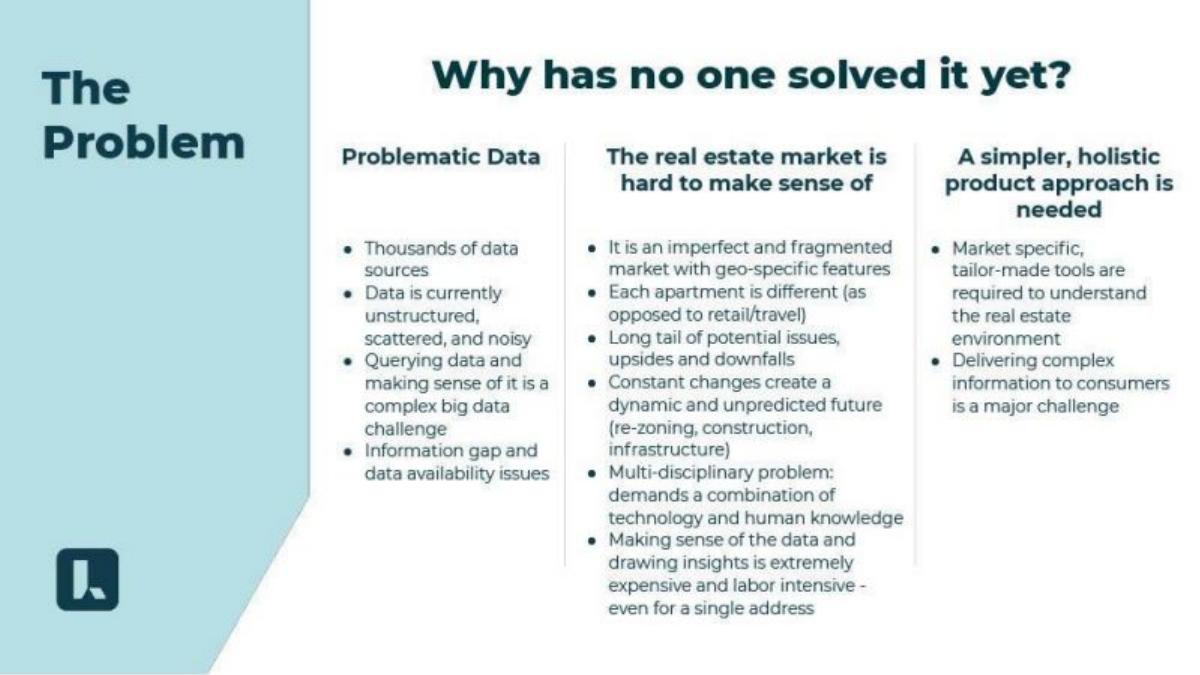
Slides 4 and 5 define the problem space. The deck argues that buying a home is the "biggest consumer problem yet to be solved by technology" due to problematic, unstructured data and a fragmented market. Slide 6 introduces a compelling statistic: "40% of Buyers Experience Regret." It uses qualitative quotes to illustrate the "nightmarish qualities" buyers discover after moving in, such as loud blocks, unlivable construction, or unsafe streets. This establishes the need for the "address information aggregator" mentioned in the company's catalogue listing.
Slides 7-8: The Broker's Inefficiency
The deck shifts focus to the B2B pain point on slides 7 and 8. It claims that buyer leads convert at a dismal 3% or less, leading to "agent fatigue and burnout." Slide 8 quantifies the cost, stating agents spend up to 75% of their time trying to convert leads. By framing the problem as a massive waste of human capital, Localize sets the stage for its AI-driven automation solution.
The Solution and Technology
Slide 9: The 800 Man-Year Engine
Slide 9 is the core "Solution" slide. It claims that 800 man-years of AI and algorithm expertise were required to build their engine. The slide outlines a three-step value chain: processing raw data from hundreds of sources, gaining user trust through rich profiles, and monetizing through four distinct models (B2C, Brokerage as a Service, SaaS, and Ancillary Services). This slide is critical as it justifies the high barrier to entry and the company's previous $70M+ in funding.
Slides 10-11: Mission and Product Introduction
Slide 10 reiterates the mission for both buyers and agents. Slide 11 introduces "Hunter," the company's AI assistant launched in 2020. Hunter is described as an "AI data goldmine" that guides leads through the search process via text messages, refining matches based on feedback before connecting them with a human agent. This represents the practical application of their AI engine in the sales funnel.
Product Deep Dive and CRM
Slides 12-14: Data Enrichment and Smart Matching
Slide 12 lists the specific attributes that differentiate Localize, such as direct sunlight, construction impacts, and school ratings, claiming over 100 searchable attributes. Slide 13 shows the "Smart Matching Engine" interface, demonstrating how the AI identifies listings that match exact specifications. Slide 14 showcases the proprietary CRM, which allows brokerages to manage buyers at specific stages (Early, Engaged, Matched, Touring, Offer). The visual evidence of a functional, high-fidelity software platform is essential for a Series C pitch.
Traction and Company Status
Slides 15-17: The Current State
Slide 15 is a transition slide leading to the "About Us" section on Slide 16. This slide provides the most concrete evidence of progress: founded in 2012 in Tel Aviv, expanded to NYC in 2018, and now employing over 100 people. It lists impressive brokerage partners like Compass and Corcoran and notes that over 25,000 buyers have engaged with Hunter. The slide also mentions that the company has been covered by major publications like The New York Times and The Wall Street Journal. Slide 17 is a simple thank-you slide.
What Works in the Localize Deck
Strong Problem-Solution Gap: The deck does an excellent job of quantifying the pain for both sides of the market. Using the 40% buyer regret rate and the 3% lead conversion rate creates a clear, measurable gap that the technology is designed to fill.
Technical Authority: By citing "800 man-years" of development and highlighting the team's unicorn backgrounds, the deck builds significant credibility. It moves the conversation away from being just another real estate portal to being a deep-tech infrastructure play.
Product Visualization: The inclusion of actual dashboard screenshots (Slides 13 and 14) is vital. It proves that the "AI engine" isn't just a concept but a deployed tool with a user interface capable of handling complex workflows.
What Is Missing from the Localize Deck
Financial Projections: For a Series C round, the absence of revenue growth charts, ARR (Annual Recurring Revenue) figures, or future financial projections is notable. While the deck mentions monetization models, it does not show their performance.
Unit Economics: There is no mention of Customer Acquisition Cost (CAC) or Lifetime Value (LTV). In a lead-generation and SaaS business, these metrics are usually the primary focus for late-stage investors.
Specific Use of Funds: The deck lacks a "The Ask" slide. While we know from the catalogue listing that they raised $25 million, the deck itself does not specify how that capital will be allocated (e.g., geographic expansion, R&D, or sales and marketing).
Competitive Landscape: The deck mentions that existing platforms "lack the ability" to provide the full picture, but it does not include a formal competitive matrix comparing Localize to incumbents like Zillow or StreetEasy.
Founder Takeaways: What to Copy
The 'AWS' Analogy: If you are building a tool in a crowded market, framing your company as the "infrastructure" or "AWS" of that sector can help you escape being categorized as just another competitor. It suggests a higher level of utility and a broader potential market.
Quantified Pain Points: Don't just say the market is inefficient. Use specific, cited stats like the "3% conversion rate" used here. It makes the problem feel urgent and solvable.
Multi-Pronged Monetization: Showing that your technology can be monetized in multiple ways (B2C, B2B, SaaS, Ancillary) reduces the perceived risk for investors. It demonstrates that the core IP is versatile and not dependent on a single revenue stream.
Frequently asked questions
- What is the primary business model for Localize?
- According to slide 9, Localize employs multiple monetization models. These include a branded B2C platform, Brokerage as a Service, Software as a Service (SaaS), and ancillary services such as mortgage and insurance. This diversified approach allows them to capture value from both the consumer side and the professional brokerage side of the real estate transaction.
- How does Localize differentiate its data from standard listing services?
- Slide 12 explains that Localize enriches listings with over 100 attributes that standard portals often omit. These include specific environmental factors like hours of direct sunlight, construction impacts, and distance to parks. The goal is to provide a 'full picture' to prevent the 40% buyer regret rate cited on slide 6.
- What is 'Hunter' and how does it function in the sales funnel?
- Hunter is an AI-driven lead cultivation tool introduced in 2020. As shown on slide 11, it interacts with buyers via daily text messages to refine their search criteria and gather feedback. Once a buyer is deemed ready to see a listing in person, Hunter matches them with a human agent, effectively automating the top-of-funnel nurturing process.
- Who are the key members of the Localize leadership team?
- The team is led by Founder & CEO Asaf Rubin (formerly of Taboola), President & COO Omer Granot (formerly of Via), and CTO Ilan Fraiman (formerly of Trusteer). Slide 3 emphasizes their backgrounds in high-growth 'unicorns' and deep technical expertise in algorithm development and mathematics.
- What traction metrics does the deck provide?
- Slide 16 provides the primary traction data: over $70M in total funds raised, a team of 100+ members, 25,000+ buyers engaged with the Hunter AI, and 250+ buyers successfully matched with agents. It also lists several high-profile NYC brokerage partners like Bond and Oxford Property Group.