The Hearo.live pitch deck is a masterclass in brevity, relying heavily on the 'founder-market fit' of its leadership team. With only nine slides, the deck skips traditional sections like unit economics, competition, and a detailed financial ask, choosing instead to focus on a massive TAM and a simple product vision. By highlighting the CEO’s deep roots in the gaming industry (Electronic Arts, PlayStation) and the VP of Business’s background in digital payments, the deck argues that the social connectivity found in games like Fortnite should exist for all media. The presentation successfully r…
Key takeaways
- The deck relies on a high-pedigree team slide (Slide 2) featuring logos from EA Sports, PlayStation, and The Sims to establish immediate credibility.
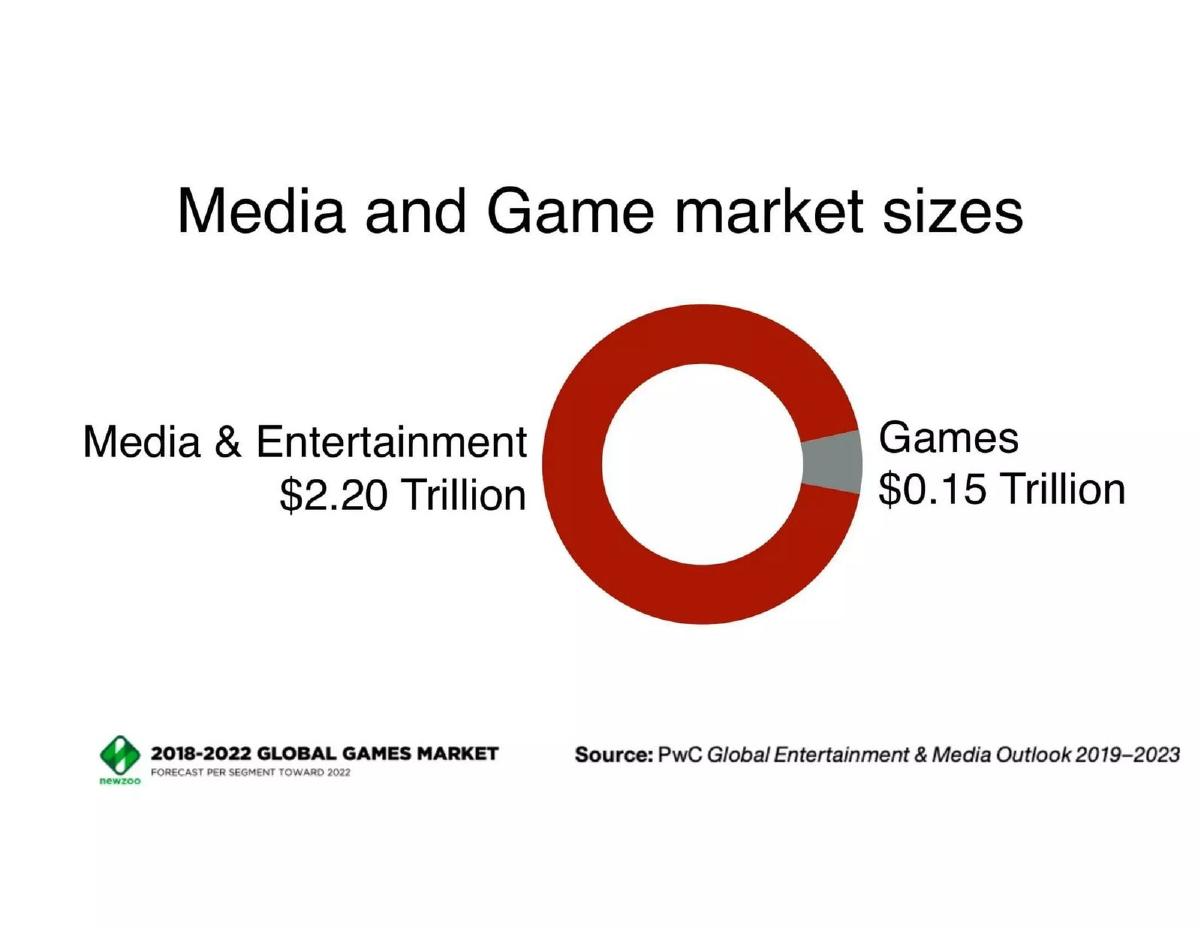
- Market sizing on Slide 4 contrasts the $0.15 trillion games market with a $2.20 trillion media and entertainment market to show room for growth.
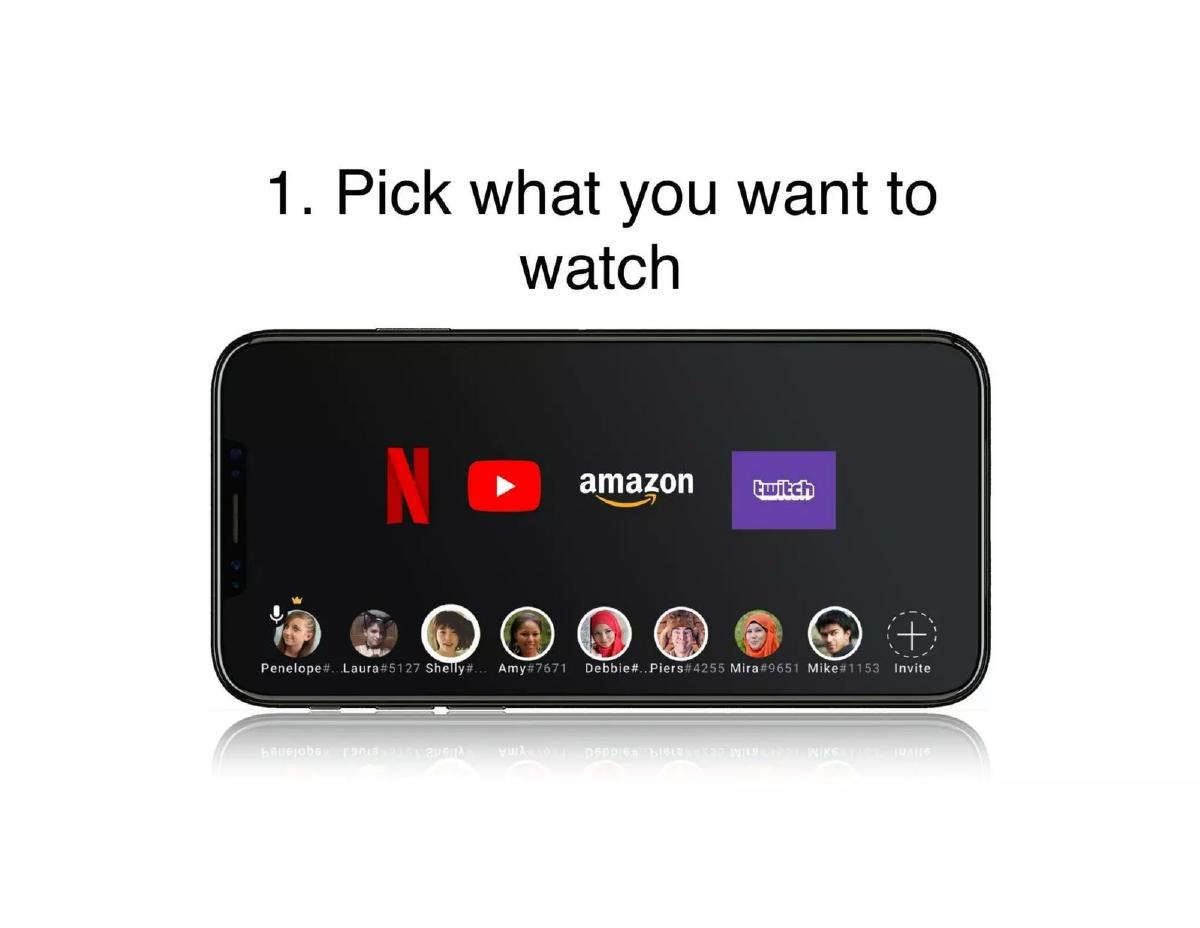
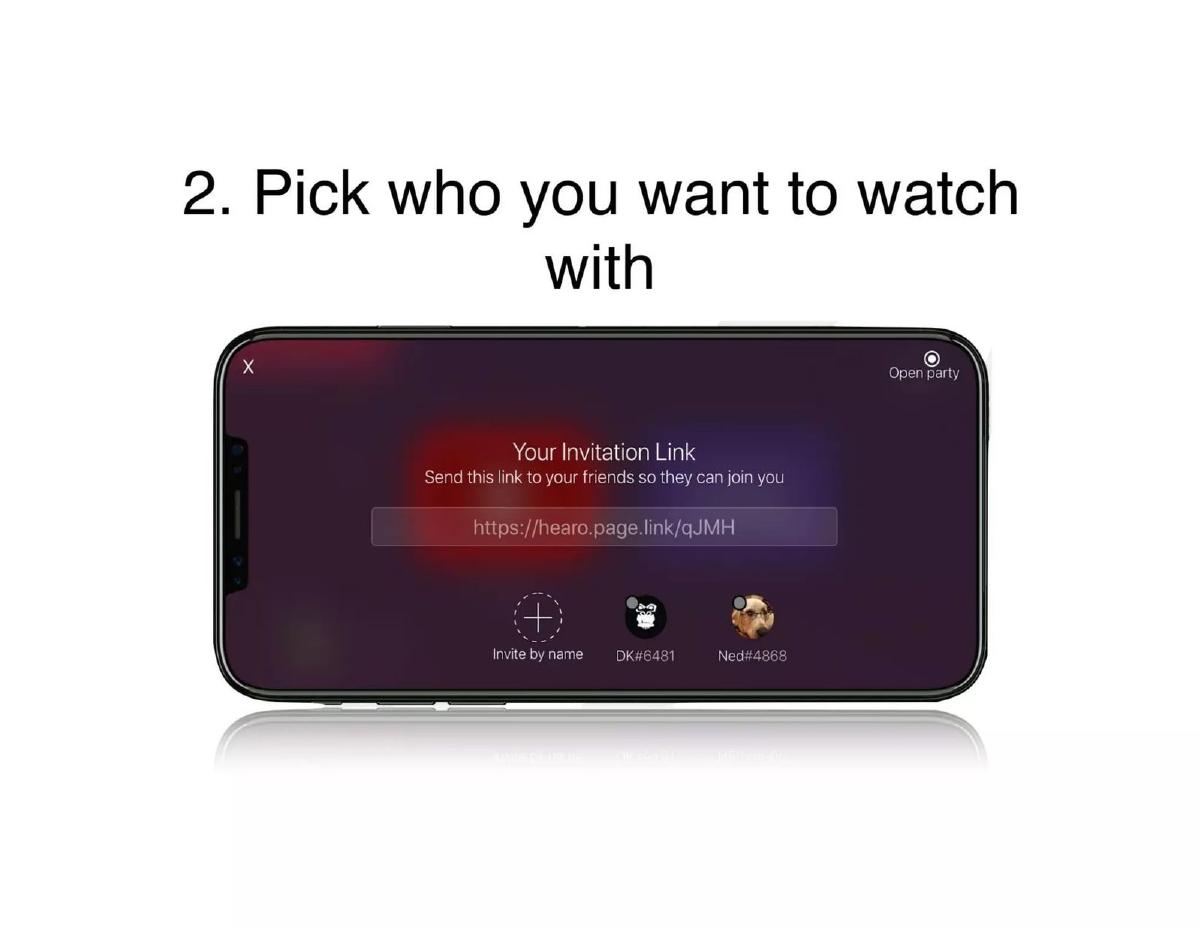
- The product is explained through a simple three-step visual flow across Slides 5, 6, and 7: Pick, Invite, and Talk.
- The deck omits a formal 'Ask' slide, failing to specify how the $2,000,000 would be allocated or what milestones it would achieve.
- There is no mention of business model or monetization strategies anywhere in the 9-slide presentation.
- The 'Problem' is framed as a lack of social interaction in passive media, using gaming as the successful counter-example (Slide 3).
- The deck uses a 'Confidential' stamp alongside the ESL logo on Slide 8 to imply exclusive or high-stakes partnerships without providing details.
- Visuals are prioritized over text, with most slides containing fewer than 15 words.
The Hearo.live Pitch Deck: A Minimalist Bet on Social Media Consumption
In 2017, Hearo.live raised $2,000,000 for its 'Multiplayer TV' concept. The deck is remarkably short, consisting of only nine slides. It does not follow the traditional Sequoia-style 12-slide arc. Instead, it leans on a singular narrative: gaming has solved social interaction, and the $2.2 trillion media market is next. This teardown examines how a team with deep industry roots used a 'less is more' approach to secure Series A funding.
The Hook and the Pedigree (Slides 1-2)
Slide 1: Title Slide The deck opens with a clean logo and contact information for Ned Lerner. There is no tagline here, just the brand identity. The inclusion of a Discord-style handle (Hearo Ned#4868) signals that the founder is immersed in the gaming culture the company seeks to emulate.
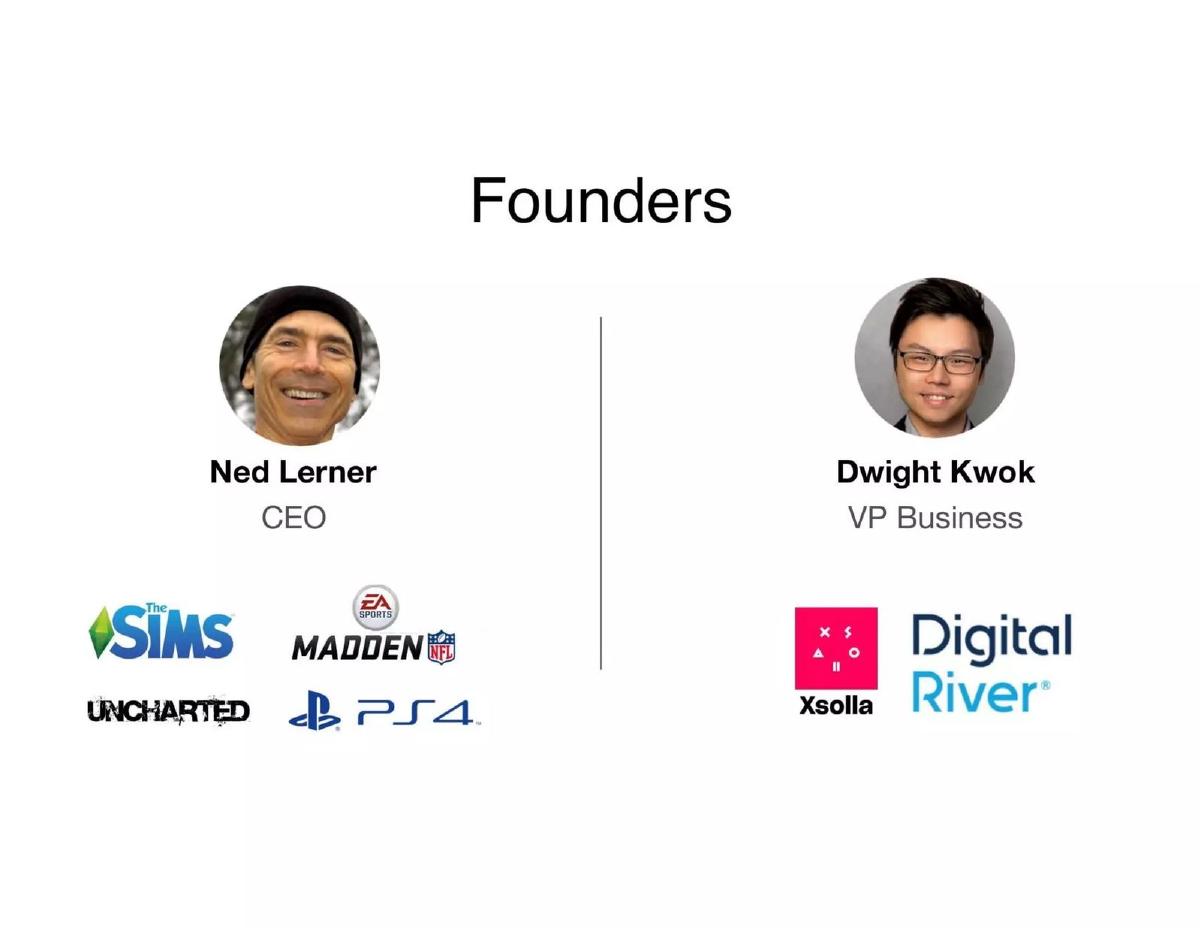
Slide 2: Founders This is arguably the most important slide in the deck. For a 9-slide presentation to raise $2M, the team must be the primary selling point. Ned Lerner (CEO) is backed by logos for The Sims , Madden NFL , Uncharted , and PS4 . This suggests a background in both high-level game development and hardware ecosystem management. Dwight Kwok (VP Business) brings experience from Xsolla and Digital River , which are heavy hitters in the gaming payment and distribution space. This slide establishes that the founders aren't just fans of gaming; they helped build the industry's infrastructure.
The Thesis: Gaming as a Blueprint (Slides 3-4)
Slide 3: Social Gaming The deck moves into the 'Problem/Opportunity' phase by stating: "Games are highly social, talking experiences." It uses the logos of Fortnite and League of Legends to anchor this point. The implication is that these games aren't just software; they are digital third places where people hang out. The 'problem'—though not explicitly written—is that traditional media lacks this social layer.
Slide 4: Market Sizes Hearo.live uses a donut chart to visualize the opportunity. They cite Newzoo and PwC as sources. The chart shows the Games market at $0.15 Trillion and the Media & Entertainment market at $2.20 Trillion . The strategy here is clear: the founders are telling investors they are taking the proven social mechanics of a $150B industry and applying them to a $2.2T industry. It is a classic 'TAM expansion' argument.
The Product Walkthrough (Slides 5-7)
Slide 5: Step 1 - Pick what you want to watch The product section is a three-part visual story. Slide 5 shows a mobile device with icons for Netflix , YouTube , Amazon , and Twitch . At the bottom, a row of user avatars with names like 'Penelope#...Laura#5127' suggests a Discord-like identity system. This slide demonstrates that Hearo.live is intended to be a platform-agnostic overlay.
Slide 6: Step 2 - Pick who you want to watch with This slide shows the invitation flow. It features a unique URL ( hearo.page.link/qJMH ) and an 'Invite by name' button. The simplicity of the UI is the focus here. There is no mention of the underlying technology or how they handle authentication for services like Netflix, which is a common hurdle for co-watching apps.
Slide 7: Step 3 - Talk + Watch Together The final product slide shows the 'end state.' A live sports broadcast (Women's World Cup) is playing in full screen, with the user avatars overlaid at the bottom. The crown icon on 'Penelope' suggests a host/moderator role. The slide reinforces the 'Multiplayer TV' tagline by showing a passive broadcast turned into a shared social event.
The Partnership and the Close (Slides 8-9)
Slide 8: The Human Connection Platform This slide is the closest the deck gets to 'Traction.' It features the logo for ESL (Electronic Sports League) and a large red 'CONFIDENTIAL' stamp. This is a common tactic to create a sense of urgency and exclusivity. By associating with ESL, Hearo.live positions itself as a tool for the massive esports audience, which already values live, social viewing.
Slide 9: Closing Slide The deck ends with the hashtag #ThePartyIsOn and repeats the contact information from Slide 1. There is no 'Ask' slide, no financial projections, and no roadmap. This suggests the deck was likely used as a visual aid for a verbal pitch rather than a standalone document sent via email.
What Works in the Hearo.live Deck
Extreme Clarity: The three-step product explanation (Pick, Invite, Talk) is impossible to misunderstand. It removes all friction from the investor's mental model of what the app actually does. · Team Credibility: By leading with the founders and their specific game titles (Madden, The Sims), they answer the 'Why you?' question before it is even asked. · Market Contrast: Comparing the size of the gaming market to the media market is a clever way to show that even a small 'win' in the media space is worth billions.
What is Missing from the Hearo.live Deck
The Business Model: There is zero information on how Hearo.live intends to make money. Do they take a cut of subscriptions? Is it ad-supported? Is it a B2B play for streamers? The deck is silent on monetization. · The Competitive Landscape: In 2017, the 'watch party' space was already becoming crowded with players like Rabbit (now defunct), Scener, and even native features in Facebook. Ignoring competition is a risky move that only works if your team pedigree is high enough to dismiss rivals. · Technical Feasibility: Synchronizing video across different devices and networks while maintaining a low-latency voice chat is a significant engineering challenge. The deck provides no reassurance that the team has solved the 'sync' problem. · The Ask: A pitch deck usually ends with a request for a specific amount of capital and a list of what that capital will buy (e.g., 'Raising $2M to hire 5 engineers and reach 100k MAU'). This deck lacks a clear call to action.
What a Founder Should Copy
The 'Three-Step' Product Slide: If your app is a consumer utility, don't write paragraphs. Show three screenshots that represent the beginning, middle, and end of a user session. · Logo Association: If you have worked on famous products, put those logos front and center. They act as a shorthand for 'this person knows what a successful product looks like.' · Market Sizing via Analogy: Instead of just showing a big number for your TAM, show the size of a related industry that has already succeeded. It provides a 'proof of concept' for the behavior you are trying to monetize.
Frequently asked questions
- How did Hearo.live raise $2M with such a short deck?
- The raise was likely driven by the founders' professional history. Slide 2 showcases deep experience at Electronic Arts, Sony PlayStation, and Xsolla. In early-stage venture capital, a team that has previously built or led major gaming franchises like 'The Sims' or 'Madden NFL' often requires less documentation to prove they can execute on a technical vision.
- What is the primary value proposition of the platform?
- Hearo.live positions itself as 'Multiplayer TV.' As seen on Slide 7, the value is the ability to overlay social voice/video chat on top of premium content like live sports or streaming services. It attempts to bridge the gap between the highly social nature of modern gaming and the historically isolated nature of watching movies or TV.
- Which major competitors are mentioned in the deck?
- None. The deck completely omits a competitive landscape slide. While it mentions platforms like Netflix, YouTube, and Twitch on Slide 5, these are presented as content sources for the Hearo.live app rather than rivals. This is a significant omission given the existence of other co-watching tools and native social features on platforms like Twitch.
- Does the deck explain how the technology works?
- No. The deck focuses entirely on the user experience (UX). Slides 5 through 7 show a mobile interface where users select a service, send a link, and then see their friends' avatars at the bottom of the screen. There is no mention of synchronization tech, latency management, or how they bypass the 'black screen' issues common in screen-sharing copyrighted content.
- What is the significance of the market size slide?
- Slide 4 is used to justify the 'Why Now' and the scale of the opportunity. By showing that the broader media market is nearly 15 times larger than the gaming market, the founders are suggesting that if they can bring 'gaming-style' social engagement to general media, the upside is exponentially higher than staying within the gaming niche.