The Hippokros pitch deck is a brief, high-level presentation focused on the problem of siloed medical data. Spanning just seven slides, it utilizes emotional storytelling—specifically the risk of medical emergencies while traveling—to justify a unified health information platform. The deck identifies the complexity of existing Electronic Medical Record (EMR) user interfaces as a primary barrier to efficiency. While it lacks traditional venture metrics like market size, business model, or a specific funding ask, it leans heavily on the credibility of its team. The founders claim backing from D…
Key takeaways
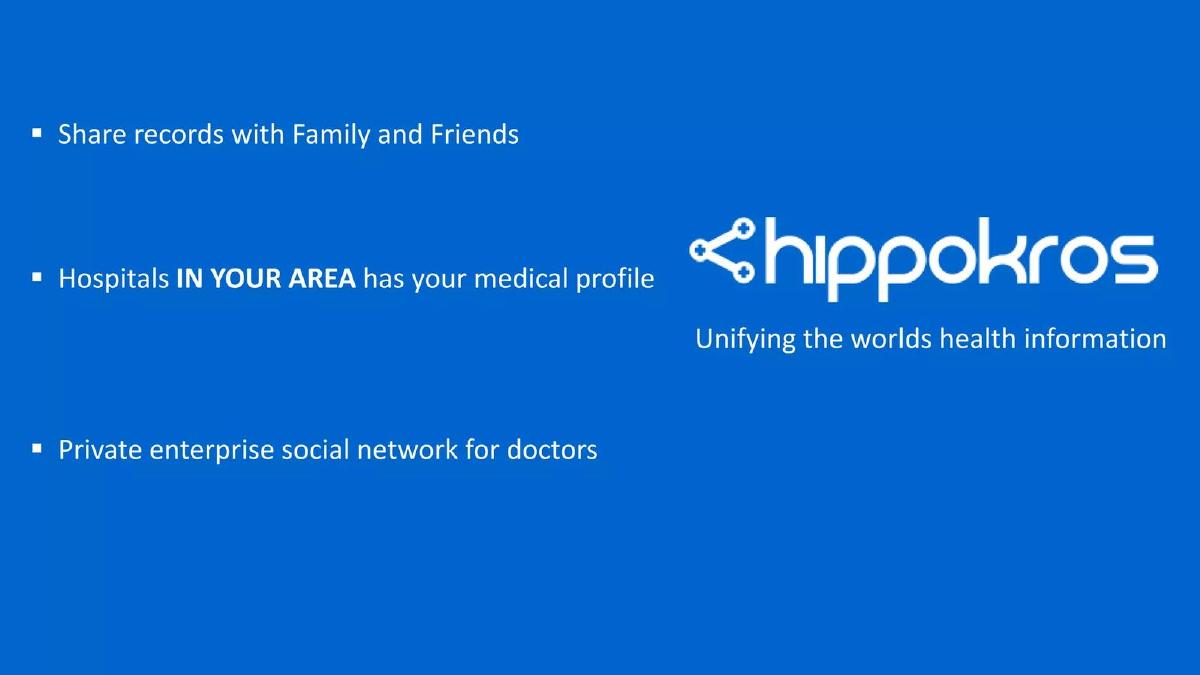
- The company mission is defined as 'Unifying the worlds health information' on slide 1.
- The problem statement focuses on the lack of data accessibility during disasters or travel, as noted on slides 2 and 3.
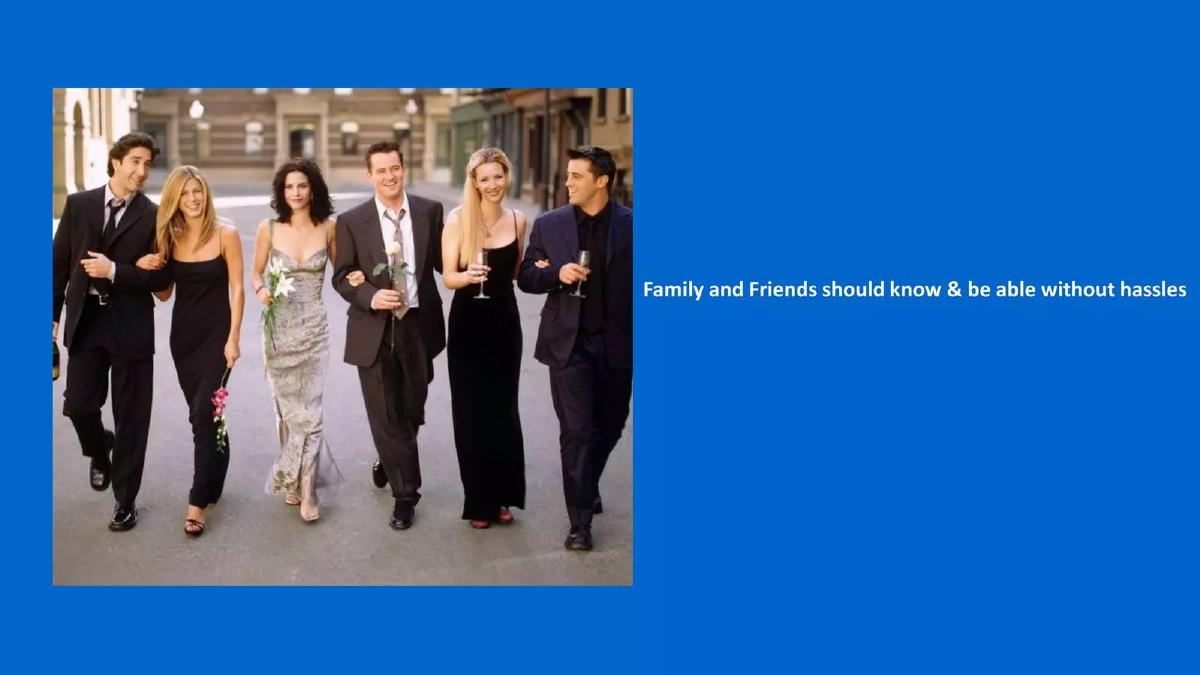
- Interoperability is a core theme, suggesting that family and friends should have access to records without 'hassles' (slide 4).
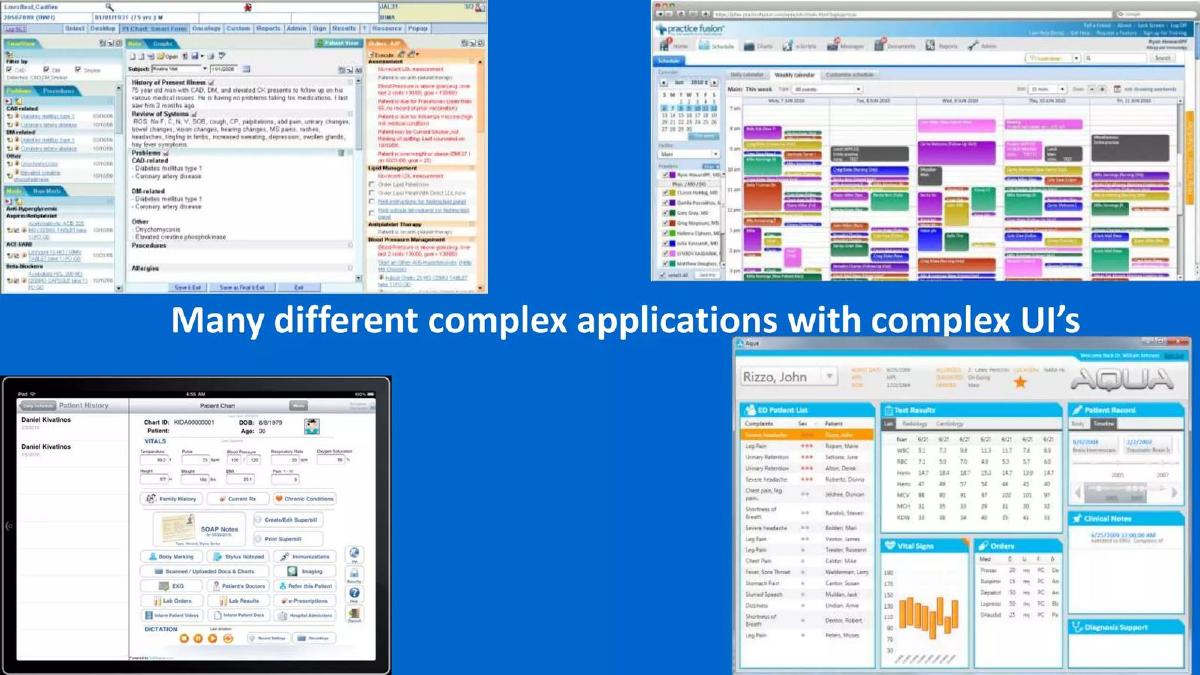
- The deck critiques the status quo by showing four screenshots of 'complex applications with complex UI’s' on slide 5.
- The solution includes a 'Private enterprise social network for doctors' and localized medical profile access (slide 6).
- The team slide (slide 7) features a founder with '10 patents pending' and the 'Director of IT of Duke University Medical Center.'
- The deck claims to be 'Backed by Duke University Medical Center' on slide 7.
- There is no mention of a business model, revenue, or specific capital requirement in the 7-slide sequence.
Deck Overview
The Hippokros pitch deck is a minimalist 7-slide presentation that focuses on the emotional and practical necessity of unified health records. It follows a classic problem-solution narrative but stops short of providing the operational or financial details typically required for a formal seed or Series A round. The aesthetic is functional, utilizing a consistent blue background and high-contrast white text.
Slide 1: Title and Mission
The opening slide introduces the company name, Hippokros , accompanied by a logo featuring a node-based icon that suggests connectivity or networking. The tagline, "Unifying the worlds health information," establishes a broad, ambitious scope for the project. There is no date or specific presenter information on this slide.
Slide 2: The Emergency Problem
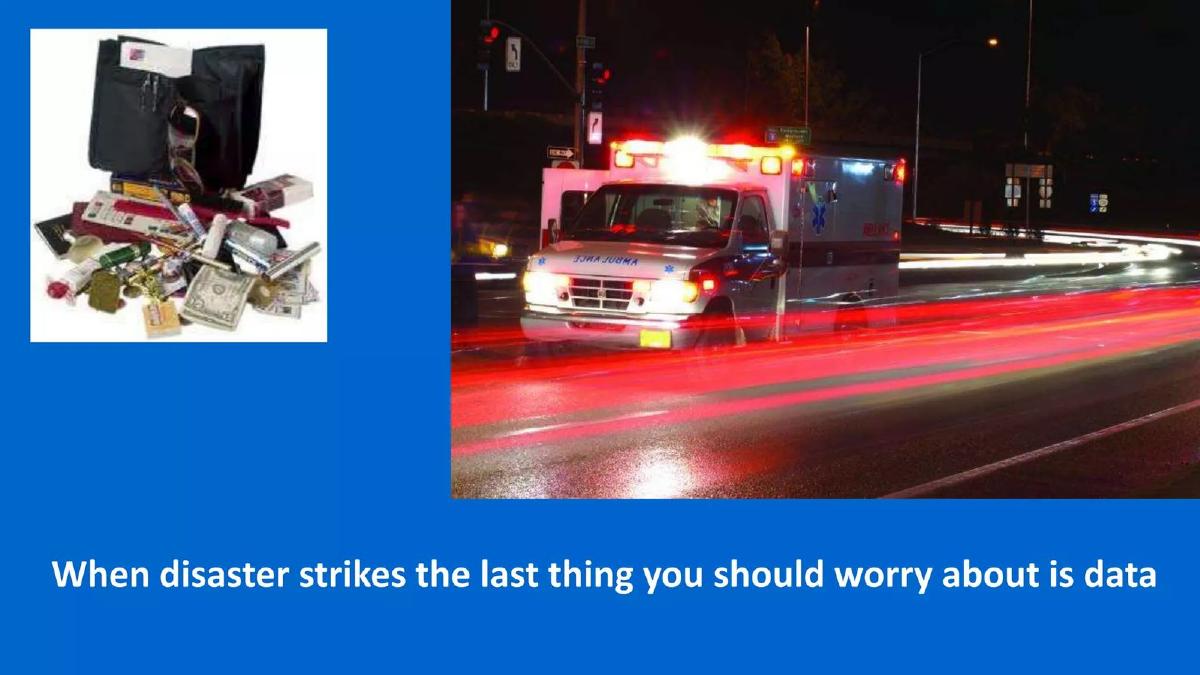
Slide 2 uses a large image of an ambulance at night to evoke a sense of urgency. The text states, "When disaster strikes the last thing you should worry about is data." This slide identifies the emotional core of the pitch: the fear that critical medical information will be unavailable when it is needed most. It also includes a small inset image of a cluttered bag, perhaps symbolizing the disorganized way people currently carry medical records or personal identification.
Slide 3: The Geographic Barrier
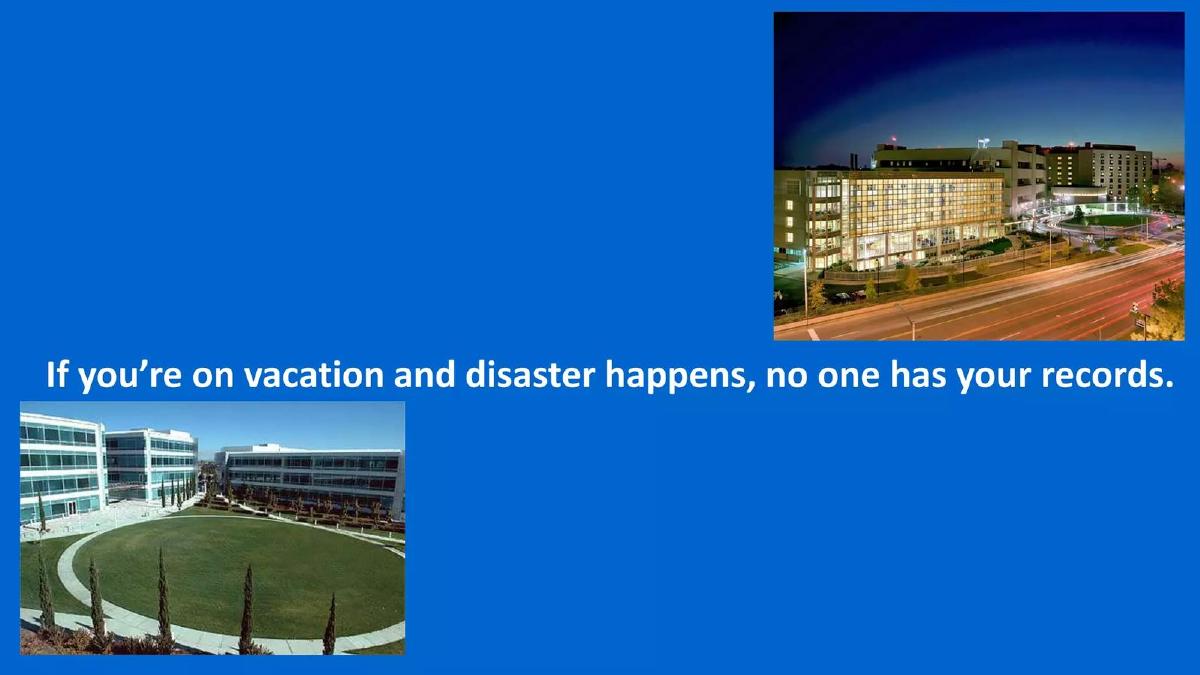
Continuing the problem statement, slide 3 focuses on the issue of data portability. It features images of a hospital and a corporate medical campus with the text: "If you’re on vacation and disaster happens, no one has your records." This highlights the siloed nature of current Electronic Medical Record (EMR) systems, which are often restricted to specific networks or geographic regions.
Slide 4: Social Sharing and Accessibility
Slide 4 takes an unconventional turn by using a promotional photo of the cast of the television show Friends . The accompanying text reads, "Family and Friends should know & be able without hassles." This implies that the Hippokros solution includes a social or sharing component, allowing a patient's inner circle to access or manage health data during emergencies without administrative friction.
Slide 5: The Complexity of Existing Systems
This slide serves as a competitive critique. It displays four screenshots of existing healthcare software interfaces, which appear cluttered with dense grids, multiple tabs, and complex navigation menus. The caption, "Many different complex applications with complex UI’s," positions Hippokros as the antithesis to these difficult-to-use legacy systems. It identifies the user experience (UX) as a major pain point for medical professionals.
Slide 6: The Hippokros Solution
Slide 6 outlines the core value proposition of the platform through three bullet points:
Share records with Family and Friends · Hospitals IN YOUR AREA has your medical profile · Private enterprise social network for doctors
This slide clarifies that the product is not just a patient portal, but also a professional tool for doctors to communicate within a secure network. It reiterates the mission statement from the title slide.
Slide 7: Team and Institutional Backing
The final slide introduces the leadership. It features two individuals. The first is described as a "Founder, Innovator" who "Has 10 patents pending." The second individual is described as the "Father of the EMR" and the "Director of IT of Duke University Medical Center." The slide prominently claims the venture is "Backed by Duke University Medical Center," providing significant institutional credibility to an otherwise brief deck.
What Works in This Deck
Strong Emotional Hook: By focusing on emergency scenarios and the vulnerability of being away from home without medical records, the deck creates an immediate sense of necessity. It moves the conversation from a technical "interoperability" discussion to a human "safety" discussion.
Clear Competitive Positioning: Slide 5 effectively visualizes the "mess" of current EMRs. Even a non-technical investor can see that the existing tools are cumbersome. By showing these screenshots, the founders don't have to explain why the current market is failing; the visual evidence speaks for itself.
High-Level Credibility: The mention of the "Father of the EMR" and the backing of Duke University Medical Center are powerful signals. In the highly regulated and risk-averse world of healthcare IT, having the Director of IT from a major medical institution on the team is a significant advantage that offsets the lack of other details.
What Is Missing
Business Model and Monetization: The deck never explains how Hippokros intends to make money. Is it a SaaS model for hospitals? A subscription for patients? A data-licensing play? Without this, it is impossible to evaluate the company as a business rather than a project.
Market Size (TAM/SAM/SOM): There is no mention of the total addressable market. While the problem of fragmented health data is global, investors need to see the specific market segments Hippokros intends to capture and the dollar value associated with them.
Product Roadmap and Traction: The deck shows what the competition looks like, but it does not show what Hippokros looks like. There are no mockups of the proposed "simple UI" or the "social network for doctors." Furthermore, there is no mention of current traction, pilot programs, or user numbers.
The Ask: A pitch deck usually concludes with a request for a specific amount of capital and a breakdown of how that capital will be used (e.g., hiring, R&D, marketing). This deck ends abruptly with the team slide, leaving the investor's next steps unclear.
Founder Takeaways
Leverage Institutional Pedigree: If your team has deep roots in a prestigious institution or created a foundational technology in your sector, lead with that. Hippokros correctly identifies that their team's history with EMRs is their strongest asset.
Visualizing the Problem: Using screenshots of bad competitor UIs is a highly effective way to demonstrate a market gap. It is much more persuasive than simply saying "competitors are hard to use."
Avoid Copyrighted Imagery: Using a photo of the Friends cast is a risky choice for a professional deck. It can make the presentation feel amateurish or raise questions about intellectual property awareness. Founders should use original photography or high-quality stock images that align with their brand's professional tone.
Balance Emotion with Data: While the emergency scenario is a great hook, a deck needs to transition into the "how" and the "how much." A 7-slide deck is acceptable for a teaser, but a full pitch requires a deep dive into the unit economics and the go-to-market strategy.
Frequently asked questions
- What is the primary problem Hippokros aims to solve?
- Hippokros targets the fragmentation of medical data. According to slides 2 and 3, the current system fails patients during emergencies, particularly when they are away from their primary care providers or on vacation. The deck argues that in these critical moments, the lack of accessible records poses a significant risk, as local hospitals do not have the necessary patient history to provide informed care.
- How does Hippokros plan to differentiate its user interface?
- Slide 5 explicitly calls out the 'complex UI’s' of existing medical applications, showing crowded and unintuitive dashboards from various EMR providers. While the deck does not show a final Hippokros interface, it positions the company as a simplified alternative to these legacy systems, aiming for a more streamlined experience for both patients and healthcare providers.
- What are the key features of the Hippokros platform?
- Based on slide 6, the platform offers three main pillars: the ability for patients to share records with family and friends, ensuring local hospitals have access to a patient's medical profile regardless of location, and a 'private enterprise social network for doctors' to facilitate professional communication and data sharing.
- Who is behind the Hippokros team?
- The team, shown on slide 7, includes a founder described as an 'Innovator' with 10 pending patents. More notably, the deck lists the 'Father of the EMR' and the 'Director of IT of Duke University Medical Center' as a key figure. This suggests a high level of institutional knowledge and technical authority within the healthcare IT space.
- What financial information is included in the deck?
- The deck contains no financial information. There are no slides covering the business model, pricing, current revenue, projected growth, or the amount of capital being raised. It is a purely conceptual and team-focused deck, likely intended for very early-stage discussions or as a supplement to a more detailed business plan.