The 2014 Doorbot (now Ring) Series A deck is a masterclass in narrative-driven fundraising for hardware startups. Rather than hiding the difficulties of manufacturing, the deck leans into them, using a 'what we have learned' framework to build credibility. With 20,000 units shipped and a $5 million sales run rate (Slide 2), the company proved market demand despite early product friction. The deck is notably light on traditional financial projections and competitive grids, choosing instead to focus on the 'critical expertise' required to build a world-class consumer electronics brand. By posit…
Key takeaways
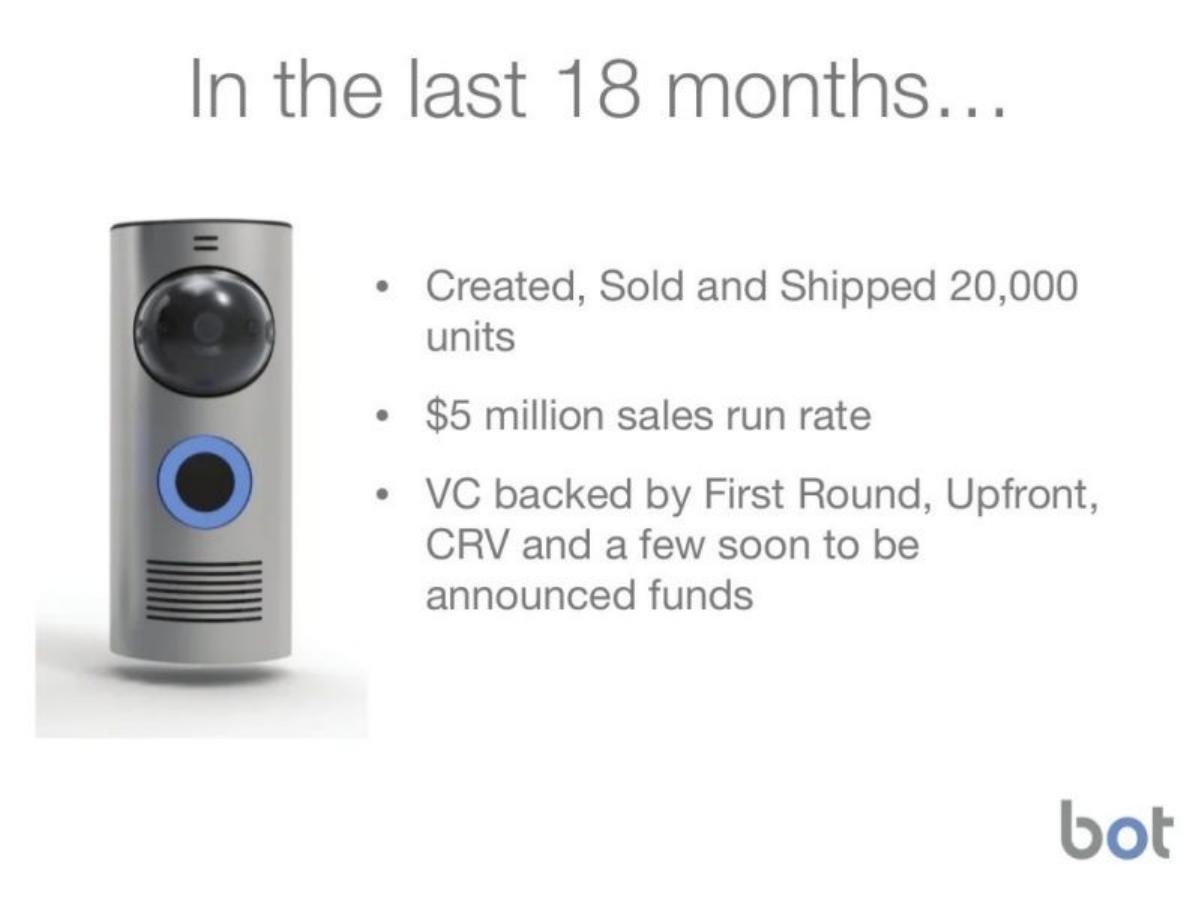
- The company reported shipping 20,000 units and achieving a $5 million sales run rate within its first 18 months (Slide 2).
- Early backing included notable VCs such as First Round, Upfront, and CRV (Slide 2).
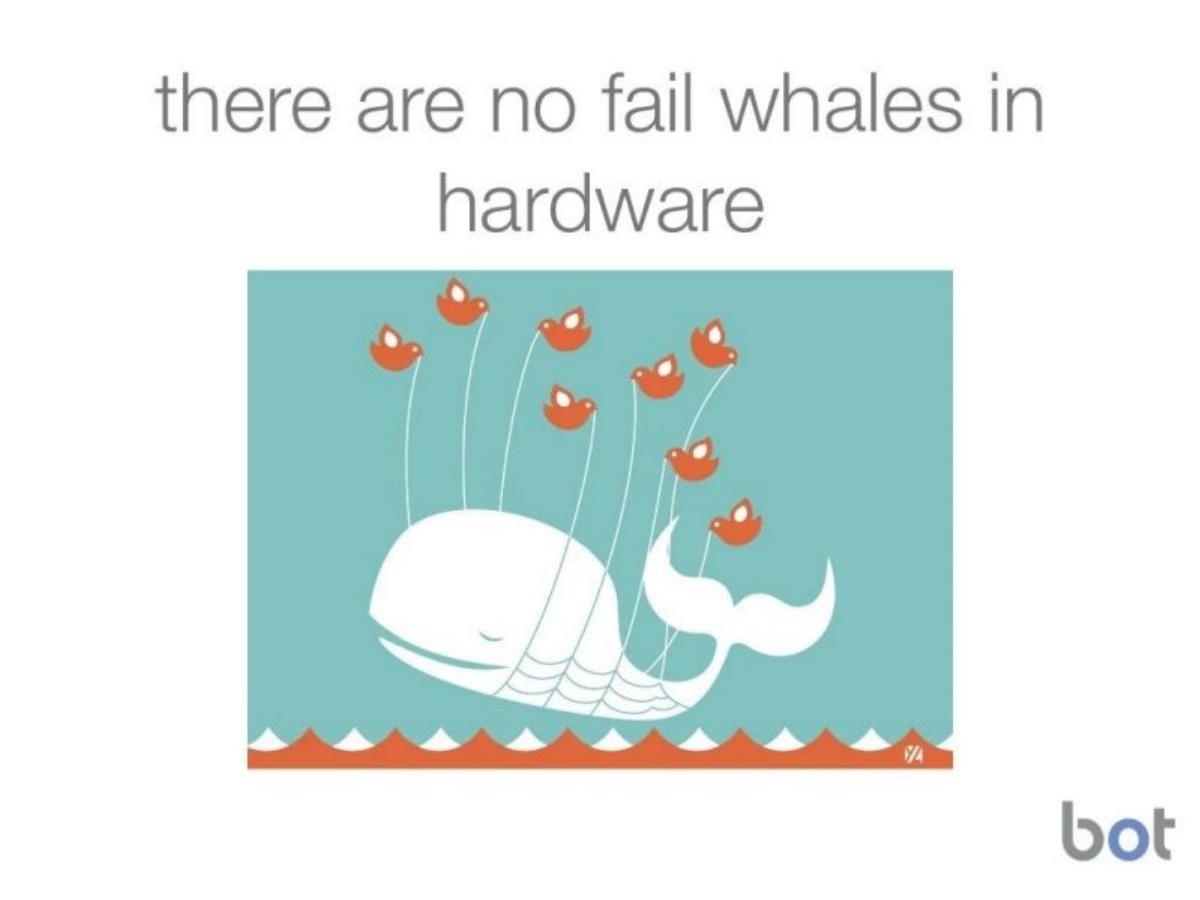
- The deck uses a 'lessons learned' narrative, acknowledging that hardware is a mature industry with no room for 'fail whales' or software-style instability (Slides 4-5).
- A direct comparison is made between Doorbot's 6-person team and Apple's 75,000+ employees to highlight efficiency and the scale of the challenge (Slide 7).
- The company identifies 10 critical expertise areas for success, ranging from Electrical and Firmware to E-Commerce and QA (Slide 10).
- The team grew 6x to reach 40 members, including 28 engineers, by the time of the Series A pitch (Slide 12).
- The deck omits a formal 'Ask' slide, detailed financial projections, and a traditional competitor matrix.
- The long-term vision is stated as a 7-10 year approach, with product cycles lasting 6-12 months (Slide 12).
The Narrative of Resilience: Analyzing the Doorbot Series A Deck
In 2014, the company now known as Ring was still operating under the name Doorbot. This 13-slide deck was used to secure a $4 million Series A round led by True Ventures. At this stage, the company was transitioning from a successful but difficult launch into a more mature hardware organization. The deck is less about 'the dream' and more about the reality of building a hardware business in a software-dominated VC landscape.
Slide 1: Title Slide
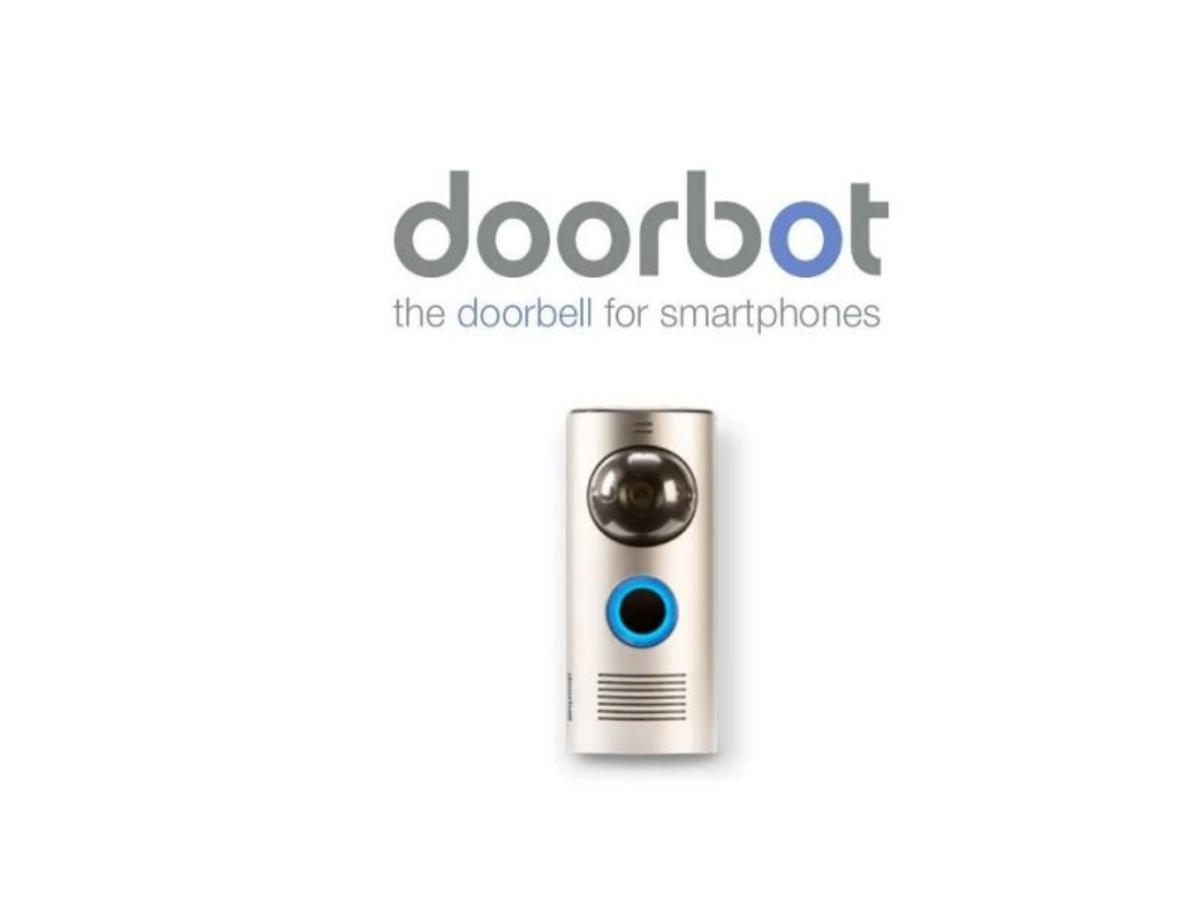
The deck opens with the original branding: 'doorbot: the doorbell for smartphones.' The visual is simple, featuring a high-resolution render of the original device. The tagline is functional and descriptive, immediately identifying the product category and the primary interface (the smartphone).
Slide 2: Traction and Backing
Slide 2 is the 'meat' of the deck. It establishes immediate credibility with three bullet points: 20,000 units created, sold, and shipped; a $5 million sales run rate; and a list of top-tier VC backers including First Round, Upfront, and CRV. By placing this at the beginning, the founders preemptively answer the 'does anyone want this?' and 'can you actually build it?' questions that plague hardware startups.
Slide 3: The Learning Curve
Using a photo of a skier crashing, Slide 3 introduces the section 'What we have learned so far...' This is a vulnerable but strategic move. It signals to investors that the founders are not naive about the 'hardware is hard' mantra. It sets up the narrative that the company has already survived its most dangerous phase.
Slides 4-5: Hardware vs. Software
Slide 4 states 'hardware is a mature industry,' and Slide 5 features the famous Twitter 'Fail Whale' with the caption 'there are no fail whales in hardware.' This is a direct critique of the 'move fast and break things' software culture. The message is clear: in hardware, you cannot afford to ship broken products. This slide justifies the need for significant capital and a rigorous engineering process.
Slides 6-7: The David vs. Goliath Comparison
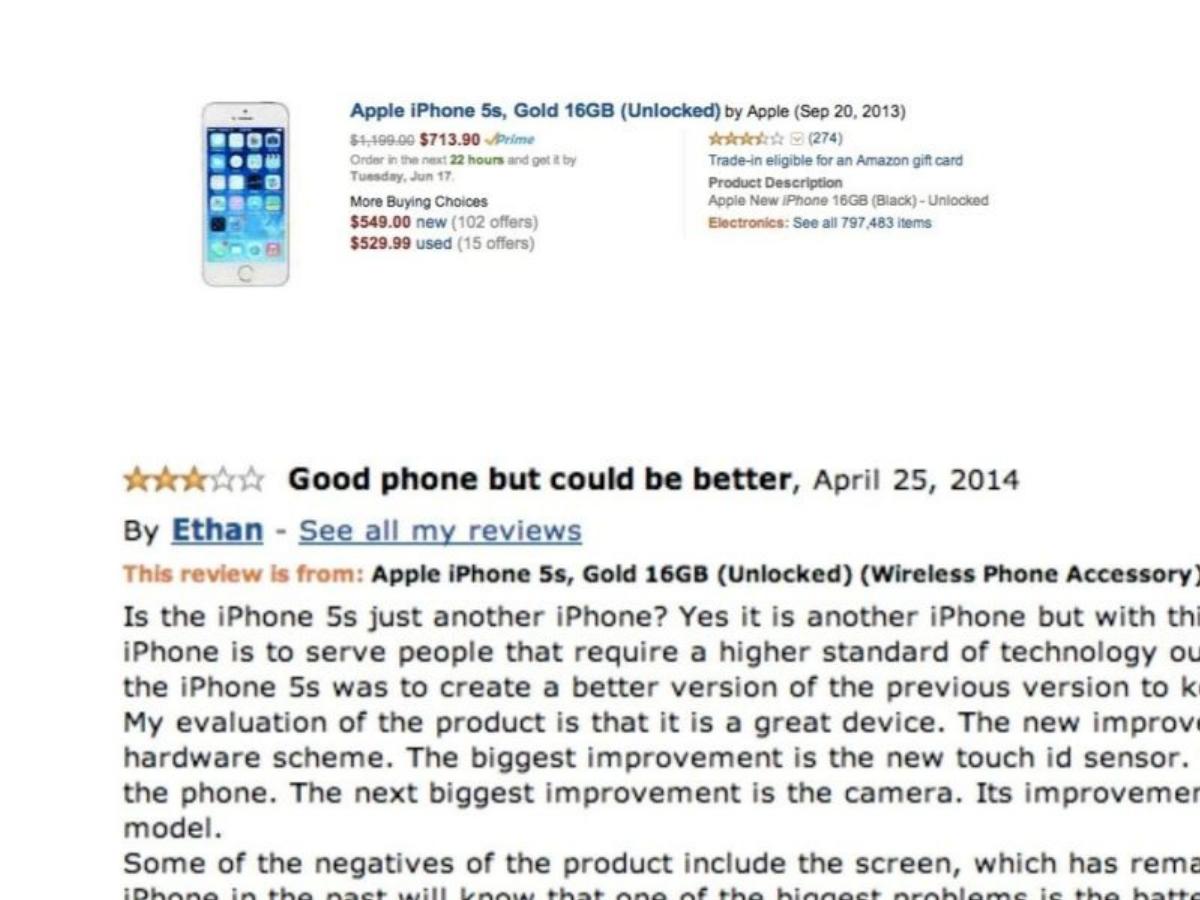
Slide 6 shows an Amazon review for an iPhone 5s, and Slide 7 compares Doorbot's 6-member team (at the time of the review) to Apple's 75,000+ employees. This comparison serves two purposes: it highlights the incredible efficiency of the Doorbot team and sets the bar for the quality they are aiming to achieve. It suggests that if they can compete for consumer attention with such a small team, the potential with more capital is enormous.
Slides 8-9: The Strategic Pivot
Slide 8 simply says 'In January we regrouped,' and Slide 9 defines their new business philosophy: 'Delivering a complete solution, a full customer experience is our business. And it has to be at Apple’s level, quality, etc.' This marks the transition from a 'gadget' company to a 'brand' company. It moves the conversation away from unit margins and toward customer lifetime value and brand equity.
Slide 10: The Complexity of Success
Slide 10 features a pie chart titled 'Critical expertise areas for success.' It breaks down 10 areas, including Electrical (11%), Firmware (11%), Industrial Design (11%), and Mechanical (11%). This slide is designed to show the complexity of the operation. It demonstrates that the company isn't just 'making a doorbell'—it is managing a sophisticated multi-disciplinary engineering and retail operation.
Slide 11: The 'Soft' Assets
Slide 11 highlights two 'soft' things: Mission and Brand. This is a crucial addition for a Series A deck. It suggests that the company has a purpose beyond just selling hardware. While the specific mission isn't detailed on this slide, it implies a focus on home security and community safety that would later become the core of the Ring brand.
Slide 12: Execution and Growth
Slide 12, titled 'What we are doing (not teachings),' lists five key execution points. Notably, it mentions a 'long term approach 7-10 years' and that they have grown the team to 40 members, including 28 engineers. It also reiterates the 'Apple/Samsung/Etc' competition, positioning the company as a major player in the emerging IoT space rather than a niche accessory maker.
Slide 13: Contact Information
The final slide returns to the Doorbot branding with Jamie Siminoff’s contact information. It is a standard closing slide that maintains the focus on the product image.
What Works in This Deck
Honesty as a Strategy: By acknowledging the 'crashes' and the maturity of the hardware industry, the deck builds trust. Investors know hardware is difficult; seeing a founder who has already shipped 20,000 units and learned from the process is more reassuring than a founder claiming everything is perfect.
Traction Front-Loading: Putting the 20,000 units and $5M run rate on Slide 2 is a powerful move. It ensures that every subsequent slide about 'lessons learned' or 'expertise' is viewed through the lens of a company that already has market fit.
The Apple Benchmark: Repeatedly referencing Apple (Slides 7, 9, 12) sets a high-quality bar. It tells investors that this is not a 'cheap' hardware play, but a premium brand play. This is essential for justifying the higher valuations typically associated with Series A rounds.
What Is Missing
The Financial Ask: Surprisingly, the deck does not include a slide stating how much money they are raising or how they plan to spend it. While this is often discussed in the meeting, its absence in the deck leaves a gap in the narrative regarding the specific milestones the Series A will unlock.
Unit Economics: For a hardware company, investors usually want to see the Bill of Materials (BOM), gross margins, and retail vs. direct-to-consumer splits. This deck stays at a very high level, focusing on the 'experience' rather than the spreadsheet.
The Competitive Landscape: While the deck mentions Apple and Samsung as competition, it ignores other smart doorbell or security camera startups that were emerging at the time. A traditional competitor matrix is missing.
What Founders Should Copy
The 'Expertise' Pie Chart: Slide 10 is a great way to show the breadth of a team's capabilities without listing 40 individual resumes. It communicates that the company understands the full stack of its industry.
The 'Regroup' Narrative: If your company has faced early struggles or a pivot, don't hide it. Use it to show how you have matured. Investors value 'earned secrets'—the insights you only get by actually trying to build and ship a product.
Focus on the 'Full Experience': Especially in IoT and hardware, the product is more than the plastic and silicon. Emphasizing the 'customer experience' (Slide 9) and 'mission' (Slide 11) helps move the valuation from a multiple of hardware sales to a multiple of a platform or brand.
Frequently asked questions
- What was the primary traction metric used in the Ring (Doorbot) deck?
- The primary traction metric was the shipment of 20,000 units and a $5 million sales run rate achieved within the first 18 months of operation. This data, found on Slide 2, served as the foundation for the Series A raise, proving that despite being a small team, they could handle the complexities of manufacturing and distribution at scale.
- How did the deck address competition?
- The deck took an unconventional approach to competition. Instead of a standard feature-comparison grid, Slide 12 explicitly states that 'Apple/Samsung/Etc is our only competition until we are BIG.' This framed the company as a premium consumer electronics player rather than just another smart home gadget, aligning their quality standards with industry giants.
- What was the 'regroup' mentioned in the deck?
- Slide 8 mentions that in January, the team 'regrouped.' While the slide is sparse on text, the following slides suggest this regrouping focused on delivering a 'complete solution' and a 'full customer experience' at 'Apple's level' (Slide 9). This indicates a shift from just selling a device to building a holistic brand and service ecosystem.
- Who were the early investors in Ring?
- According to Slide 2, the company was already backed by First Round Capital, Upfront Ventures, and CRV. The catalogue facts indicate that the Series A round featured in this teardown was led by True Ventures, raising a total of $4 million in 2014.
- What is missing from this pitch deck?
- The deck is missing several standard components: there is no slide detailing the specific 'Ask' (amount and use of funds), no detailed financial forecast or P&L, and no individual team bios. It relies heavily on the 'Doorbot' brand and the high-level engineering headcount (28 engineers) to convey team strength.