Emocha Health presents a compelling case for its Digital Medication Adherence Program by focusing on the gap between medication 'possession' and actual 'ingestion.' The deck is heavily rooted in clinical evidence, citing 15 peer-reviewed studies and partnerships with institutions like Johns Hopkins and the NIH. By targeting high-stakes patient groups—specifically transplant recipients—Emocha demonstrates a clear ROI through reduced hospitalization costs and graft failure rates. While the deck excels at proving the clinical 'why' and the product 'how,' it is notably silent on traditional ventu…
Key takeaways
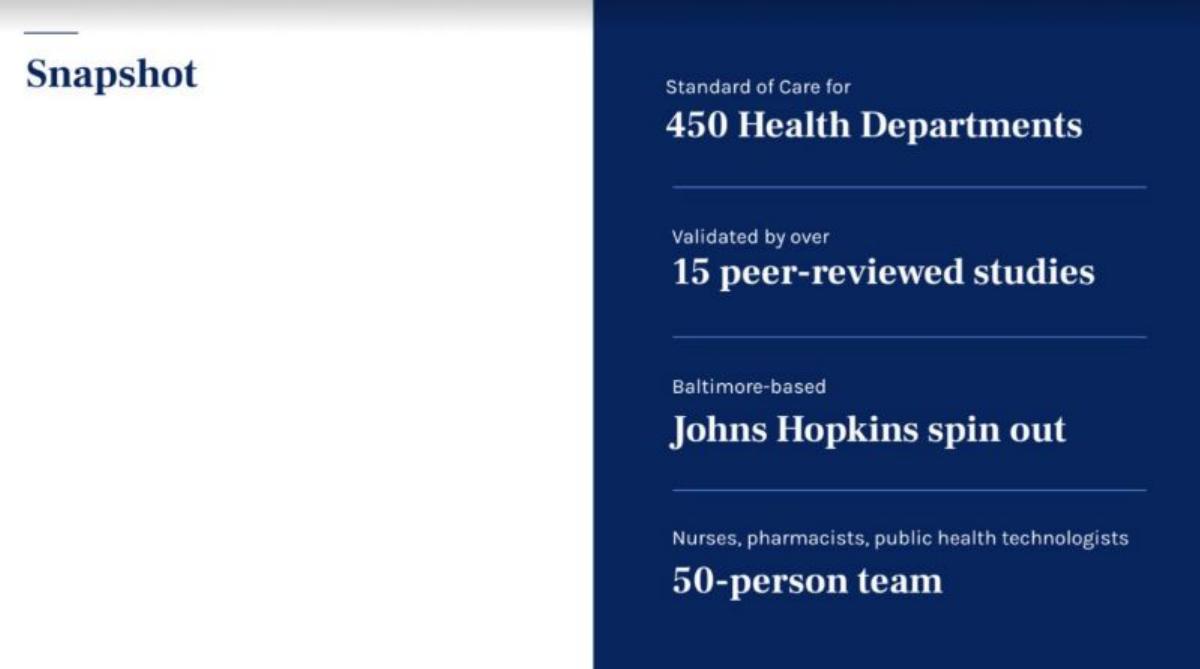
- The company is a Johns Hopkins spin-out with a 50-person team including nurses and pharmacists (Slide 2).
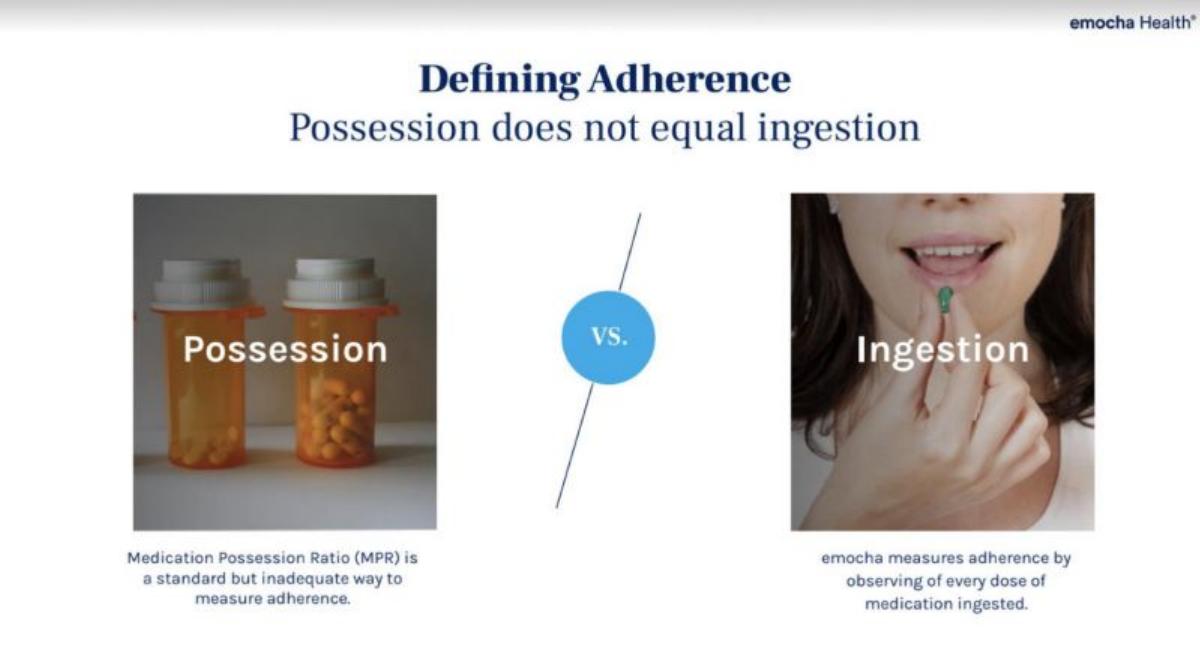
- Emocha differentiates itself by measuring 'ingestion' via video rather than 'possession' via pharmacy records (Slide 4).
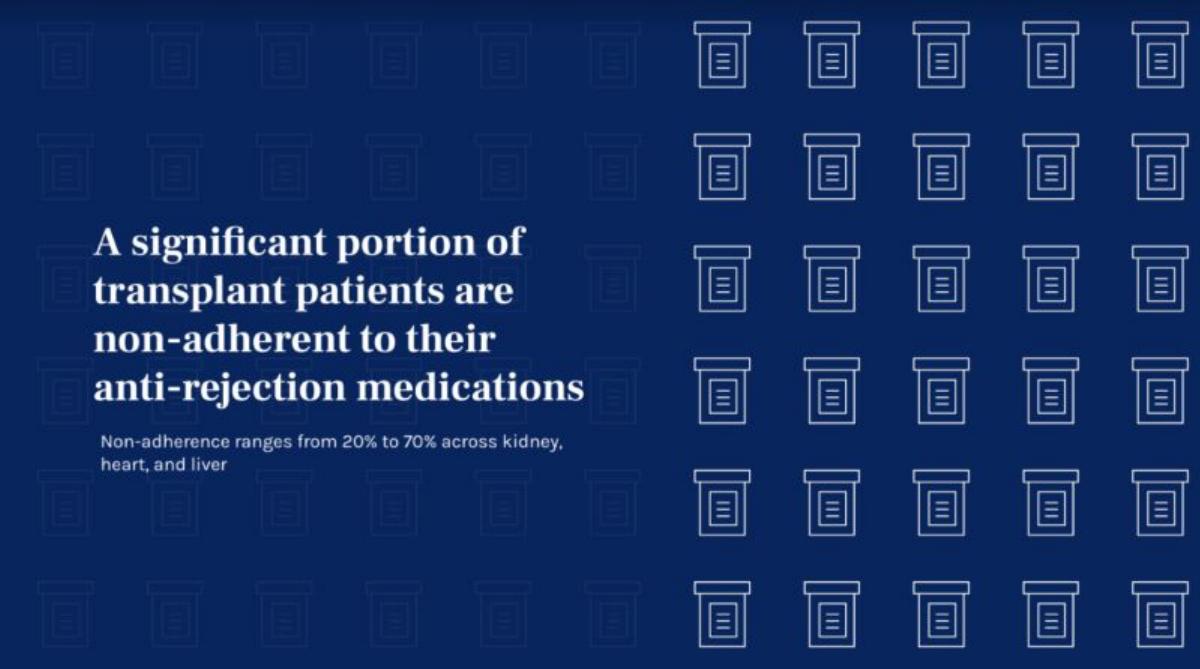
- Non-adherence in transplant patients ranges from 20% to 70% across kidney, heart, and liver cases (Slide 5).
- Hospitalization costs from rejection episodes are cited as ranging from $4,000 to $11,000 (Slide 6).
- The platform includes a patient-facing app available in 22 languages with features like symptom capture and financial incentives (Slide 10).
- Clinical evidence shows adherence rates of 92-95% for Tuberculosis and 98% for Hepatitis C (Slide 12).
- The company lists six major transplant partners, including the University of Virginia and the University of Miami (Slide 16).
- Analytics show a 92% average adherence rate for currently active patients across a sample of 75 total enrollments (Slide 17).
Executive Summary and The 'Why'
Emocha Health’s pitch deck is a masterclass in clinical positioning. Rather than leading with market size or revenue growth, they lead with institutional credibility and a specific, high-stakes medical problem. As a Johns Hopkins spin-out, the company leverages its academic roots to frame medication adherence not just as a behavioral issue, but as a critical clinical failure point with massive economic consequences.
Slide 1: Title Slide
The deck opens with the tagline "Support every patient at every dose." The imagery shows a healthcare provider interacting with a patient, emphasizing the human element of their digital solution. Contact information and social handles are clearly displayed at the bottom.
Slide 2: The Snapshot
This is a high-impact credibility slide. It establishes four key pillars: Emocha is the standard of care for 450 health departments, is validated by 15 peer-reviewed studies, is a Johns Hopkins spin-out, and has a 50-person team consisting of nurses, pharmacists, and public health technologists. This immediately answers the 'why you' question for an investor.
Slide 3: The Definition
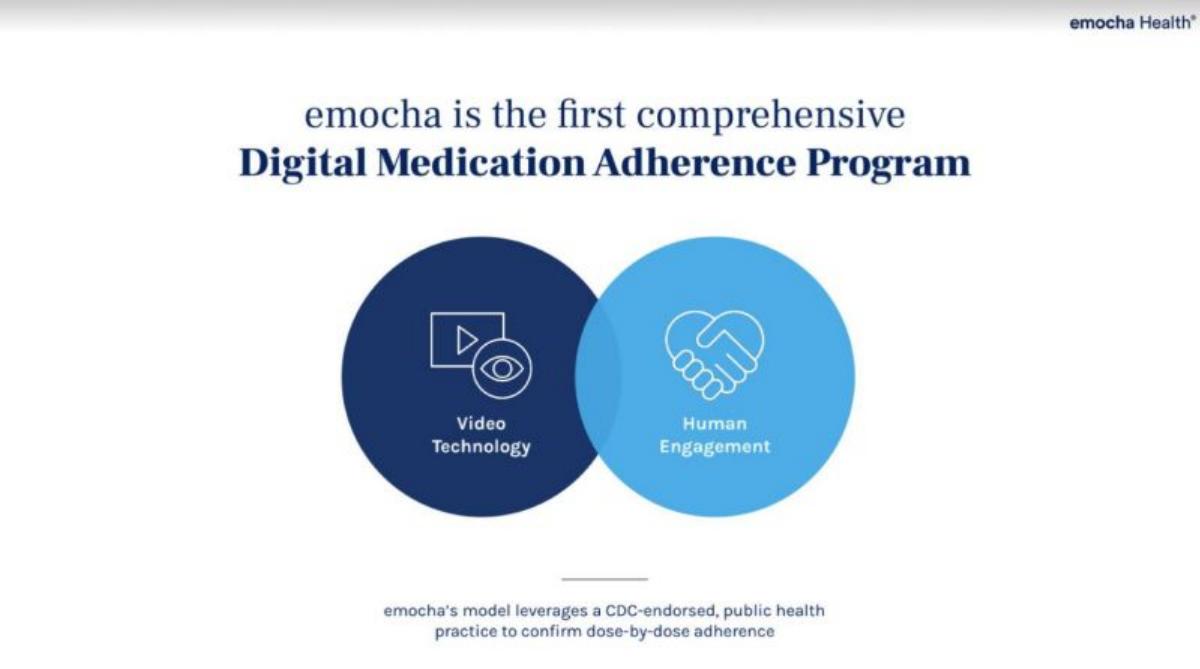
Emocha defines itself as the first comprehensive "Digital Medication Adherence Program." They use a simple Venn diagram to show the intersection of Video Technology and Human Engagement. A footnote mentions their model leverages a CDC-endorsed public health practice.
Slide 4: Possession vs. Ingestion
This is the most important conceptual slide in the deck. It challenges the industry standard "Medication Possession Ratio" (MPR). Emocha argues that just because a patient has the pills (possession) doesn't mean they are taking them (ingestion). They position their video observation as the only way to truly measure adherence.
Slide 5 & 6: The Transplant Problem
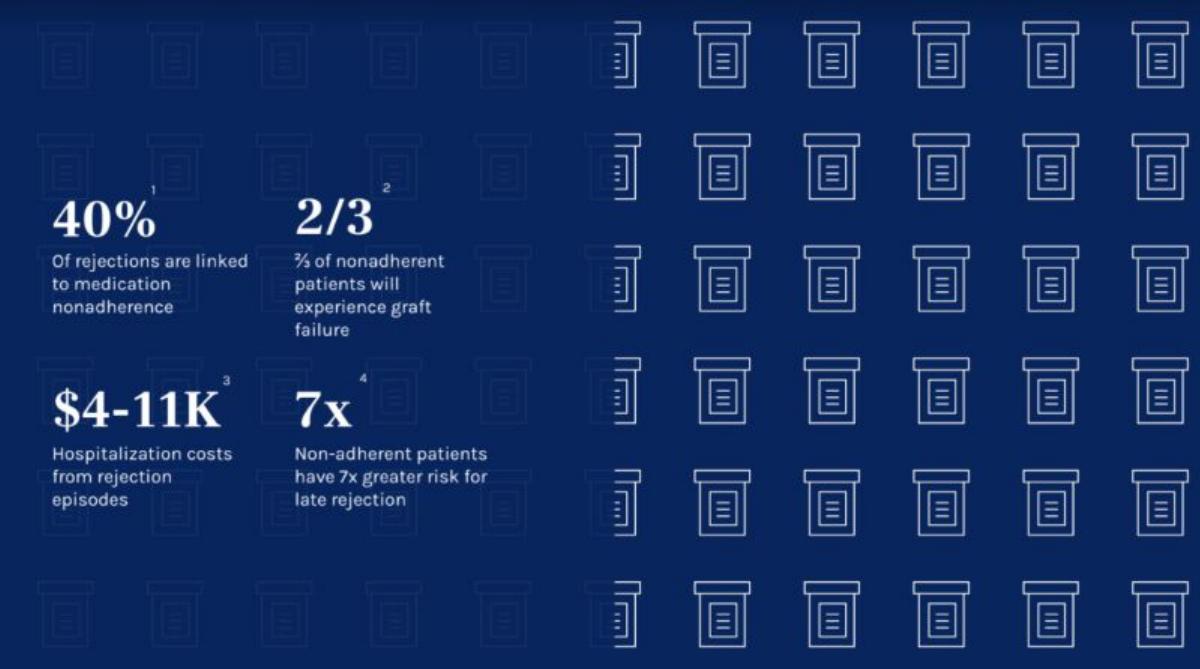
These slides narrow the focus to transplant patients. Slide 5 notes that non-adherence ranges from 20% to 70% in this group. Slide 6 provides the 'so what': 40% of rejections are linked to non-adherence, and hospitalization costs for these episodes range from $4,000 to $11,000. This builds the ROI case for payers and providers.
Slide 7: The Complexity of Challenges
A Venn diagram illustrates that post-transplant patients face a mix of Medication Problems (dosing, side effects), Social Determinants of Health (transportation, costs), and Human Behavior/Biases (forgetfulness, information avoidance). This slide justifies why a simple 'reminder app' isn't enough and why Emocha’s multi-faceted approach is necessary.
Slide 8: The Program Workflow
This slide visualizes the journey: a Pharmacist-led medication review, followed by 3 months of Daily Directly Observed Therapy (video), leading into ongoing support. It shows the faces of the pharmacist, coach, and nurse to reinforce the human-led nature of the tech.
Slide 9: Platform & Service Overview
This slide breaks down the three-sided nature of the platform: the Patient (mobile app), the Adherence Service (clinical team), and the Transplant Team (analytics and reporting). It shows the UI for both the mobile app and the clinical dashboard.
Slide 10: Patient-facing Mobile App
A detailed look at the app features. Key callouts include: Medication reminders, symptom capture, asynchronous and live video, in-app messaging, financial incentives, and support for 22 languages. The UI looks clean and modern, mimicking standard social video interfaces.
Slide 11: The Transitional Care Team
This slide details the roles of the human staff. Pharmacists handle reconciliation and education; Adherence Coaches review video check-ins and provide motivation; Registered Nurses provide clinical review of symptoms and liaise with the patient’s primary care team.
Slide 12: Clinical Evidence
This is a data-heavy proof slide. It shows adherence rates across different diseases: Tuberculosis (92-95%), Hepatitis C (98%), and Asthma (92%). It also notes a 73% reduction in ED visits for Asthma patients and a 50% reduction for Type 2 Diabetes patients. The logos of the NIH and CDC are used to anchor these results.
Slide 13: References
A rare but welcome slide in a startup deck. Emocha lists four specific academic citations from PubMed and NCBI to back up the statistics used in the previous slides. This reinforces the 'clinical-first' brand identity.
Slide 14: Reiteration of Vision
A repeat of the title slide imagery, serving as a transition to the final section of the deck.
Slide 15: Transplant Opportunities & Program Value
This slide summarizes the value proposition: minimizing avoidable costs, decreasing rejection likelihood, protecting the 'second chance at life,' and streamlining care coordination.
Slide 16: Vision & Partners
The vision is stated as making technology-enabled directly observed therapy the standard of care. The right side of the slide lists prestigious partners, including Johns Hopkins University, University of Virginia, and the National Institute of Diabetes and Digestive Kidney Diseases.
Slide 17: Analytics Dashboard
This slide shows actual data from a cohort of 75 patients. It highlights a 92% average adherence rate and shows that 6.8% of patients required escalation. The charts show 'Dose-Timeliness Adherence Trends' and a breakdown of 8,456 observed video check-ins. This proves the system is operational and generating actionable data.
Slide 18: Scalable Messaging Protocols
The final content slide shows the communication interface. It highlights 'suggested' messages for coaches (e.g., motivational, clinical issue, protocol issues), suggesting that Emocha has a playbook for patient interaction that goes beyond simple chatting.
What Works in This Deck
Clinical Credibility: The constant referencing of peer-reviewed studies and institutional partners makes the solution feel 'vetted' rather than just another health-tech experiment. · Problem Specificity: By focusing on transplant patients, they identify a high-cost, high-risk niche where the ROI of their intervention is easy to calculate. · Product Clarity: The distinction between 'possession' and 'ingestion' is a powerful way to frame their competitive advantage.
What Is Missing
Business Model: There is no mention of how Emocha makes money. Is it a per-patient-per-month fee? A percentage of cost savings? A licensing fee for the software? · Market Size: While they focus on transplants, they don't quantify the Total Addressable Market (TAM) or explain how they scale into other chronic conditions. · Financials and Ask: The deck lacks a slide on current revenue, burn rate, or the specific amount of capital they are looking to raise. · Competition: There is no mention of other adherence solutions (smart pill bottles, other video apps, or traditional pharmacy-led programs).
Founder Takeaways
Lead with evidence if you have it. If your startup is in a regulated or high-stakes industry like healthcare, your clinical data is more important than your UI. Emocha spends nearly half the deck proving their system works before they even show the app. Identify the 'Gap' in current metrics. Emocha’s best slide is the one that explains why the current industry standard (MPR) is flawed. If you can prove that the way your industry currently measures success is wrong, you create an immediate need for your solution. Human + Tech is a winning combo for services. Investors are often wary of pure service businesses because they don't scale, but they are also wary of pure tech in healthcare because patients need empathy. Emocha frames their human team as a 'Transitional Care Team' that 'amplifies' the tech, making it feel like a scalable hybrid model.
Frequently asked questions
- What is Emocha's core product?
- Emocha is a Digital Medication Adherence Program that combines video technology with human engagement. Patients use a mobile app to record themselves taking their medication. These videos are then reviewed by a clinical team—including pharmacists, nurses, and adherence coaches—to confirm ingestion and provide ongoing support and symptom management.
- How does Emocha validate its clinical claims?
- The deck relies heavily on external validation, citing over 15 peer-reviewed studies. Slide 12 specifically highlights data from partners like the NIH and CDC, showing adherence rates above 90% for Tuberculosis, Hepatitis C, and Asthma. They also provide four specific academic references on Slide 13 to support their claims regarding transplant patient outcomes.
- Who are the primary users and customers for Emocha?
- While the patients are the end-users of the mobile app, the 'customers' or partners are health departments (450 currently served) and transplant teams at major universities. The platform provides these teams with analytics and reporting to help them manage high-risk populations more effectively post-discharge.
- What problem is Emocha trying to solve in the transplant market?
- The deck identifies that 40% of organ rejections are linked to medication non-adherence. Non-adherent patients have a 7x greater risk for late rejection, and 2/3 of these patients will experience graft failure. Emocha aims to minimize these avoidable costs and protect the 'second chance at life' for transplant recipients.
- What key information is missing from this pitch deck?
- The deck is missing several standard venture capital components. There is no slide detailing the business model (pricing/revenue streams), no financial projections or historical growth data, no competitive landscape analysis, and no 'Ask' slide specifying how much capital they are raising or how they intend to use it.