The Enchanted Diamonds pitch deck is an outlier in the world of startup fundraising due to its extreme minimalism. Spanning 16 slides, the deck contains fewer than 100 words in total. It eschews traditional elements like team bios, competitive matrices, and product screenshots in favor of large-font declarations and isolated financial figures. Despite the lack of detail, the deck manages to convey significant traction, including $2,100,000 in 2013 sales and a projected $4,500,000 run rate for 2014. This approach assumes a high level of verbal engagement from the founders, as the slides themse…
Key takeaways
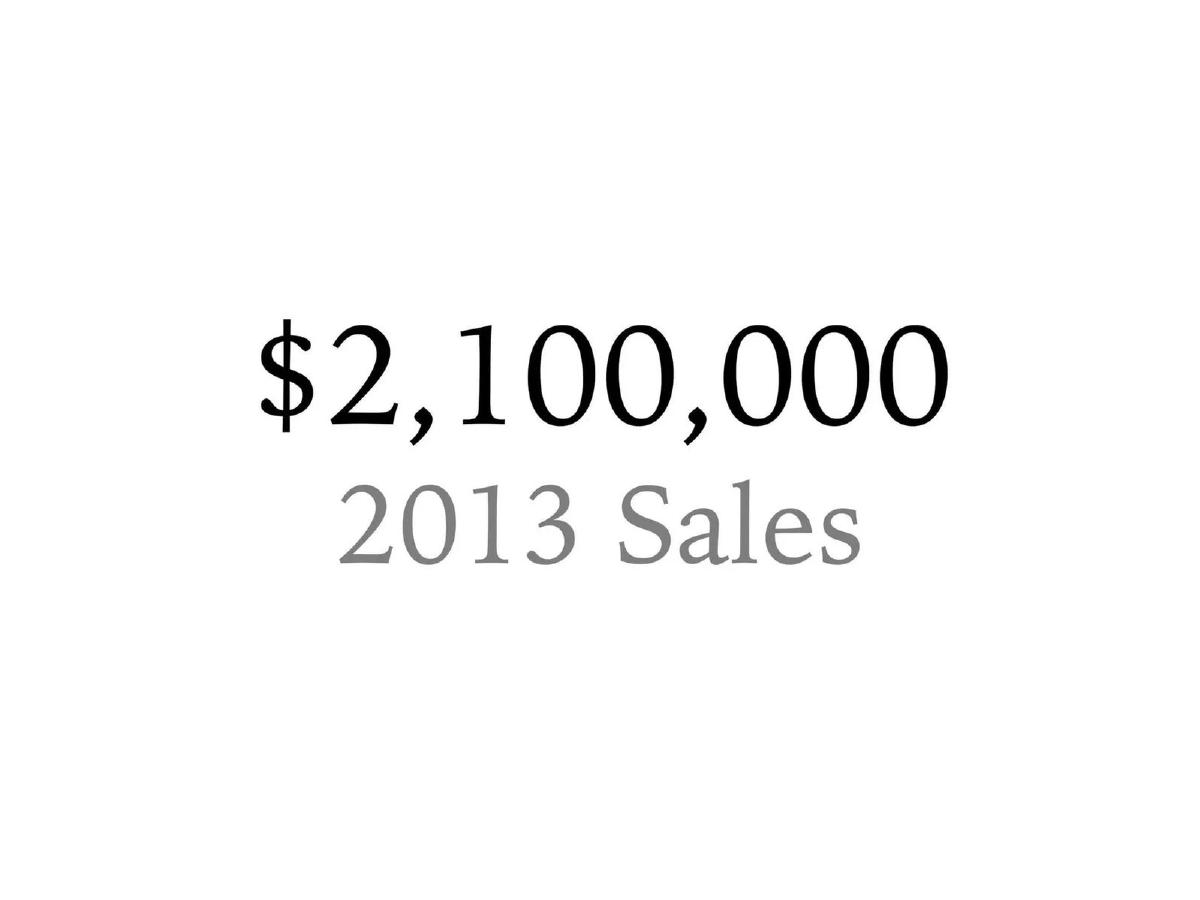
- The deck reports significant early traction with $2,100,000 in sales for the year 2013 (Slide 3).
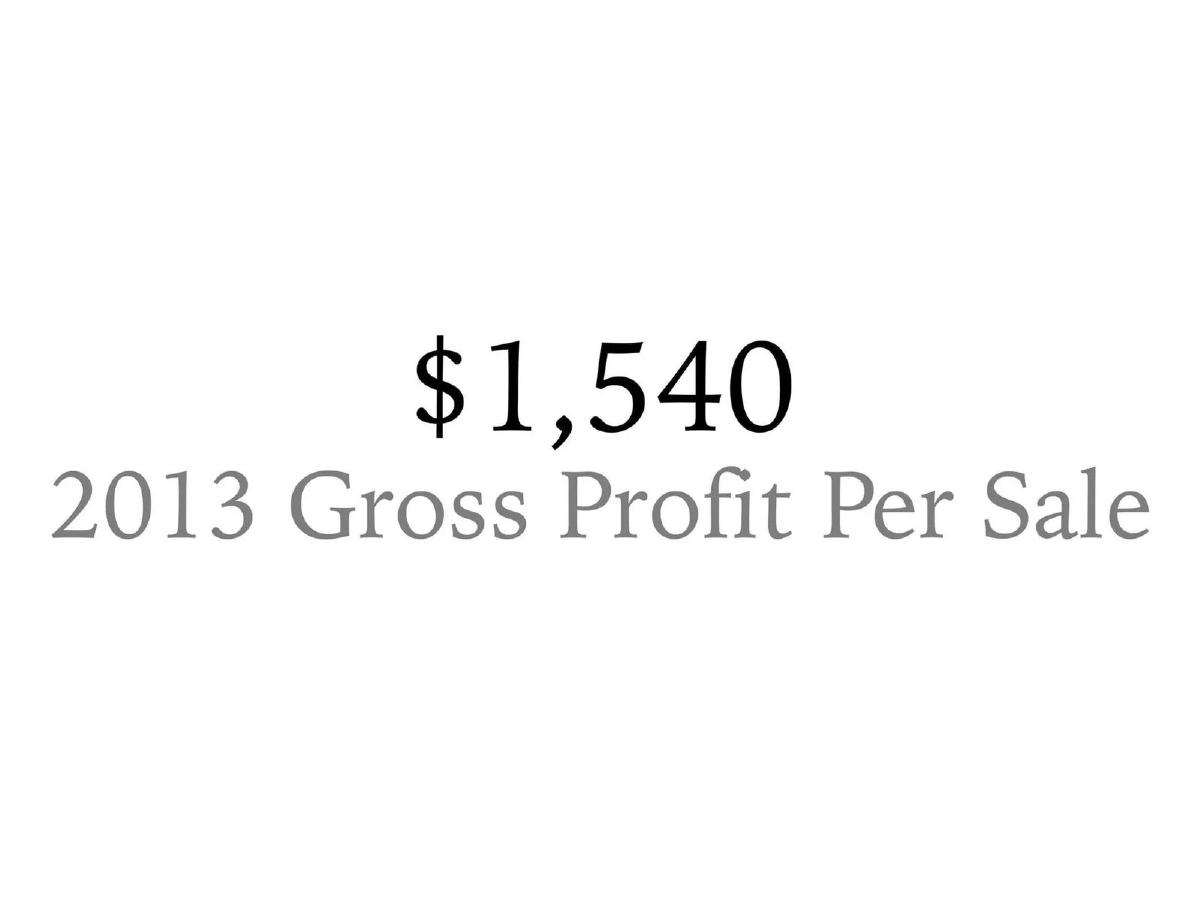
- Unit economics are highlighted by a gross profit of $1,540 per sale (Slide 4).
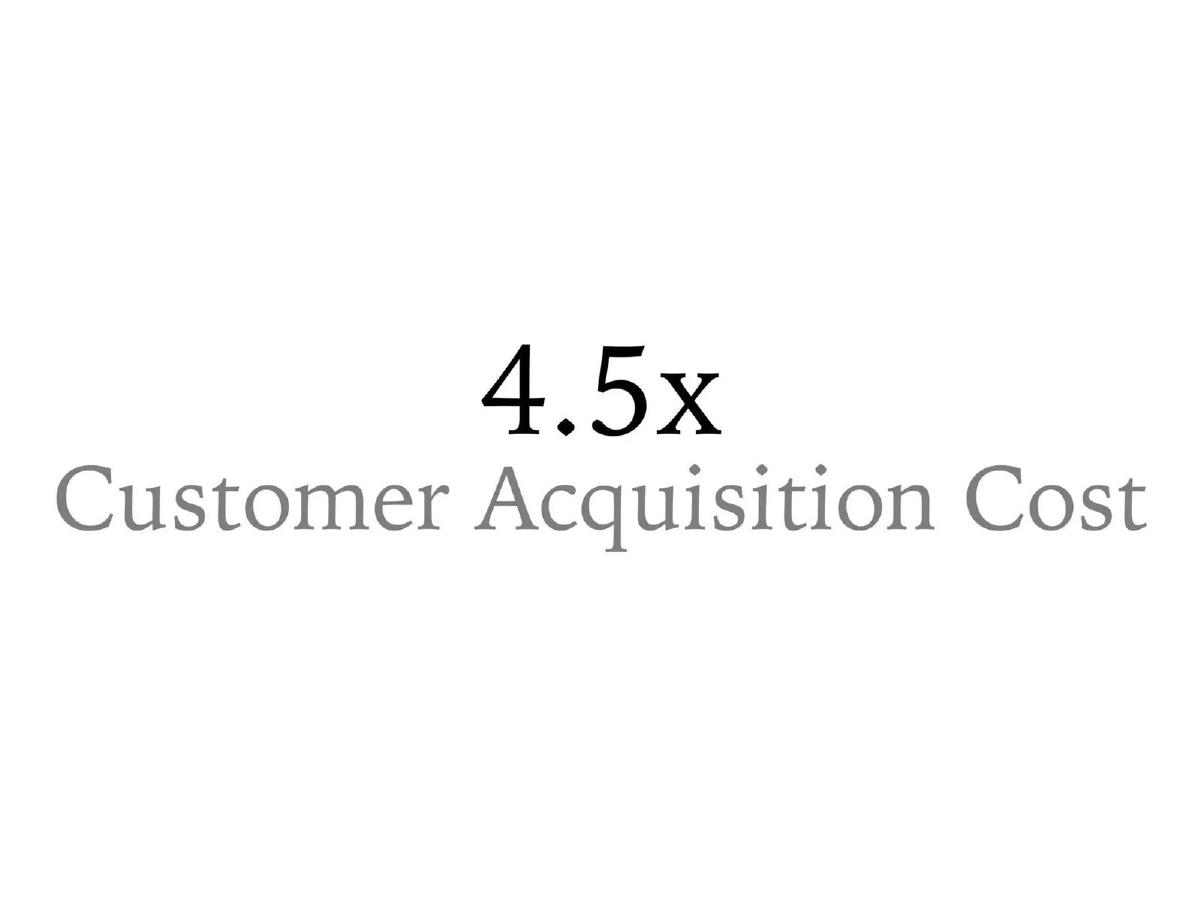
- The company claims a 4.5x return on Customer Acquisition Cost, though the specific timeframe is not defined (Slide 5).
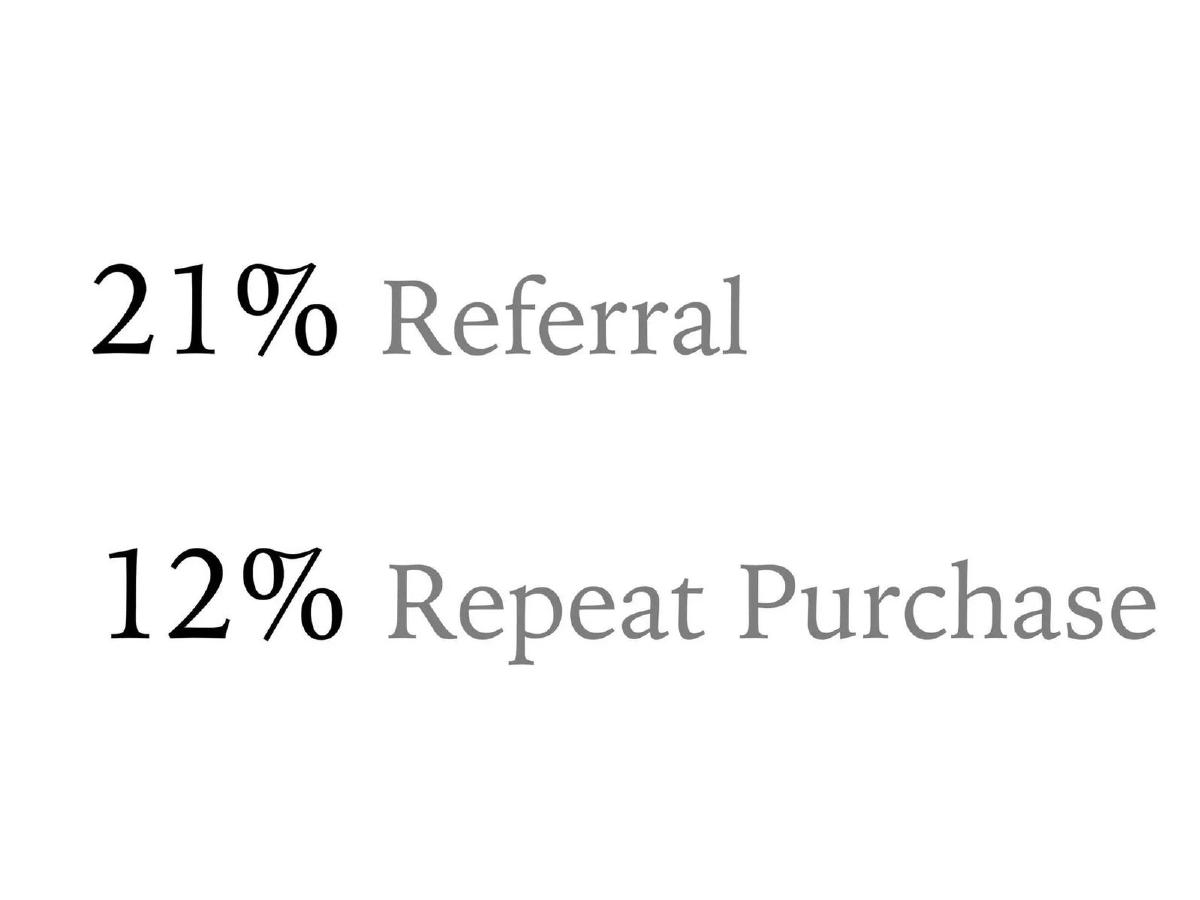
- Customer loyalty is quantified at a 21% referral rate and a 12% repeat purchase rate (Slide 6).
- The business was scaling rapidly, projecting a $4,500,000 run rate for 2014 (Slide 7).
- The deck utilizes 3D printing as a core technological differentiator for their rings (Slide 12).
- Crucial investor information, including the specific funding ask and team backgrounds, is entirely omitted from the slides.
- The presentation relies on a 'Handholding Customers' service model to bridge the online-offline gap (Slide 13).
The Ultimate Minimalist Pitch
The Enchanted Diamonds pitch deck, dating from 2012, is a fascinating artifact of the 'less is more' school of design. In an era where many decks are cluttered with dense charts and exhaustive competitive analysis, this 16-slide presentation takes the opposite extreme. It contains almost no imagery, no charts, and no paragraphs. Instead, it relies on large-serif typography and isolated statistics to tell a story of a traditional industry being disrupted by modern e-commerce and technology.
Slides 1-2: Branding and Thematic Setup
The deck opens with a clean title slide featuring the company logo and the text "Est. 1874" (Slide 1). This is a critical piece of information that establishes immediate credibility; it signals that while the startup might be new in its digital form, it is backed by over a century of industry expertise. Slide 2 follows with the iconic phrase "DIAMONDS ARE FOREVER," setting a classic, high-end tone for the presentation.
Slides 3-7: The Traction and Economics
This section is the meat of the deck, though it is presented with extreme brevity. Slide 3 displays a single figure: "$2,100,000 2013 Sales." This is followed by Slide 4, which notes a "$1,540 2013 Gross Profit Per Sale." These two slides together establish that the business is not just generating revenue, but doing so with significant margins—a necessity in the luxury jewelry space.
Slide 5 introduces a marketing efficiency metric: "4.5x Customer Acquisition Cost." While the slide doesn't specify if this is an LTV/CAC ratio or a return on ad spend, the 4.5x figure is generally considered healthy for a growing e-commerce brand. Slide 6 provides evidence of customer satisfaction and organic growth, citing a "21% Referral" rate and a "12% Repeat Purchase" rate. For a product as infrequent as an engagement ring, a 12% repeat purchase rate is notably high, suggesting the brand successfully expanded into other jewelry categories. This section concludes with Slide 7, projecting a "$4,500,000 2014 Run Rate," signaling a doubling of the business year-over-year.
Slides 8-10: The Problem and The Team
Slide 8 is perhaps the most frustrating slide for an analyst: "All-Star Team." It contains no names, no logos of former employers (like Google or Goldman Sachs), and no headshots. It relies entirely on the presenter to fill in the blanks. Slide 9 identifies the core problem with the blunt statement: "Buying an engagement ring sucks." Slide 10 offers the counter-narrative: "We make it easy."
Slides 11-13: The Solution and Technology
The deck moves into the 'how' of the business. Slide 11 highlights "Diamond Curation," implying a selective process that removes the overwhelming nature of traditional diamond shopping. Slide 12 introduces a technological edge: "3D Printed Rings." This suggests a lean manufacturing process where custom designs can be prototyped rapidly. Slide 13, "Handholding Customers," emphasizes the service-heavy nature of the business, which is further supported by a URL for customer reviews.
Slides 14-16: The Conclusion
The final slides are purely conversational. Slide 14, "Ask us what's next," serves as a transition to the Q&A portion of a live pitch. Slide 15 repeats the brand name and slogan, and Slide 16 provides a generic contact email: "Founders@enchanteddiamond.com."
What Works
The primary strength of this deck is its unapologetic focus on traction . By putting the $2.1 million sales figure and the $1,540 profit per sale on their own slides, the founders ensure that these numbers are the only things an investor remembers. The typography is elegant and fits the luxury sector, and the 4.5x CAC metric suggests a team that understands unit economics. The mention of 3D printing (Slide 12) is a smart way to signal that this isn't just a jewelry store, but a tech-enabled platform.
What is Missing
This deck is missing almost every standard component of a professional pitch. There is no team slide (Slide 8 is a placeholder), no competitive landscape , no market size (TAM) analysis , and no product screenshots . Most importantly, there is no 'Ask' slide . An investor viewing this deck asynchronously would have no idea how much capital the company is seeking or what they plan to do with it. The lack of a 'Why Now' slide—explaining why 2012 was the right time for this specific model—is also a notable omission.
What a Founder Should Copy
Founders should emulate the clarity of the financial slides . If you have a strong gross profit per unit or a high referral rate, giving those metrics their own slide makes them feel monumental. The use of a legacy date ("Est. 1874") is also a powerful way to build trust instantly. However, founders should only use a deck this minimal if they are presenting in person and have a very compelling verbal narrative to fill the massive gaps left by the slides. As a standalone document, this deck would likely fail to secure a follow-up meeting because it leaves too many fundamental questions unanswered.
Frequently asked questions
- What is the primary business model of Enchanted Diamonds?
- Based on the deck and catalogue facts, Enchanted Diamonds is an e-commerce platform for engagement rings that bridges the gap between online and offline shopping. They use GIA-educated staff and independent sales reps to provide a high-touch experience, supplemented by technological innovations like 3D printed rings to allow customers to customize their purchases.
- How much money did Enchanted Diamonds raise with this deck?
- The slides do not state a specific funding goal or 'ask.' While the catalogue facts identify this as a Seed round from 2012, the deck itself omits the amount being raised, the valuation, and the intended use of proceeds. This suggests the deck was likely used as a visual aid for a live presentation rather than a standalone document.
- What are the key financial metrics disclosed in the deck?
- The deck discloses four primary metrics: $2,100,000 in 2013 sales, a $1,540 gross profit per sale, a 4.5x Customer Acquisition Cost (CAC) efficiency, and a projected $4,500,000 run rate for 2014. These figures suggest a high-margin business with strong growth momentum at the time of the pitch.
- Who is on the Enchanted Diamonds founding team?
- The deck does not provide any information about the founders or employees. Slide 8 simply says 'All-Star Team' without names, photos, or prior experience. The catalogue listing mentions the company was established in 1874, implying a legacy family business background, but the deck fails to capitalize on this history visually.
- What is the '3D Printed Rings' mention referring to?
- Slide 12 lists '3D Printed Rings' as a feature. In the context of the jewelry industry, this typically refers to printing wax models of custom designs that are then used for lost-wax casting. This allows the company to offer bespoke designs at a lower cost and faster speed than traditional hand-carving methods.