The rapt.fm pitch deck, dating from 2012, is a 17-slide presentation that leans heavily on imagery and cultural touchstones rather than dense data. It positions the platform as a digital arena for freestyle rap battles, solving the 'barrier to entry' problem for aspiring artists who lack access to physical rap circles. The deck is notable for its 'show, don't tell' approach, utilizing numerous product screenshots to demonstrate a functional alpha/beta version. Key strengths include impressive early engagement metrics—specifically a 16-minute average visit duration—and a high-profile advisor l…
Key takeaways
- The deck uses a narrative arc to illustrate the 'outsider' problem in hip-hop culture (Slides 2-3).
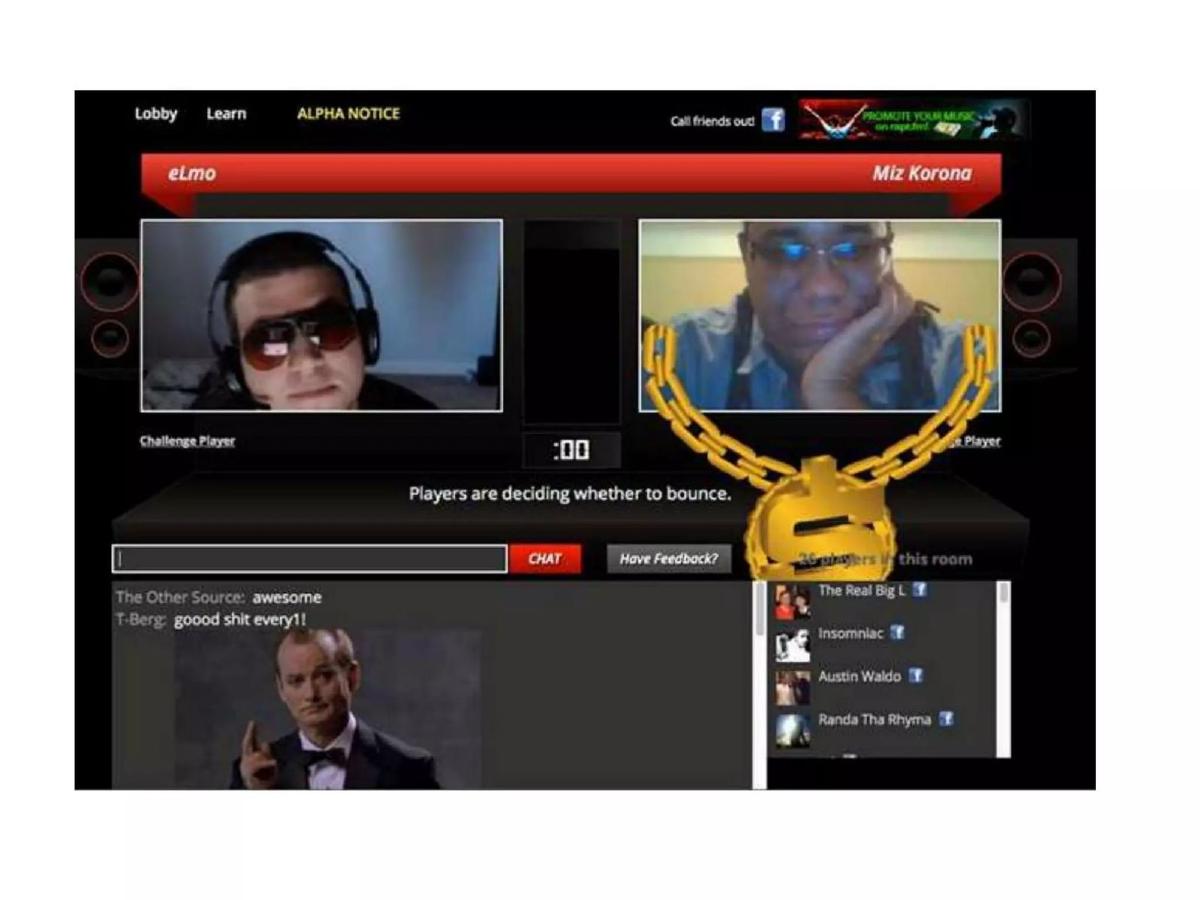
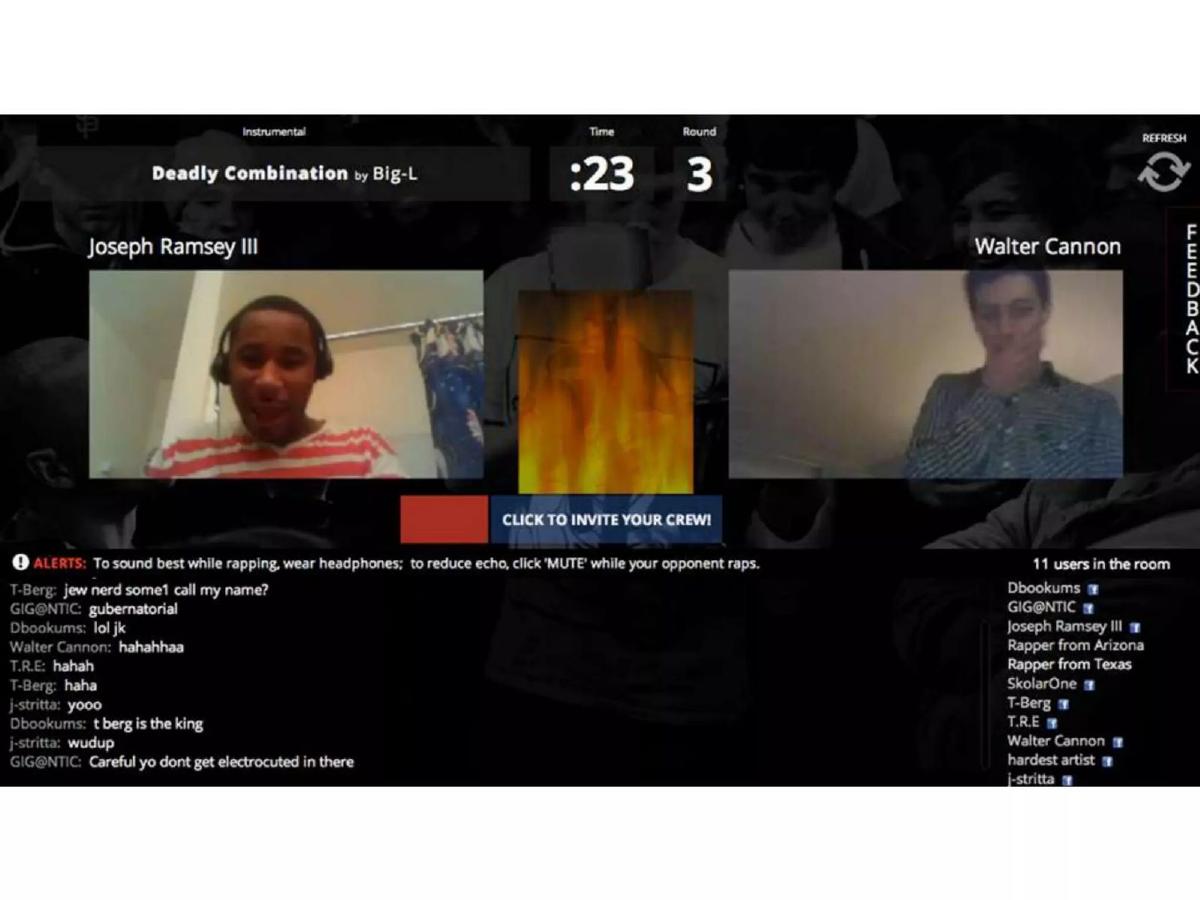
- Product screenshots demonstrate a live environment with features like a 'Hype Meter' and real-time chat (Slides 4, 6, 17).
- Beta stats show strong engagement with a 16-minute average visit and 56% growth (Slide 7).
- The platform claims to have successfully promoted artists to labels like Tommy Boy (Slide 7).
- The market size is defined as 500 million worldwide fans and 1 billion daily hip-hop related page views (Slide 13).
- The deck suggests an expansion beyond rap into general 'video debates,' using CNN and ESPN imagery as proxies (Slides 10-12).
- The team slide highlights previous experience at Seelio, HSX.com, and Barstool Sports (Slide 14).
- Advisor and investor logos include high-profile names like Nas, Rap Genius, and Dan Gilbert (Slide 15).
Introduction: The Visual Pitch for a Digital Cypher
The rapt.fm pitch deck from 2012 is a product of its time, reflecting the early 2010s trend of minimalist, image-heavy presentations. At 17 slides, it attempts to capture the energy of hip-hop culture and translate it into a scalable web platform. The company describes itself as a place to freestyle with top rappers and engage in one-on-one battles. This teardown examines how the founders balanced cultural authenticity with the metrics required to attract seed-stage investors.
Slides 1-3: The Narrative Hook
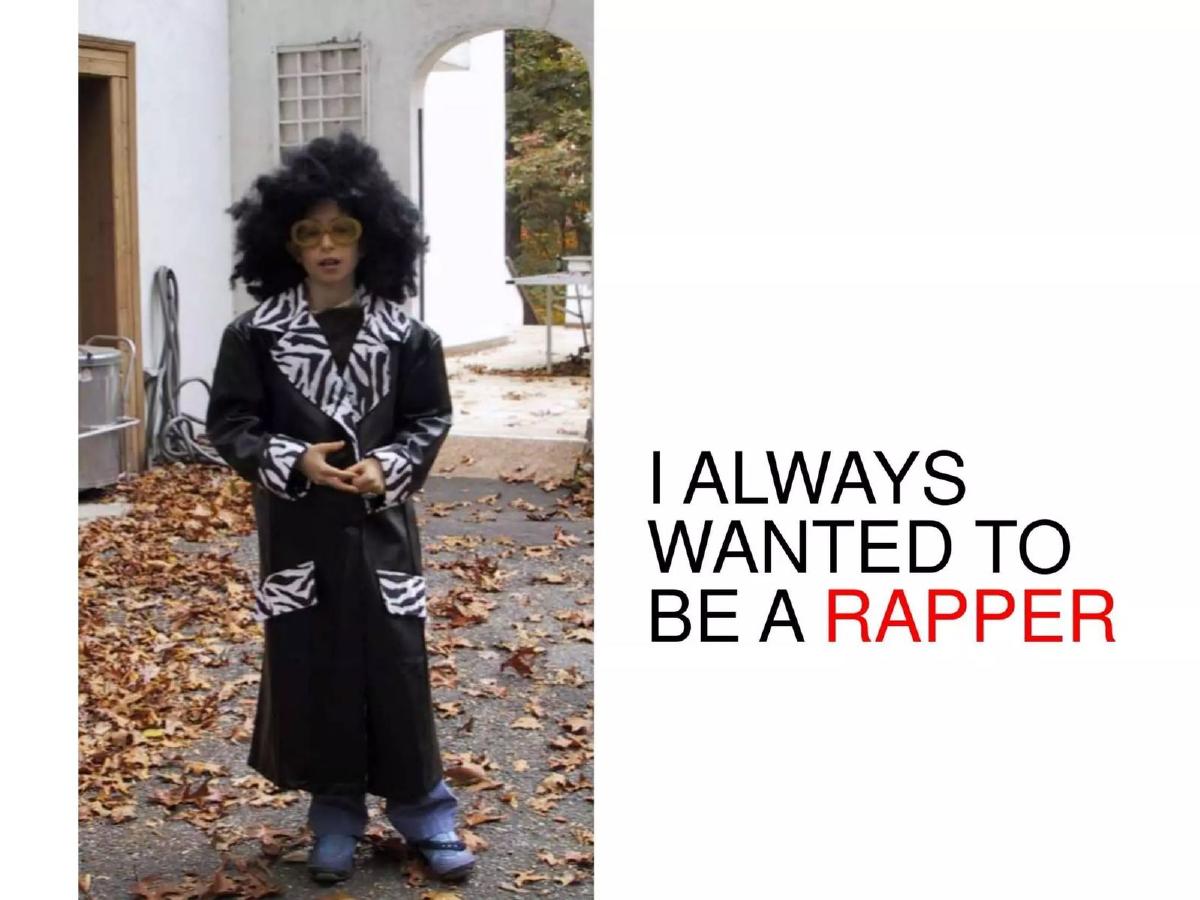
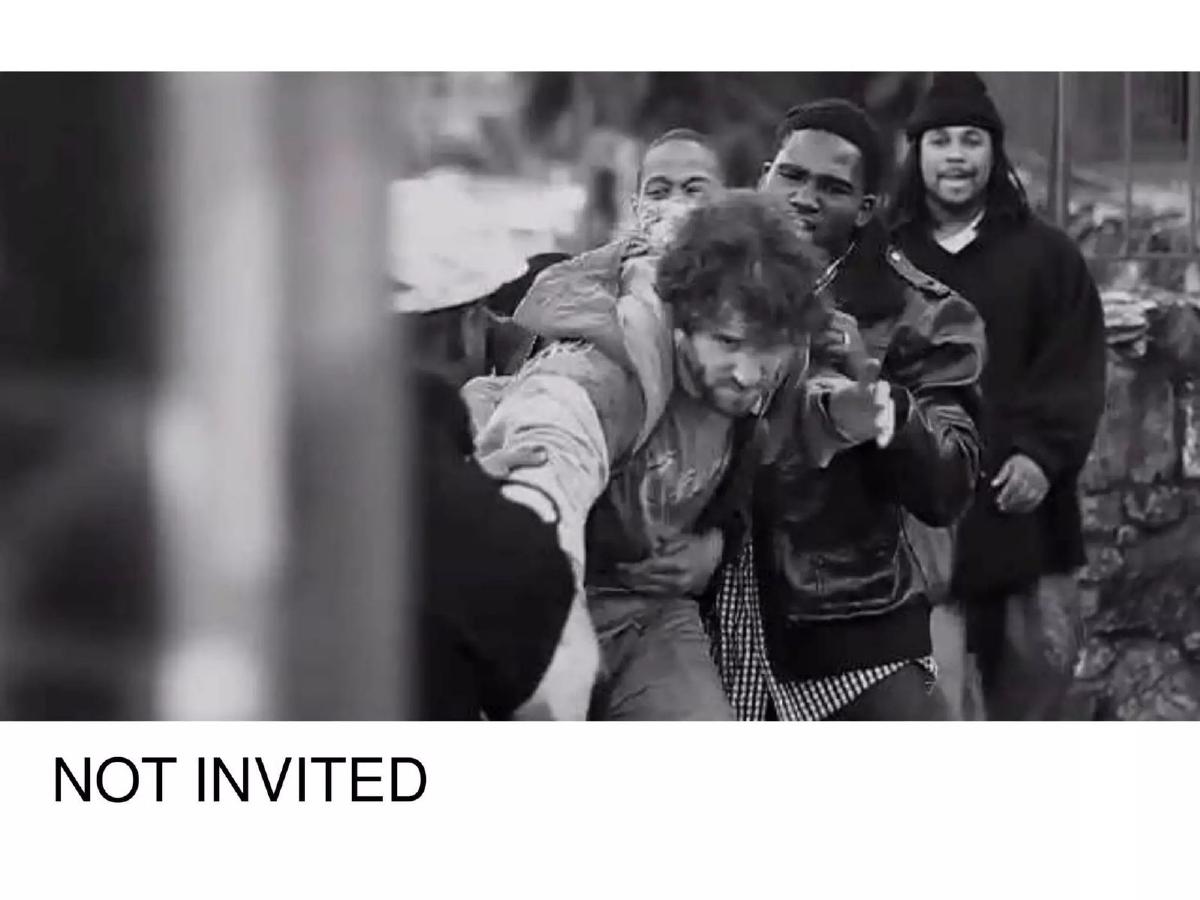
Slide 1 serves as the title card, establishing the brand identity with the tagline "Rap Battles and Video Debates." The background image of a crowded room sets a social, high-energy tone. Slide 2 and Slide 3 form a two-part narrative. Slide 2 features a photo of a child in a costume with the text "I always wanted to be a rapper," while Slide 3 shows a black-and-white image of a man being physically held back from a group, captioned "Not Invited." This is a classic 'Problem' sequence, identifying the barrier to entry in the rap world as the primary pain point the startup intends to solve.
Slides 4-6: Product Demonstration
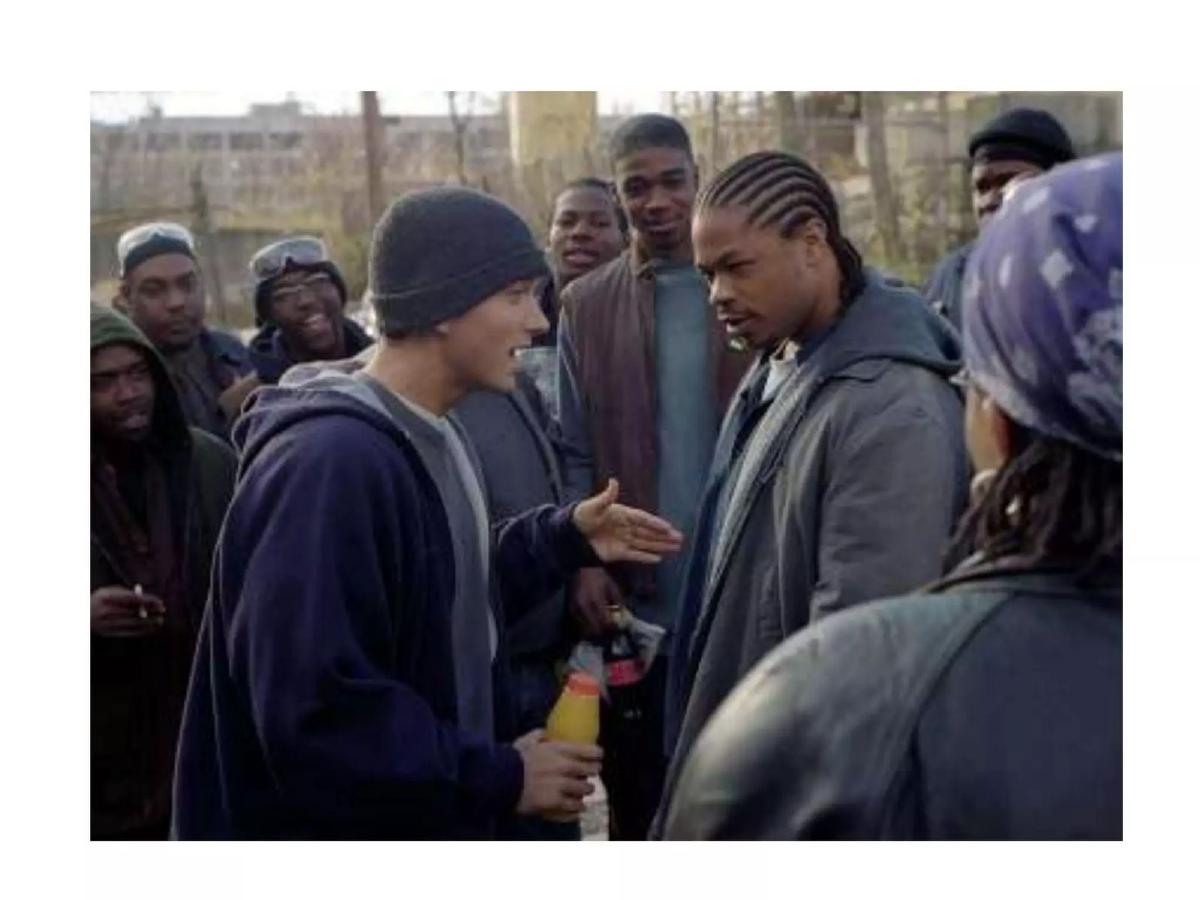
Instead of explaining features through bullet points, the deck uses Slide 4 to show a screenshot of the alpha version. The interface includes two video feeds, a chat box, and a 'gold chain' graphic overlay, signaling a gamified experience. Slide 5 is a cultural reference slide featuring a still from the movie 8 Mile , reinforcing the concept of the 'cypher' or rap circle. Slide 6 returns to the product, showing a live battle between "Joseph Ramsey III" and "Walter Cannon." The screenshot captures a real-time environment with 11 users in the room and active chat, proving that the technology was functional and attracting a baseline audience.
Slide 7: Traction and Validation
Slide 7 is the most data-dense slide in the deck, titled "Rapt Beta Stats." It highlights two key metrics: 56% Growth and a 16 Min Average Visit . In the context of 2012 social media, a 16-minute session duration is exceptionally high, suggesting deep user engagement. The slide also features the Tommy Boy label logo with the claim "Promoted artists to labels," providing qualitative proof that the platform could serve as a talent discovery engine for the music industry.
Slides 8-9: Feature Depth and Community
Slide 8 shows a user playing a guitar, suggesting that the platform's video capabilities were already being used for more than just rap. Slide 9 shows a battle between "Randa Tha Rhyma" and "Kyle K-Flow Flowers," where both participants are holding cats. The caption "Randa Tha Rhyma won with 1 hollas!" introduces the platform's internal currency or voting mechanism ("hollas") and the "Props" button, which allows the audience to interact with the performers.
Slides 10-12: The Expansion Strategy
This section represents a significant shift in the deck's scope. Slide 10 shows a CNN debate between Newt Gingrich and Piers Morgan. Slide 11 shows Jon Stewart on The Daily Show , and Slide 12 features Stephen A. Smith and Skip Bayless on ESPN's First Take with the text "People love a great debate." By including these images, the founders are signaling to investors that rapt.fm isn't just a niche music app; it is a platform for the broader, multi-billion dollar market of televised and digital debates. This is an attempt to increase the perceived Total Addressable Market (TAM).
Slides 13-15: Market Size, Team, and Social Proof
Slide 13 quantifies the market opportunity, citing 500M worldwide fans and 1B hip-hop related daily page views . While these figures are broad, they establish the scale of the cultural vertical. Slide 14 introduces the team: Erik Torenberg, Jamie Pitts, Jarrett Abello, and Phil Fresh Simpson. The slide uses logos from previous employers like Seelio, Barstool Sports, and HSX.com to build professional credibility. Slide 15 is a powerful social proof slide, displaying photos and logos of advisors and investors. It includes Nas (the legendary rapper), Dan Gilbert (founder of Quicken Loans and owner of the Cleveland Cavaliers), and the founders of Rap Genius . Having Nas as an advisor provides the ultimate cultural validation for a rap-focused startup.
Slides 16-17: Community and Vision
Slide 16 shows a real-world photo of a rap cypher with a team member circled in red, emphasizing the founders' personal connection to the community they are building for. Slide 17 concludes the deck with a stylized mockup of the platform, featuring cartoon avatars as an audience and a "Hype Meter" between two combatants. This final image reinforces the gamified, spectator-sport nature of the product.
What Works in the rapt.fm Deck
The deck excels at visual storytelling . By using the "Not Invited" imagery early on, it creates an emotional connection to the problem. The inclusion of real product screenshots (Slides 4, 6, 9) is highly effective for a seed-stage company, as it removes any doubt about the team's ability to build a functional product. The engagement metrics on Slide 7 are the strongest part of the business case; a 16-minute average visit is a compelling indicator of 'stickiness' that most social platforms struggle to achieve. Finally, the advisor slide (Slide 15) is world-class for a seed round, leveraging the names of Nas and Dan Gilbert to provide instant institutional and cultural authority.
What is Missing from the rapt.fm Deck
The most glaring omission is a formal 'Ask' slide . The deck never specifies how much money the company is looking to raise or what milestones that capital will help them achieve. Furthermore, there is no business model or monetization strategy mentioned. While the deck hints at label partnerships, it doesn't explain how the platform will actually generate revenue (e.g., ads, subscriptions, virtual goods). There are also no financial projections or a roadmap for future product development. Finally, the transition from rap battles to general video debates (Slides 10-12) feels abrupt and is not supported by any data or specific plans on how to capture those different audiences.
What a Founder Should Copy
Founders should emulate the 'Show, Don't Tell' philosophy used here. Instead of describing the user experience, rapt.fm shows it through active chat logs and live video stills. The focus on a single 'hero' metric (the 16-minute visit) is also a smart move; in early-stage fundraising, one incredible metric is often more persuasive than five mediocre ones. Additionally, the way the deck leverages cultural icons as advisors is a textbook example of how to build trust in a niche market. If you are building a product for a specific subculture, having a 'kingmaker' from that culture on your advisor slide is worth more than any market size chart.
Conclusion
The rapt.fm deck is a high-energy, culturally resonant presentation that successfully proves product engagement and team credibility. While it lacks the structural rigor of a traditional financial pitch, its ability to demonstrate a live, growing community in a high-interest vertical likely made it a compelling proposition for the 2012 venture landscape. It serves as a reminder that at the seed stage, traction and team often outweigh detailed five-year spreadsheets.
Frequently asked questions
- What is the primary problem rapt.fm aims to solve?
- According to slides 2 and 3, the platform addresses the social and geographic barriers to entry for aspiring rappers. It uses the phrase 'Not Invited' alongside an image of a physical rap circle to suggest that many talented individuals are excluded from traditional, local hip-hop scenes. rapt.fm provides a digital space where anyone can participate regardless of their physical location or social connections.
- What evidence of product-market fit does the deck provide?
- Slide 7 provides 'Rapt Beta Stats' as evidence of early traction. It cites a 56% growth rate and an average visit duration of 16 minutes. Additionally, it claims the platform has already 'Promoted artists to labels,' specifically featuring the Tommy Boy logo. These metrics suggest that the platform was successful at retaining users and providing professional value to artists during its beta phase.
- How does the company plan to expand its scope?
- Slides 10, 11, and 12 indicate a strategic pivot or expansion into the broader category of 'video debates.' By showing images of political debates on CNN (Piers Morgan vs. Newt Gingrich) and sports debates on ESPN (First Take), the deck suggests that the underlying technology for head-to-head video rap battles can be applied to any form of competitive verbal exchange.
- Who are the key people involved in the project?
- Slide 14 lists the core team: Erik Torenberg (Seelio), Jamie Pitts (HSX.com), Jarrett Abello (Barstool Sports), and Phil Fresh Simpson (Detroit Institute of Arts). Slide 15 lists high-profile advisors and investors, including legendary rapper Nas, Dan Gilbert (Quicken Loans/Cleveland Cavaliers), and the founders of Rap Genius, providing significant industry credibility.
- What critical fundraising information is missing from this deck?
- The deck is missing several standard components required for a formal investment round. There is no 'Ask' slide specifying the dollar amount sought, no breakdown of the use of proceeds, no financial projections (revenue or expenses), and no explicit business model or monetization strategy. It functions primarily as a pitch for the product's cultural relevance and user engagement.