Appartmate’s pitch deck is a classic example of a high-energy, low-text presentation designed for a live competition environment like Startup Weekend. The company positions itself as 'Renting made social,' aiming to solve the friction of finding compatible roommates and quality housing. While the deck excels at establishing a relatable problem through visceral imagery (Slide 2) and defining a clear target market of 2 million students in Poland (Slide 7), it lacks the granular detail required for a formal seed round. It omits specific financial projections, unit economics, and a clear capital…
Key takeaways
- The company uses the tagline 'Renting made social' to differentiate from traditional real estate portals (Slide 1).
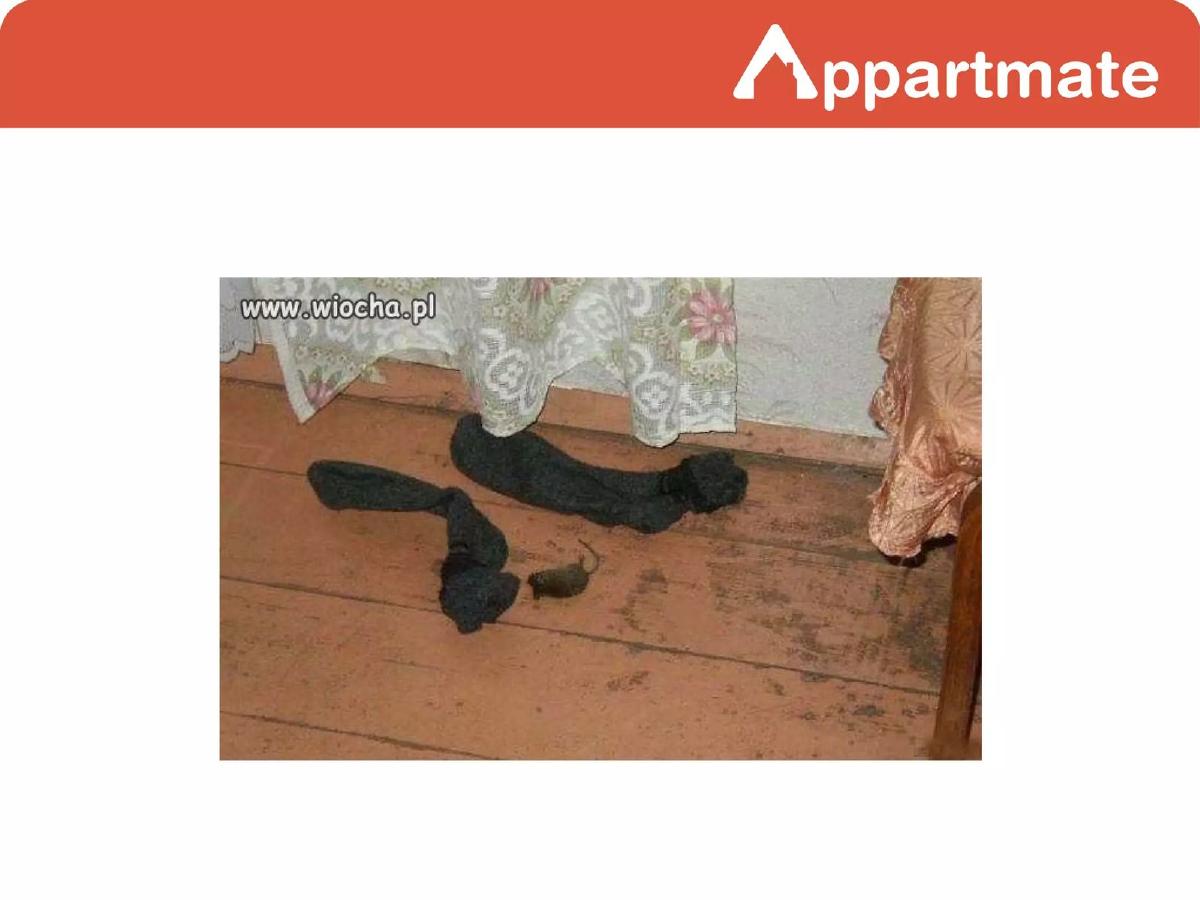
- A visceral image of a mouse and dirty socks is used to represent the pain point of poor living conditions (Slide 2).
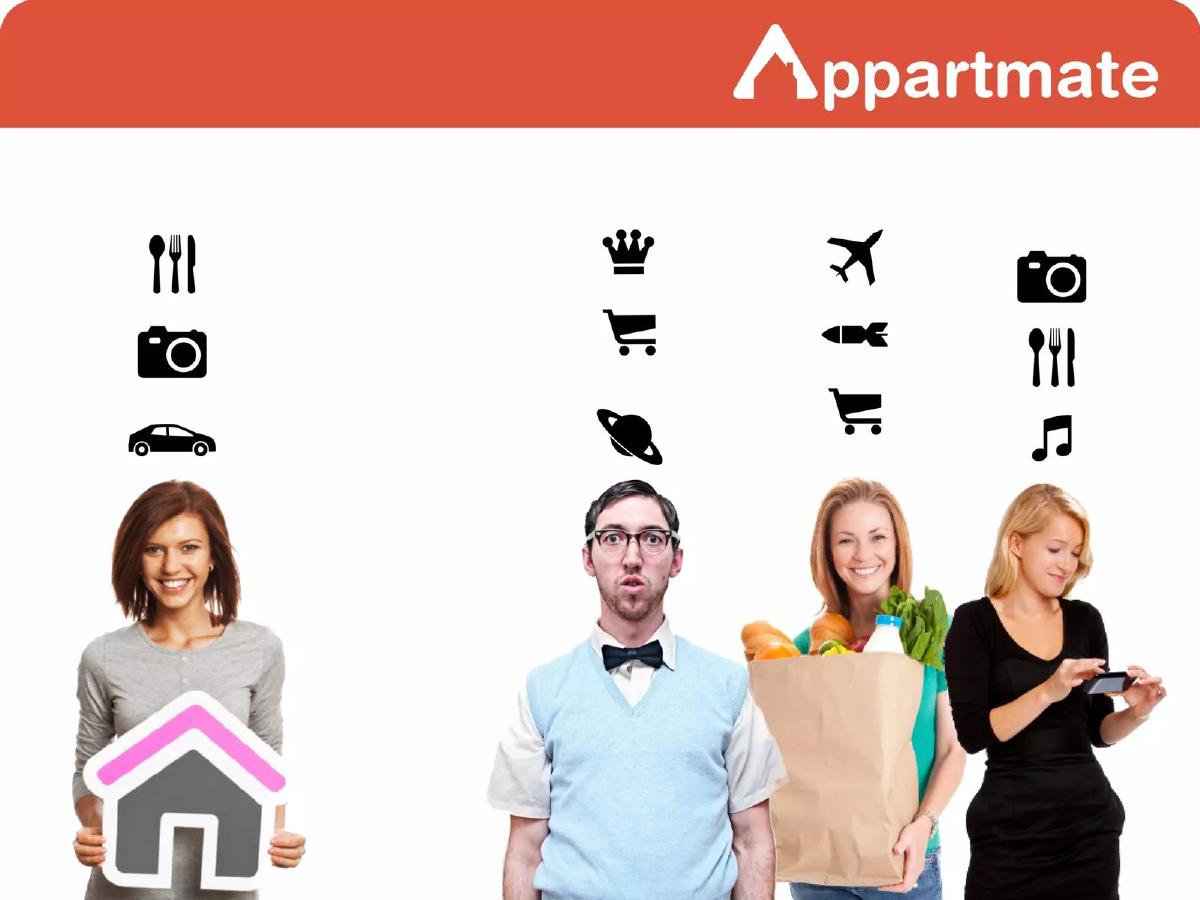
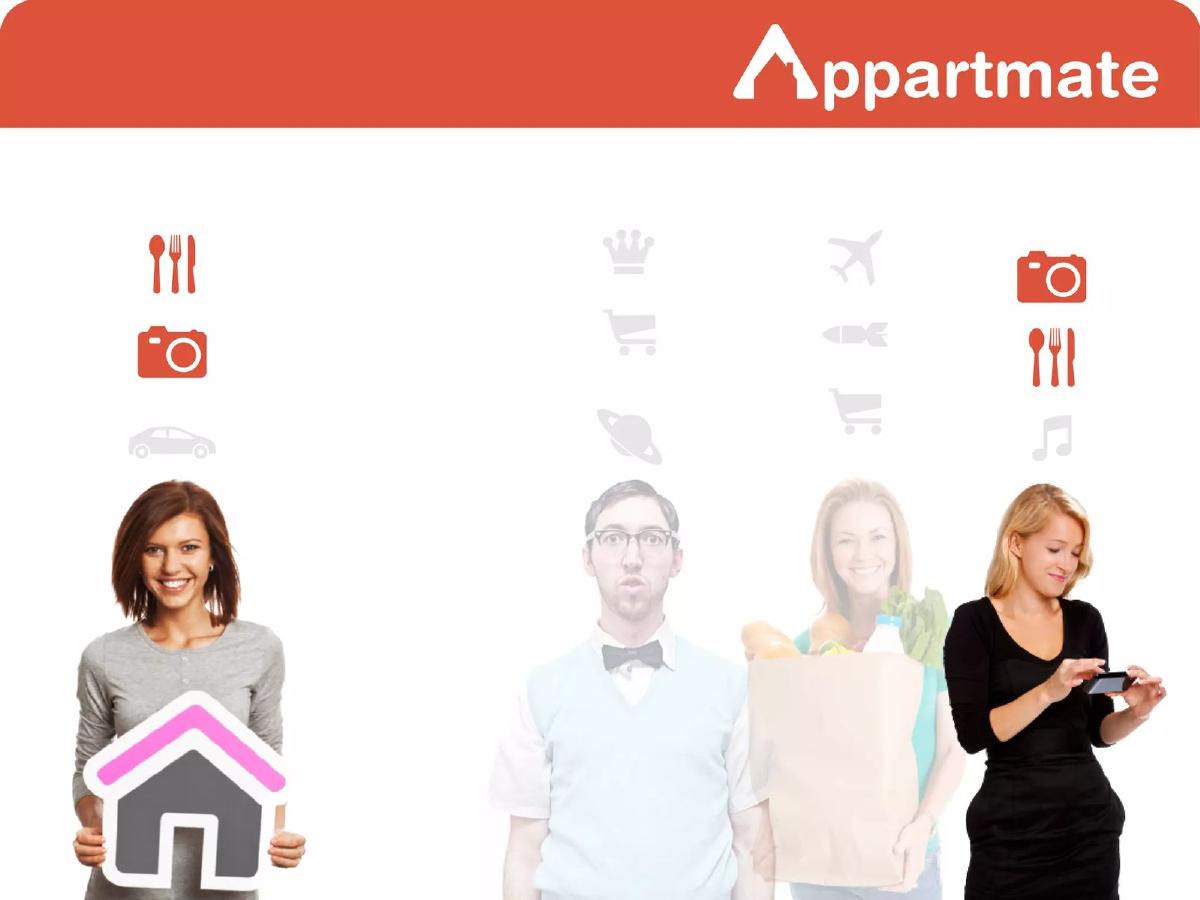
- The platform aims to match users based on lifestyle interests, represented by icons for travel, food, and music (Slide 3).
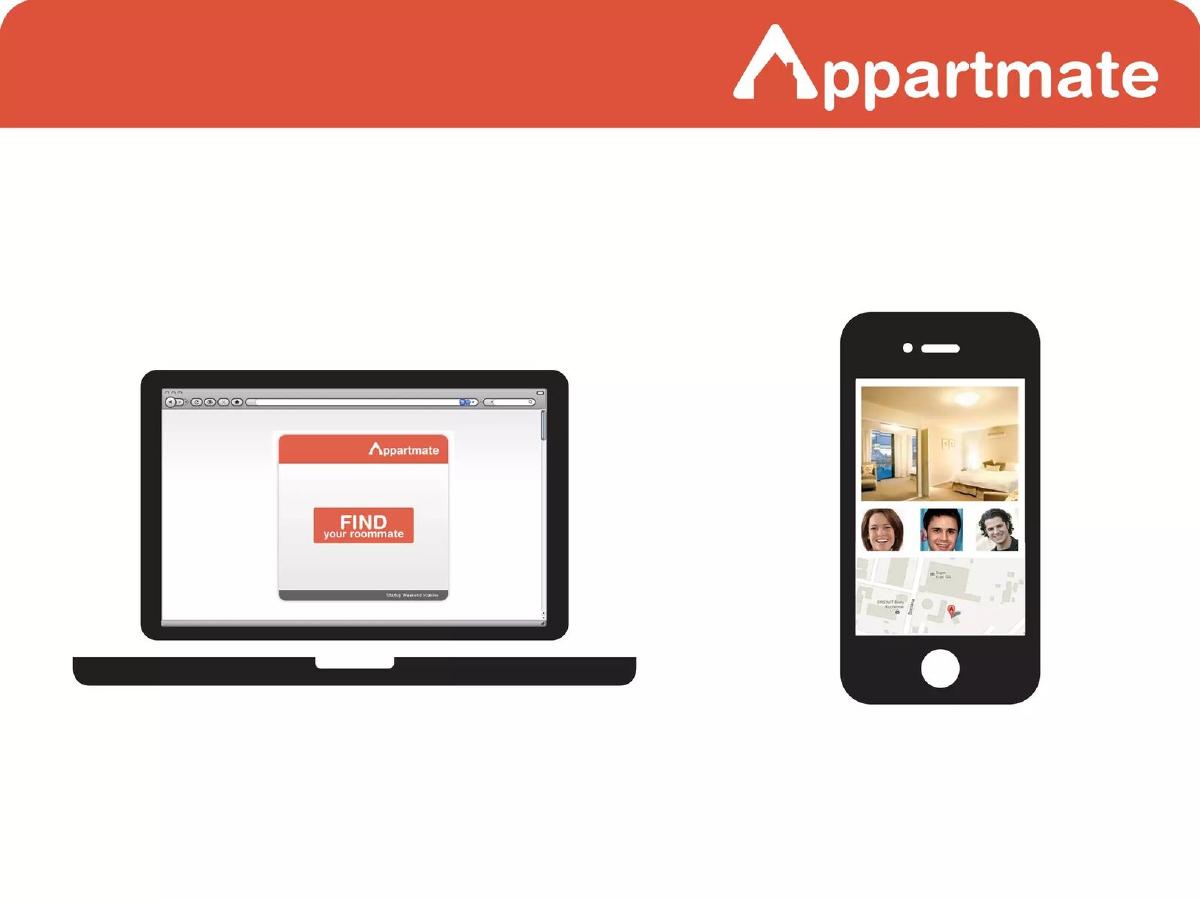
- The product vision includes both a web interface and a mobile application for real-time room discovery (Slide 6).
- The addressable market in Poland is defined by 7.5 million Facebook users and 2 million students (Slide 7).
- The revenue strategy relies on four pillars: highlighting offers, premium features, subscriptions, and partnerships (Slide 8).
- Marketing strategy focuses on social media, university partnerships, and print media (Slide 9).
- The founding team consists of four members covering Marketing, Development, PR, and Design/PM (Slide 10).
Appartmate Pitch Deck Teardown: Social Renting for the Polish Market
Appartmate’s presentation is a product of Startup Weekend Krakow, a high-pressure environment where founders have 54 hours to build a prototype and a pitch. Consequently, the deck is designed for a live audience, favoring large visuals over dense text. It attempts to bridge the gap between traditional real estate listings and social networking.
Slide 1: Title and Brand Identity
The deck opens with a clean, red-and-white color palette. The logo incorporates a stylized roof/mountain peak, and the tagline is explicitly stated: "Renting made social." The inclusion of social handles and a URL at the bottom suggests a ready-to-launch or recently launched MVP. This slide sets a professional, consumer-tech tone immediately.
Slide 2: The Problem Statement
Slide 2 is a classic 'shock' slide. It features a low-quality photo of a mouse next to dirty socks on a worn wooden floor. There is no text on this slide. In a live pitch, this serves as a visual shorthand for the 'nightmare roommate' or 'slumlord' scenario. It effectively anchors the audience in the emotional pain of the current rental experience in Poland.
Slide 3 & 4: The Solution - Interest Matching
These two slides use a 'build' animation style. Slide 3 shows four diverse individuals with various interest icons above their heads (travel, photography, music, groceries). Slide 4 then highlights specific individuals and icons, suggesting that the platform filters for compatibility. The message is clear: Appartmate isn't just about finding a room; it's about finding the right people to share that room with. By matching interests like 'photography' or 'travel,' the startup aims to reduce roommate turnover and conflict.
Slide 5: User Interaction Flow
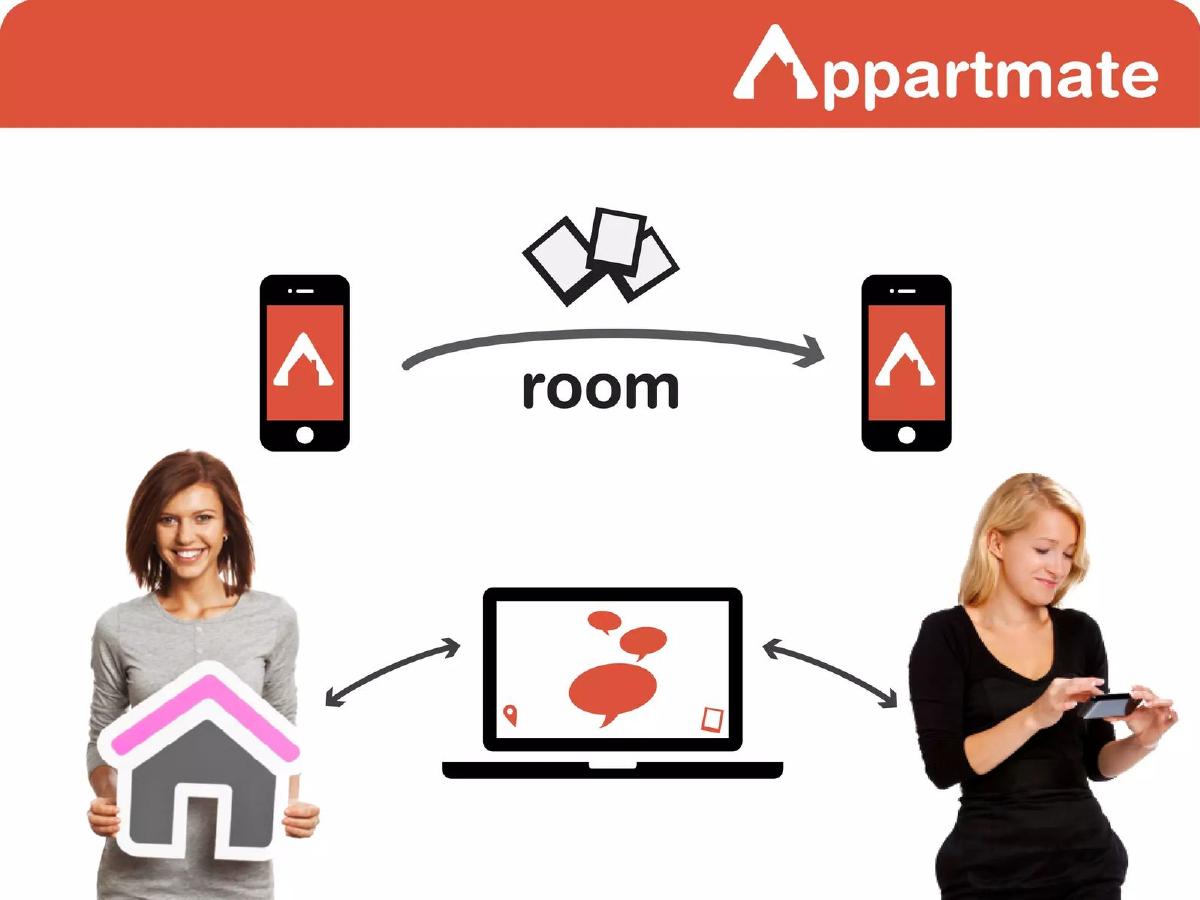
Slide 5 illustrates the connection between the 'room provider' (the woman on the left holding a house icon) and the 'room seeker' (the woman on the right using a smartphone). The central laptop icon with speech bubbles indicates that the platform acts as the communication layer. This slide establishes the two-sided marketplace nature of the business.
Slide 6: Product Interface
This slide provides a high-level look at the UI. It shows a web landing page with a prominent "FIND your roommate" button and a mobile app interface. The mobile mockup is particularly important as it shows a map-based search combined with user photos, reinforcing the 'social' aspect of the search process. It demonstrates that the team has thought through the multi-device journey of a student or young professional.
Slide 7: Market Size and Validation
Appartmate focuses its market slide on Poland. It lists four key figures:
7.5 M: Facebook users (representing the social reach). · 6 M: Mobile users (representing the platform accessibility). · 2 M: Students (the primary target demographic). · 60%: The percentage of people 'Interested.'
The phrase "Interested? Hell yeah!" adds a level of informal confidence typical of Startup Weekend pitches, though an institutional investor would require the methodology behind that 60% figure.
Slide 8: The Business Model
The revenue strategy is presented as a simple list: highlighting offers, premium features, subscriptions, and partnerships. This is a 'shotgun' approach to monetization. While it shows the founders understand there are multiple ways to extract value, it lacks a primary focus. In a seed-stage deck, an analyst would look for which of these is the 'wedge' and which are the long-term expansions.
Slide 9: Marketing Strategy
The marketing slide uses four images to represent their channels: a character that likely represents a specific persona or viral campaign, a 'social media' button, a university building (representing campus-level grassroots marketing), and a stack of magazines (representing PR or print ads). This confirms the team's intent to target the 2 million students mentioned in Slide 7 through direct campus engagement.
Slide 10: The Team
The final slide introduces the four founders. The roles are clearly delineated: Gosia Kendziorek (Marketing/Copy), Jakub Paczkowski (Development), Piotr Bargiel (PR/Copy), and Dominik Prokop (PM/Design). The team appears to be heavy on the 'soft' side (Marketing, PR, Copy, PM) with one dedicated developer. For a social platform, this mix is logical, as the brand and community are as important as the underlying code.
What Works in the Appartmate Deck
The deck is exceptionally strong at visual storytelling . By using a 'mouse and socks' image to define the problem and 'interest icons' to define the solution, the founders avoid the trap of over-explaining. The branding is consistent throughout, and the focus on the Polish market gives the pitch a sense of geographic specificity that many generic 'Tinder for Renting' pitches lack. The market slide (Slide 7) does a good job of narrowing down from general internet users to the specific student population they intend to serve.
What is Missing from the Appartmate Deck
As this was a Startup Weekend pitch, several critical investment components are absent:
Financial Projections: There are no estimates for revenue, burn rate, or break-even points. · Unit Economics: The deck doesn't explain the Cost Per Acquisition (CPA) for a student versus the Lifetime Value (LTV) of a subscription. · Competitive Landscape: There is no mention of existing Polish real estate portals or international competitors like Roomi or SpareRoom. · The Ask: The deck does not state how much money they are looking for or what milestones that money would achieve. · Traction: While they mention '60% interested,' there are no hard numbers on sign-ups, beta users, or listed rooms.
Founder Takeaways: What to Copy
Founders should emulate the clarity of the value proposition found in Slides 3 and 4. Many startups struggle to explain how their 'social' features actually work; Appartmate does it with simple icons. Additionally, the use of a visceral problem image (Slide 2) is a powerful way to grab attention in a crowded pitch environment. Finally, the team slide (Slide 10) is a good example of how to clearly assign responsibilities so that investors know exactly who is accountable for which part of the business. However, if using this as a template for a real fundraise, founders must supplement these visuals with at least 5-7 slides of hard data, including a clear 'Ask' and a detailed roadmap.
Frequently asked questions
- What problem is Appartmate trying to solve?
- Appartmate addresses the 'social' friction of renting. Slide 2 uses a jarring image of a mouse and discarded socks to imply that current rental markets lead to poor living conditions and incompatible living situations. The solution, as implied by Slides 3 and 4, is a matching system based on shared interests (like photography, travel, or music) rather than just price and location.
- How does Appartmate plan to make money?
- According to Slide 8, the business model is diversified across four streams: charging users to highlight their rental offers, selling premium features, offering subscription tiers, and establishing partnerships. The deck does not specify which of these is the primary driver or provide any pricing data, which is typical for a Startup Weekend project.
- What is the size of the market opportunity presented?
- The deck focuses specifically on Poland (Slide 7). It cites 7.5 million Facebook users and 6 million mobile users as the broad reach, with a core target of 2 million students. The slide claims a 60% interest level, though it does not cite the source of this survey data or define what 'interested' entails in this context.
- What is the product's core functionality?
- The product is a cross-platform service. Slide 6 shows a web-based 'Find your roommate' portal and a mobile app that features a map-based search with user profiles. The goal is to facilitate communication between the person with the room and the person seeking one, integrated with social profiles to ensure compatibility.
- Who are the founders and what are their roles?
- Slide 10 lists four team members: Gosia Kendziorek (Marketing, Copy), Jakub Paczkowski (Development), Piotr Bargiel (PR, Copy), and Dominik Prokop (PM, Design). The team appears balanced for an early-stage tech startup, covering the essential bases of product build, design, and initial go-to-market communication.