The Baby2Body pitch deck is a concise, 10-slide presentation that prioritizes traction and brand identity over technical specifications. The company reports reaching 400,000 email subscribers within 18 months, maintaining a 40% month-on-month growth rate and a 60% daily email open rate (Slide 2). The deck positions the product as a lifestyle companion for women from fertility through three years postpartum, addressing gaps left by traditional pregnancy trackers. While the deck succeeds in demonstrating a highly engaged audience and a clear content-led monetization strategy via videos, podcast…
Key takeaways
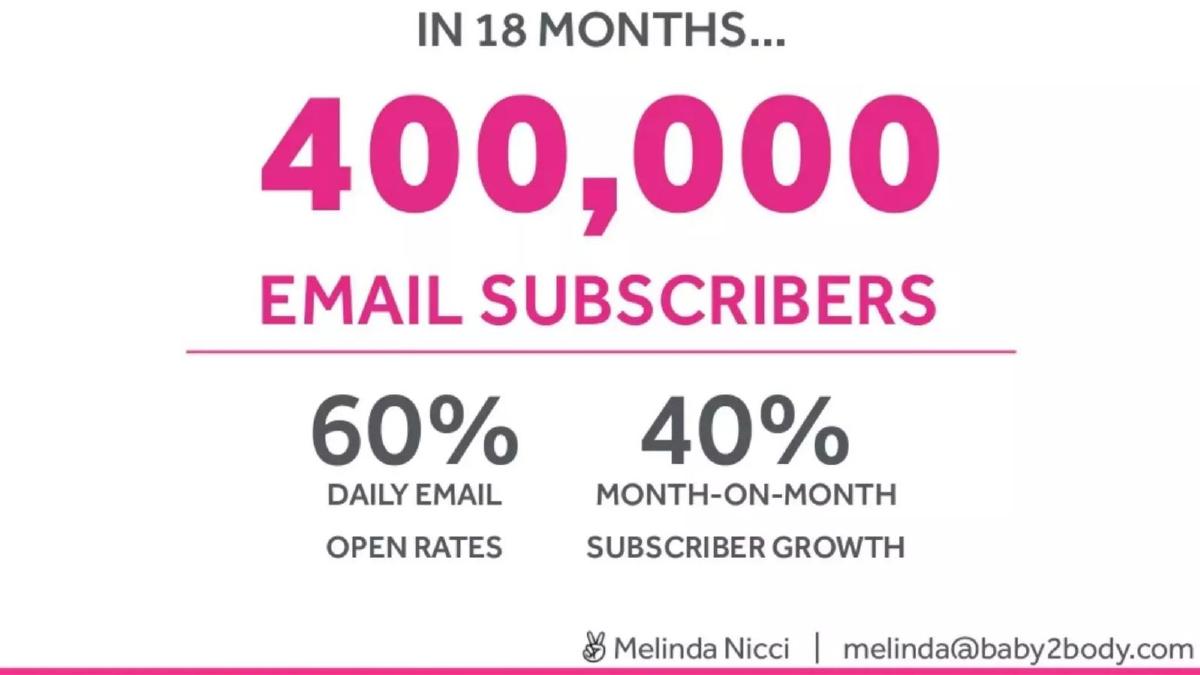
- The company achieved 400,000 email subscribers within an 18-month period (Slide 2).
- Engagement metrics are exceptionally high for the sector, with a reported 60% daily email open rate (Slide 2).
- Growth is sustained at a 40% month-on-month rate for the subscriber base (Slide 2).
- The product strategy focuses on four pillars: Food, Wellbeing, Look, and Fitness (Slide 7).
- Monetization is driven by a 'Paid for Premium Experience' featuring videos, podcasts, and infographics (Slide 8).
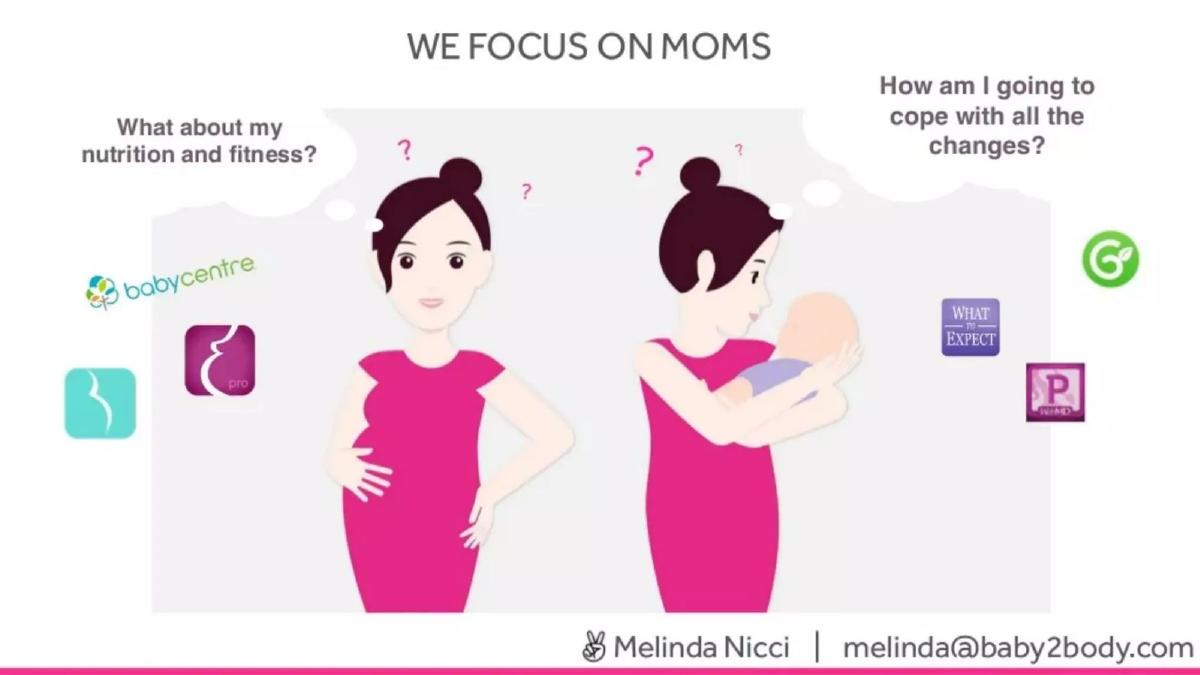
- The deck identifies a competitive gap where existing apps focus on the baby, while Baby2Body focuses on the mother's nutrition and fitness (Slide 4).
- The team includes specialized advisors in OBGYN and Health & Tech to validate the coaching content (Slide 9).
- There is no slide detailing the specific amount of capital being raised or the intended use of funds.
The Baby2Body Pitch Deck Teardown
Baby2Body is a health and wellness platform designed to coach women through the transformative years of motherhood. The deck is a 10-slide presentation that leans heavily on brand aesthetics and top-line engagement metrics. While it lacks the granular financial data often found in later-stage decks, it provides a clear narrative on why their specific approach to the 'Mom' market is gaining traction.
The Hook and Traction (Slides 1-2)
Slide 1: Title Slide The deck opens with a clean, minimalist title slide. The logo is prominent, accompanied by the tagline: "Happy Mom. Healthy Baby." This immediately establishes the dual-benefit value proposition. The contact information for Founder & CEO Melinda Nicci is clearly visible at the bottom, a standard but necessary inclusion.
Slide 2: Traction Baby2Body makes a bold move by placing their traction slide second. This is a high-conviction strategy designed to stop a skimming investor in their tracks. The slide reports "400,000 Email Subscribers" achieved in just 18 months. Even more impressive are the engagement figures: a "60% Daily Email Open Rate" and "40% Month-on-Month Subscriber Growth." These numbers suggest a product-market fit that is driven by content relevance rather than just aggressive acquisition spend.
The Problem and Market Gap (Slides 3-5)
Slide 3: Lifestyle Imagery This slide contains no text, featuring only a high-quality photograph of a young family in a kitchen. The mother is holding a baby while looking at her phone. This serves to ground the pitch in a relatable, real-world scenario, emphasizing the mobile-first nature of the solution.
Slide 4: We Focus on Moms This is the conceptual 'Problem' slide. It uses illustrations of a pregnant woman and a new mother surrounded by question marks and competitor logos (including BabyCentre and What to Expect). The text highlights the internal monologue of the target user: "What about my nutrition and fitness?" and "How am I going to cope with all the changes?" By placing competitor logos next to these questions, the deck implies that existing solutions are failing to answer these specific lifestyle concerns.
Slide 5: The Vision Slide 5 acts as a bridge, showing a graphic of a human head with gears (representing the mental/coaching aspect) alongside a book titled "Pregnancy Day by Day." This suggests that Baby2Body is moving beyond static information (books) into active, cognitive coaching.
The Solution and Product Experience (Slides 6-8)
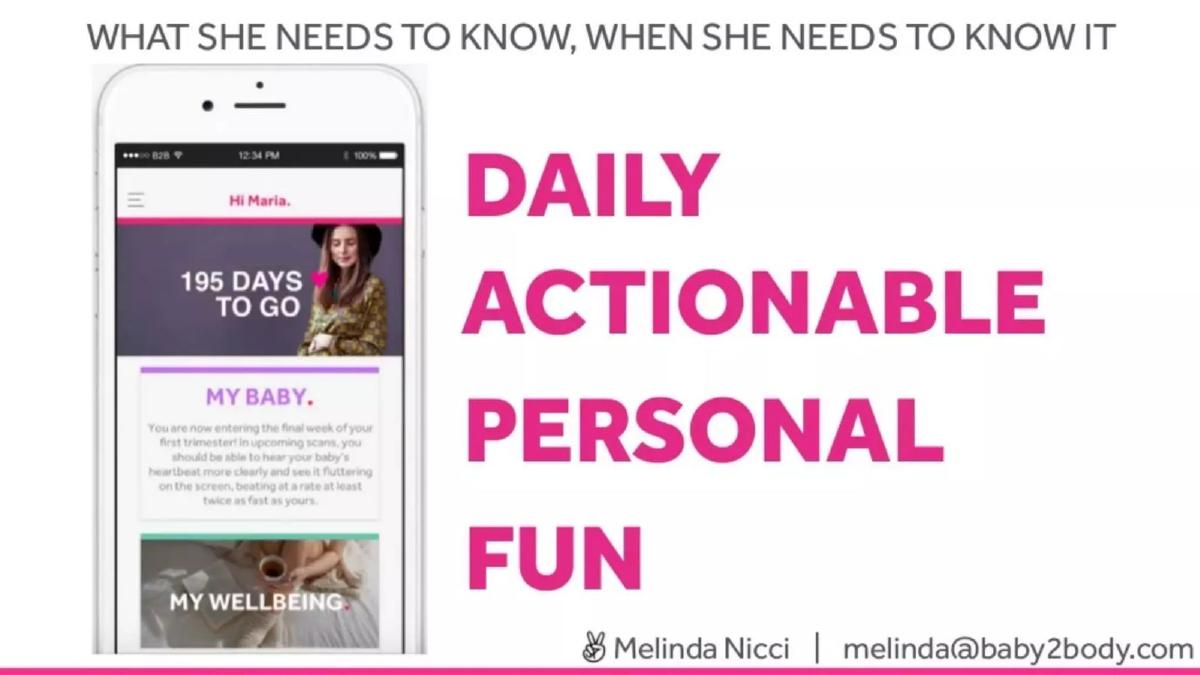
Slide 6: What She Needs to Know This slide introduces the product interface on a smartphone. The headline, "What she needs to know, when she needs to know it," emphasizes the timely nature of their content. The keywords "Daily," "Actionable," "Personal," and "Fun" define the brand voice. The UI shows a countdown ("195 Days to Go") and personalized sections for "My Baby" and "My Wellbeing."
Slide 7: Lifestyle Pillars The deck breaks down the service into four quadrants: "My Food," "My Wellbeing," "My Look," and "My Fitness." This slide clarifies that Baby2Body is not just a fitness app; it is a holistic lifestyle platform. The use of high-quality photography continues to reinforce the premium, aspirational nature of the brand.
Slide 8: The Business Model Titled "The Paid for Premium Experience... aka how we make $$$$$$", this slide is the closest the deck gets to a business model discussion. It showcases three content types that users pay for: Videos (workouts/tutorials), Podcasts (audio coaching), and Infographics (educational data). While it explains what they sell, it notably omits the price points, conversion rates from the 400k subscriber list, or Average Revenue Per User (ARPU).
Team and Conclusion (Slides 9-10)
Slide 9: The Dream Team The team slide features six core members and four advisors. Melinda Nicci (CEO) and Paula White (COO & CFO) lead the executive functions. The inclusion of a "Head of Tech" and "Head of Product" indicates an in-house development capability. The advisor row is particularly strong for a health startup, featuring an OBGYN and experts in Health & Tech, which provides the necessary clinical validation for their coaching programs.
Slide 10: The Vision Statement The deck concludes with a full-bleed image and the statement: "The Go-To Destination for Health & Fitness for nearly and new moms." It repeats the CEO's contact information, closing the loop on the presentation.
What Works in the Baby2Body Deck
1. Exceptional Engagement Metrics: Leading with a 60% open rate is the deck's strongest asset. In a crowded app market, retention and engagement are the hardest metrics to move. Showing that users are actively waiting for and opening daily content proves the value of the IP.
2. Clear Market Positioning: The deck does an excellent job of differentiating itself from "Baby" apps. By focusing on the "Mom," they carve out a specific niche in the FemTech space that feels less like a utility and more like a companion brand.
3. Visual Consistency: The deck is professionally designed, using a consistent color palette (pink and grey) and high-quality imagery. This builds immediate trust in the brand's ability to appeal to a modern, design-conscious female demographic.
What is Missing from the Baby2Body Deck
1. The Financials: There is a total absence of revenue data. While we see the 400,000 subscribers, we don't know how many are paying for the premium experience mentioned on Slide 8. Without a slide on Unit Economics (LTV/CAC), it is difficult to judge the scalability of the business model.
2. The Ask: A pitch deck is a tool to raise capital, yet this deck does not state how much money is being raised, the valuation sought, or the milestones the company intends to hit with the new funding.
3. Competitive Analysis: While Slide 4 hints at competitors, it doesn't provide a rigorous analysis of why Baby2Body's feature set is superior or more defensible than incumbents who could easily add a "Mom" tab to their existing pregnancy trackers.
What a Founder Should Copy
1. The 'Traction First' Approach: If you have a metric that is significantly above industry average (like the 60% open rate here), put it on Slide 2. It changes the way an investor views every subsequent slide.
2. Defining the 'Pillars': Slide 7 is a great example of how to simplify a complex product. By categorizing the app into four clear pillars (Food, Wellbeing, Look, Fitness), the founders make the product easy to remember and explain.
3. Leveraging Advisors: For any health-related startup, having an OBGYN or a medical doctor on the advisor slide is non-negotiable. Baby2Body displays their advisors prominently, which mitigates concerns about the safety or efficacy of their fitness and nutrition advice.
Frequently asked questions
- What is the primary value proposition of Baby2Body?
- Baby2Body positions itself as a lifestyle coach for women during the 'fertility, pregnancy, and three years postpartum' window. Unlike traditional pregnancy trackers that focus on fetal development milestones, Baby2Body focuses on the mother's physical and mental health, specifically targeting nutrition, fitness, and emotional well-being through daily actionable content.
- How does the company monetize its user base?
- As shown on Slide 8, the company utilizes a 'Paid for Premium Experience.' This premium tier provides users with specialized content formats, including workout videos, wellness podcasts, and educational infographics. The deck implies a freemium model where the high-engagement email list (Slide 2) serves as the primary top-of-funnel acquisition channel for these paid features.
- What are the standout growth metrics in this deck?
- The most significant metrics are the 400,000 email subscribers gained in 18 months and the 60% daily open rate. In the health and wellness category, a 60% open rate is well above industry averages, suggesting that the 'Daily Actionable Personal Fun' content strategy (Slide 6) is highly effective at retaining user attention.
- Who is behind the company, and what is their expertise?
- The company is led by Founder & CEO Melinda Nicci and COO/CFO Paula White. The team is supported by a diverse advisory board that includes medical expertise (Dr. Zahra Ameen, OBGYN), technical health expertise (Dr. Jack Kreindler), and brand strategy (Tim Carter), providing a balance of clinical credibility and consumer marketing experience.
- What critical information is missing from the Baby2Body deck?
- The deck is missing several standard venture components: a clear financial history or projections, a detailed breakdown of the 'Ask' (how much money they want and what for), a roadmap of future product features, and a formal competitive analysis. It functions more as a 'teaser' deck than a full due-diligence presentation.