BoxedUp’s Seed deck is a masterclass in demonstrating operational validation before scaling. The company initially built a first-party (1P) rental model to prove demand within the creator economy, then used that data to pitch a transition to a high-margin third-party (3P) marketplace. By highlighting a 49% month-over-month revenue growth and an average order value of $266, the founders made a compelling case for the 'Amazon of rentals.' The deck focuses heavily on the high cost of production equipment—citing items like $36,000 cameras—to justify the need for a national rental platform. With a…
Key takeaways
- The company achieved a 49% month-over-month revenue growth during its validation phase (Slide 14).
- BoxedUp aims to transition to 100% third-party rentals by Q2 2022 to improve margins and scalability (Slide 15).
- The platform targets a high-value niche: 12,000 US cinematographers with project budgets up to $1M (Slide 12).
- The business model includes a 15% referral fee collected from third-party and peer-to-peer renters (Slide 13).
- The founders leverage their background as 'Top Amazon Performers' to build credibility in marketplace logistics (Slide 2).
- The deck identifies a $9 billion specific market for production rental equipment within a larger $335 billion sharing economy (Slide 17).
- A clear 'Use of Funds' slide breaks down a $2.5M ask, noting that $1M was already deposited at the time of the pitch (Slide 22).
- The roadmap outlines a transition from 2-day national delivery to same-day local delivery by 2023 (Slide 19).
Executive Summary and Team Credibility
Slides 1-2: The Hook and the Pedigree
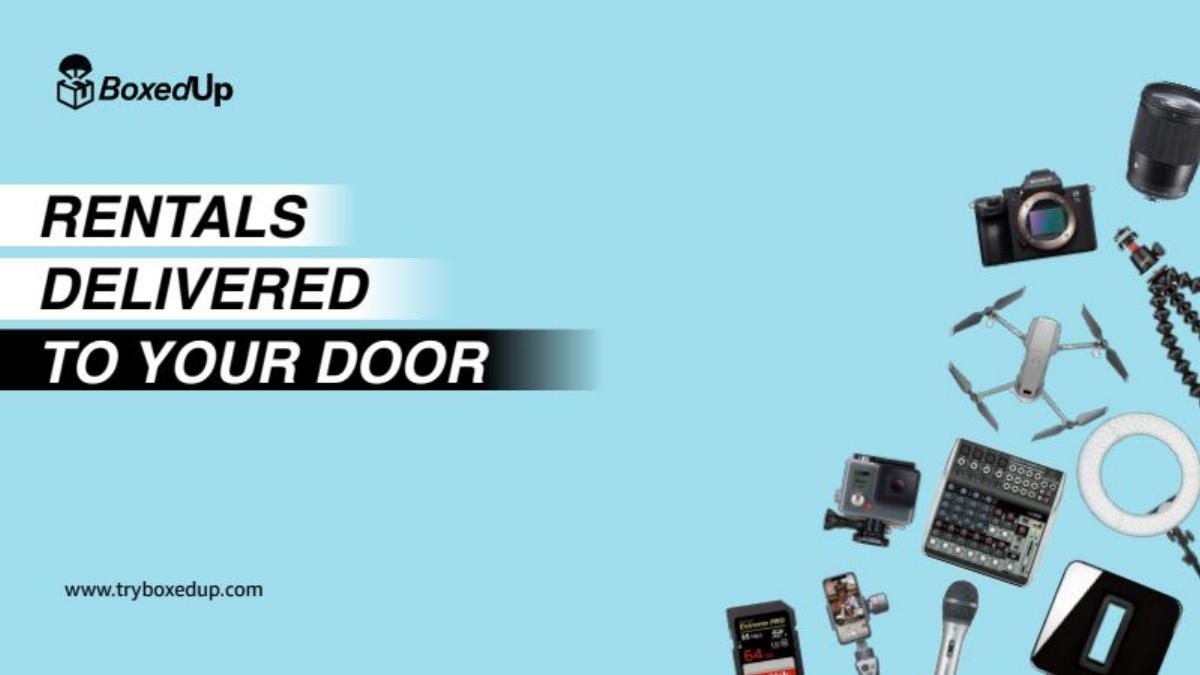
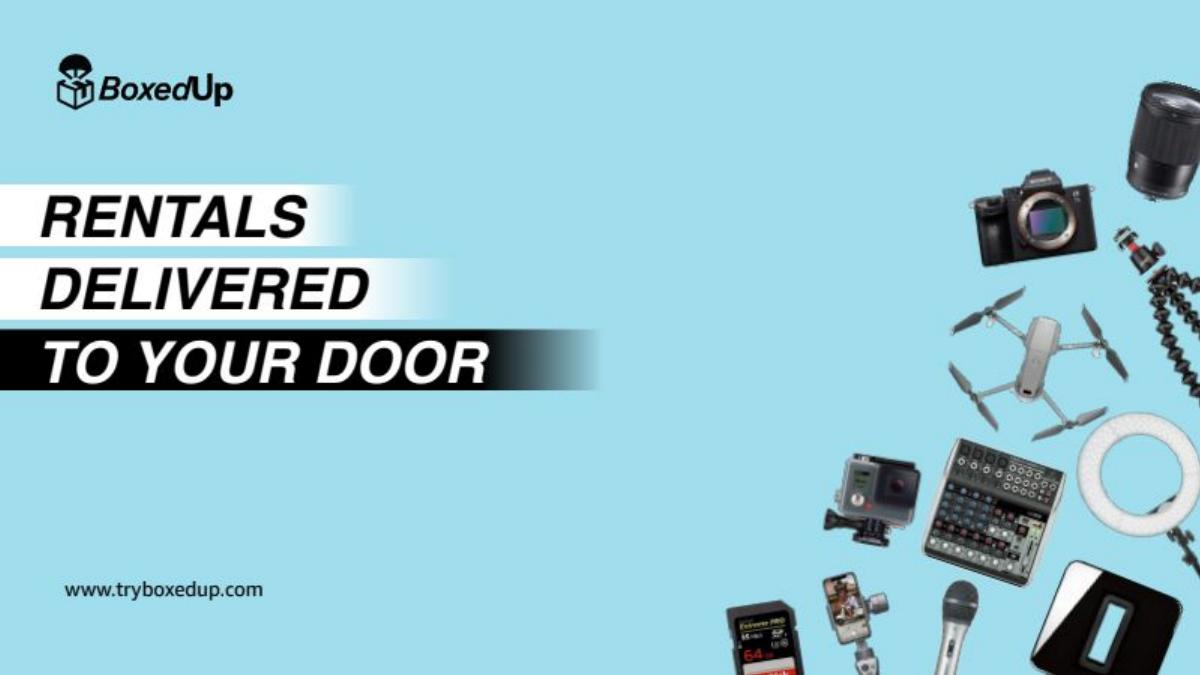
BoxedUp opens with a clear, minimalist title slide (Slide 1) featuring the tagline "RENTALS DELIVERED TO YOUR DOOR" and images of high-end production gear like drones, cameras, and ring lights. This immediately establishes the vertical: professional content creation hardware.
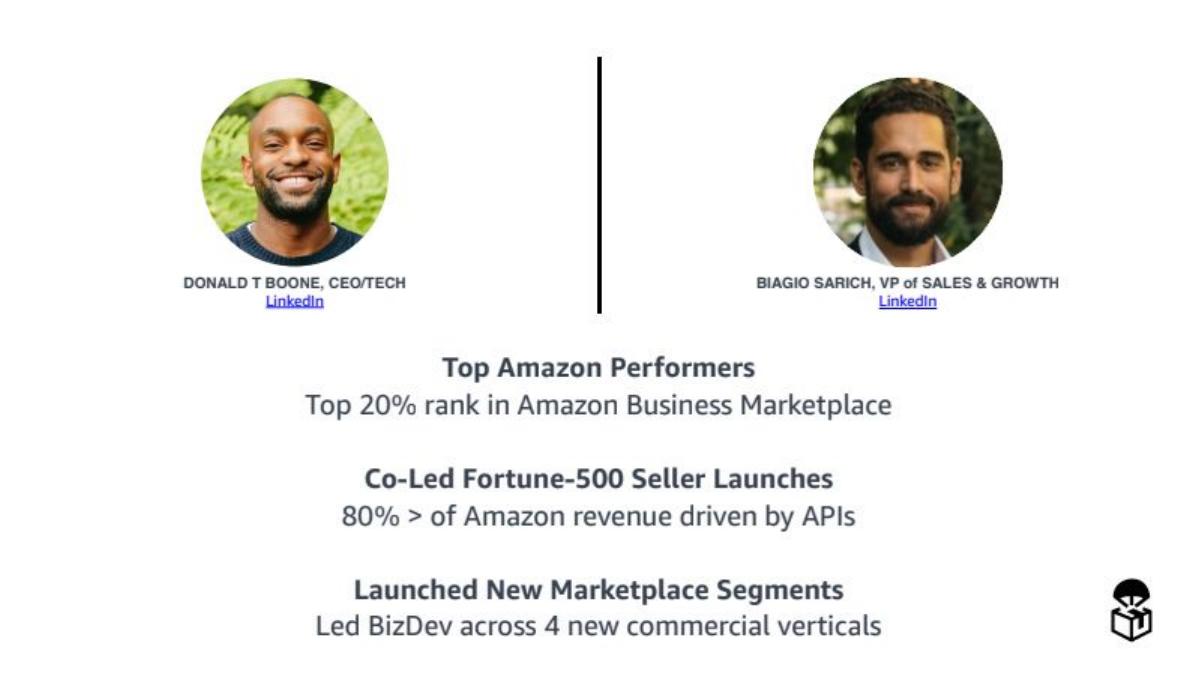
Slide 2 is a strategic move, placing the Team slide immediately after the cover. This is common for founders with an "unfair advantage." Donald T. Boone (CEO) and Biagio Sarich (VP of Sales & Growth) are positioned as "Top Amazon Performers" who ranked in the top 20% of the Amazon Business Marketplace. They highlight their experience co-leading Fortune-500 seller launches where "80% > of Amazon revenue [was] driven by APIs." This framing tells investors that while the product is about cameras, the founders are experts in marketplace scale and logistics.
Slide 3: The Amazon Flywheel
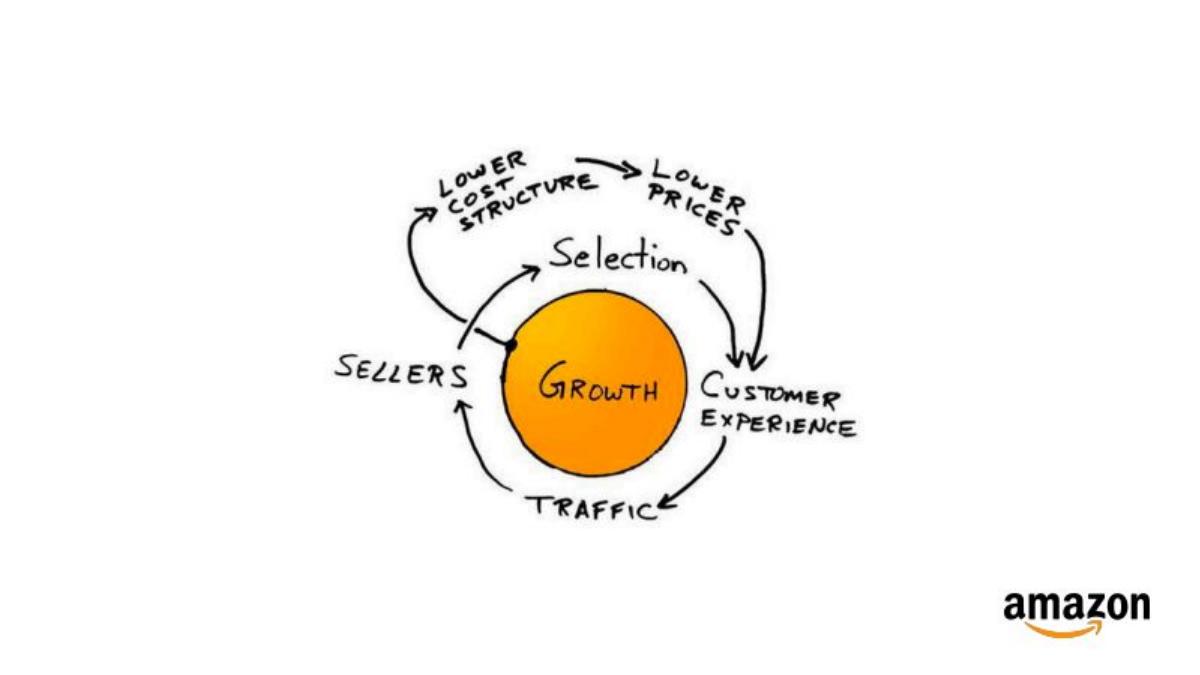
Slide 3 features a hand-drawn diagram of the famous Amazon Flywheel. By including this, the founders are signaling their operational philosophy: lower cost structures lead to lower prices, which improves customer experience, drives traffic, attracts more sellers, and increases selection. It is a bold way to say, "We are building the Amazon of the rental economy."
The Problem: The High Cost of Creation
Slides 4-6: Market Context and Pain Points
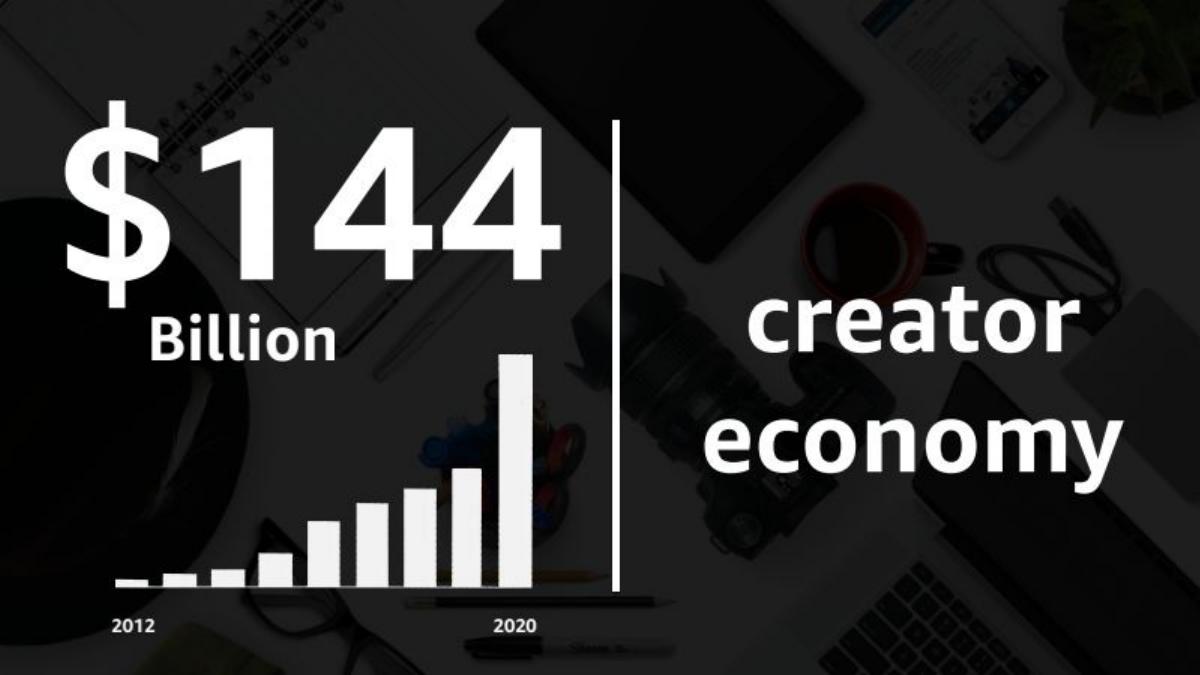
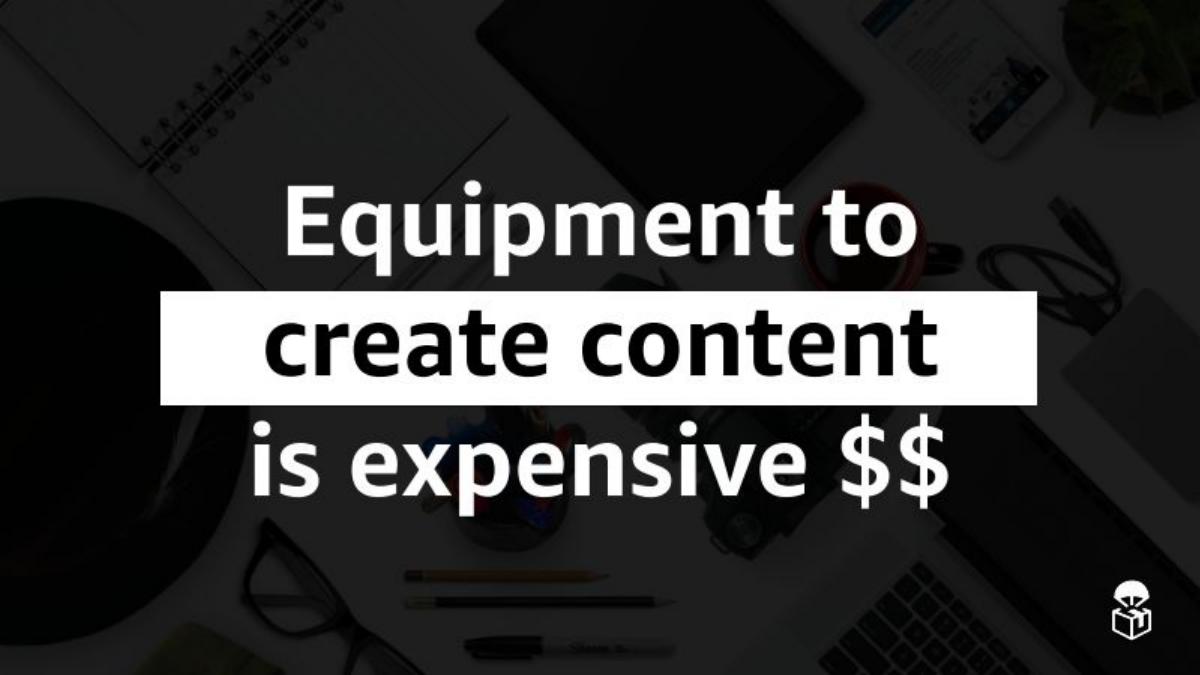
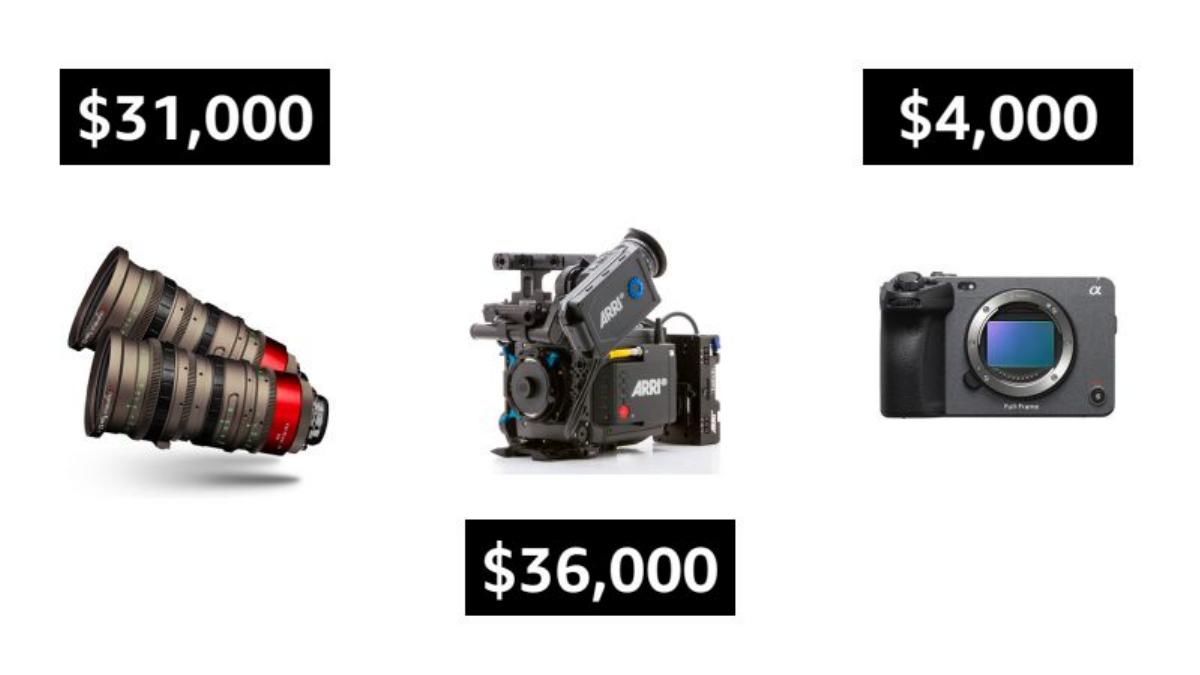
Slide 4 sets the stage with a massive "$144 Billion" figure for the creator economy, showing a growth chart from 2012 to 2020. Slide 5 and 6 drill down into the specific problem: "Equipment to create content is expensive $$." To make this tangible, Slide 6 shows three items: a lens set for $31,000 , a camera body for $36,000 , and a smaller camera for $4,000 . This establishes that for most creators, purchasing is not a viable option.
Slides 7-8: Dual-Sided Market Problems
The deck addresses both sides of the marketplace. For equipment owners (Slide 7), the problems are "Limited Options" to monetize idle inventory and "Declining Revenue" because they are restricted to local markets. For creators (Slide 8), the average income is cited at "$39k/yr," making high-end gear unaffordable. Furthermore, existing rental options lack delivery and real-time availability.
The Solution and Go-To-Market
Slides 9-11: The Marketplace Model
Slide 9 introduces the solution: "A rental marketplace connecting content creators and equipment." It shows a clean UI of the BoxedUp website on a laptop. Slide 10 illustrates the Go To Market strategy, showing a triangular relationship between Equipment Owners, Content Creators, and Platforms & Brands (citing YouTube and NPR). This suggests a B2B2C approach where they leverage existing professional networks.
Slide 11 provides social proof by listing "Previous Customers" with an "AOV [of] $266." The logos are impressive, spanning Enterprise (Amazon, Google, Nordstrom), Media (NPR, Hearst), and SMB (Supernatural, Blavity). Claiming "500+ others" indicates that the MVP phase was not just a small pilot but a functioning business.
Slide 12: The 2022 Focus Customer
This slide is highly specific, which investors generally love. Instead of saying "everyone who makes videos," BoxedUp targets "12K Cinematographers in the US" who work on 20-50 projects per year with budgets ranging from $15k to $1M . This narrow focus demonstrates a disciplined customer acquisition strategy.
Business Model and Traction
Slides 13-15: The Pivot to 3P
Slide 13 explains the revenue streams. They acknowledge that their "MVP only" phase relied on 1P revenue (renting their own gear), but the future is a "Marketplace Commission" of 15% collected from third-party (3P) shops and peer-to-peer (P2P) renters. This is a critical slide because it shows the path to a high-margin, asset-light business.
Slide 14 (Traction) validates this transition. It shows monthly revenue growing at 49% MoM . Crucially, the chart shows the 3P (blue) segment beginning to overtake the 1P (grey) segment. Slide 15 projects "100% 3rd party rentals by Q2 2022" with a projected GMV of $2.4M by the end of that year.
Market Landscape and Future Vision
Slides 16-17: Competition and Market Size
The competition matrix on Slide 16 is well-constructed. It plots players on axes of Local vs. National and Sole Distributor vs. Marketplace Options . BoxedUp claims the top-right quadrant (National Marketplace), distinguishing itself from local P2P sites like ShareGrid and national inventory-heavy shops like Lensrentals. Slide 17 defines the Market Size , identifying a $9 Billion production rental equipment market within the broader $335 Billion sharing economy, using Airbnb and Turo as successful parallels.
Slides 18-19: The Roadmap
Slide 19 reveals the long-term ambition. The "Selection/Capability Roadmap" shows a progression from 2-day national delivery (2021) to same-day local delivery (2023). Below the timeline, the images of gear expand from cameras to laptops, bicycles, baby seats, and eventually heavy construction equipment like backhoes and boom lifts. This suggests that the creator economy is just the entry point for a much larger general rental marketplace.
The Team and The Ask
Slides 20-22: Finalizing the Deal
Slide 20 expands on the team, adding Robison Santos (CTO), Kelcie Glass (Marketing), and advisors from FedEx and Microsoft. The logos at the bottom (Expedia, TripIt, FedEx) reinforce the logistics and tech DNA of the group. Slide 21 is a transition graphic leading to the final ask.
Slide 22 is the Use of Funds . The company is seeking "$2.5M seed for 18 months of runway." A progress bar at the bottom shows that $1M has already been "Deposited" and the remainder is in "Term Sheets." This creates a sense of urgency and FOMO (Fear Of Missing Out) for new investors. The breakdown is specific, allocating funds to FTEs, 3P recruiting, and even "$125k [for] insurance," which is a major hurdle in rental businesses that they are proactively addressing.
What Works and What is Missing
What Works
Operational Pedigree: The founders' background at Amazon is the strongest part of the pitch. It turns a "camera rental" story into a "logistics and marketplace" story. · The 1P to 3P Transition: By showing that they already started the transition to a marketplace model in their traction slide (Slide 14), they prove the model works before asking for the money to scale it. · Specific Target Customer: Defining the 12,000 cinematographers (Slide 12) makes the go-to-market plan feel achievable rather than theoretical. · Transparency on Use of Funds: The breakdown on Slide 22 is detailed and includes necessary but often overlooked costs like insurance.
What is Missing
Unit Economics: While they mention a 15% commission and a $266 AOV, the deck lacks a detailed breakdown of Customer Acquisition Cost (CAC) versus Lifetime Value (LTV). · Logistics Detail: They mention "2-Day National Delivery," but they don't explain how they handle the shipping of delicate, $36,000 cameras. Is it via FedEx/UPS, or a custom courier? The risk of damage in transit is a major concern for this business model. · Retention Data: The traction slide shows revenue growth, but not repeat usage. In a rental business, knowing how often a creator returns to the platform is vital for long-term viability.
What a Founder Should Copy
The "Focus Customer" Slide: Don't just list a TAM (Total Addressable Market). Show the specific person you are selling to today, how many projects they do, and what their budget is. · The Validation Chart: If you are pivoting from an unscalable model (like 1P inventory) to a scalable one (3P marketplace), show the overlap in your traction chart to prove the transition is already happening. · The Funding Progress Bar: If you have money committed or in the bank, show it. It validates the round and encourages other investors to move quickly.
Frequently asked questions
- What is BoxedUp's primary business model?
- BoxedUp operates as a rental marketplace. According to Slide 13, they collect a 15% referral fee from third-party (3P) rental shops and peer-to-peer (P2P) renters. While they started with a first-party (1P) model using their own equipment to validate the service, their long-term strategy is to function entirely as a marketplace connecting equipment owners with content creators.
- How does BoxedUp differentiate itself from competitors like ShareGrid?
- On Slide 16, BoxedUp positions itself in the 'National / Marketplace Options' quadrant. Unlike local-only peer-to-peer sites like ShareGrid or Fat Llama, or national sole distributors like Lensrentals that own all their gear, BoxedUp combines a national reach with a marketplace model that doesn't require them to hold massive amounts of depreciating inventory.
- What kind of traction did the company show in this deck?
- Slide 14 shows a Monthly Revenue chart from February to September, indicating a 49% month-over-month growth rate. By September, the revenue was split between 1P (owned inventory) and 3P (marketplace) sources, with the 3P segment growing rapidly. Slide 11 also notes an Average Order Value (AOV) of $266 across 500+ customers.
- Who is the target customer for BoxedUp?
- The deck identifies two primary sides of the marketplace. On the demand side, they focus on the 'Creator Economy,' specifically the 12,000 US cinematographers who manage 20-50 projects per year (Slide 12). On the supply side, they target local rental shops looking to expand beyond their local geographic markets (Slide 10).
- What are the planned uses for the $2.5M seed round?
- As detailed on Slide 22, the largest allocation is $900k for hiring four full-time employees in CEO, Sales, SDE, and Logistics roles. Other major expenses include $500k for 3P/P2P recruiting, $400k for outsourced software development, and $350k for logistics and fulfillment operations.