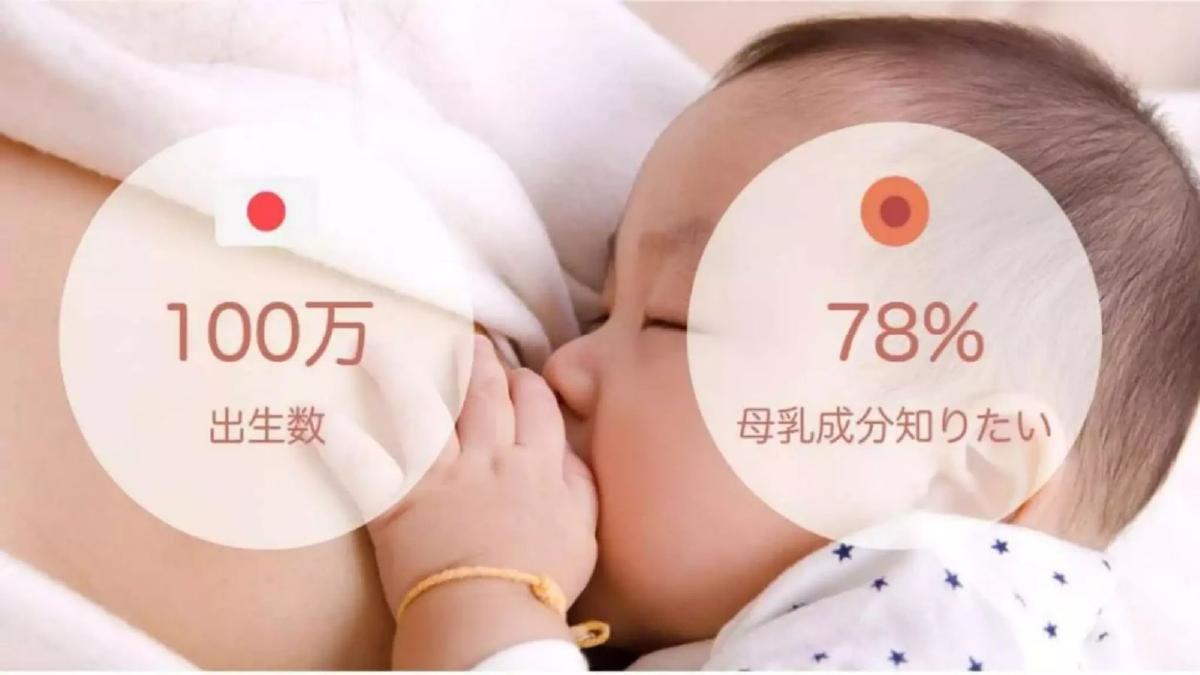
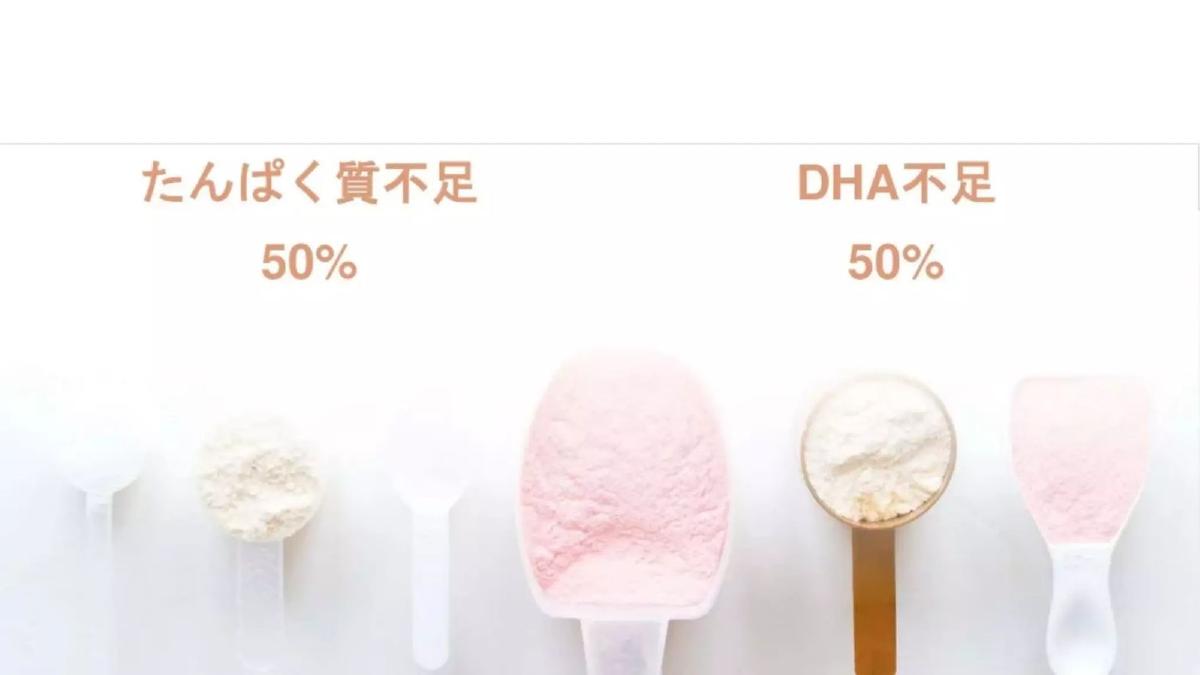
Bonyu’s 14-slide deck focuses on a highly specific health-tech niche: breast milk nutritional analysis. The company identifies a significant gap in maternal care, noting that 78% of mothers want to know their milk's composition (Slide 3) and that 50% of tested samples show deficiencies in protein and DHA (Slide 4). The business model transitions from a one-time analysis kit priced at 19,800 yen to a recurring supplement subscription (Slide 8). While the deck is visually minimalist and lacks detailed financial projections or a specific funding 'ask' slide, it effectively uses academic validati…
Key takeaways
- The deck identifies a high demand for information, stating 78% of mothers are interested in their breast milk composition (Slide 3).
- Initial testing revealed that 50% of samples were deficient in protein and 50% were deficient in DHA (Slide 4).
- The product ecosystem includes a home-to-lab analysis pipeline (Slide 5) and a mobile app for results visualization (Slide 6).
- Pricing is tiered for different needs: 19,800 yen for a single test, 9,990 yen for monthly, and 12,800 yen for bi-weekly (Slide 8).
- The team includes leadership with backgrounds from UMass Lowell and Brown Sugar 1st (Slide 9).
- Bonyu secured academic credibility through a partnership with Gifu University (Slide 11).
- Early traction is demonstrated by 200 samples collected from 20 people with zero PR spend (Slide 12).
- The company aims to expand from a 1.2 billion yen niche to a 50 billion yen functional snack/food market (Slide 13).
Bonyu Pitch Deck Teardown: The Diagnostics-to-Supplement Pipeline
Bonyu enters the FemTech and maternal health space with a deck that is remarkably light on text but heavy on visual storytelling. The company, which provides breast milk analysis, uses its 14 slides to establish a clear logical flow: there is a demand for data, the data shows a problem, and Bonyu provides the solution and the subsequent cure. While the catalogue listing mentions a massive $150,000,000 raised in 2018, the deck itself feels like an early-stage seed or Series A presentation, focusing on validation and product mechanics rather than late-stage scaling metrics.
Slides 1-4: The Problem and Market Demand
The deck opens with a minimalist title slide (Slide 1) featuring the Bonyu logo and the description 'Analysis kit that understands breast milk components.' This is followed by a high-impact emotional image of a newborn (Slide 2), which serves to ground the technical product in its human context. This is a common tactic in health-tech decks to build immediate empathy with the investor.
Slide 3 provides the first set of hard numbers. It notes a birth rate of 1 million (implied annually in Japan) and states that 78% of mothers 'want to know breast milk components.' This is a critical validation point; it suggests that the market isn't just the number of births, but a specific, high-intent subset of that population. Slide 4 then presents the 'why.' It claims that 50% of samples show a protein deficiency and 50% show a DHA deficiency. By framing the problem as a 50/50 coin flip on infant nutrition, Bonyu creates a sense of urgency for their diagnostic tool.
Slides 5-8: Product Mechanics and Pricing
The 'How it Works' section is handled through simple iconography. Slide 5 uses a house icon and an arrow to show the transition from home collection to Bonyu’s analysis. Slide 6 shows the user interface on a smartphone, displaying a radar chart of nutritional components. This visualization is key for consumer health products, as it turns complex lab data into actionable insights for a layperson. The app also appears to categorize users into 'types' (e.g., 'Panda type'), a gamification element often used to increase user engagement.
Slide 7 introduces the second half of the business model: 'Providing supplements.' This is where the company moves from a low-margin diagnostic service to a high-margin recurring product business. Slide 8 confirms the pricing strategy. A single test is 19,800 yen (approx. $130 USD), while monthly and bi-weekly subscriptions are priced at 9,990 yen and 12,800 yen respectively. The presence of a bi-weekly option suggests that nutritional content in breast milk fluctuates enough to warrant frequent testing, or that Bonyu is bundling the supplements into these higher-frequency price points.
Slides 9-11: Team and Validation
The team slide (Slide 9) is sparse. It lists a CEO with a UMass Lowell affiliation, a Co-CEO/Marketing lead from Brown Sugar 1st, and a Healthcare lead. While the logos of the organizations are present, the slide lacks specific bullet points regarding their past exits, years of experience, or specific medical credentials. For a company dealing with infant nutrition, more detail on the scientific advisory board would typically be expected.
Validation is provided in Slides 10 and 11. Slide 10 highlights an exhibition at CES 2019, positioning the company as a global tech player rather than just a local Japanese service. Slide 11 features the Gifu University logo, implying a research or lab partnership. In the world of diagnostics, academic backing is the primary currency for trust, and Bonyu uses this logo to signal that their '50% deficiency' claims are rooted in scientific study.
Slides 12-14: Traction and Future Vision
Slide 12 is the 'Traction' slide, and it is one of the most effective in the deck. It lists '20 people,' '200 samples,' and '170,000 yen' (likely revenue from the test) under the heading 'Test Sales.' The most important text on this slide is 'NO PR COST.' This indicates that the founders were able to acquire customers and a significant number of samples through word-of-mouth or organic channels, proving that the 78% interest rate cited earlier translates into actual behavior.
Slide 13 shows the 'Market Size' (Market Scale). It compares the current 'Breast Milk Analysis' market (1.2 billion yen) to the 'Functional Snacks' market (50 billion yen). This slide tells the investor that Bonyu isn't just a lab company; it’s a gateway to the massive health food industry. The deck concludes with a contact slide (Slide 14) featuring a QR code, website, and email address.
What Works in the Bonyu Deck
Clear Value Proposition: The deck identifies a specific anxiety (nutritional deficiency in breast milk) and offers a direct solution. The use of the 50% deficiency statistic (Slide 4) is a powerful hook for investors looking for a 'pain point' to solve.
Business Model Evolution: The transition from a one-off test to a supplement subscription is clearly mapped out. By showing the market expansion from 1.2 billion yen to 50 billion yen (Slide 13), the founders demonstrate that they understand how to scale a niche product into a larger category.
Organic Interest: The 'No PR Cost' claim on Slide 12 is a significant green flag. It suggests that the product addresses a deep-seated need that mothers are actively searching for, which lowers future Customer Acquisition Costs (CAC).
What is Missing from the Bonyu Deck
The 'Ask': There is no slide detailing how much money the company is looking to raise, the valuation, or how the funds will be allocated (e.g., R&D, marketing, international expansion). This is a major omission for a fundraising document.
Competitive Landscape: The deck does not mention any competitors. Whether they are traditional lab tests, other FemTech startups, or even formula companies, investors need to know how Bonyu defends its position in the market.
Unit Economics: While pricing is listed on Slide 8, there is no mention of the cost of goods sold (COGS). Lab analysis is notoriously expensive to scale; without knowing the margin on a 19,800 yen test, it is difficult to judge the sustainability of the business.
Regulatory Path: There is no mention of medical device certification or health department approvals. In many jurisdictions, providing nutritional 'deficiency' reports and selling corresponding supplements requires significant regulatory oversight.
What a Founder Should Copy
Visual Simplicity: Bonyu avoids the 'wall of text' trap. Each slide has a single, clear purpose. Founders should emulate this by using one main graphic and one main takeaway per slide.
The 'Gateway' Strategy: Bonyu uses a niche, high-trust service (breast milk analysis) to enter a much larger, more commoditized market (supplements). Founders in crowded markets should look for these 'diagnostic gateways' that allow them to build a proprietary database of customer needs before selling them a solution.
Academic Anchoring: If you have a partnership with a university or a research lab, give it its own slide (Slide 11). It provides a level of 'borrowed authority' that is essential for early-stage startups that haven't yet built their own brand equity.
Data-Driven Problem Stating: Instead of saying 'mothers are worried,' Bonyu says '78% of mothers want to know' and '50% are deficient.' Quantifying the problem makes the solution feel like a logical necessity rather than a luxury.
Frequently asked questions
- What is the core problem Bonyu is solving?
- Bonyu addresses the nutritional uncertainty nursing mothers face. According to slide 3, 78% of mothers want to know the components of their breast milk. Slide 4 highlights that 50% of tested milk samples show deficiencies in protein and DHA, suggesting that mothers may unknowingly be providing suboptimal nutrition to their infants without testing and supplementation.
- How does the Bonyu service actually work?
- The service is a mail-in diagnostic model. Slide 5 shows a home icon pointing to the Bonyu logo, and slide 8 displays the physical collection kit consisting of test tubes. Mothers collect a sample at home, send it to Bonyu for analysis, and receive a detailed nutritional breakdown via a mobile app, as shown on slide 6.
- What is the revenue model for Bonyu?
- Bonyu utilizes a mix of one-time and subscription fees. Slide 8 lists a single analysis at 19,800 yen. They also offer recurring options at 9,990 yen per month or 12,800 yen every two weeks. Additionally, slide 7 suggests revenue from 'providing supplements' based on the analysis results, creating a vertical integration between diagnostics and wellness products.
- How does Bonyu plan to grow the business beyond testing?
- Slide 13 outlines a market expansion strategy. It shows the 'Breast Milk Analysis' market at 1.2 billion yen, but points toward a much larger 50 billion yen market for 'Functional Snacks/Foods.' This indicates that the testing kit is a lead-generation tool for a broader health and nutrition brand targeting mothers and children.
- What evidence of traction does the deck provide?
- Traction is demonstrated through three main pillars: academic, event-based, and pilot data. Slide 11 shows a partnership with Gifu University, slide 10 notes participation in CES 2019, and slide 12 reports a test sale resulting in 200 samples from 20 individuals achieved with 'No PR Cost,' indicating high organic interest.