Koala’s 2020 Series A deck is a masterclass in identifying a massive, stagnant market and presenting a clear, two-phase solution. The company targeted the $30.5 billion timeshare rental and exchange market, which they claimed had seen 'no disruption in 45 years.' By positioning themselves against incumbents like RCI and RedWeek, Koala highlighted a specific value proposition: 70% savings for travelers and a secure, '100% risk-free' way for owners to monetize unused time. The deck leans heavily on the team's pedigree, featuring executives from Hilton Grand Vacations and a robust advisory board…
Key takeaways
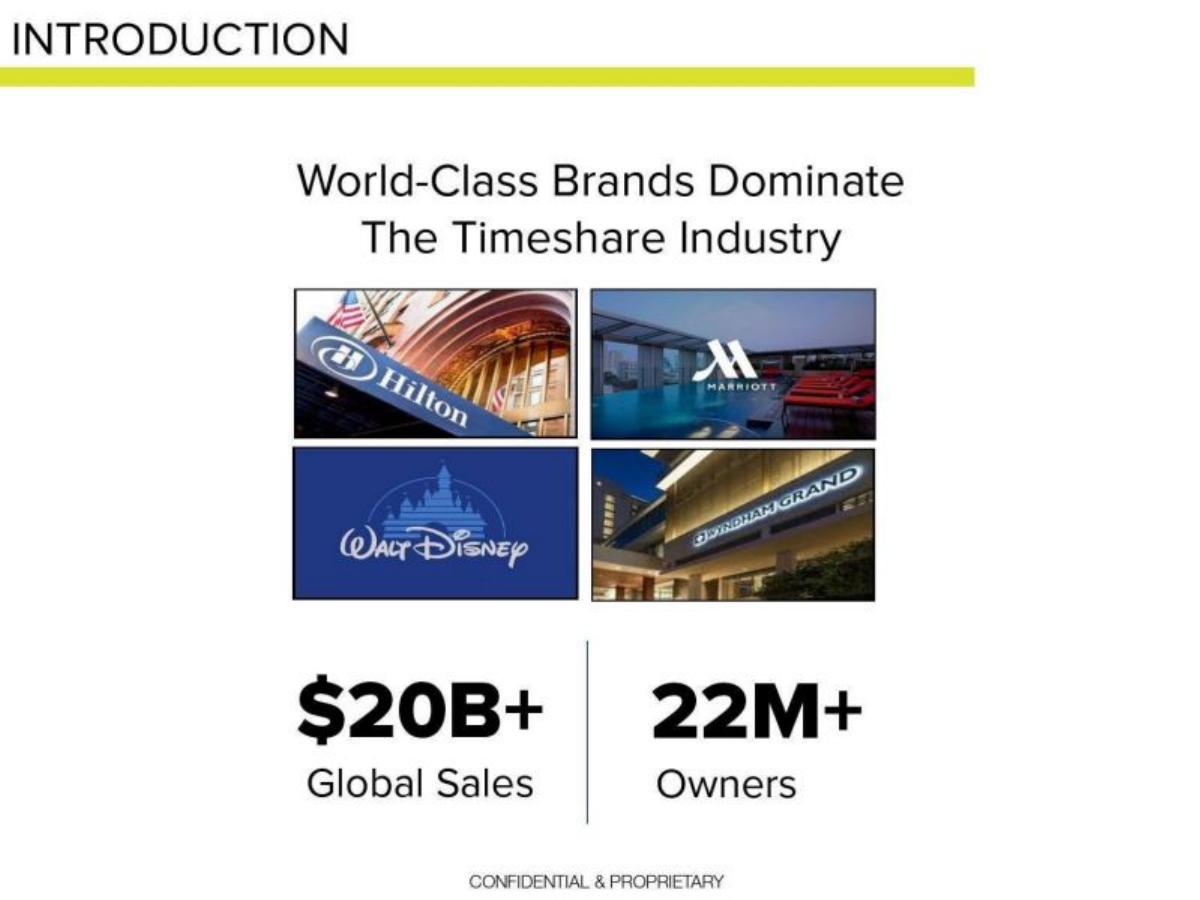
- The global timeshare industry is valued at over $20 billion in sales with 22 million owners, according to slide 3.
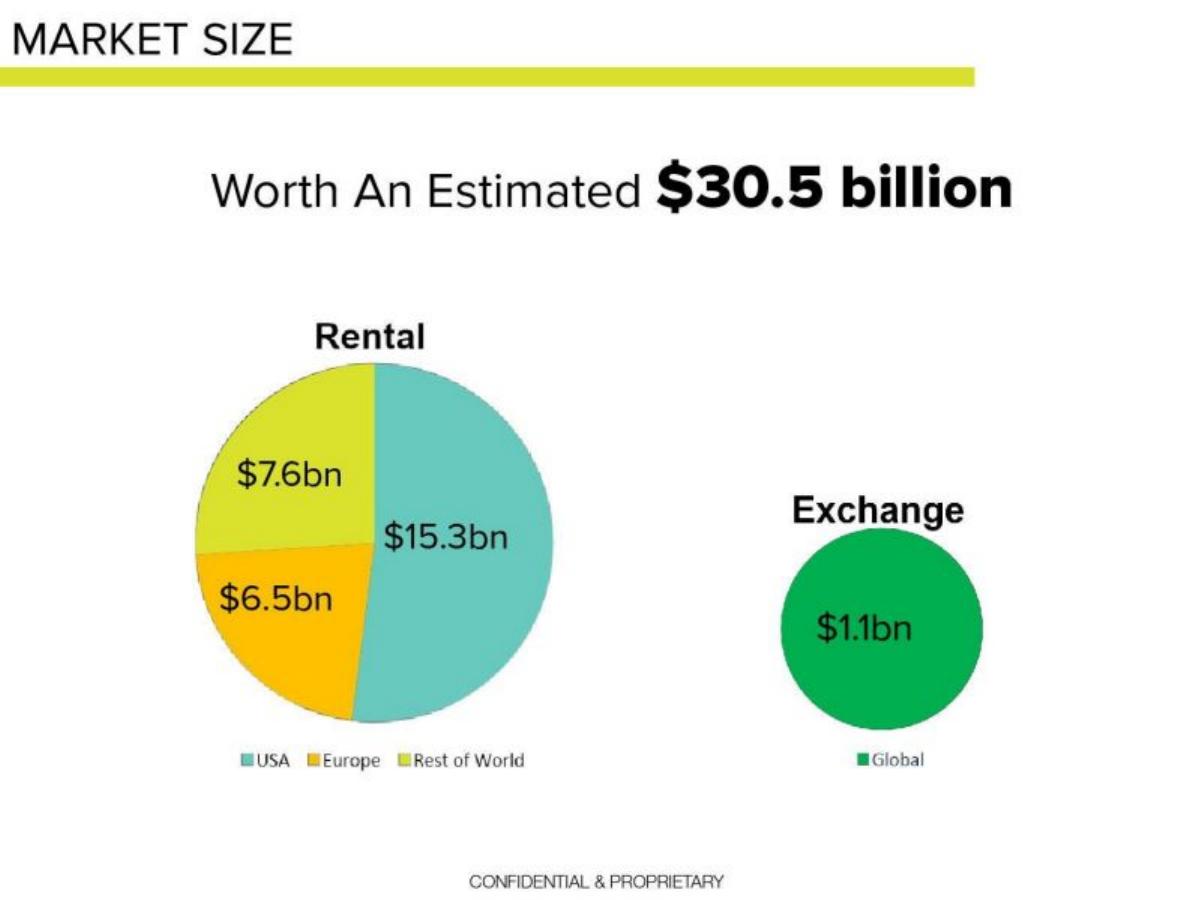
- Koala estimates the total market size for timeshare rentals and exchanges at $30.5 billion, with the USA accounting for $15.3 billion of the rental segment (slide 4).
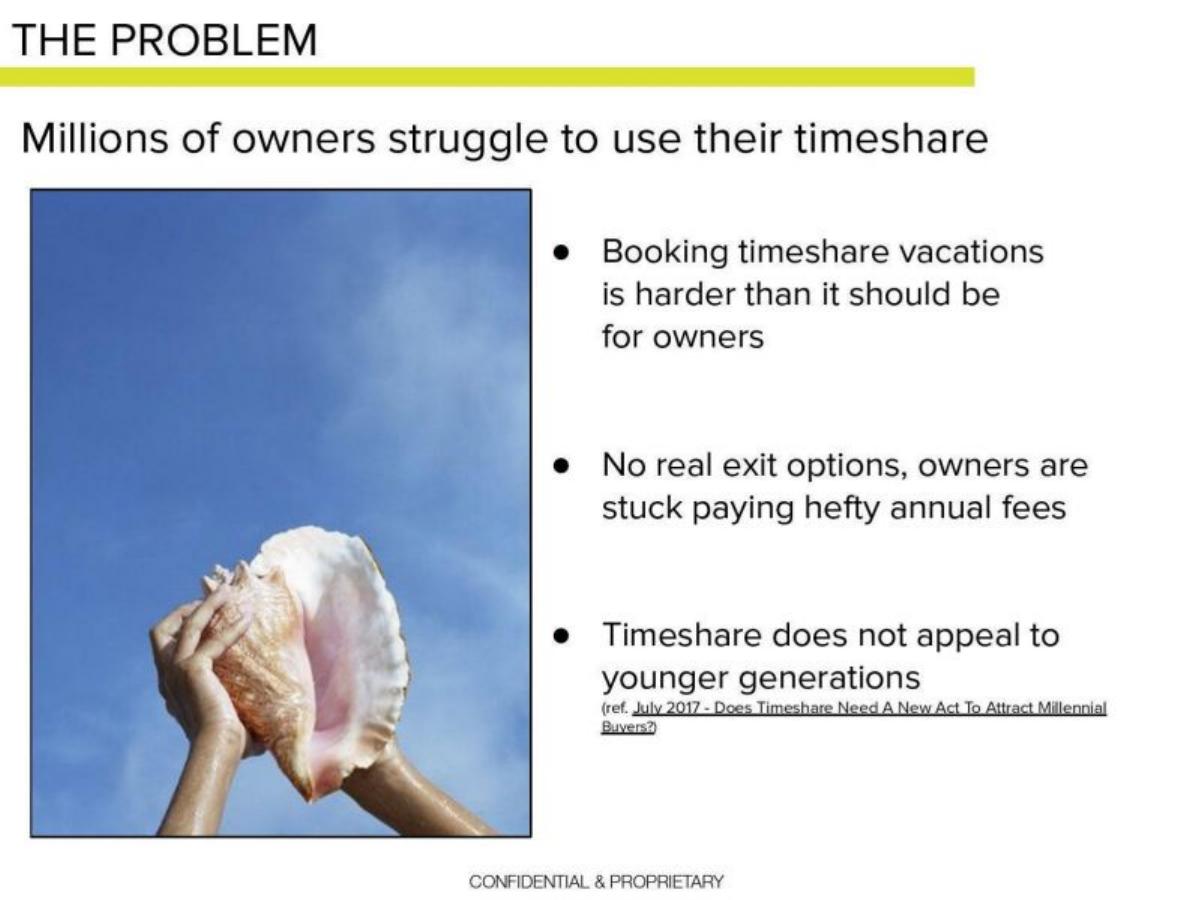
- The core problem identified is that owners lack exit options and struggle to book vacations despite paying hefty annual fees (slide 5).
- Koala positions itself as a high-value, high-control alternative to competitors like RedWeek, RCI, and Vacatia (slide 11).
- The platform offers a 100% risk-free model for owners with no upfront costs or hidden fees (slide 12).
- A price comparison for a 2-bedroom suite in Honolulu shows Koala at $2,757 per week versus $6,354 for a hotel and $5,198 for an Airbnb (slide 13).
- The management team includes a CEO with 10 years at Hilton Grand Vacations and a CTO who previously held that role at Weholi (slide 14).
- The business model includes a 10-15% rental commission, a $75 flat fee for full service, and a $169 annual subscription (slide 16).
The Timeshare Disruption: A Deep Dive into Koala's Series A Deck
The timeshare industry is often viewed as a relic of 20th-century travel—a high-pressure sales environment resulting in rigid ownership structures. Koala’s pitch deck for their $3.4 million Series A (targeted as $3.5 million in the deck) seeks to flip this narrative by applying the marketplace dynamics of the sharing economy to a $30.5 billion market. The deck is structured to move the investor from the macro-opportunity of a stagnant industry to the micro-details of their specific product advantages and team pedigree.
Slide 1-2: Branding and Legalities
The deck opens with a high-resolution lifestyle image of a tropical resort, immediately establishing the travel and leisure context. The logo is minimalist and modern. Slide 2 is a standard legal disclaimer, which is typical for Series A raises, noting that the information is current as of September 2019 and contains forward-looking statements.
Slide 3-4: The $30.5 Billion Opportunity
Koala begins by anchoring the pitch in the scale of the existing industry. Slide 3 highlights that 'World-Class Brands Dominate,' citing Hilton, Marriott, Disney, and Wyndham. It lists $20B+ in global sales and 22M+ owners. Slide 4 breaks down the market size further, estimating the total value at $30.5 billion. The rental market is the primary focus, with the USA representing $15.3 billion, Europe $6.5 billion, and the rest of the world $7.6 billion. A smaller $1.1 billion 'Exchange' market is also noted.
Slide 5-7: The Problem and the Stagnation
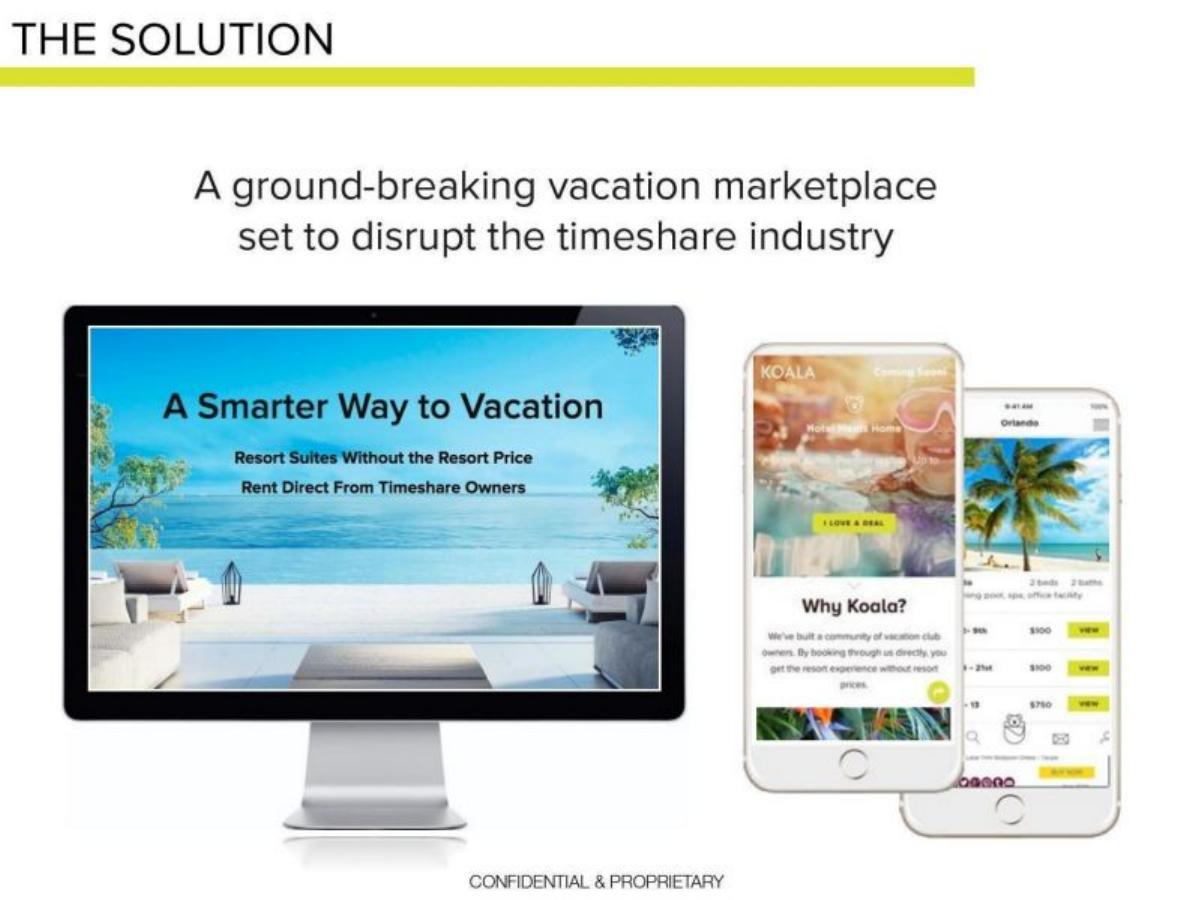
Slide 5 identifies three pain points: booking is too hard, there are no real exit options for owners stuck with fees, and the product doesn't appeal to younger generations. Slide 6 introduces the solution: a 'ground-breaking vacation marketplace' that allows travelers to rent direct from owners. The most evocative slide in this section is Slide 7, which features a collage of vintage 70s and 80s vacation photos with the bold text: 'No disruption in 45 years.' This creates a sense of urgency for an industry overdue for a digital overhaul.
Slide 8-10: Mission and Execution
Slide 8 defines the mission as building an 'ethical stay-sharing marketplace.' It features a black-and-white photo of the co-founders, Mike Kennedy and James Burbridge. Slide 9 asks 'How will we do it?' and presents a two-phase plan. Phase I is the specialized marketplace, while Phase II, 'Launch Go Somewhere New,' is teased as a future expansion. The imagery remains high-end, focusing on luxury resort interiors to reinforce the quality of the inventory.
Slide 11-13: Competitive Landscape and Value Prop
Slide 11 uses a standard four-quadrant matrix (Value vs. Control). Koala places itself in the top-right corner, claiming higher value and control than RedWeek, RCI, and Vacatia. It includes a powerful 'social proof' metric: RCI is a $7.5B business, and Interval International sold for $4.7B. Slide 12 lists twelve specific advantages, including a '100% risk-free' model for owners, a proprietary search algorithm, and a peer-to-peer wallet. Slide 13 is the 'killer slide' for travelers, showing that a Koala booking in Honolulu is roughly 50% cheaper than a hotel and 45% cheaper than an Airbnb for equivalent accommodations.
Slide 14-15: The Team and Advisors
For a Series A, the team is critical. Slide 14 showcases a management team with 'decades of expertise.' CEO Mike Kennedy spent 10 years at Hilton Grand Vacations, and CTO Chris Johnson was the former CTO of Weholi. Slide 15 lists a massive 12-person advisory board, including former executives from Airbnb, HomeAway, Expedia, RCI, and Disney Vacation Club. This level of industry-specific advisory is rare and serves to mitigate the risk of the 'outsider' trying to disrupt a closed industry.
Slide 16-18: Business Model and Use of Funds
Slide 16 outlines a multi-pronged revenue stream: 10-15% rental commissions, a $75 full-service fee, and a $169 annual subscription. Costs are categorized into software, partners, content, and marketing. Slide 17 details progress to date, including a beta launch in October 2019 and $225k raised from friends and family. Slide 18 specifies the $3.5 million raise, with a heavy 57% allocation to marketing, 30% to personnel, and 13% to development.
Slide 19-22: Redacted Financials and Conclusion
Slides 19, 20, and 21 cover traction, the 24-month investment strategy, and the summary business plan. In the public version of this deck, these slides are heavily redacted. However, Slide 19 shows a hockey-stick growth projection reaching nearly 400,000 units (presumably bookings or listings) by Year 5. The deck concludes on Slide 22 with a lifestyle image of people on a beach, maintaining the aspirational tone of the brand.
What Works in Koala's Pitch Deck
Industry Pedigree: The strongest element of this deck is the 'Founder-Market Fit.' By highlighting the CEO's decade at Hilton Grand Vacations and an advisory board filled with RCI and Disney veterans, Koala proves they understand the nuances of the timeshare industry, which is notoriously difficult to navigate legally and operationally.
Clear Price Comparison: Slide 13 is a textbook example of a value proposition. By comparing the exact same week at the exact same resort across three platforms, they make the financial benefit to the traveler undeniable. This is much more effective than simply saying 'we are cheaper.'
The 'Stagnation' Narrative: Slide 7 ('No disruption in 45 years') is a powerful emotional hook. It frames the investment not just as a new app, but as a necessary evolution of a massive, outdated category.
What is Missing from Koala's Pitch Deck
Unit Economics: While the business model slide lists commission percentages, the deck lacks a clear breakdown of Customer Acquisition Cost (CAC) vs. Lifetime Value (LTV). Given that 57% of the raise is going to marketing, investors would want to see how efficiently the company can acquire both owners and travelers.
Supply-Side Acquisition Strategy: Timeshare owners are often older and less tech-savvy. The deck mentions an 'inside industry network' to access owners, but it doesn't detail the specific tactics for onboarding a fragmented supply base that is often wary of scams.
Regulatory/Legal Hurdles: Timeshare contracts are notoriously restrictive. The deck claims to be a 'legal short-term urban rental option,' but it doesn't address how they handle specific resort-level restrictions on rentals, which is a common barrier in this industry.
Founder Lessons: What to Copy
Use a Two-Phase Roadmap: Koala’s 'Phase I and Phase II' approach (Slide 9) is excellent. It shows that the founders have a big vision ('Go Somewhere New') but are disciplined enough to focus on a specific, high-intent niche first (timeshare rentals).
Leverage Large Competitor Exits: By citing the multi-billion dollar valuations and sales of RCI and Interval International (Slide 11), Koala validates the 'exit potential' of the space. Founders should always look for 'comparable exits' to show that their market is capable of producing unicorns.
Visual Consistency: The deck is visually cohesive. It uses high-quality photography that feels like a travel magazine rather than a corporate PowerPoint. For consumer-facing marketplaces, the 'vibe' of the deck is a proxy for the brand's ability to attract users.
Final Verdict: Koala’s deck succeeded because it identified a 'boring' but massive market and brought 'exciting' industry experts to solve it. It avoids over-complicating the tech and focuses heavily on the market gap and the team’s ability to fill it.
Frequently asked questions
- What is Koala's primary business model?
- Koala operates as a community-driven marketplace for timeshare rentals. According to slide 16, they generate revenue through a 10-15% commission per rental transaction, a $75 flat fee for 'Full Service' management, and a $169 annual subscription. They also identify 'Big Data' and traveler-side subscriptions as future revenue opportunities.
- How does Koala compare to Airbnb and traditional hotels?
- Slide 13 provides a direct price comparison for a 2-bedroom residence in Honolulu. Koala’s price of $2,757 per week is significantly lower than a Hilton hotel ($6,354) and an Airbnb condo ($5,198). Koala emphasizes that it provides 'Resort Suites Without the Resort Price' by renting directly from owners.
- What is the 'Phase II' mentioned in the strategy?
- Slide 10 outlines a two-phase approach. Phase I is building the specialized vacation marketplace for timeshare rentals. Phase II is titled 'Launch Go Somewhere New,' which is noted as 'Coming Soon.' The deck does not provide specific details on what this second phase entails beyond the trademarked name.
- Who are the key competitors in this space?
- Slide 11 identifies RedWeek as a high-value but lower-control competitor. It also lists RCI, Interval International, and Vacatia as competitors with lower perceived value and control. The slide notes that industry leader RCI is a $7.5 billion business, and Interval International sold for $4.7 billion in 2018.
- What was the company's traction at the time of the raise?
- Slide 17 notes that Koala was incorporated in February 2017 and launched its beta product in October 2019. At the time of the deck, they had '100s of listings' and recorded their first booking on October 6th. They had previously raised $225,000 from friends and family.