Mietz is a German PropTech startup that aims to automate the residential rental process. Their 2021 Pre-Seed deck is a masterclass in brevity, consisting of only six slides. The narrative focuses heavily on the 'time cost' for landlords, citing that a single flat can generate at least 100 emails and calls (Slide 2). The solution emphasizes a 'legally safe in-app contract' and '1-swipe application' (Slide 3). While the deck lacks a formal market slide, financial projections, or a specific fundraising 'ask,' it leans heavily on the professional pedigree of its founders, Lena Tuckermann and Joha…
Key takeaways
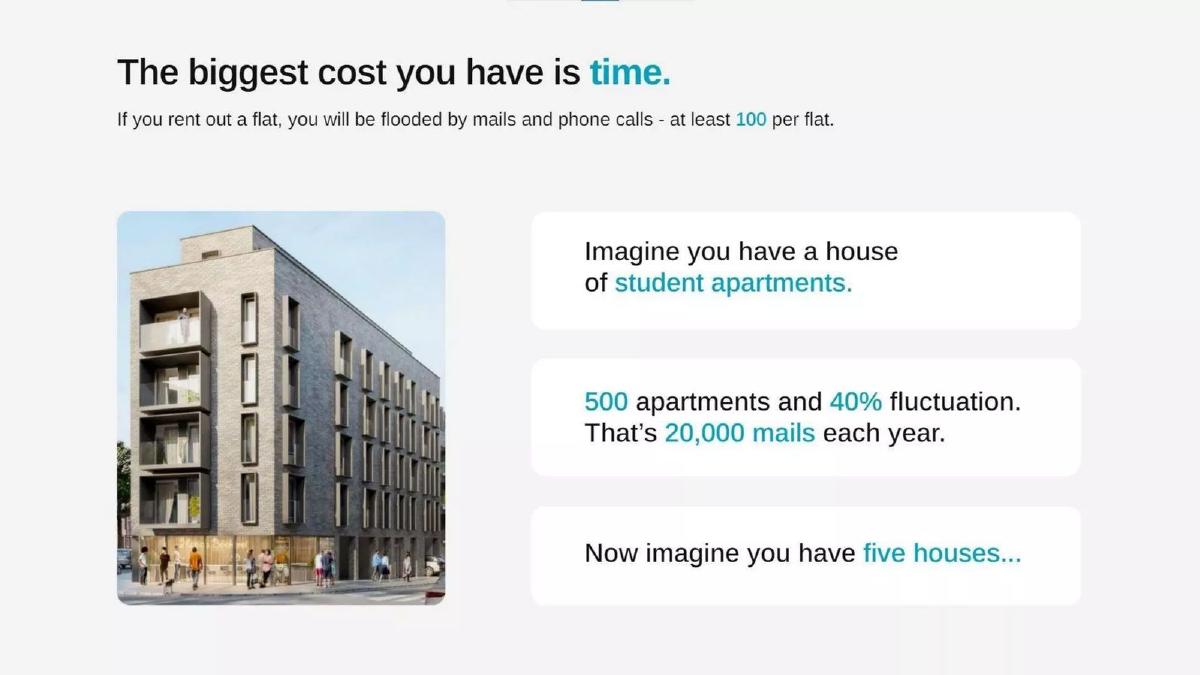
- The deck identifies a specific administrative bottleneck: landlords receiving over 100 inquiries per flat (Slide 2).
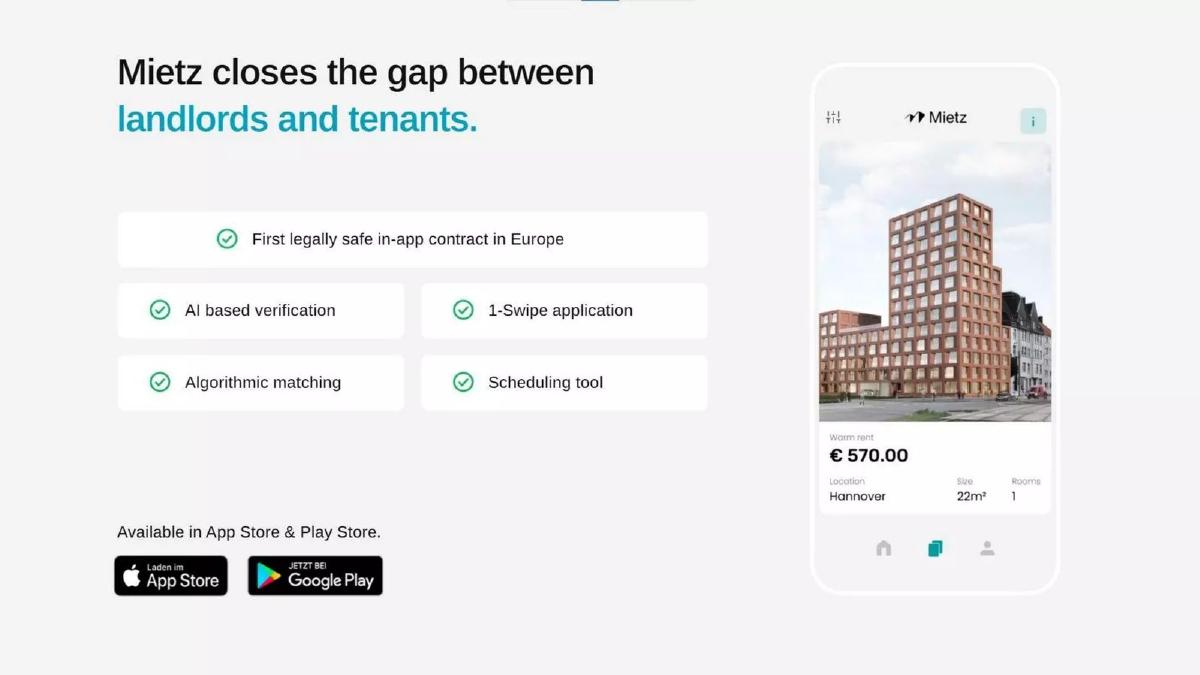
- Mietz claims to offer the first legally safe in-app rental contract in Europe (Slide 3).
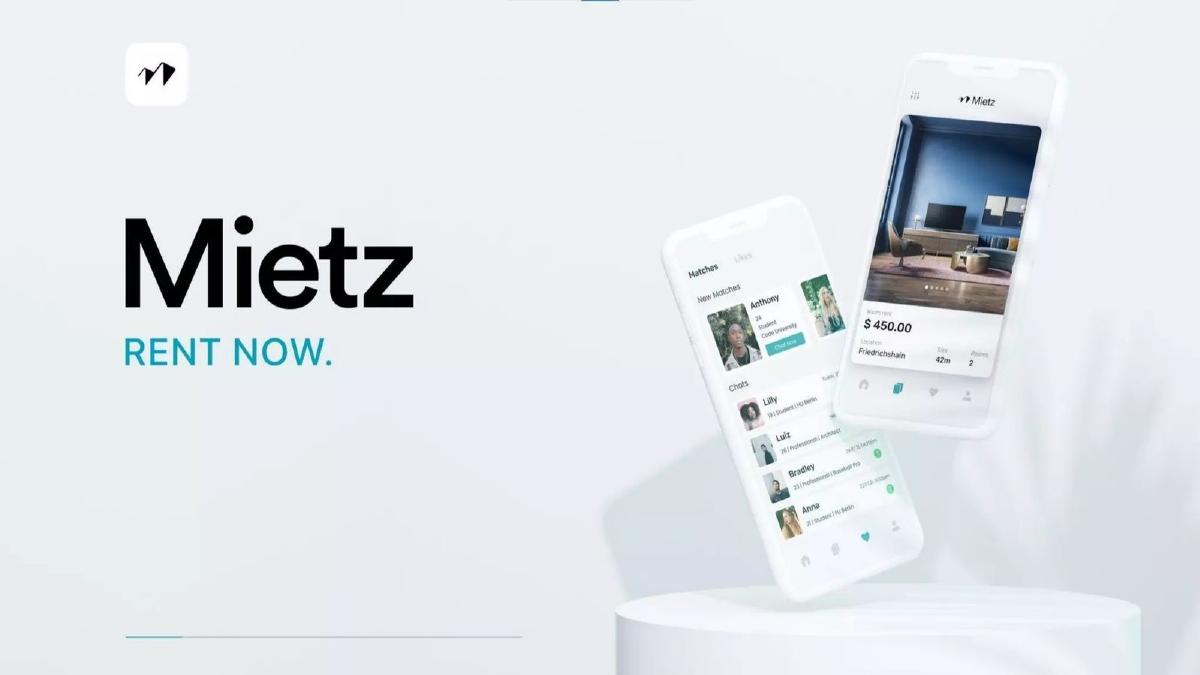
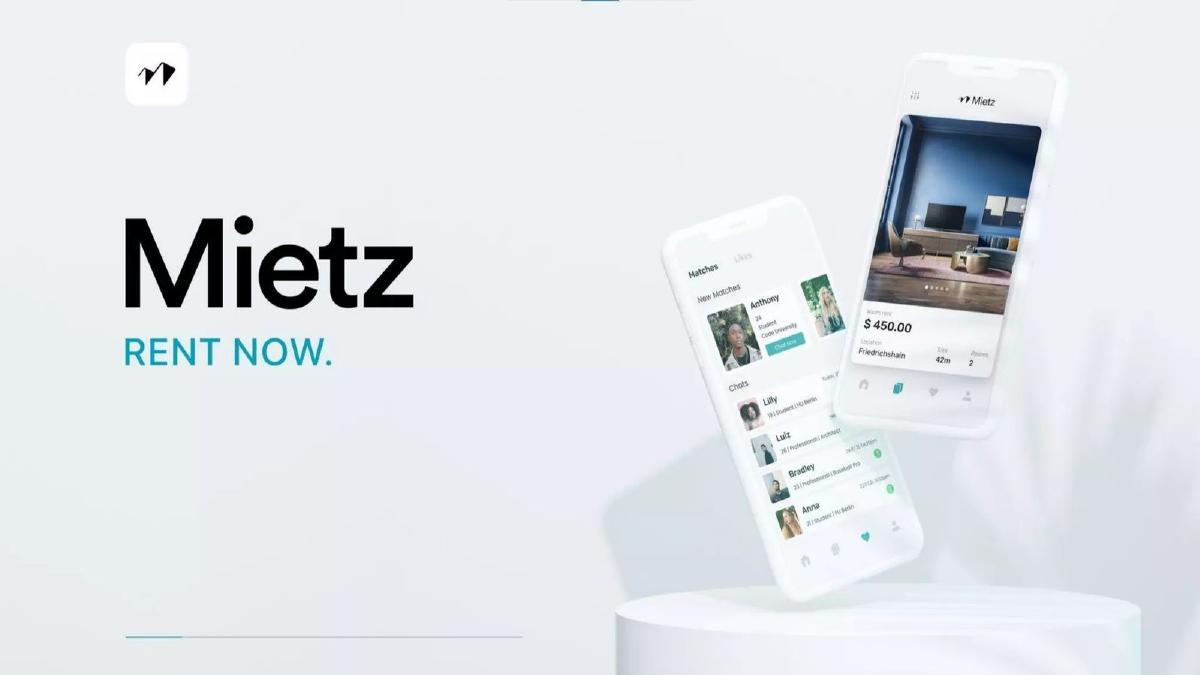
- The product uses a swipe-based interface for applications, mirroring modern social and dating app UX (Slide 1, Slide 3).
- The startup relies on automation features like AI-based verification and algorithmic matching to differentiate itself (Slide 3).
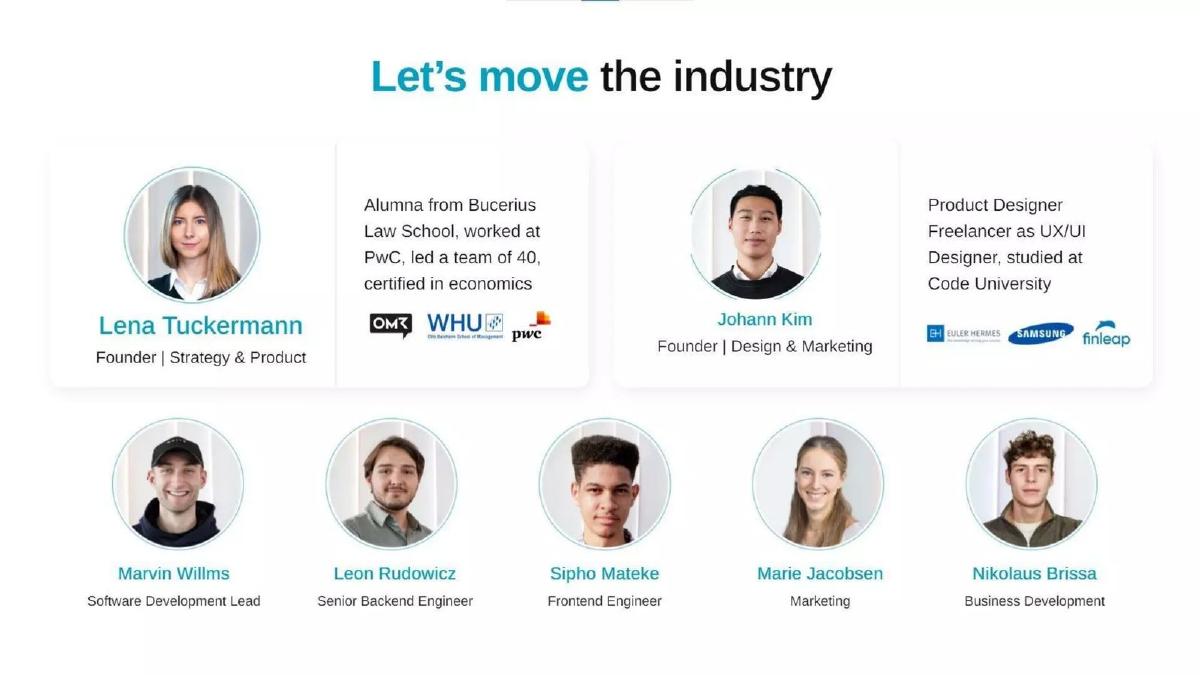
- Founder Lena Tuckermann brings significant corporate and legal signal, having led a team of 40 and worked at PwC (Slide 5).
- The deck completely omits a business model, competition analysis, and go-to-market strategy.
- There is no explicit 'Ask' slide detailing the $1,000,000 raised or how the funds will be allocated.
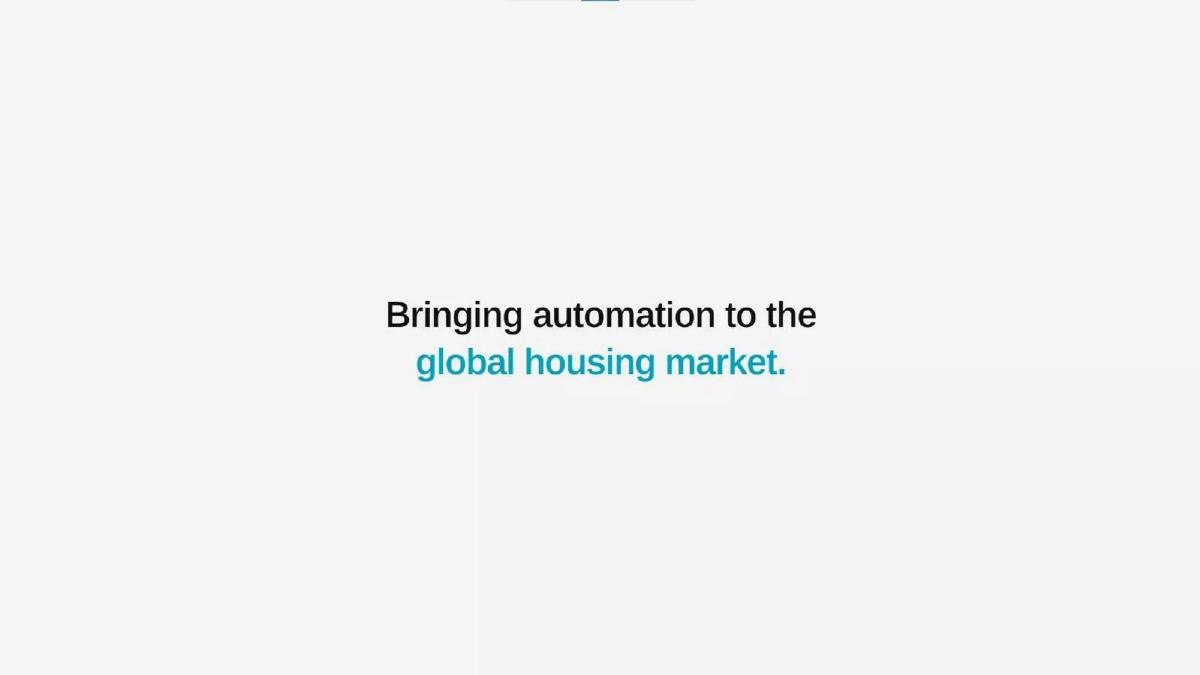
- The vision is framed as 'bringing automation to the global housing market,' suggesting a scale far beyond its initial German context (Slide 4).
The 6-Slide Pre-Seed Strategy
The Mietz pitch deck is an anomaly in the world of fundraising. While most founders struggle to condense their vision into 12 to 15 slides, Mietz managed to secure a $1,000,000 Pre-Seed round in 2021 using just six. This teardown explores a deck that prioritizes aesthetic clarity and founder pedigree over data density and market sizing.
Slide 1: Title and Visual Hook
The opening slide introduces the brand name 'Mietz' alongside the tagline 'RENT NOW.' The visual focus is on two high-fidelity mobile mockups. One screen shows a 'Matches' interface with user profiles (Anthony, Lilly, Luiz), while the other displays an apartment listing for €450.00 in Friedrichshain. The UI clearly mimics the 'swipe and match' mechanics of modern dating apps, immediately communicating the product's user experience without needing a single bullet point of explanation.
Slide 2: The Problem – The Time Tax
Slide 2 shifts the focus to the landlord's perspective. It uses a bold headline: 'The biggest cost you have is time.' The slide provides a specific, quantifiable pain point: renting out a flat results in at least 100 emails and calls. It then scales this problem using a hypothetical student apartment building with 500 units and a 40% fluctuation rate, resulting in 20,000 emails per year. By ending with 'Now imagine you have five houses...', the deck forces the investor to do the math on a massive administrative burden that is ripe for automation.
Slide 3: The Solution – Closing the Gap
The third slide positions Mietz as the bridge between landlords and tenants. It lists five key features: 'First legally safe in-app contract in Europe,' 'AI based verification,' 'Algorithmic matching,' '1-Swipe application,' and a 'Scheduling tool.' The inclusion of the App Store and Google Play badges at the bottom indicates that the product is live or imminent, moving the conversation from 'idea' to 'execution.' The visual of a modern apartment building in Hannover reinforces the focus on the German market.
Slide 4: The Vision
Slide 4 is a minimalist transition slide that states the company's long-term ambition: 'Bringing automation to the global housing market.' By using the word 'global,' the founders signal that while they are starting with German rentals, the underlying technology is intended to be a scalable, international platform. This is the closest the deck gets to a 'Market' slide, though it lacks any TAM/SAM/SOM data.
Slide 5: The Team – High Signal Founders
In a deck this short, the team slide must do heavy lifting. Slide 5 introduces Lena Tuckermann (Strategy & Product) and Johann Kim (Design & Marketing). Tuckermann's profile is particularly strong for a Pre-Seed stage: Alumna from Bucerius Law School, former PwC employee, and experience leading a team of 40. The logos for WHU, PwC, Samsung, and Finleap provide institutional credibility. The slide also lists five additional team members in engineering, marketing, and business development, suggesting a fully-formed core team rather than just two founders in a garage.
Slide 6: Call to Action
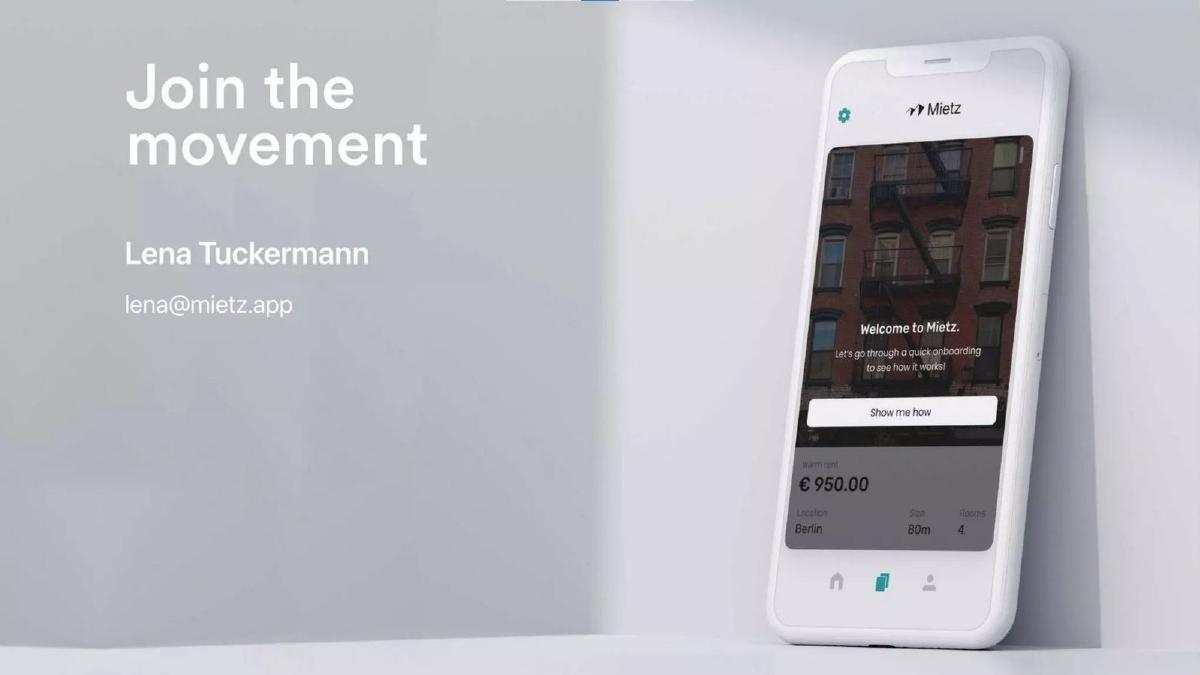
The final slide is a standard contact page with the heading 'Join the movement.' It features another mobile mockup showing the onboarding screen ('Welcome to Mietz') and provides Lena Tuckermann’s email address. There is no mention of the $1,000,000 raise amount or the terms of the round, which is consistent with the minimalist approach of the rest of the deck.
What Works in the Mietz Deck
The most successful element of this deck is its extreme focus . By identifying a single, painful metric—20,000 emails per year for a mid-sized property manager—Mietz makes the need for their product undeniable. They don't waste time explaining that the housing market is big; they assume the investor knows it is big and instead focus on why the current process is broken.
The UI/UX transparency is another highlight. By showing the app's interface on three out of the six slides, the founders demonstrate that they have a finished product (or a very high-fidelity prototype). This reduces the 'product risk' in the eyes of an investor. Finally, the founder-market fit is well-established on Slide 5. Lena Tuckermann’s legal background is a perfect match for a company claiming to offer the 'first legally safe in-app contract' in a highly regulated market like Germany.
What is Missing
The omissions in this deck are significant and would likely not pass muster in a Seed or Series A round. There is no Market Size (TAM) slide, which usually helps investors understand the potential ceiling of the investment. There is no Business Model slide, leaving it unclear whether Mietz is a SaaS platform for landlords, a transaction-based marketplace, or an ad-supported listing site.
Furthermore, the deck lacks a Competition slide. The PropTech space is crowded with legacy players and well-funded startups; failing to acknowledge them can sometimes be perceived as a lack of market awareness. Finally, the absence of an 'The Ask' slide is notable. While this information is often shared in the body of an email or a verbal pitch, including it in the deck provides a clear goalpost for the conversation.
What a Founder Should Copy
Founders should emulate Mietz's quantification of the problem . Instead of saying 'landlords are busy,' they said '20,000 emails per year.' Specificity creates urgency. Additionally, the clean, consistent design is worth copying. The deck uses a limited color palette (teal and white) and high-quality imagery, which makes the company feel professional and 'premium' despite its early stage.
Lastly, the 'Feature-to-Benefit' alignment on Slide 3 is excellent. They don't just list features; they list features that directly solve the time-cost problem established on Slide 2. If you are building a tool for a specific persona (like a landlord), every slide should reinforce how you are making their life easier or more profitable.
Frequently asked questions
- How did Mietz raise $1M with only 6 slides?
- At the Pre-Seed stage, investors often bet on the team and the clarity of the problem. Mietz's deck features a founder with a strong background (PwC, Bucerius Law School) and a very specific, relatable pain point for landlords: the '20,000 mails' problem. The high-fidelity app mockups also suggest the product was well into development, reducing execution risk.
- What is the primary value proposition for landlords in this deck?
- The primary value is time reclamation. Slide 2 quantifies the burden of manual rental management, showing that 500 apartments with a 40% fluctuation rate result in 20,000 emails annually. Mietz promises to solve this through automation, AI verification, and algorithmic matching.
- Does the deck mention a business model or revenue streams?
- No. The 6-slide deck is entirely silent on how Mietz intends to make money. There is no mention of SaaS fees, transaction fees on contracts, or premium listings. This is a significant omission that would typically be addressed in a follow-up meeting or a more comprehensive data room.
- What is the '1-swipe application' mentioned on Slide 3?
- This refers to the user experience for tenants. By adopting the 'swipe' mechanic popularized by dating apps, Mietz aims to lower the friction of applying for apartments. This is paired with 'AI based verification' to ensure that these low-friction applications are still high-quality for the landlord.
- Is there any mention of the competitive landscape in PropTech?
- The deck does not include a competition slide. It ignores existing players like Zillow, ImmoScout24, or other rental management platforms. Instead, it focuses on its unique claim of having the 'first legally safe in-app contract in Europe' as its primary competitive moat.