Doorvest’s 9-slide seed deck is exceptionally lean, focusing on the core value proposition of democratizing real estate investment for urban professionals. The deck relies heavily on social proof, leading with a slide that showcases the pedigree of its existing investors and their previous successes in companies like Honey, Opendoor, and Credit Karma. By identifying a specific market friction—the high cost of entry for millennials in their local markets—Doorvest positions its platform as the bridge to high-yield, out-of-state rental properties. While the deck lacks a traditional team slide or…
Key takeaways
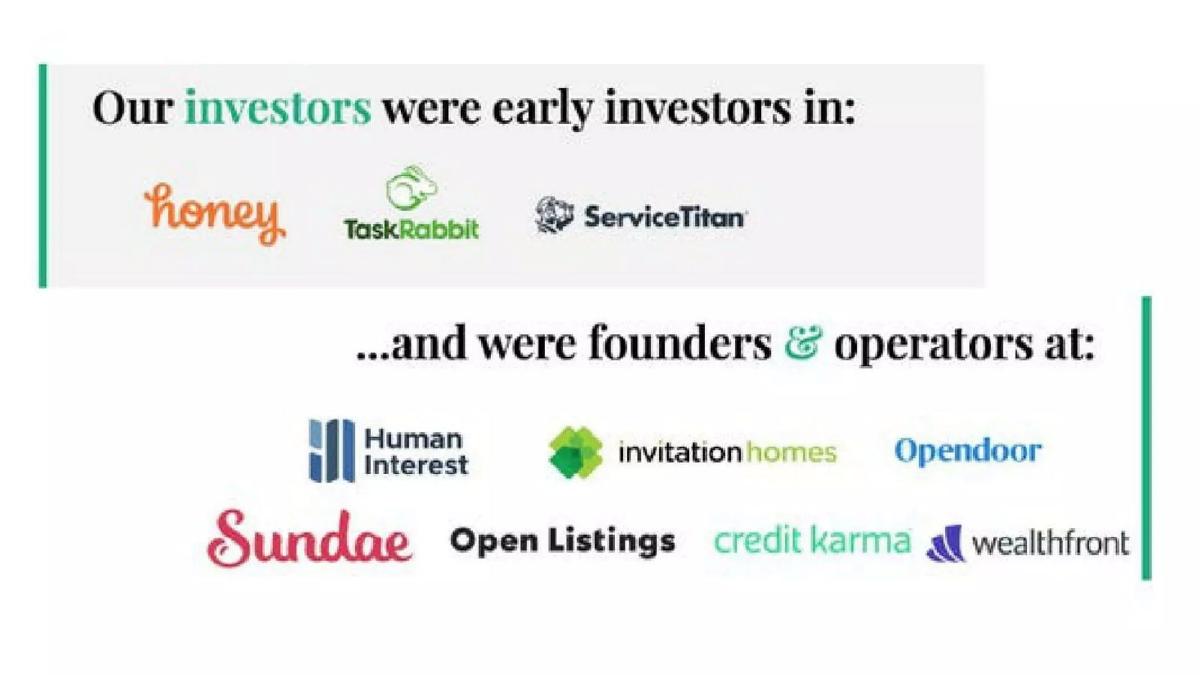
- The deck leads with social proof, highlighting investors who were early in Honey, TaskRabbit, and ServiceTitan (Slide 3).
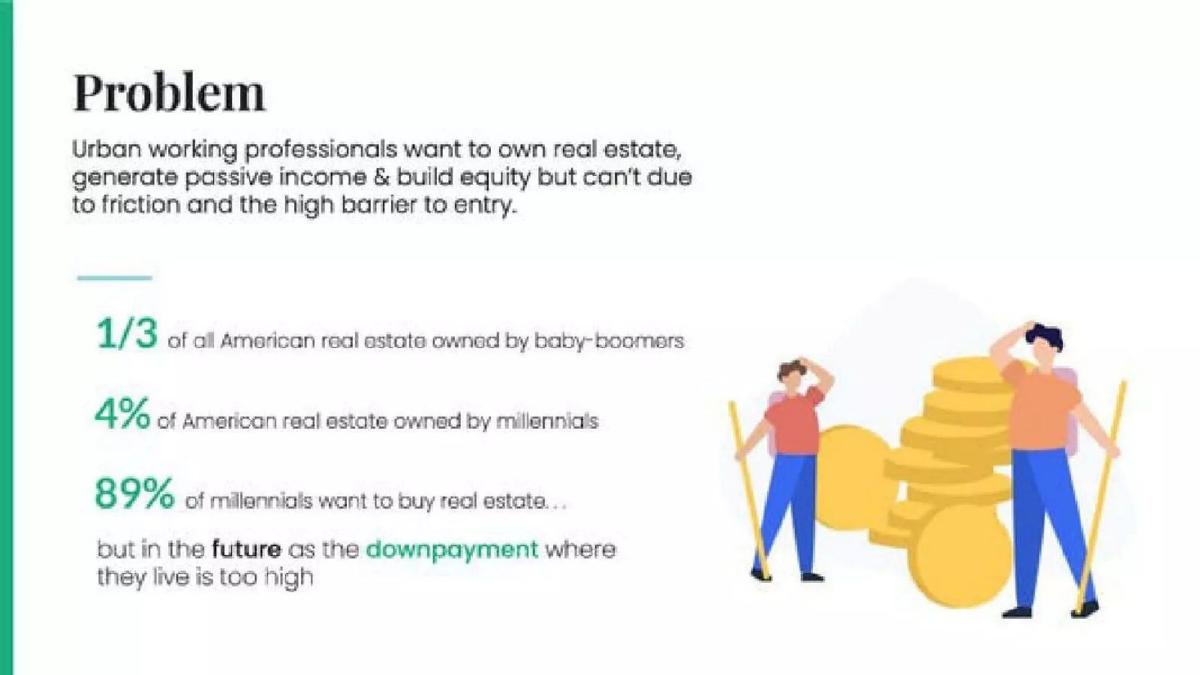
- It identifies a stark generational wealth gap: baby boomers own 1/3 of American real estate, while millennials own only 4% (Slide 4).
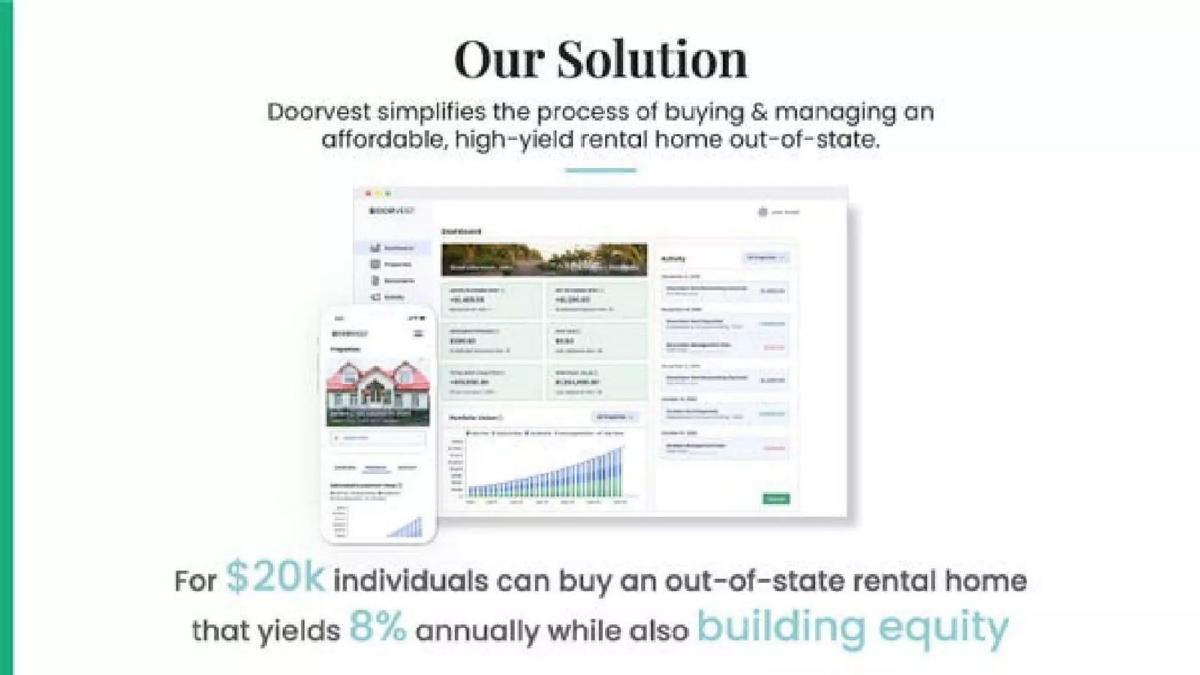
- The solution targets a specific price point, claiming individuals can buy out-of-state rental homes for $20k (Slide 5).
- Doorvest promises an 8% annual yield and 8-12% cash-on-cash returns (Slides 5 and 6).
- The deck explicitly lists 'Three Core Risks': Trust/Brand, Capital Markets, and Scaling Operations (Slide 7).
- A customer testimonial provides specific ROI metrics, including an 18% average annual return for a network engineer (Slide 8).
- The funding ask is clearly stated as $2.5M to accelerate progress, expand the team, and enter new markets (Slide 9).
- The deck omits a dedicated team slide, choosing instead to focus on the founders' and operators' previous company affiliations (Slide 3).
The Lean Seed Deck: Doorvest's 9-Slide Strategy
Doorvest’s seed deck is a masterclass in high-signal, low-noise communication. At just 9 slides, it avoids the common pitfall of over-explaining the mechanics of real estate and instead focuses on the who and the why . By the time an investor reaches the final slide, they have seen a clear problem, a validated solution, and a list of high-tier backers that suggest this is a team worth betting on.
The Hook: Mission and Pedigree (Slides 1-3)
Slide 1: Title The deck opens with a clean, branded title slide. It identifies the round as the 'Investor Presentation: Seed Funding Round.' This immediately sets the stage for the stage of the company and the purpose of the meeting.
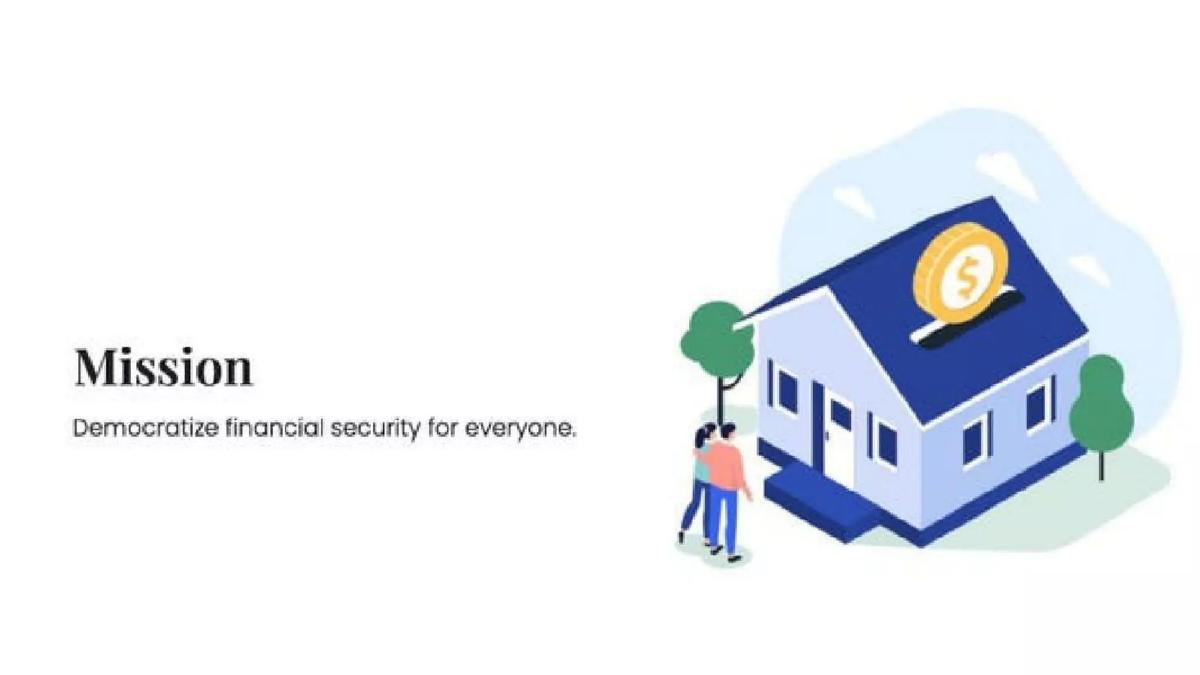
Slide 2: Mission The mission is stated simply: 'Democratize financial security for everyone.' The accompanying illustration of a house being used as a piggy bank reinforces the idea of real estate as a savings and wealth-building vehicle rather than just a place to live.
Slide 3: Social Proof as a Foundation Instead of a traditional team slide, Doorvest leads with their investors. This is a strategic move for a seed-stage company. They highlight that their investors were early in massive successes like Honey , TaskRabbit , and ServiceTitan . Furthermore, they note that their backers were founders and operators at fintech and proptech giants including Opendoor , Credit Karma , Wealthfront , and Invitation Homes . This slide does the heavy lifting of establishing credibility before the business model is even fully explained.
The Problem and Solution (Slides 4-6)
Slide 4: The Generational Real Estate Gap Doorvest uses stark statistics to define the problem. They note that while 1/3 of all American real estate is owned by baby-boomers , only 4% is owned by millennials . The friction point is clearly identified: 89% of millennials want to buy, but the downpayment where they live is too high. This creates a 'barrier to entry' that Doorvest intends to dismantle.
Slide 5: The Doorvest Solution The solution is presented as a simplification of the buying and managing process for out-of-state rental homes. The value proposition is quantified: for $20k , an individual can buy a home that yields 8% annually while building equity. The slide includes a mockup of a dashboard, showing that this is a tech-enabled platform, not just a brokerage service.
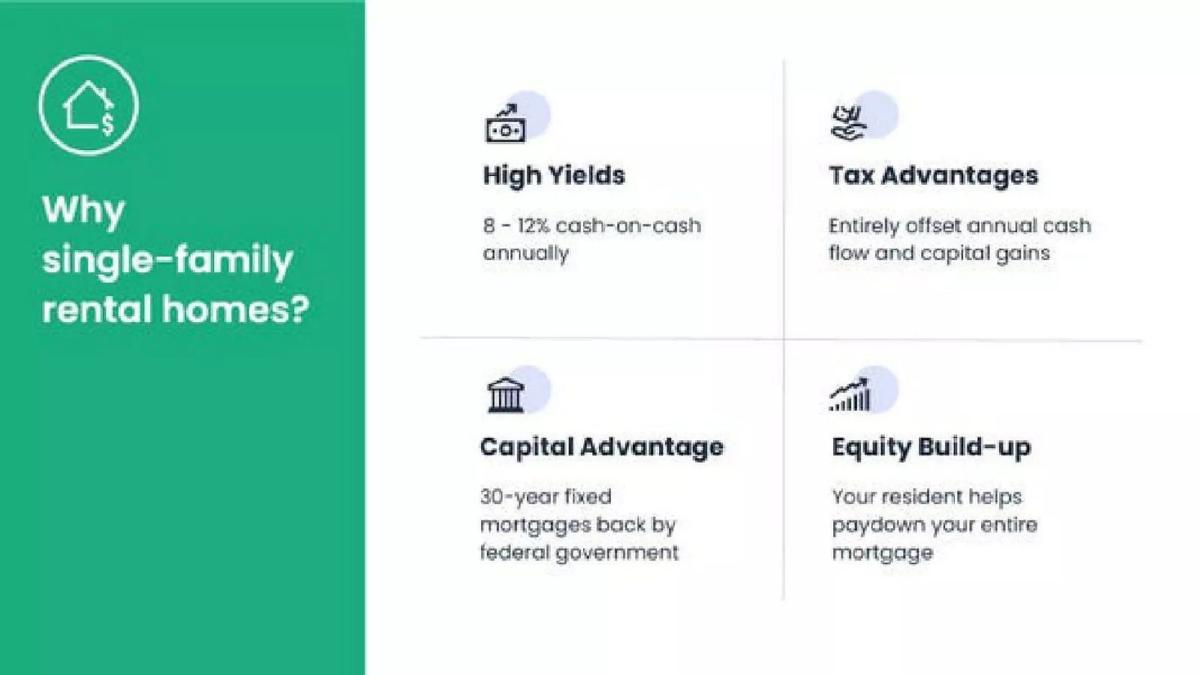
Slide 6: Why Single-Family Rentals? This slide justifies the asset class. It lists four key advantages:
High Yields: 8-12% cash-on-cash annually. · Tax Advantages: Offsetting annual cash flow and capital gains. · Capital Advantage: 30-year fixed mortgages backed by the federal government. · Equity Build-up: Residents paying down the mortgage.
This slide speaks directly to the financial logic of the investment, appealing to the investor's understanding of asset performance.
Risk, Validation, and The Ask (Slides 7-9)
Slide 7: Three Core Risks In a rare move for a seed deck, Doorvest includes a slide on risks. They identify Trust/Brand , Capital Markets , and Scaling Operations as their primary hurdles. This transparency actually builds trust with investors, showing that the founders are thinking critically about the 'moats' they need to build and the external factors that could impact the business.
Slide 8: Customer Validation The deck uses a testimonial from 'Kara T.,' a network engineer. The slide provides hard numbers to back up the emotional quote: a $3.6k cash flow increase , $55k equity within 5 years , and an 18% average annual return . This moves the pitch from theoretical to practical, showing that the platform already works for its target demographic.
Slide 9: The $2.5M Ask The final slide is the 'Ask.' Doorvest is raising $2.5M to achieve three goals:
Accelerating progress: Scaling customer adoption. · Expand team: Growing the founding team. · Market expansion: Broadening reach and demonstrating repeatability.
The language here is precise—'demonstrate repeatability' is a key phrase that investors look for at the seed stage before committing to a Series A.
What Works in the Doorvest Deck
1. Extreme Brevity: At 9 slides, the deck can be consumed in under three minutes. It respects the investor's time while hitting every essential note of a seed-stage pitch.
2. Front-Loading Credibility: By placing the investor and operator pedigree on Slide 3, Doorvest answers the 'Why you?' question immediately. If people from Opendoor and Wealthfront are involved, the technical and operational hurdles are assumed to be manageable.
3. Quantified Value Proposition: The deck doesn't just say 'we make it easy to buy houses.' It says 'For $20k individuals can buy an out-of-state rental home that yields 8%.' These specific numbers make the product tangible and the market opportunity easy to calculate.
What is Missing from the Doorvest Deck
1. A Dedicated Team Slide: While Slide 3 mentions where investors and operators came from, there are no headshots or bios for the actual founders. Investors at the seed stage typically invest in people first; omitting the founders' specific backgrounds is a notable gap.
2. Unit Economics: The deck explains what the customer makes (8-12% yield), but it does not explain how Doorvest makes money. Is there a transaction fee? A management fee? A spread on the renovation? Without this, the scalability of the business model is unclear.
3. Competitive Landscape: There is no mention of other players in the fractional or remote real estate space (like Roofstock or Arrived). A slide showing how Doorvest differs from existing 'turnkey' providers would have strengthened the 'Scaling Operations' risk argument.
What a Founder Should Copy
1. The 'Three Core Risks' Slide: Founders often try to hide risks. Doorvest puts them front and center. This allows you to control the narrative around those risks and explain your mitigation strategy during the Q&A.
2. The Problem/Solution Symmetry: Slide 4 identifies 'high downpayments' as the friction; Slide 5 offers '$20k' as the solution. This direct 1:1 mapping of problem to solution is the hallmark of a clear product-market fit narrative.
3. Using Customer Persona Testimonials: Instead of a generic quote, Doorvest uses a 'Network Engineer.' This tells investors exactly who the target customer is: a high-earning professional with no time to manage property. It defines the 'Urban working professional' mentioned in the problem slide without needing a separate 'Target Market' slide.
Frequently asked questions
- What is the primary problem Doorvest aims to solve?
- Doorvest addresses the high barrier to entry for urban working professionals who want to own real estate. According to slide 4, while 89% of millennials want to buy real estate, high down payments in their local areas prevent them from doing so. Doorvest facilitates out-of-state investing to bypass these local cost barriers.
- How does Doorvest demonstrate its market validity?
- The company uses a combination of macro statistics and individual social proof. Slide 4 highlights the 4% real estate ownership rate among millennials, while slide 8 features a testimonial from a customer named Kara T., citing a $3.6k cash flow increase and an 18% average annual return.
- What are the expected returns for a Doorvest investor?
- The deck mentions several return metrics. Slide 5 states that a $20k investment can yield 8% annually. Slide 6 further specifies 'High Yields' of 8-12% cash-on-cash annually, while a customer testimonial on slide 8 claims an 18% average annual return.
- What is the specific funding ask in this deck?
- On slide 9, Doorvest explicitly states they are raising $2.5M. The funds are earmarked for three specific goals: accelerating progress (scaling customer adoption), expanding the founding team, and market expansion to demonstrate the repeatability of their model.
- Does the deck address potential risks?
- Yes, slide 7 is dedicated to 'Three Core Risks': Trust/Brand, Capital Markets, and Scaling Operations. This level of transparency is rare in seed decks and suggests the founders have a realistic understanding of the operational hurdles in real estate tech.