The DotZero deck, dating back to late 2012, outlines a mission to build a foundational tech ecosystem in Karachi, Pakistan. Operating under the project name 'Indus 500,' the initiative seeks to bridge the gap between local talent and the global Pakistani diaspora through a physical coworking space, structured mentorship, and eventual incubation. The deck is notable for its 'Individual Investment Opportunity' slide, which frames financial contributions as donations ranging from $500 to $5,000, suggesting a non-profit or community-interest start. While it lacks traditional venture metrics like…
Key takeaways
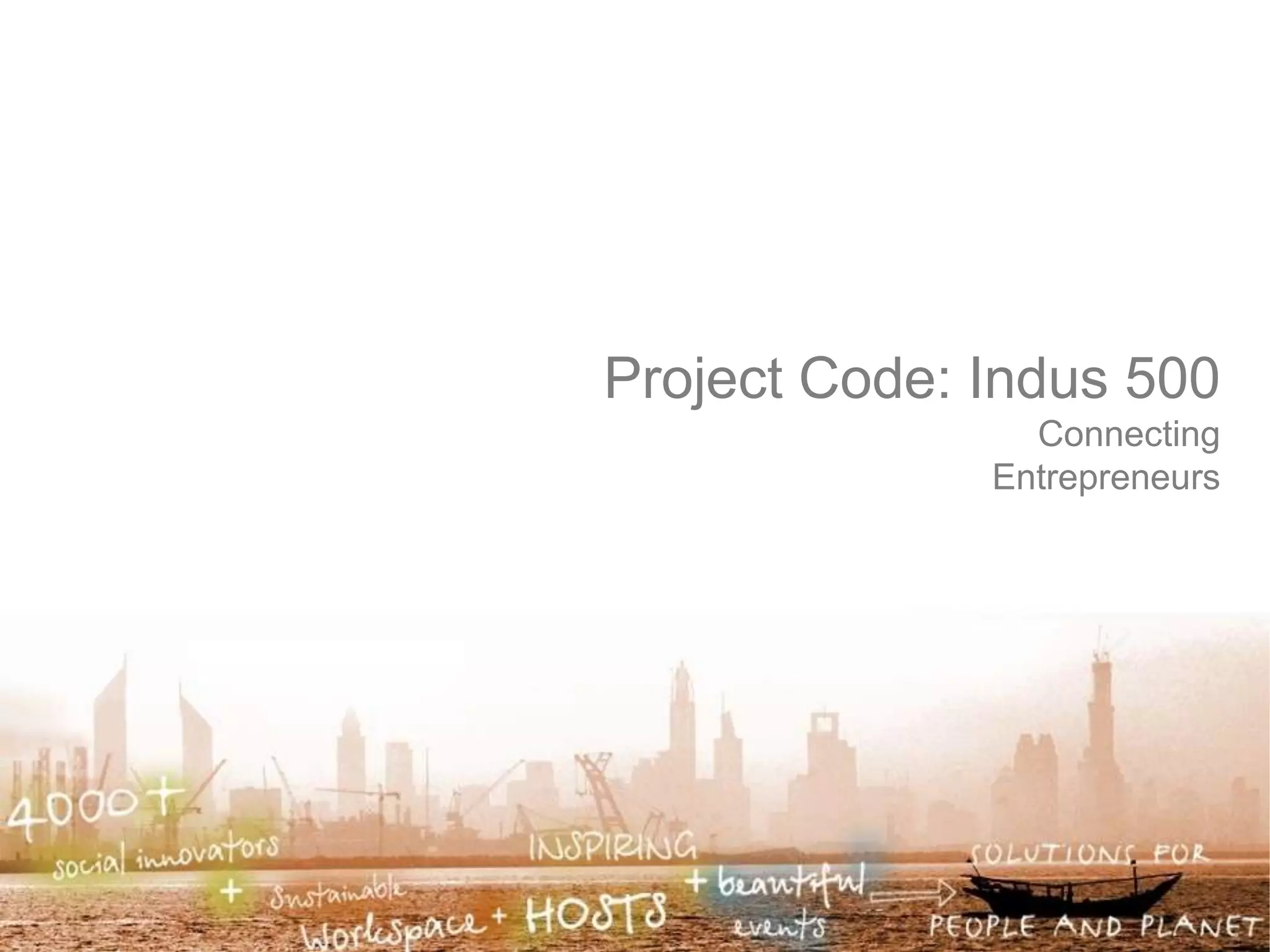
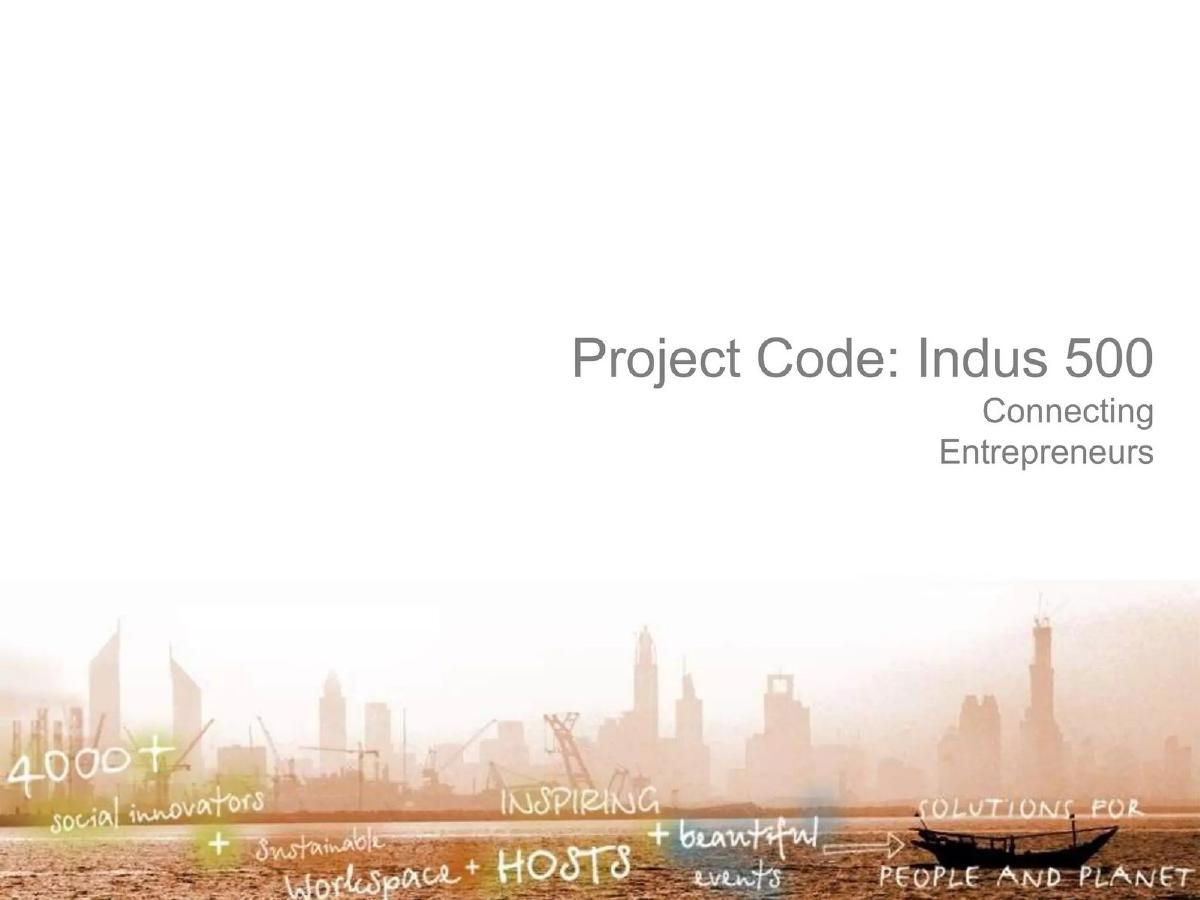
- The project was initially codenamed 'Indus 500' with a focus on connecting entrepreneurs (Slide 1).
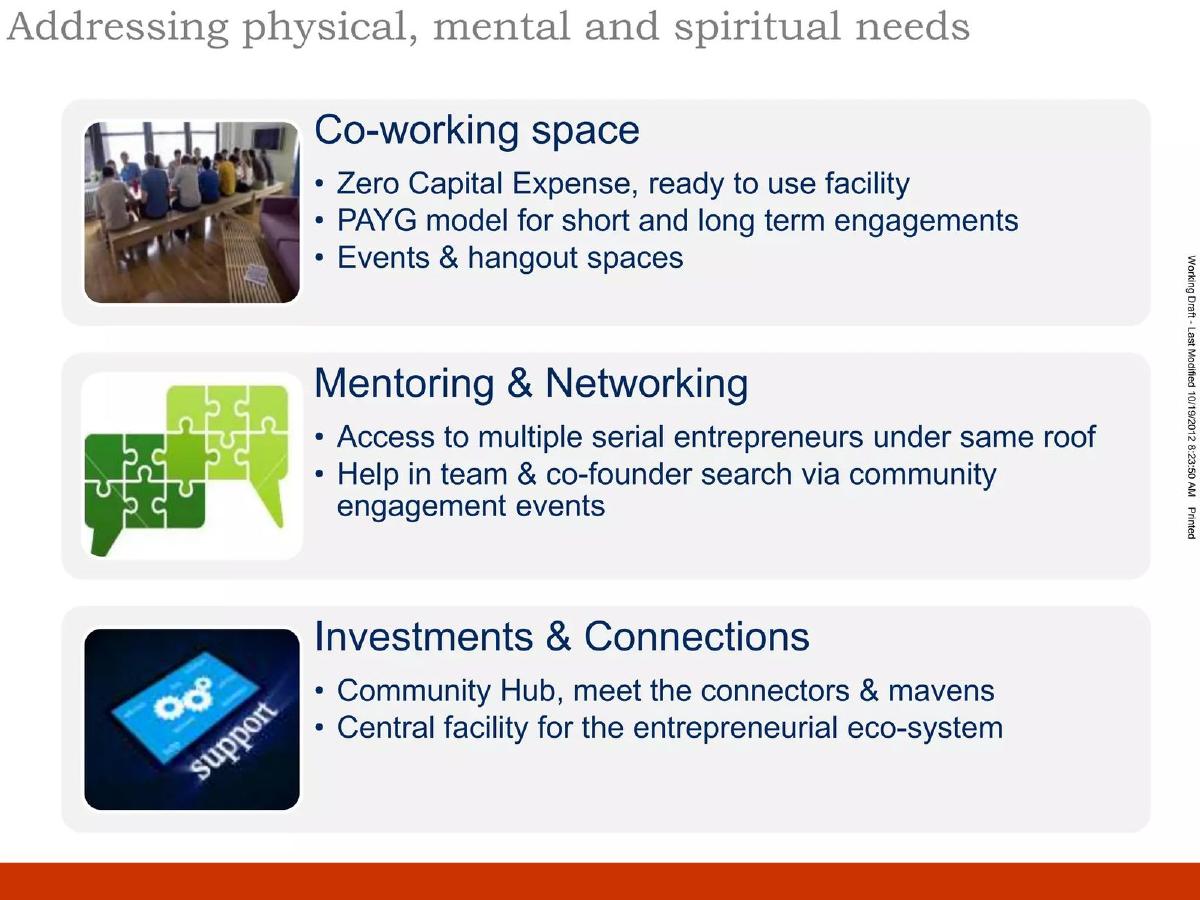
- The business model is built on three pillars: Co-working space, Mentoring & Networking, and Investments & Connections (Slide 2).
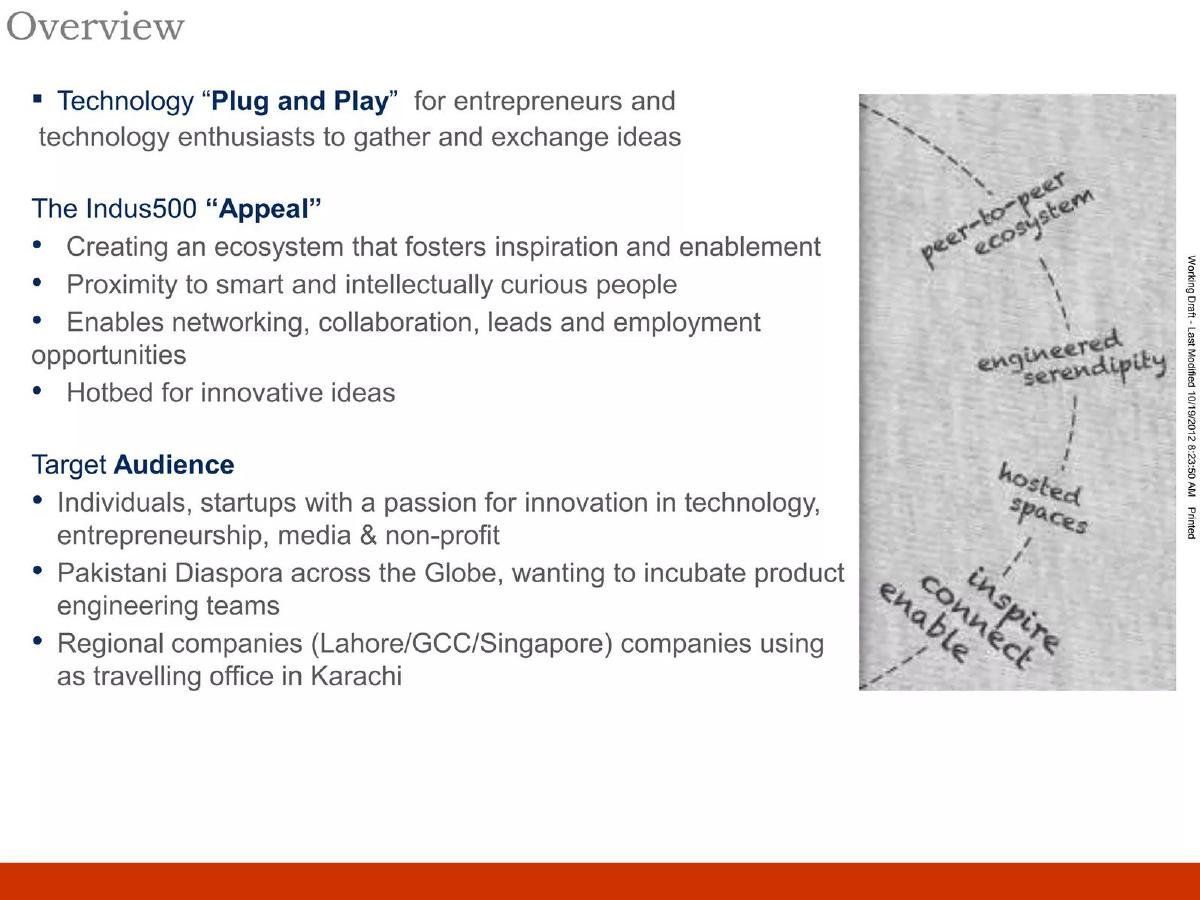
- Target audiences include the Pakistani Diaspora looking to incubate engineering teams and regional companies from Lahore, GCC, and Singapore (Slide 3).
- The strategy focuses on four specific ICT verticals: Development, Mobility, Women, and Teens (Slide 4).
- The physical facility is planned as a 7,500 sq ft space on the 14th floor of a modern office building with 24/7 access (Slide 5).
- A three-year roadmap outlines a progression from a Plug and Play Center in 2013 to Incubation and Investments by 2015 (Slide 7).
- The 'ask' is framed as a donation ranging from USD 500 to USD 5,000 for individual investors (Slide 8).
- Corporate branding opportunities include naming rights for the facility, working zones, and the cafe (Slide 9).
Project Code: Indus 500 — The Foundation of DotZero
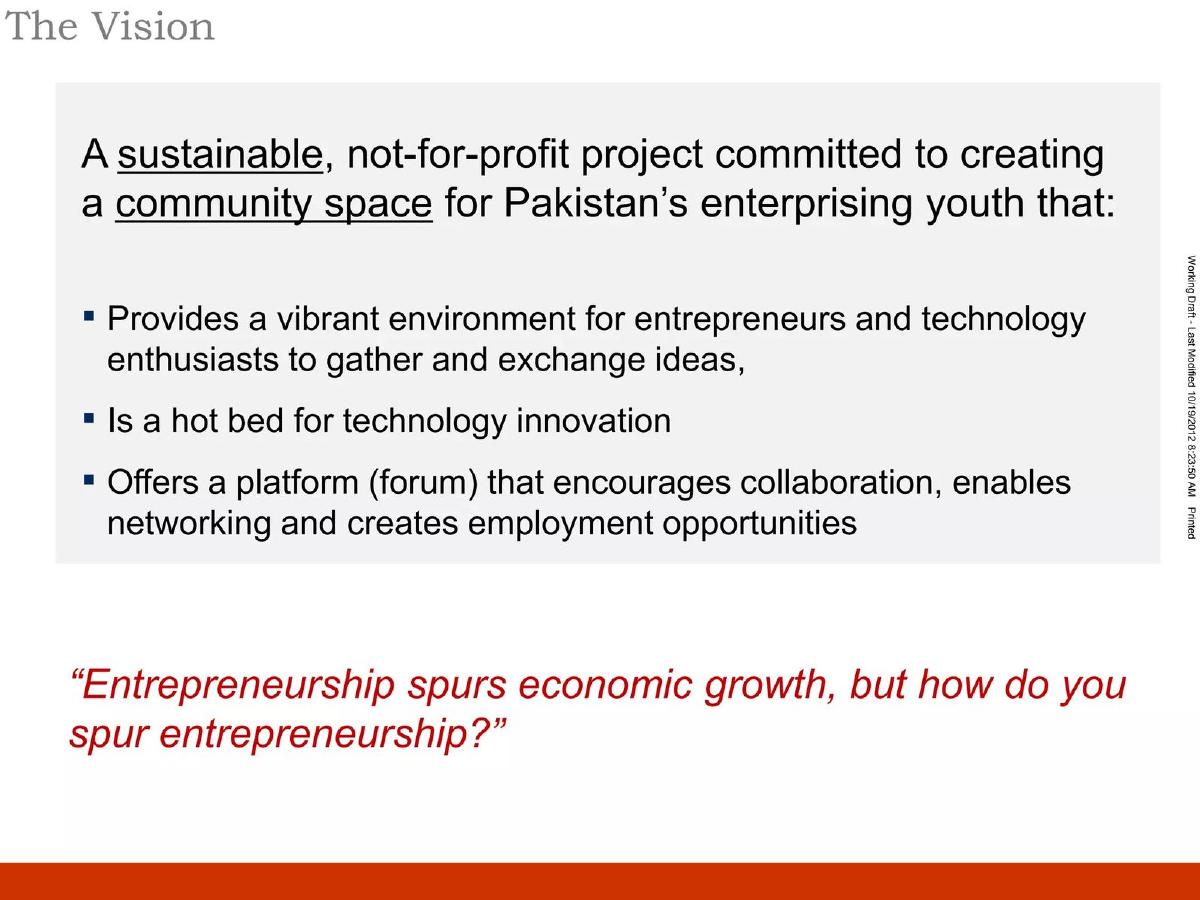
The pitch deck for DotZero, formerly known as Karachi Plug and Play, represents a foundational document for the Pakistani tech ecosystem. Dated via metadata to late 2012, the deck outlines a vision for 'Project Code: Indus 500,' a centralized hub designed to foster innovation in Karachi. The presentation is less of a high-growth software pitch and more of a real estate and community infrastructure proposal. It seeks to solve the lack of physical and social infrastructure for entrepreneurs in the region.
Slide 1: Title and Vision
The opening slide introduces the project codename 'Indus 500' and the primary mission: 'Connecting Entrepreneurs.' The background imagery features a stylized Karachi skyline and a traditional boat, blending modern aspirations with local identity. Text overlays mention '4000+ social innovators,' 'Sustainable Workspace,' and 'Solutions for People and Planet,' establishing a strong social impact narrative from the outset.
Slide 2: The Three Pillars of Service
Under the heading 'Addressing physical, mental and spiritual needs,' the deck divides its offering into three distinct categories: Co-working space , Mentoring & Networking , and Investments & Connections . The co-working component emphasizes a 'Zero Capital Expense' and 'PAYG (Pay-As-You-Go) model.' The mentoring section promises access to serial entrepreneurs and help with co-founder searches. The final pillar positions the facility as a 'Central facility for the entrepreneurial eco-system,' emphasizing its role as a community hub.
Slide 3: Overview and Target Audience
This slide defines the project as a 'Technology "Plug and Play"' for enthusiasts to exchange ideas. It introduces the concept of 'engineered serendipity'—a common theme in coworking spaces where physical proximity leads to collaboration. The target audience is segmented into three groups: local startups, the global Pakistani Diaspora looking to build engineering teams, and regional companies (specifically mentioning Lahore, GCC, and Singapore) needing a Karachi base.
Slide 4: Niches & Themes
DotZero identifies four specific verticals to focus its approach. All fall under the 'TED space' (Technology, Entertainment & Design) with an ICT component. The four quadrants shown are: ICT for Development , ICT for Mobility , ICT for Women , and ICT for Teens . This indicates a strategic choice to not just be a general office provider, but to curate a community around specific socio-economic goals.
Slide 5: Proposed Site Plans
This slide provides concrete details about the physical asset. The facility is described as a 7,500 sq ft space on the 14th floor of a 'modern office building.' Key features include 24/7 access, a 270-degree view of Karachi, and proximity to major institutions like the National IT Parks, PSEB, and several leading universities (KU, NED, IBA, etc.). The inclusion of 'Parking for 500 cars' addresses a significant logistical pain point in Karachi's urban environment.
Slide 6: Interior Concepts
Slide 6 uses a mood board of images to convey the intended aesthetic. It showcases 'Casual Seating,' 'Open Workspace,' 'Conference Rooms,' and 'Café and Recreation' areas. The visuals suggest a minimalist, modern design consistent with international coworking standards, aimed at providing a professional yet creative atmosphere.
Slide 7: The Three-Year Roadmap
The roadmap is presented as a staircase of growth. 2013 is the launch year for the Plug and Play Center and networking events. 2014 marks the introduction of a Startup Acceleration Program. 2015 is the target for full Incubation and Investments. This shows a logical progression from providing space to providing capital and structured growth support.
Slide 8: Individual Investment Opportunity
This is one of the most unique slides in the deck. Rather than a traditional equity ask, it asks 'Why Donate?' and 'How Much Do I need to Donate?' The suggested range is USD 500 to USD 5,000 . The timeline for disbursements is listed as May – July 2013. This framing suggests the founders were initially seeking philanthropic or 'angel-donor' support to get the physical space off the ground before transitioning to a more commercial investment model.
Slide 9: Corporate Branding Ideas
To supplement individual donations, the deck proposes corporate sponsorships. It lists examples of how brands could be integrated into the space, such as the 'Apple Plug & Play Center' or a 'Red Bull Café.' It also suggests sponsorships for business plan competitions and funding for social entrepreneurs. This demonstrates a diversified revenue strategy beyond just desk rentals.
What Works in This Deck
Clarity of Place: The deck does an excellent job of selling the physical necessity of the space. By listing specific nearby universities and government IT offices (Slide 5), the founders demonstrate a deep understanding of the local geography and where their target audience currently resides.
Phased Growth: The roadmap (Slide 7) is realistic. It acknowledges that you cannot run an effective incubator without first building a community (the Plug and Play Center) and a pipeline of talent. Starting with events and space is a proven way to build the 'top of the funnel' for later investments.
Targeting the Diaspora: Identifying the Pakistani Diaspora as a key stakeholder (Slide 3) is a savvy move. It taps into a group that has both the capital and the emotional incentive to support the local ecosystem but may lack the physical infrastructure to manage teams remotely.
What Is Missing
Financial Projections: While the deck mentions a 'PAYG model,' it provides no data on expected revenue per desk, operating costs for a 7,500 sq ft facility, or a break-even analysis. For a project requiring significant upfront capital for a build-out, these omissions are notable.
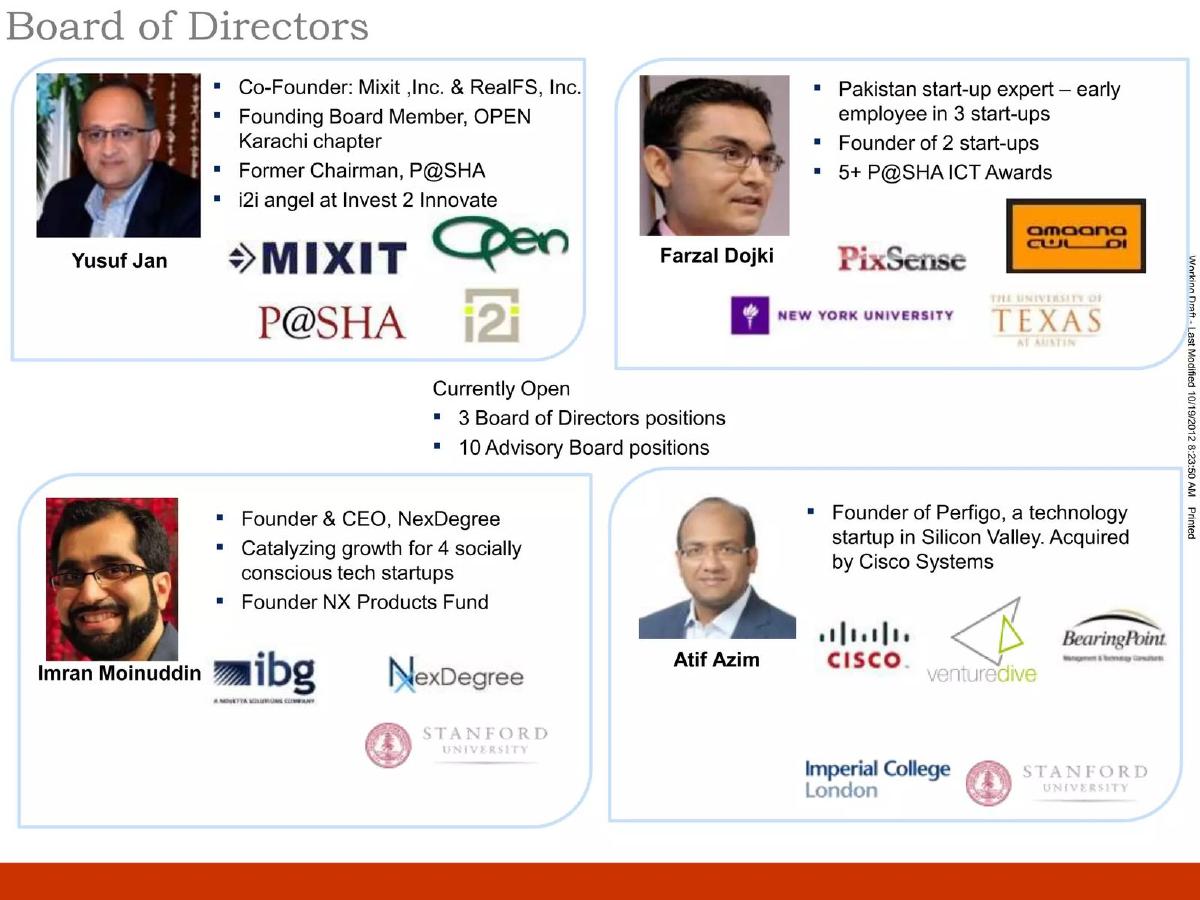
The Team: The provided slides do not include a team slide. In a community-driven project like an incubator, the pedigree and network of the founders are the most important assets. Without knowing who is leading 'Project Code: Indus 500,' it is difficult to assess the project's likelihood of success.
Competitive Landscape: The deck assumes a vacuum. It does not mention other existing office solutions or why a startup wouldn't simply rent a traditional office. It relies heavily on the 'community' aspect without proving that the community doesn't already exist elsewhere.
What a Founder Should Copy
Vertical Focus: Even for a general coworking space, having 'Niches & Themes' (Slide 4) is a great way to build a brand. By focusing on ICT for Women or Teens, DotZero creates a unique value proposition that differentiates it from a standard real estate play.
Low-Friction Entry: The 'Individual Investment Opportunity' (Slide 8) with a low entry point ($500) is a clever way to build a large group of stakeholders. Even if the dollar amount is small, having 100 people 'invested' in the project's success creates a powerful network effect.
Visualizing the Future: The use of interior concepts (Slide 6) helps potential donors and sponsors 'see' the finished product. For physical space projects, high-quality mood boards are essential for bridging the gap between a vacant floor and a vibrant hub.
Frequently asked questions
- Is DotZero a non-profit or a for-profit entity based on this deck?
- The deck is ambiguous but leans toward a community-interest or non-profit model initially. Slide 8 explicitly uses the word 'Donate' and frames the investment as 'for the encouragement and betterment of Pakistan’s youth.' However, Slide 7 mentions 'Incubation Investments' by 2015, suggesting a long-term plan for equity-based activity.
- What are the specific technical focus areas for the incubator?
- Slide 4 identifies four 'Niches & Themes' under the ICT (Information and Communication Technology) umbrella: ICT for Development, ICT for Mobility, ICT for Women, and ICT for Teens. This suggests a social-impact lens on traditional technology development.
- How does DotZero plan to attract international interest?
- According to Slide 3, the 'Overview' includes a target audience of the Pakistani Diaspora across the globe who want to incubate product engineering teams locally. It also positions the space as a 'travelling office' for companies based in Lahore, Singapore, and the GCC region.
- What are the physical specifications of the proposed hub?
- Slide 5 details a 7,500 sq ft facility located on the 14th floor of a modern building. It features a 270-degree view of Karachi, 125 feet of glass exterior, and parking for 500 cars within a 5-minute walk. The interior includes open workspaces, conference rooms, and a cafe (Slide 6).
- What is the timeline for the project's rollout?
- The roadmap on Slide 7 shows a phased approach: 2013 focuses on the Plug and Play Center and networking events; 2014 introduces a Startup Acceleration Program; and 2015 targets the launch of Incubation and Investments.