The 22222222000 (operating as a partnership between AEDES DK and UnderLand Ltd) proposes a multifaceted real estate development and hospitality strategy centered in Copenhagen. The deck outlines a mission to create sustainable, premium living spaces for expats and investors, uniquely integrating 'NFT art' and PropTech into physical properties. Revenue is projected to come primarily from boutique hotel operations (65%) and wine/coffee bars (20%), with smaller contributions from NFT gallery sales and traditional rental income. While the team slide highlights diverse expertise in architecture, l…
Key takeaways
- The company operates through a partnership between AEDES DK and UnderLand Ltd (Slide 3).
- Boutique Hotel Revenue is projected to be the primary income source at 65% of total revenue (Slide 5).
- The 'Christianshavn Luxury Hotel' is the flagship project in development, featuring integrated PropTech (Slide 6).
- 55% of the fund allocation is dedicated to Property Acquisition, with 25% for Renovations & ESG Upgrades (Slide 5).
- The business model includes a hospitality component consisting of wine, coffee, and sandwich bars (Slide 6).
- NFT art is cited as a core competitive advantage to 'redefine luxury living' and enhance property value (Slide 3, 4).
- The founding team includes an architect, an NFT art leader, and directors with UK and Copenhagen expertise (Slide 7).
- The deck omits a specific total funding target, valuation, or historical financial performance metrics.
Executive Summary: The Copenhagen Hybrid Model
The 22222222000 pitch deck presents a vision for a modern real estate development firm that functions more like a hospitality and technology brand. By focusing on the Copenhagen market, specifically the Christianshavn district, the company seeks to capitalize on the demand for sustainable, high-end expat housing. The integration of NFTs and PropTech suggests an attempt to appeal to a younger, tech-savvy investor class, though the core of the business remains traditional asset acquisition and renovation.
Slide 1: Title Image
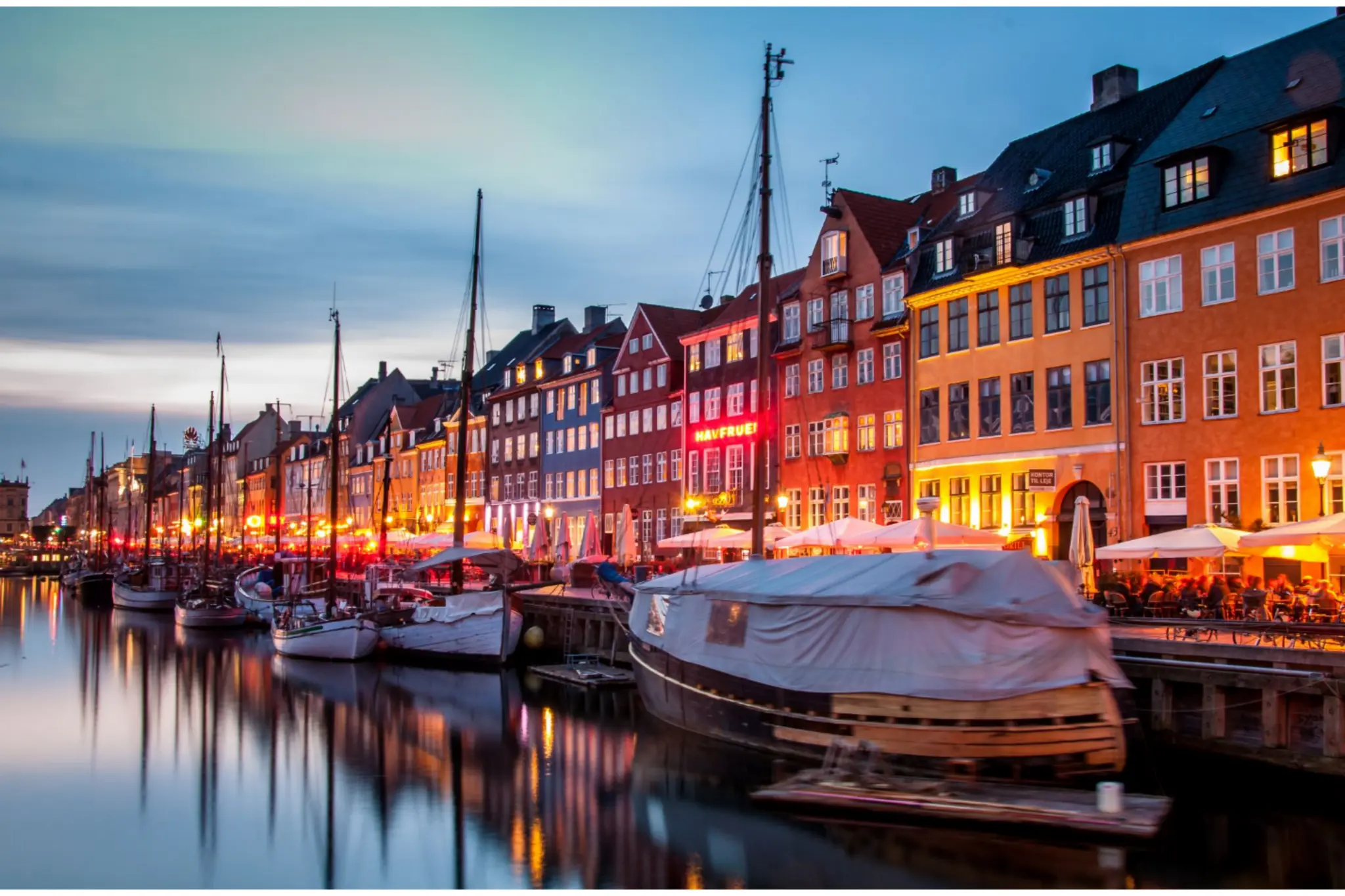
The deck opens with a high-resolution photograph of Nyhavn, Copenhagen. There is no text on this slide, including no company name or date. While visually appealing and indicative of the geographic focus, it fails to establish a brand identity immediately. According to the source listing, the company is identified as 'The 22222222000,' but this is not present on the opening slide.
Slide 2: Our Mission
Slide 2 defines the mission as 'Sustainable, Premium Real Estate for Expats and Investors.' The company outlines three pillars: Sustainability First (eco-friendly living spaces), Innovative Approach (PropTech and NFT art), and Consistent ROI . The inclusion of 'NFT art' as a core mission component is a distinct choice, suggesting that digital assets are not just an afterthought but a primary differentiator for their physical properties.
Slide 3: How AEDES DK + UnderLand Ltd Rewrites the Rules
This slide introduces the corporate structure, revealing a partnership between AEDES DK and UnderLand Ltd. It breaks the operational model into four quadrants: Targeted Developments in key neighborhoods, Turnkey Investments (managing legal and design for investors), PropTech Integration , and Investor Transparency via real-time data. This slide attempts to position the company as a full-service developer that removes the friction of international real estate investment.
Slide 4: Competitive Advantage
The 'Why AEDES DK + UnderLand Ltd?' slide focuses on the blend of 'Global + Local Expertise.' It specifically mentions Morgan Thomas' UK experience merged with Copenhagen insights. The slide reiterates the 'Tech-Driven Properties' and 'Community Focus' for expats. By highlighting architectural excellence and sustainability, the company is positioning itself against traditional, perhaps less agile, local developers.
Slide 5: Fund Allocation and Revenue Streams
This is the most data-dense slide in the deck. It features two pie charts. The Fund Allocation Breakdown shows:
Property Acquisition: 55.0% · Renovations & ESG Upgrades: 25.0% · Marketing & Operations: 10.0% · Hospitality & Bar Buildout: 10.0%
Boutique Hotel Revenue: 65.0% · Wine/Coffee Bar Revenue: 20.0% · NFT Gallery Sales: 10.0% · Rental Income: 5.0%
The heavy reliance on boutique hotel revenue (65%) indicates that this is primarily a hospitality play rather than a long-term residential rental play (which is only 5%).
Slide 6: Projects in Development
Slide 6 provides a 'Portfolio Snapshot.' The lead project is the Christianshavn Luxury Hotel , described as a boutique hotel with integrated PropTech. Other projects include Co-Living Spaces, NFT Galleries, and On-Site Bars. The bars are described as 'transforming into vibrant night venues,' which aligns with the 20% revenue projection from the previous slide. However, the slide lacks specific details such as the number of units, current development stage (e.g., permitted, under construction), or expected launch dates.
Slide 7: Meet the Founders
The final slide in this set introduces the four founders. Sofus Nyraad is the architect and sustainability expert. Eulan Tu is the NFT art leader and former LeBook executive. Morgan Thomas is the Director of UnderLand Ltd and a 'Copenhagen Insider.' Solomon Eric Augustus Lyttle handles marketing, sales, and corporate development. The team appears balanced between technical architectural skill and commercial/artistic leadership, though no specific past project successes or exits are listed for the individuals.
What Works in This Deck
The visual presentation is clean and professional, utilizing high-quality photography that anchors the project in its specific geographic location (Copenhagen). The revenue breakdown is helpful because it clarifies that the company is not a traditional landlord; they are hospitality operators. By attributing 65% of revenue to a boutique hotel, they set clear expectations for the type of operational risk and reward an investor should expect. The focus on 'ESG Upgrades' (25% of fund allocation) is also a timely inclusion that aligns with current institutional investor preferences for sustainable assets.
What Is Missing
The most significant omission is the Total Ask . While slide 5 shows percentages of fund allocation, it does not state whether they are raising $1 million or $100 million. Without a total figure, the percentages lack context. Furthermore, there is no Market Slide . While they mention 'expats and investors,' there is no data on the size of the Copenhagen boutique hotel market, tourism trends, or the specific demand for NFT-integrated spaces. The deck also lacks a Timeline or Roadmap . Investors need to know when the Christianshavn Luxury Hotel will open and when they can expect the 'Consistent ROI' promised on slide 2. Finally, there are no Unit Economics ; we see revenue percentages, but no projections for ADR (Average Daily Rate), occupancy rates, or EBITDA margins.
Founder Takeaways: What to Copy and What to Avoid
Copy the clear revenue segmentation. Many real estate decks muddle their income sources. By clearly stating that bars and NFT sales are separate revenue streams from the hotel, the founders show they have thought through the monetization of every square foot of the property. Avoid the lack of branding. The title slide is just a photo. A pitch deck is a brand document; the company name and a clear value proposition should be on the first page. Avoid vague 'Tech' buzzwords. While 'PropTech' and 'NFT art' are mentioned multiple times, the deck never explains how they are used. Does PropTech mean smart locks, or a proprietary booking platform? Does NFT art mean digital screens on walls, or fractional ownership of the building? Without specifics, these terms can feel like 'fluff' to a sophisticated investor.
Frequently asked questions
- What is the primary business model of The 22222222000?
- The company follows a hybrid real estate and hospitality model. According to slide 5, they acquire and renovate properties (80% of fund allocation) to operate them as boutique hotels, co-living spaces, and bars. They differentiate these physical assets by integrating PropTech and NFT art galleries, aiming to serve the expat and investor market in Copenhagen.
- How does the company plan to use the invested funds?
- Slide 5 provides a 'Fund Allocation Breakdown' showing that 55% of funds go toward Property Acquisition. The remainder is split between Renovations & ESG Upgrades (25%), Marketing & Operations (10%), and Hospitality & Bar Buildout (10%). Notably, the deck does not state the total dollar amount they are seeking to raise.
- What role does NFT art play in a real estate development company?
- The deck positions NFT art as both a value-add for residents and a revenue stream. Slide 3 mentions using NFT art to 'enhance property value and engagement,' while slide 6 notes that galleries are 'embedded in properties for a unique living experience.' Slide 5 projects that NFT Gallery Sales will account for 10% of total revenue.
- Who are the key individuals leading this venture?
- Slide 7 lists four founders: Sofus Nyraad (Architect), Eulan Tu (NFT Art Leader and former LeBook Executive), Morgan Thomas (Director of UnderLand Ltd), and Solomon Eric Augustus Lyttle (Marketing & Sales Professional). The team claims a mix of UK entrepreneurship and Copenhagen local insights.
- What are the specific projects currently in development?
- Slide 6 identifies four key areas: the Christianshavn Luxury Hotel, Co-Living Spaces, NFT Galleries, and On-Site Bars (wine, coffee, and sandwich). The Christianshavn project appears to be the lead development, though the slide does not provide specific addresses, square footage, or completion dates.