Deliwer's pitch deck outlines a complex business model that bridges traditional e-commerce, home delivery, and network marketing. Operating primarily out of Dubai, the company aims to export a wide range of lifestyle and health products to the Pakistan market, which it identifies as having 35 million reachable internet users. The strategy relies heavily on a 'Performance Based' team and a multi-level compensation structure, where 'Networkers' are incentivized through downline commissions. While the deck lists high-profile mentors from Dubai SME and the Khalifa Fund, it lacks traditional ventu…
Key takeaways
- The company targets the MENASA region, specifically focusing on reaching 35 million internet users in Pakistan (Slide 4).
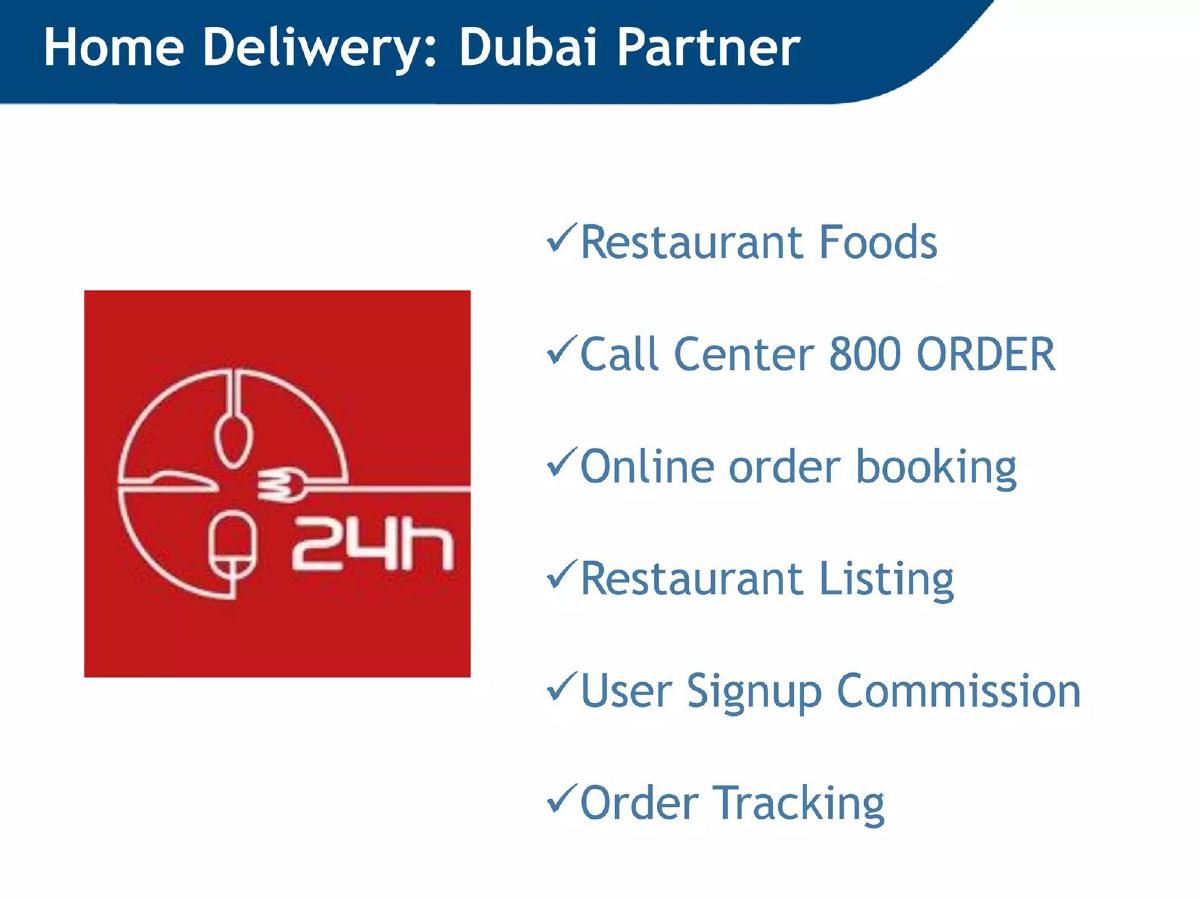
- Deliwer utilizes a Dubai-based partner for home delivery services, including restaurant food and online order booking (Slide 3).
- The product catalog spans several categories including Life Style, Home Decor, Health & Nutrition, and Anti-Aging (Slide 2).
- The business model incorporates a multi-level compensation plan involving 1st, 2nd, and 3rd generation downlines (Slide 7).
- Distributors face a stated 'Risk' or entry cost of USD 3000 at the wholesale price level (Slide 5).
- The team is described as 'Performance Based,' emphasizing the fulfillment of dreams through the internet (Slide 6).
- Three specific mentors are named as having evaluated the project, including the CEO of Dubai SME (Slide 9).
- The deck lacks a formal 'Ask' slide detailing the amount of capital sought or the equity offered.
Deliwer Pitch Deck Analysis
The Deliwer pitch deck presents a business model that is part logistics, part e-commerce, and part multi-level marketing (MLM). Based in Dubai, the company positions itself as a gateway for global brands to enter the South Asian market, specifically Pakistan. The deck is structured to appeal to both potential investors and high-level distribution partners, though it leans heavily on the mechanics of its network marketing structure.
Slide 1: Title Slide
The cover slide features the Deliwer.com logo and the subtitle "Business Development." The branding includes a red swoosh reminiscent of other major logistics players, signaling a focus on delivery and movement of goods. The overall design is corporate but lacks a specific value proposition or tagline on the opening page.
Slide 2: Brands Export
This slide establishes the product scope. It lists six categories: Life Style, Home Decor, Personal Care, Health & Nutrition, Weight Management, and Anti-Aging & Cosmetics. Notably, the slide displays logos for IKEA and Aftron, alongside URLs for formatix.net and khalq.com. This suggests that Deliwer acts as a middleman or exporter for established retail brands rather than manufacturing its own proprietary products.
Slide 3: Home Delivery and Dubai Partnerships
Deliwer highlights its local operational capabilities in Dubai. The slide mentions a "Dubai Partner" and lists services such as Restaurant Foods, a Call Center (800 ORDER), Online order booking, and Order Tracking. The inclusion of "User Signup Commission" indicates that even the delivery arm of the business is tied to an incentive-based referral system.
Slide 4: Market Focus - Pakistan
The company identifies its primary growth lever: the Pakistani market. Using imagery of the Minar-e-Pakistan and the national flag, the slide claims that products exported from Dubai can reach 35 million internet users above the age of 18. This slide serves as the "Market Size" component of the deck, though it focuses on reachable users rather than Total Addressable Market (TAM) in dollar terms.
Slide 5: Partner and Distributor Portal
This slide outlines the requirements for joining the Deliwer network. It distinguishes between "Third Party Stores" earning affiliate commissions and "High Commitment" partners. For the latter, it explicitly states a "Risk: USD 3000" at wholesale prices and sets a goal for "1000 Networkers." The term "Downlines" is used, confirming the MLM nature of the distribution strategy.
Slide 6: Team and Philosophy
Instead of listing individual executive bios or resumes, Slide 6 focuses on a "Performance Based" team philosophy. It uses stock imagery and a quote about "combining the Internet with the power of people" to "fulfill dreams." This is a common trope in network marketing decks, prioritizing the opportunity for the distributor over the technical credentials of the founding team.
Slide 7: Direct Sales and Compensation
This is the most technical slide regarding the revenue model. It illustrates a "Multi Level Compensation" plan. Using a base of "100cc" (a common unit in MLM structures like Forever Living), it shows how a lead distributor earns percentages from three generations of recruits: 40%, 20%, and 10%. The slide includes a disclaimer that these figures are for illustration purposes only.
Slide 8: Investor Value Proposition
Titled "Investors: Quick Return On Investment," this slide promises a "Low Risk Plan with High Returns." It lists six pillars of the business: the Portal, ChainTrack Marketplace, Logistics Partners, Network growth, Export to Pakistan, and Direct Delivery. The slide features a stock image of a woman pointing excitedly, which detracts from the professional tone usually expected in an institutional investment pitch.
Slide 9: Mentors and Endorsements
To build credibility, Deliwer lists three mentors from the Dubai business ecosystem. These include the CEO of Dubai SME and former personnel from the Khalifa Fund and the Dubai Economic Department. This slide is intended to mitigate the perceived risk of the MLM model by showing that established economic figures have "evaluated" the project.
What Deliwer Does Well
Deliwer identifies a clear geographic arbitrage opportunity. By leveraging Dubai's status as a global logistics hub, they aim to tap into the massive and growing consumer market in Pakistan. The use of established brands like IKEA (Slide 2) helps ground the business in real-world commerce, rather than just selling abstract "opportunities."
The deck also does a good job of explaining its complex compensation model visually (Slide 7). In many MLM-adjacent businesses, the math is often obscured; here, the percentages and generations are laid out clearly, allowing a potential partner to understand the incentive structure immediately.
What is Missing from the Deck
The most glaring omission is a standard financial breakdown. There are no slides covering current revenue, burn rate, or historical growth. While Slide 8 promises "High Returns," there is no data to support how these returns are generated or what the current profit margins are on the exported goods.
Furthermore, there is no "Ask." A pitch deck should typically conclude with a specific funding requirement and a breakdown of how that capital will be deployed (e.g., 40% to logistics, 30% to marketing). The Deliwer deck ends on endorsements, leaving the actual investment terms a mystery.
Finally, the "Team" slide (Slide 6) provides no information on the founders' backgrounds. Investors generally invest in people first, and the lack of professional history for the leadership team is a significant red flag for institutional VCs.
Founder Takeaways
Be transparent about your model: Deliwer does not hide the fact that it uses a network marketing/MLM structure. Whether or not an investor likes that model, being upfront about the "Downlines" and "Generation" commissions prevents wasted time with investors who are strictly prohibited from funding MLMs.
Leverage local authority: If you are a startup in a specific region (like Dubai), having endorsements from local semi-government bodies like Dubai SME is a powerful way to build trust. Founders should always include a slide featuring their most credible advisors or evaluators.
Avoid stock photo overload: The use of generic stock photos of people "dreaming" or pointing excitedly (Slides 6 and 8) can make a deck feel amateur. Founders should replace these with actual photos of their operations, their warehouse, their app interface, or their actual team members to build authenticity.
Define the 'Risk' clearly: Slide 5 mentions a "Risk: USD 3000." While honesty about entry costs is good, calling it "Risk" is poor phrasing for a pitch deck. It would be better framed as "Initial Inventory Purchase" or "Partner Buy-in," as the word "Risk" carries heavy negative connotations in a financial context.
Frequently asked questions
- What is Deliwer's primary market focus?
- Deliwer focuses on the MENASA (Middle East, North Africa, and South Asia) region. Slide 4 specifically highlights Pakistan as a primary target, noting that products exported from Dubai can reach 35 million internet users over the age of 18 in that country.
- How does the Deliwer compensation model work?
- According to Slide 7, Deliwer uses a 'Multi Level Compensation' structure. It illustrates a 'YOU' level followed by three generations of downlines. The example shows a 40% commission for the 1st generation, 20% for the 2nd, and 10% for the 3rd, totaling a 170 unit return on a 100cc base.
- What types of products does Deliwer sell?
- Slide 2 lists a diverse range of consumer goods including Life Style, Home Decor, Personal Care, Health & Nutrition, Weight Management, and Anti-Aging & Cosmetics. The slide also features logos for IKEA and Aftron, suggesting these are among the brands exported.
- What is the entry requirement for partners or distributors?
- Slide 5, titled 'Internet Portal: Partners & Distributors,' mentions a 'High Commitment' level. It explicitly lists a 'Risk: USD 3000' associated with the 'Wholesale Price' tier and mentions a target of 1000 Networkers.
- Who are the mentors associated with the project?
- Slide 9 lists three mentors who have evaluated the business: Dr. Manoj Nakra (CEO, Dubai SME), David Ashford (Ex Manager, Khalifa Fund), and Nader Sabry (Ex Consultant, Dubai Economic Deptt.). These endorsements are used to provide institutional credibility to the pitch.