Fight Camp, pitching under its original brand name Hykso, presents a masterclass in 'show, don't tell' for early-stage hardware startups. With only 12 slides, the deck avoids dense blocks of text in favor of high-impact photography and large-font metrics. The company highlights $600,000+ in total revenue (Slide 7) and a staggering 86% monthly growth rate (Slide 8). Perhaps most impressive is the social proof; the deck features endorsements or usage by the Canadian and USA Olympic teams, Manny Pacquiao, and Daniel Cormier (Slides 4-5). While the deck lacks a formal 'Ask' slide and detailed uni…
Key takeaways
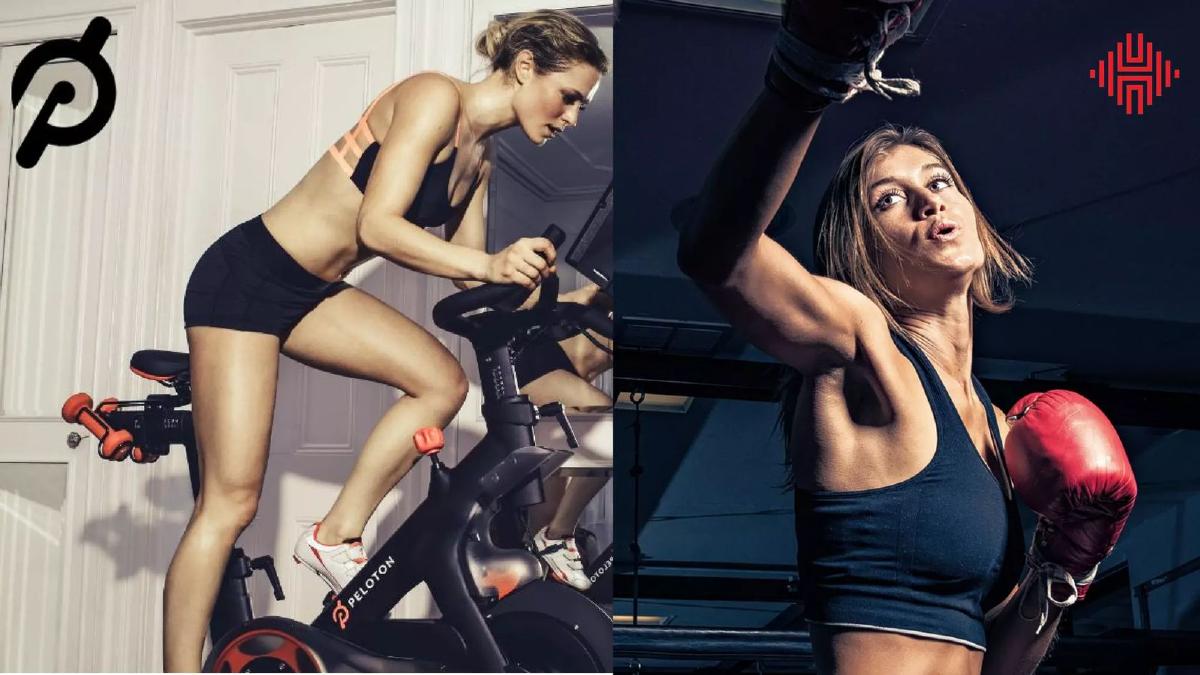
- The deck uses a 'Peloton for Boxing' comparison on Slide 2 to immediately establish a high-value business model category.
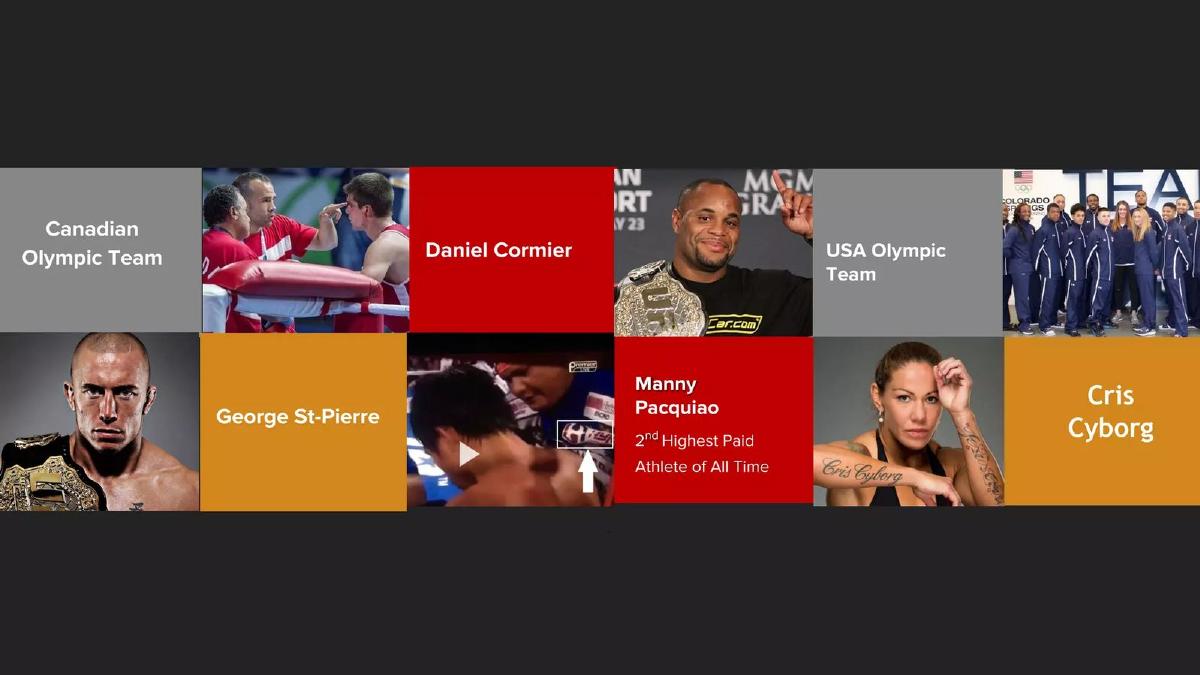
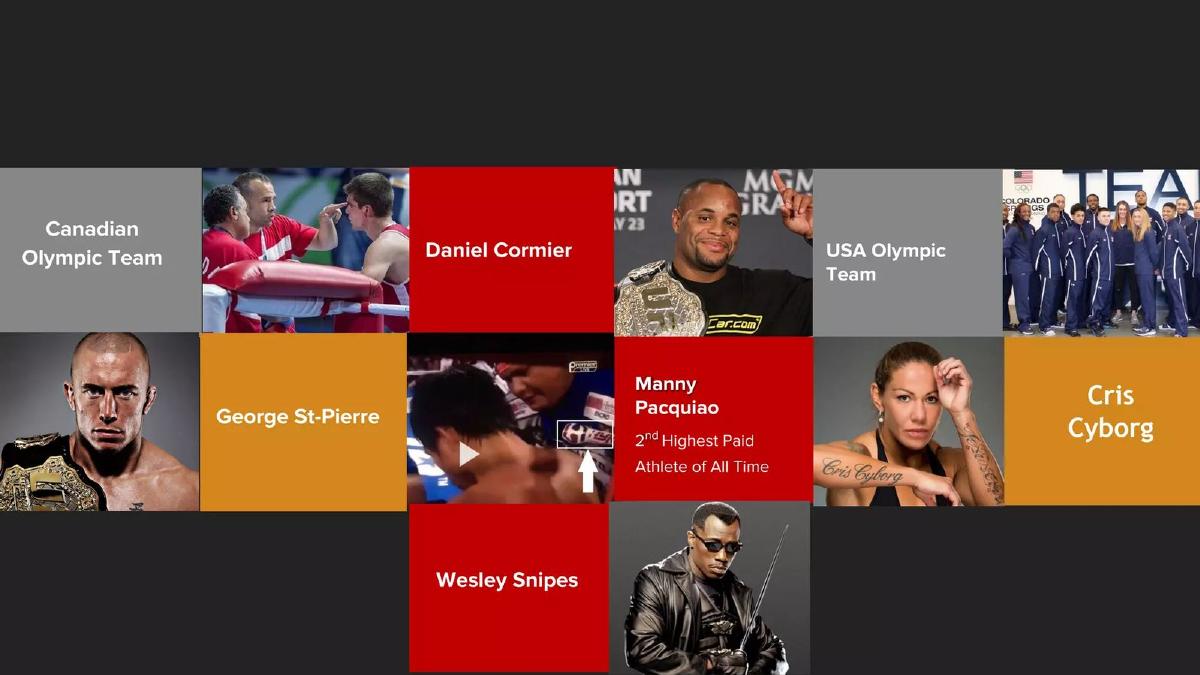
- Social proof is the core pillar of the pitch, dedicating two full slides (4 and 5) to elite athletes and Olympic teams.
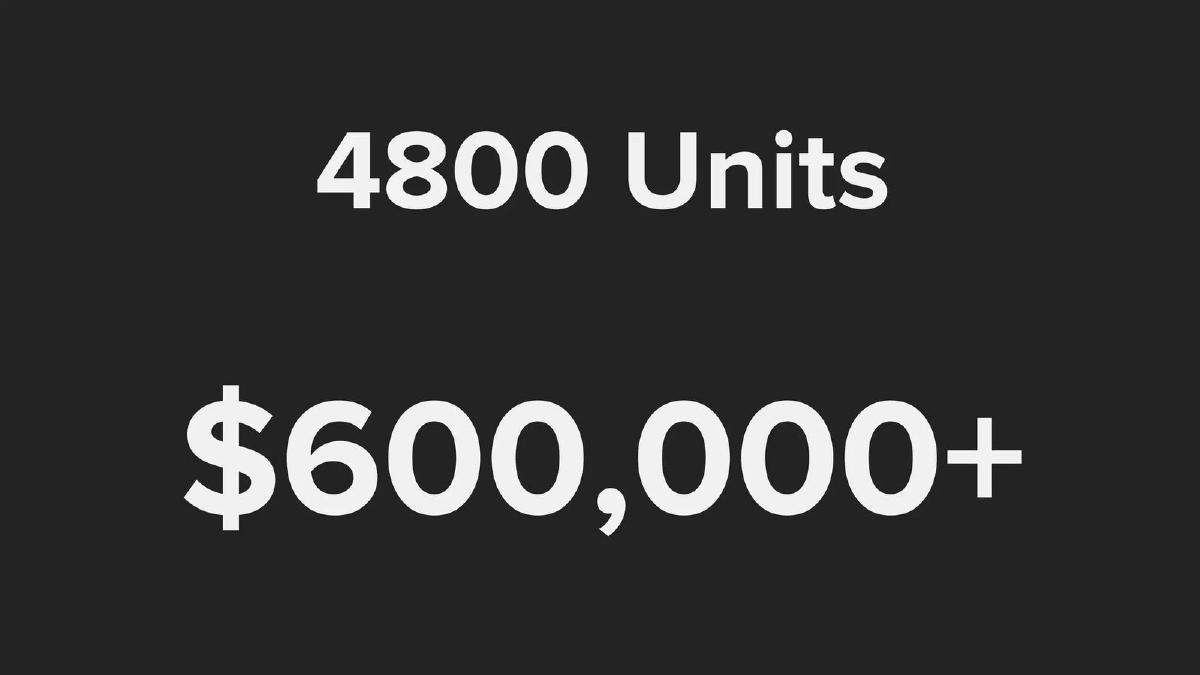
- Traction is presented with massive font sizes, highlighting 4,800 units sold and $600,000+ in revenue on Slide 7.
- Growth is visualized through a simple bar chart showing a jump from roughly $25,000 to over $90,000 in three months (Slide 8).
- The team slide (Slide 11) emphasizes technical and domain expertise, including a 2X USA Boxing Champion and a member of the McGill Algorithmic Group.
- Market size is stated as $10B+ on Slide 9, though the deck omits a breakdown of SAM or SOM.
- The deck completely omits a financial 'Ask' or use of funds slide, which is unusual for a fundraising presentation.
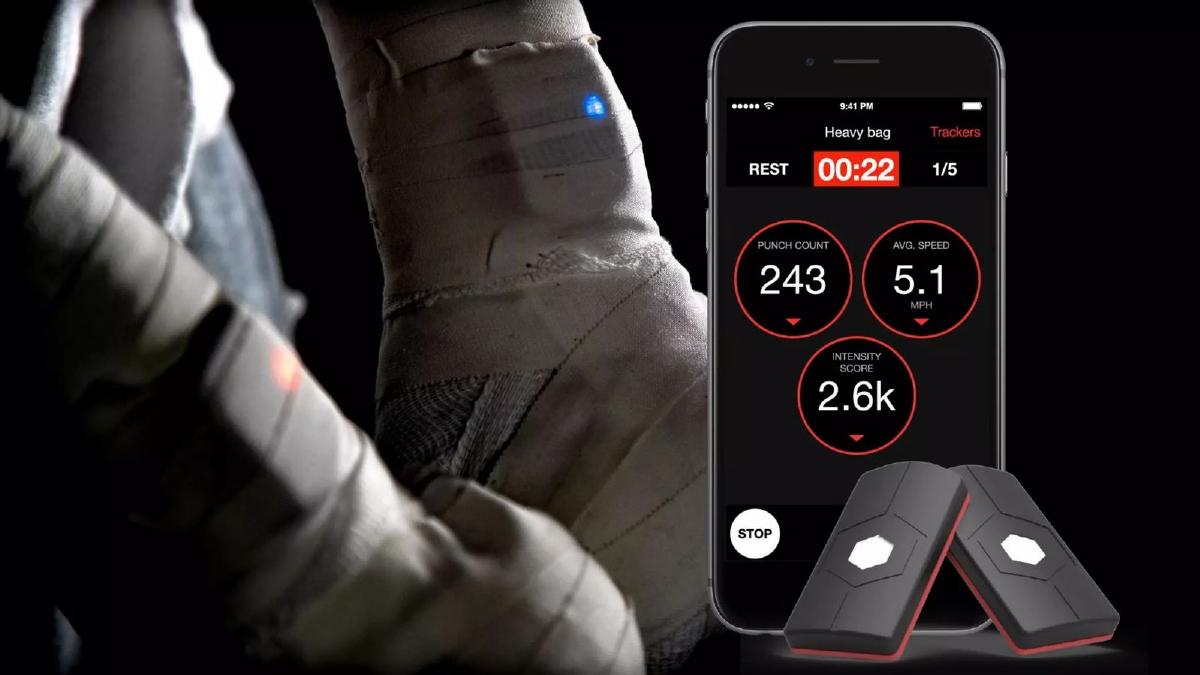
- The product is shown in action via app screenshots on Slide 3, displaying metrics like punch count, average speed, and intensity score.
The Visual-First Approach to Fitness Fundraising
In 2015, the company now known as Fight Camp was operating under the name Hykso. Their pre-seed deck is a fascinating example of how to pitch a hardware-enabled service without getting bogged down in technical specifications. The deck consists of 12 slides, almost all of which prioritize high-quality imagery over text. This teardown examines how they used elite social proof and rapid growth metrics to secure their initial $120,000 investment.
Slide 1: The Hook
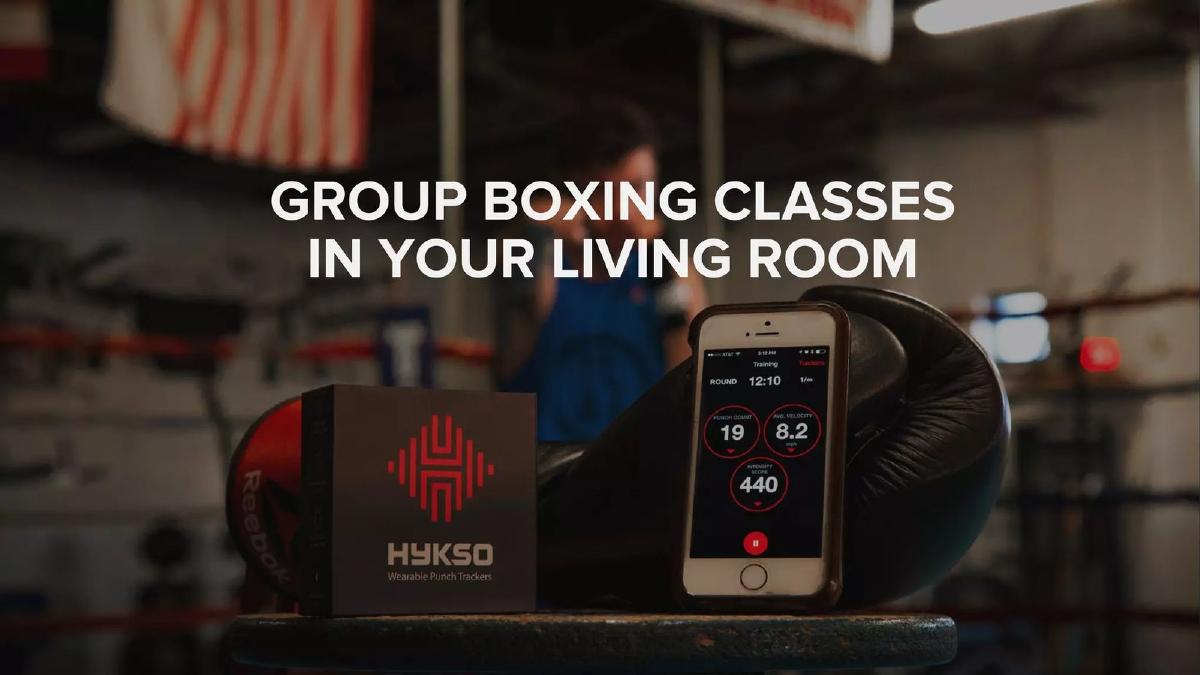
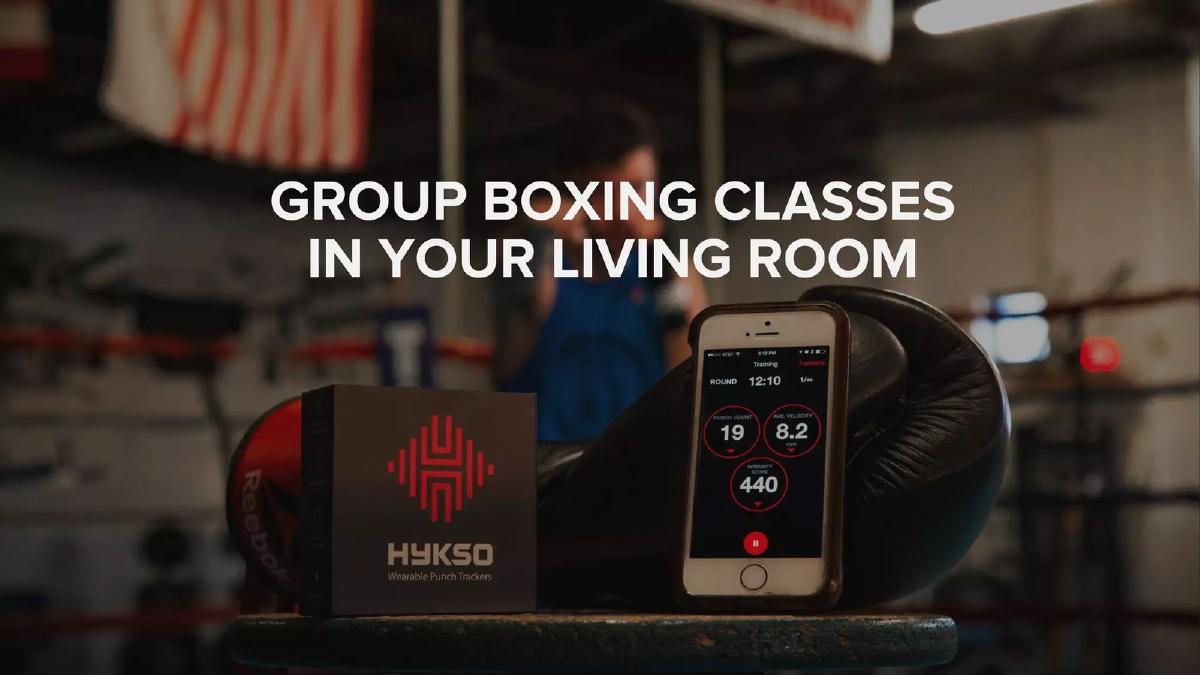
The cover slide is clean and functional. It features the Hykso branding and the tagline: "GROUP BOXING CLASSES IN YOUR LIVING ROOM." The background image shows the physical product—the wearable punch trackers—next to a smartphone displaying the app. This immediately tells the investor that this is a hardware + software play. The setting (a boxing gym) reinforces the brand's authenticity.
Slide 2: The Category Comparison
Slide 2 is a wordless comparison. On the left, a woman on a Peloton bike; on the right, a woman boxing with Hykso trackers. By placing their logo next to Peloton's, Hykso is utilizing a 'high-anchor' strategy. They aren't just selling a gadget; they are selling a subscription-based fitness ecosystem. This slide does the heavy lifting of explaining the business model without a single bullet point.
Slide 3: Product and Data
This slide focuses on the user interface. We see the trackers wrapped into a fighter's hand wraps and the resulting data on a smartphone. The metrics shown are Punch Count (243) , Avg. Speed (5.1 MPH) , and Intensity Score (2.6k) . This establishes the 'what'—the trackers turn movement into quantifiable data, which is the foundation for the 'living room classes' mentioned on Slide 1.
Slides 4-5: The Social Proof Powerhouse
These two slides are perhaps the most impressive in the deck. Slide 4 features a grid of elite endorsements: the Canadian Olympic Team , USA Olympic Team , Daniel Cormier , George St-Pierre , and Manny Pacquiao (noted as the 2nd Highest Paid Athlete of All Time). Slide 5 adds Wesley Snipes to the mix. For a pre-seed company to have this level of professional adoption is rare. It signals to investors that the technology is not a toy; it is a tool used by the world's best athletes.
Slide 6: The Transition
Slide 6 is a duplicate of Slide 5, likely used as a transition during a live presentation to emphasize the celebrity and professional athlete connection before moving into the hard numbers.
Slide 7: Traction Totals
The deck moves from 'who uses it' to 'who buys it.' Slide 7 uses a massive font to state 4800 Units and $600,000+ . This is a significant amount of revenue for a pre-seed round. It proves that there is a market beyond just professional athletes and that the founders can execute on manufacturing and sales.
Slide 8: Growth Velocity
Traction is good, but growth is better. Slide 8 shows a bar chart for February, March, and April. While the specific dollar amounts for each month aren't labeled on the Y-axis, the central text claims +86% growth. The April bar is nearly quadruple the size of the February bar, visualizing a classic 'hockey stick' trajectory that venture capitalists look for.
Slide 9: Market Opportunity
Slide 9 is a single metric: $10 B+ . This is presumably the Total Addressable Market (TAM). While the slide lacks a source or a breakdown of how this number was calculated, its simplicity keeps the momentum of the deck moving forward. In a pre-seed deck, investors are often looking for the 'bigness' of the idea rather than a precise bottom-up market analysis.
Slide 10: Market Validation
To support the $10B claim, Slide 10 points to the growth of physical boxing franchises. It cites the 2015 Fastest Growing Franchises list from Entrepreneur, noting that TITLE Boxing Club was ranked #1 and 9Round Franchising was #6. This slide argues that boxing is a trending fitness category, and Hykso is the digital layer for that trend.
Slide 11: The Team
The team slide highlights a mix of technical and domain expertise. Khalil Zahar (CEO) has a background in MEMS (Micro-Electro-Mechanical Systems), which is critical for wearable sensors. Tommy Duquette (Biz Dev Lead) is a 2X USA Boxing Champion , providing the necessary industry connections. The slide also features experts in firmware and machine learning. The inclusion of the 500 Startups and Y Combinator logos at the bottom provides institutional validation.
Slide 12: The Vision
The final slide features the UFC and WBC logos. This suggests a future where Hykso is the official data provider for major combat sports organizations. It ends the deck on a high note, moving from a consumer fitness product to a potential industry standard for professional sports data.
What Works in the Fight Camp Deck
1. Extreme Brevity: The deck is only 12 slides and contains very few words. This forces the investor to listen to the founder rather than reading slides. For a visual product like a fitness app, this is highly effective.
2. Unassailable Social Proof: Most startups claim their product is 'professional grade.' Hykso proves it by showing the Canadian and USA Olympic teams using the product. This eliminates the 'does it work?' question immediately.
3. Clear Revenue Traction: $600k in revenue at the pre-seed stage is an outlier. By putting this number in a massive font, they make it the focal point of the pitch.
What is Missing from the Fight Camp Deck
1. The Ask: There is no slide stating how much money they are raising, the valuation, or what the milestones will be for the next 18 months. This is a critical omission for a fundraising deck.
2. Unit Economics: For a hardware company, margins are everything. The deck doesn't explain the Cost of Goods Sold (COGS) or the Customer Acquisition Cost (CAC). Investors would want to know if that $600k in revenue was profitable or if they were losing money on every unit sold.
3. Competitive Landscape: While they compare themselves to Peloton, they don't address other wearable competitors like Jawbone, Fitbit, or other niche sports trackers that existed in 2015.
Founder Takeaways: What to Copy
Use 'The Peloton of X': If you are in a niche market, compare yourself to a well-known, high-valuation success story in a parallel market. It instantly explains your business model (Slide 2).
Big Numbers, Big Fonts: If you have traction, don't hide it in a table. Use a single, large number on a dark background to make it stick in the investor's mind (Slide 7).
Domain Expertise Matters: Hykso didn't just have engineers; they had a 2X Boxing Champion on the founding team. If your startup is in a specific vertical, you must show that you have 'insider' knowledge (Slide 11).
Focus on the 'Who', not just the 'How': Instead of explaining the physics of their sensors, they showed the people using them. Founders should prioritize showing their product in the hands of respected users over technical diagrams.
Frequently asked questions
- What was the primary value proposition of Fight Camp in this deck?
- The value proposition was 'Group boxing classes in your living room' (Slide 1), enabled by wearable punch trackers. The deck positions the product as a way to bring professional-grade tracking and the community aspect of group fitness into the home, explicitly comparing the model to Peloton on Slide 2.
- How did Fight Camp demonstrate product-market fit?
- They demonstrated fit through two lenses: professional validation and commercial traction. Slides 4 and 5 show the trackers being used by the world's best fighters (Pacquiao, St-Pierre), while Slides 7 and 8 show that consumers are buying the product, resulting in $600k+ in revenue and 86% month-over-month growth.
- Who were the key team members listed in the 2015 deck?
- The team included CEO Khalil Zahar (MA.Sc. in MEMS), CTO Alex Marcotte, and Biz Dev Lead Tommy Duquette, who is notably a 2X USA Boxing Champion. The team also featured specialists in firmware development, machine learning, and marketing, supported by Y Combinator and 500 Startups.
- What is missing from the Fight Camp pitch deck?
- The deck is missing several standard slides: a specific 'Problem' slide (it assumes the problem is known), a 'Competition' slide, a 'Business Model' slide explaining margins, and a 'The Ask' slide detailing how much money they are raising and for what purpose.
- Why did the deck focus so heavily on logos like UFC and WBC?
- For a fitness hardware company, credibility is everything. By showing the UFC and WBC logos on Slide 12, Fight Camp suggests that their data is accurate enough for professional sanctioning bodies and elite combat sports organizations, which justifies the price point to amateur consumers.