MuseuTec's pitch deck is a brief, 7-slide presentation that prioritizes visual cues over dense data. The company positions itself at the intersection of museums, interaction, and digital content. While the deck identifies a significant market opportunity in Brazil—citing 3,118 museums on Slide 4—it lacks traditional venture capital components such as a detailed business model, competitive analysis, or a specific financial ask. The narrative focuses on the founder's passion and the general trend of digital social integration (Facebook login) rather than technical specifications. It highlights…
Key takeaways
- The deck is exceptionally brief, consisting of only 7 slides, which limits the depth of the business case.
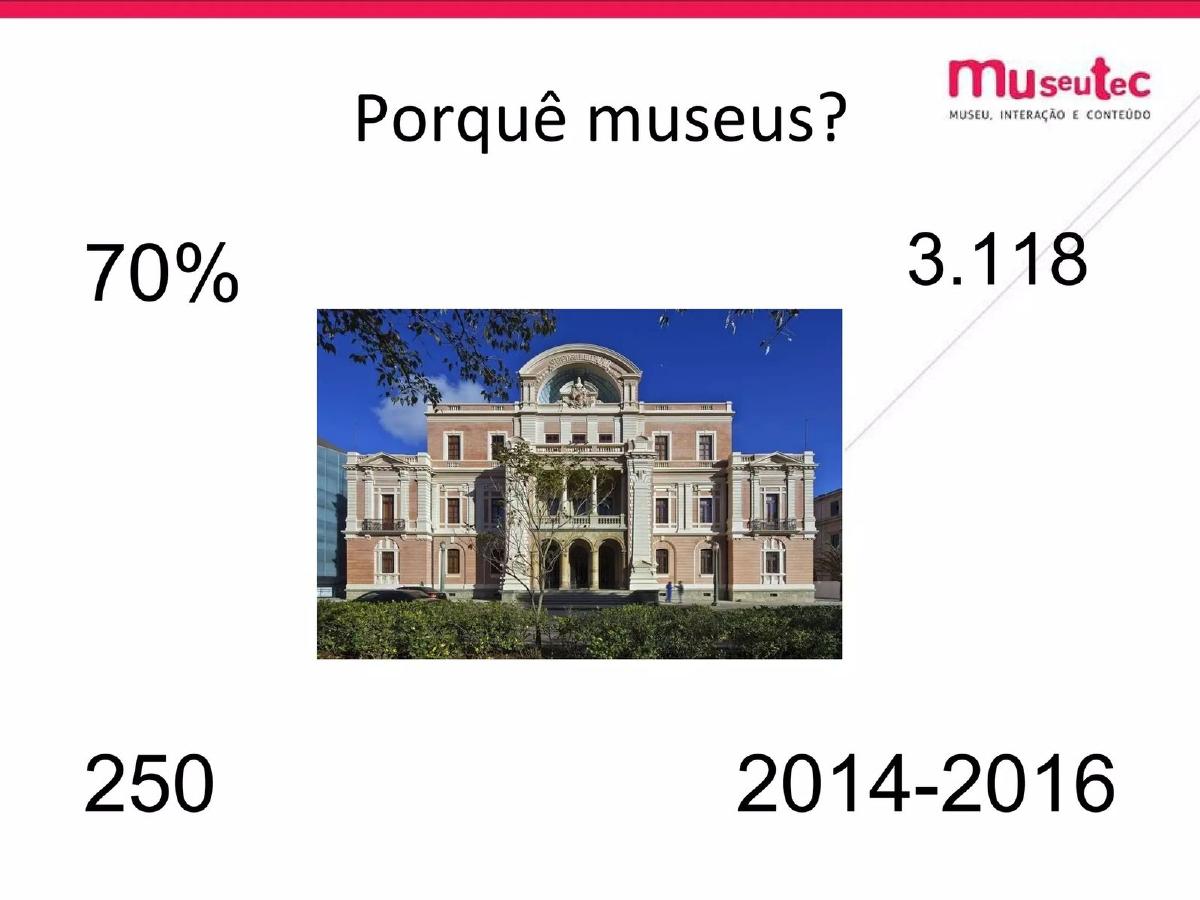
- Slide 4 identifies a total market of 3,118 museums, providing a clear scope for the Brazilian cultural sector.
- The presentation lacks a formal 'Ask' slide, leaving potential investors without a specific funding target or valuation.
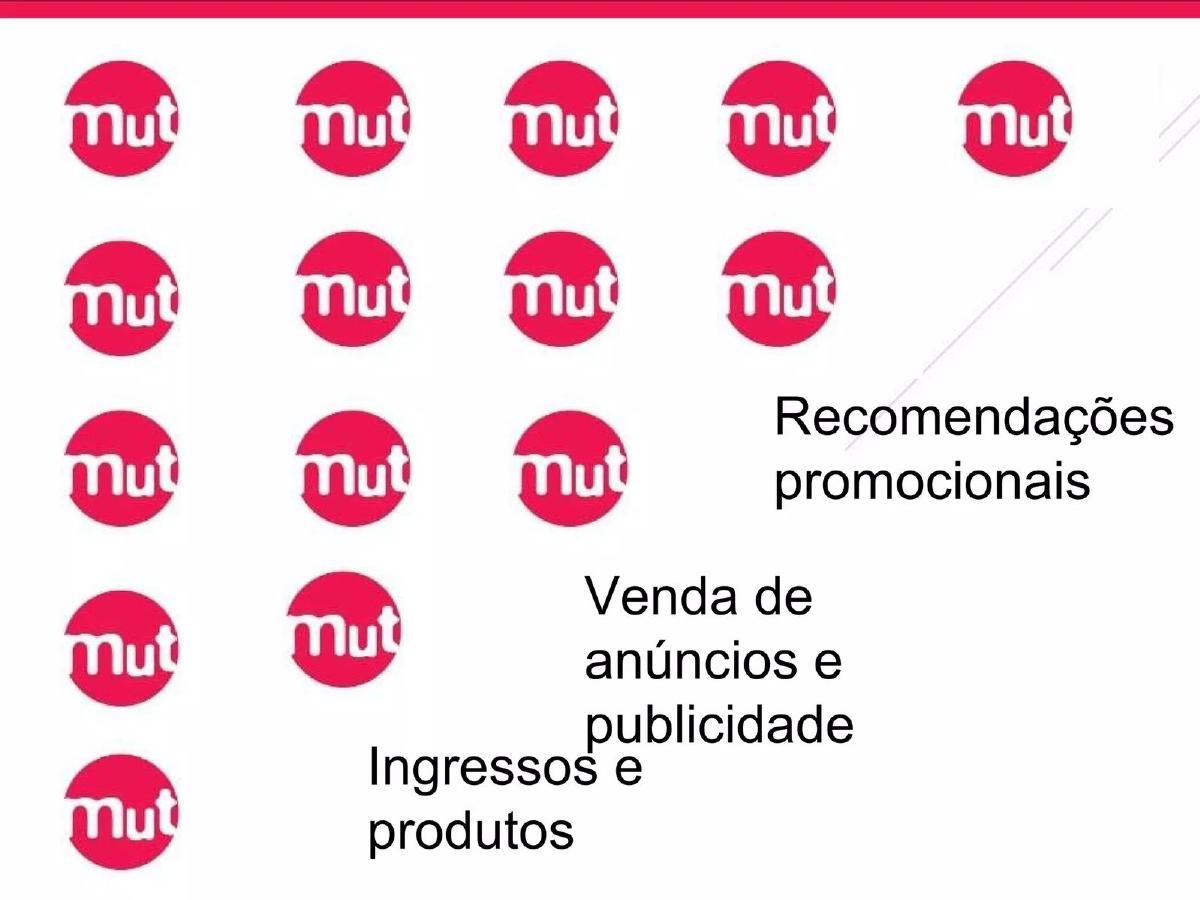
- Revenue generation is outlined on Slide 6 through three channels: promotional recommendations, ad sales, and ticket/product sales.
- The founder's background is presented visually on Slide 3, emphasizing a connection to the 'Circuito Cultural Praça da Liberdade'.
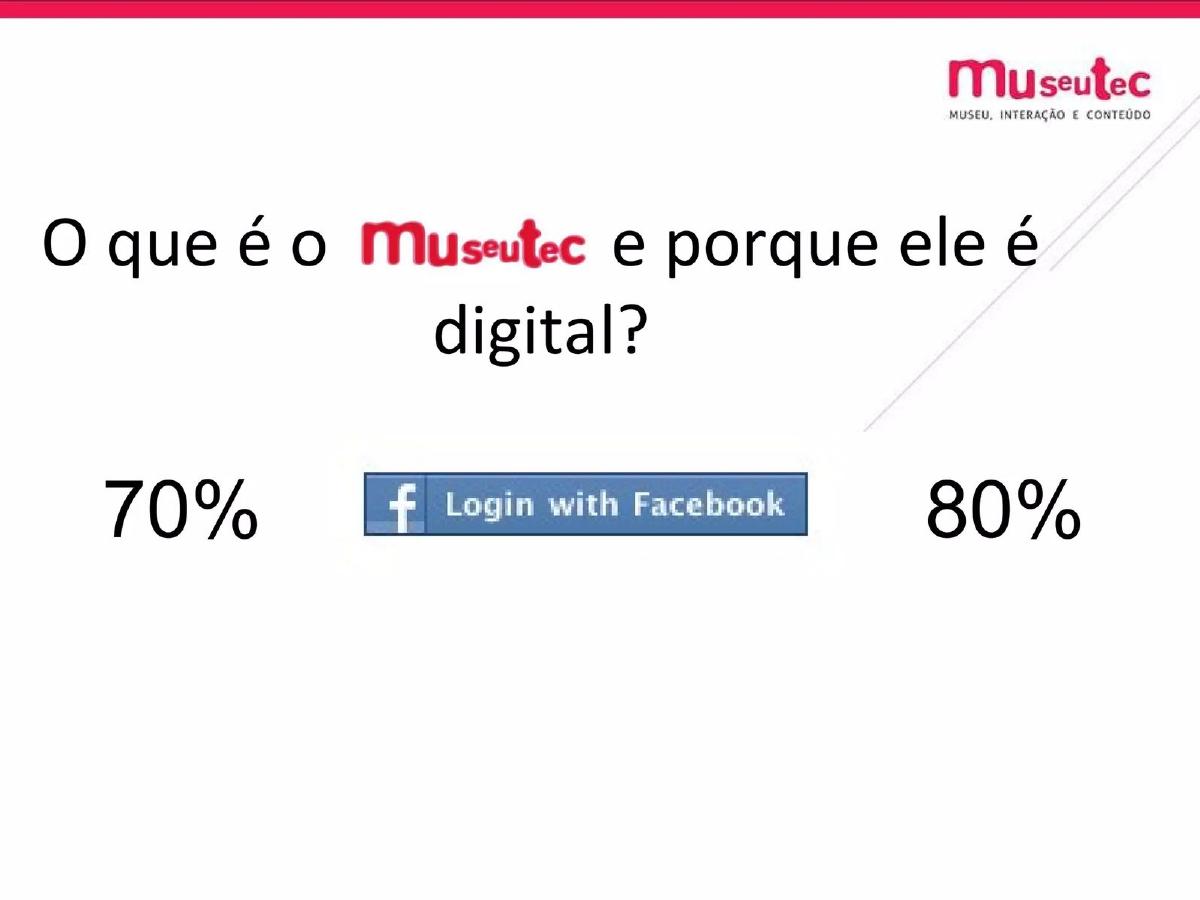
- Digital integration is highlighted on Slide 5, using a 'Login with Facebook' graphic to suggest social connectivity.
- Slide 7 indicates that the project may leverage the 'Lei de Incentivo à Cultura' (Rouanet Law) and state-level ICMS tax incentives.
- There is no mention of current traction, user numbers, or a product roadmap beyond the conceptual stage.
Slide-by-Slide Analysis
Slide 1: Title Slide
The deck opens with the MuseuTec logo and the tagline: "MUSEU, INTERAÇÃO E CONTEÚDO" (Museum, Interaction, and Content). The design is minimalist, using a red and white color palette. No specific date or presenter name is listed on this slide, though the branding is consistent throughout the deck.
Slide 2: Table of Contents
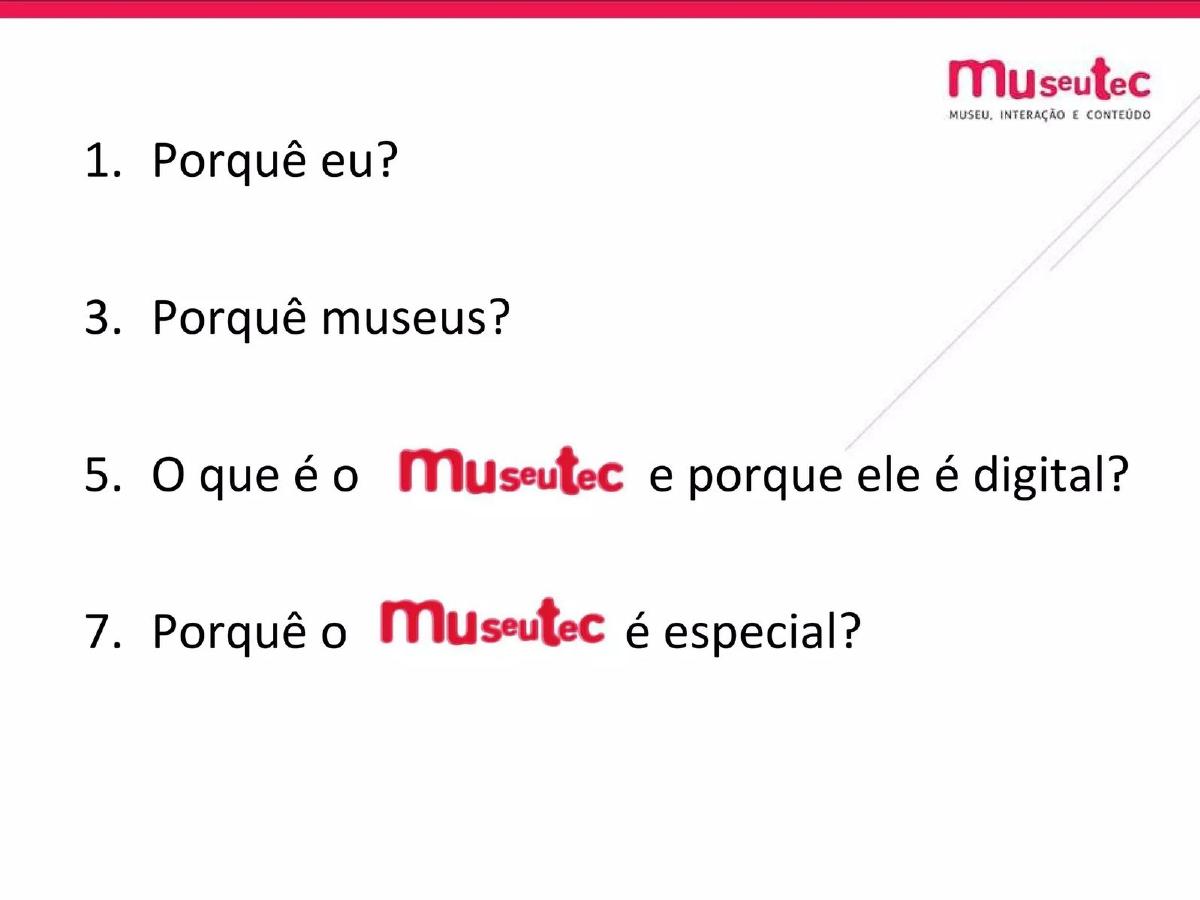
This slide outlines the narrative structure of the pitch using four numbered questions: "1. Porquê eu?" (Why me?), "3. Porquê museus?" (Why museums?), "5. O que é o MuseuTec e porque ele é digital?" (What is MuseuTec and why is it digital?), and "7. Porquê o MuseuTec é especial?" (Why is MuseuTec special?). The non-sequential numbering (1, 3, 5, 7) suggests that these are the key pillars of a potentially longer verbal presentation.
Slide 3: The Founder (Porquê eu?)
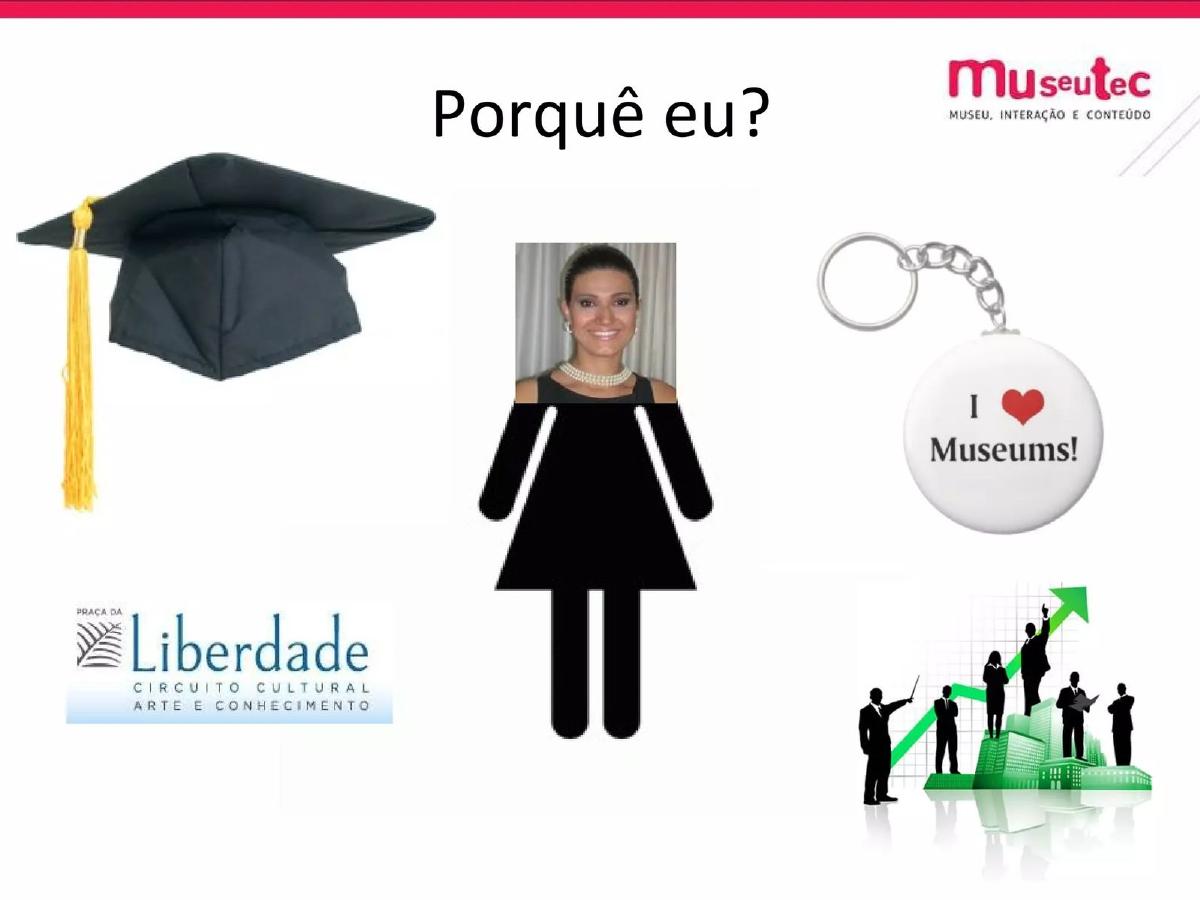
Slide 3 addresses the founder's credibility. It features a photograph of a woman integrated into a stylized female icon. Surrounding the image are four graphics: a graduation cap, a keychain stating "I Love Museums!" , a logo for "Circuito Cultural Praça da Liberdade" , and a generic business growth chart. This slide relies on visual shorthand to communicate that the founder is educated, passionate about the sector, and has ties to a major Brazilian cultural hub.
Slide 4: Market Opportunity (Porquê museus?)
This slide presents the macro-opportunity. It features a photograph of a classical museum building (the Museu de Artes e Ofícios in Belo Horizonte). Four data points are provided: "70%" , "3.118" , "250" , and "2014-2016" . While the slide does not explicitly label these figures, the 3,118 likely refers to the number of museums registered in Brazil (based on IBRAM data from that era). The lack of explicit labels requires the presenter to provide the context verbally.
Slide 5: Product Concept (O que é o MuseuTec?)
Slide 5 asks what the product is and why it is digital. The slide is sparse, featuring a "Login with Facebook" button flanked by "70%" and "80%" . This implies a heavy reliance on social media integration and perhaps high mobile/social penetration rates among the target demographic. It suggests the product is a platform where users interact via existing social identities.
Slide 6: Business Model
This slide uses a grid of 'MUT' icons (a shorthand for MuseuTec) to represent scale. It lists three primary revenue sources: "Recomendações promocionais" (promotional recommendations), "Venda de anúncios e publicidade" (sale of ads and advertising), and "Ingressos e produtos" (tickets and products). This is the only slide that addresses the financial sustainability of the project.
Slide 7: Differentiation and Incentives (Porquê o MuseuTec é especial?)
The final slide highlights why the project is unique. It features the "YouPix" logo (a major Brazilian internet culture festival), an "I [Like] Museums" graphic, and logos for the "Lei de Incentivo à Cultura - Ministério da Cultura" and the "ICMS Lei Estadual de Incentivo à Cultura" . This indicates that the project is designed to fit within the framework of Brazilian tax incentive laws for culture, which is a standard funding route for cultural tech in the region.
What MuseuTec Does Well
Visual Consistency: The deck maintains a clean, branded look with a consistent color palette and professional iconography. The use of whitespace prevents the slides from feeling cluttered, which is helpful for a digital pitch meant to be viewed on screens.
Market Scoping: By including the figure 3,118 on Slide 4, the founders successfully define the total addressable market of institutions in Brazil. This gives an immediate sense of the scale of the "museum problem" they are trying to solve.
Revenue Clarity: Slide 6 is perhaps the strongest slide because it clearly categorizes how the business intends to generate cash. Many cultural projects fail to distinguish between B2B (ads) and B2C (tickets) revenue, but MuseuTec identifies both.
What is Missing from the Deck
The "Ask": There is no slide indicating how much money the company is looking for, what the funds will be used for, or what milestones the investment will help achieve. This is a critical omission for any fundraising deck.
Product Demonstration: While the deck mentions "interaction and content," there are no screenshots, wireframes, or mockups of the actual digital interface. We know it has a Facebook login (Slide 5), but we don't know if it is a mobile app, a web portal, or an in-museum kiosk system.
Competitive Analysis: The deck assumes a vacuum. It does not mention other museum guide apps, audio guide companies, or social discovery platforms that might compete for the same user attention or museum budget.
Team Depth: Slide 3 focuses entirely on a single individual. For a tech-heavy project involving "interaction and content," investors typically want to see a technical co-founder or a development team to prove the product can actually be built.
Founder Takeaways
Use Visual Shorthand Wisely: MuseuTec uses icons to tell a story, which works well for a live presentation. However, when a deck is sent as a standalone file (like on SlideShare), the lack of labels on Slide 4 (the 70% and 250 figures) makes the data points meaningless to the reader.
Leverage Local Incentives: Including the logos for the Rouanet Law and state ICMS incentives (Slide 7) is a smart move for Brazilian startups in the cultural space. It signals to investors that the founders understand the regulatory and subsidy landscape of their specific market.
Define the 'Digital' Value: Simply saying something is "digital" because it has a Facebook login is no longer enough. Founders should aim to show how the digital element solves a specific pain point—such as low visitor engagement or lack of data for museum curators—which is hinted at but not detailed in this deck.
Frequently asked questions
- What is the core product of MuseuTec?
- Based on the tagline 'Museu, Interação e Conteúdo' found on the title slide, MuseuTec appears to be a digital platform or service designed to enhance museum visits through interactive content. Slide 5 suggests a social component, featuring a 'Login with Facebook' button, implying a user-facing digital interface that connects visitors to cultural institutions.
- How does MuseuTec plan to make money?
- Slide 6 explicitly lists three revenue streams: 'Recomendações promocionais' (promotional recommendations), 'Venda de anúncios e publicidade' (sale of ads and advertising), and 'Ingressos e produtos' (tickets and products). This suggests a hybrid business model combining B2B advertising with B2C transactional fees from museum visitors.
- What market data is provided in the deck?
- Slide 4 provides the most specific market data, citing '3.118' (presumably the number of museums in Brazil) and the years '2014-2016'. It also lists '70%' and '250' without specific labels, though these likely refer to museum attendance rates or growth metrics within the Brazilian cultural landscape.
- Who is behind MuseuTec?
- Slide 3, titled 'Porquê eu?' (Why me?), features a photo of a female founder alongside icons representing academic achievement (a graduation cap) and professional growth. It also displays the logo for 'Circuito Cultural Praça da Liberdade', suggesting the founder has direct experience or partnerships within this prominent cultural circuit in Belo Horizonte, Brazil.
- Is this a standard venture capital pitch deck?
- No. This deck is a 'Pitch Digital'—a short, visual summary. It omits critical VC requirements such as a detailed team slide (beyond the founder), a competitive landscape, unit economics, a technical stack description, and a clear financial ask. It is better categorized as a conceptual teaser or a presentation for a cultural grant.