BrewStrap presents a 16-slide deck for a craft beer distribution and marketing platform. The company identifies a significant bottleneck in the industry, noting on slide 2 that two companies control 80% of retail shelf space. Their solution involves providing microbrewers with virtual storefronts and consumer data while offering retailers higher margins and consumers exclusive access to new brews. The deck projects scaling from zero to 551 brewers across 17 states by Year 5, with a revenue target of $24 million. The founders are seeking $650,000 to fund business development, marketing, web de…
Key takeaways
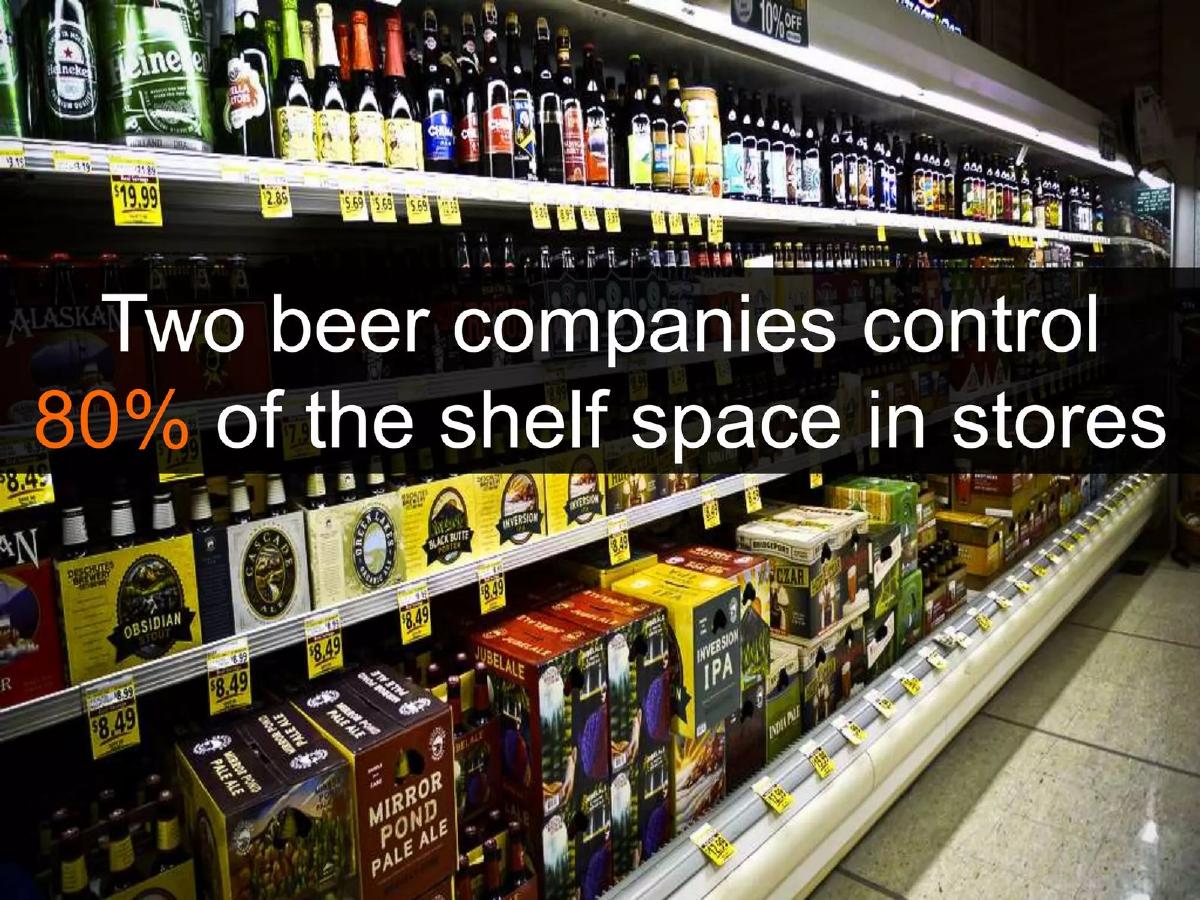
- Two major beer companies currently control 80% of retail shelf space, creating a distribution barrier for microbrewers (Slide 2).
- BrewStrap positions itself as a B2B and D2C solution, utilizing virtual storefronts to increase brand visibility for small brewers (Slide 7).
- The US addressable market for craft beer is estimated at ~$4B, with a 22% growth rate cited for 2014 (Slide 10).
- Retailers are promised higher margins and increased variety, while consumers get a 'Prohibition experience' with limited-supply, password-required deliveries (Slides 9, 12).
- Financial projections show a Year 1 loss of $0.3M, scaling to $12.2M in income before taxes by Year 5 (Slide 13).
- The company plans to expand from one state in Year 2 to 17 states by Year 5 (Slide 13).
- The $650K ask is heavily weighted toward business development ($400K) and marketing ($150K) (Slide 15).
- The deck identifies Amazon, Reyes Beverage Group, and K&L Wine Merchants as potential exit opportunities (Slide 16).
BrewStrap Pitch Deck Teardown
Slide 1: Title Slide
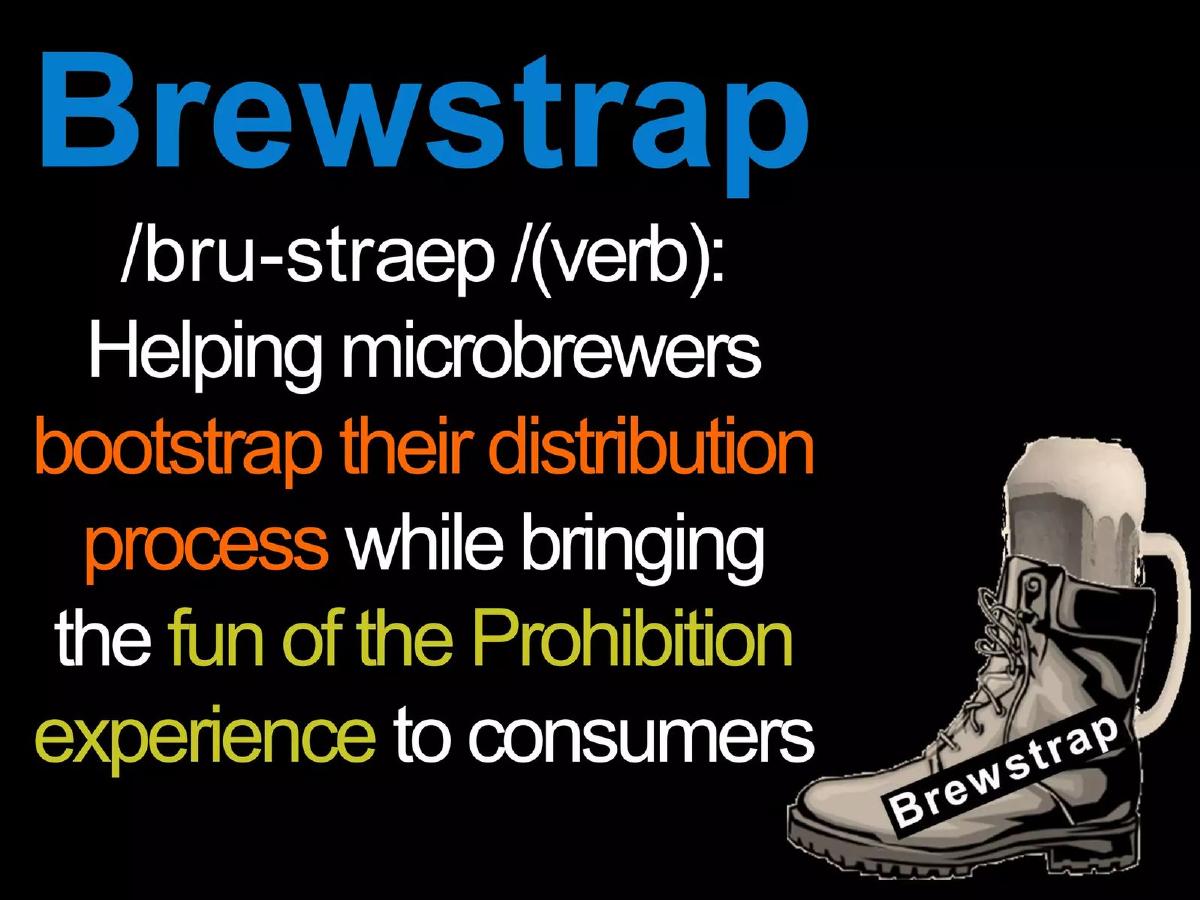
The cover slide features the company logo: a work boot filled with a frothy mug of beer, with the name 'BrewStrap' written across the boot. The imagery suggests a 'blue-collar' or 'bootstrapped' aesthetic, aligning with the company's name and its focus on microbrewers.
Slide 2: The Problem - Distribution Monopoly
This slide sets the stage by highlighting a significant market pain point: 'Two beer companies control 80% of the shelf space in stores.' The background image is a crowded retail beer cooler, emphasizing the difficulty small brands face in gaining physical visibility.
Slide 3: The Target Audience
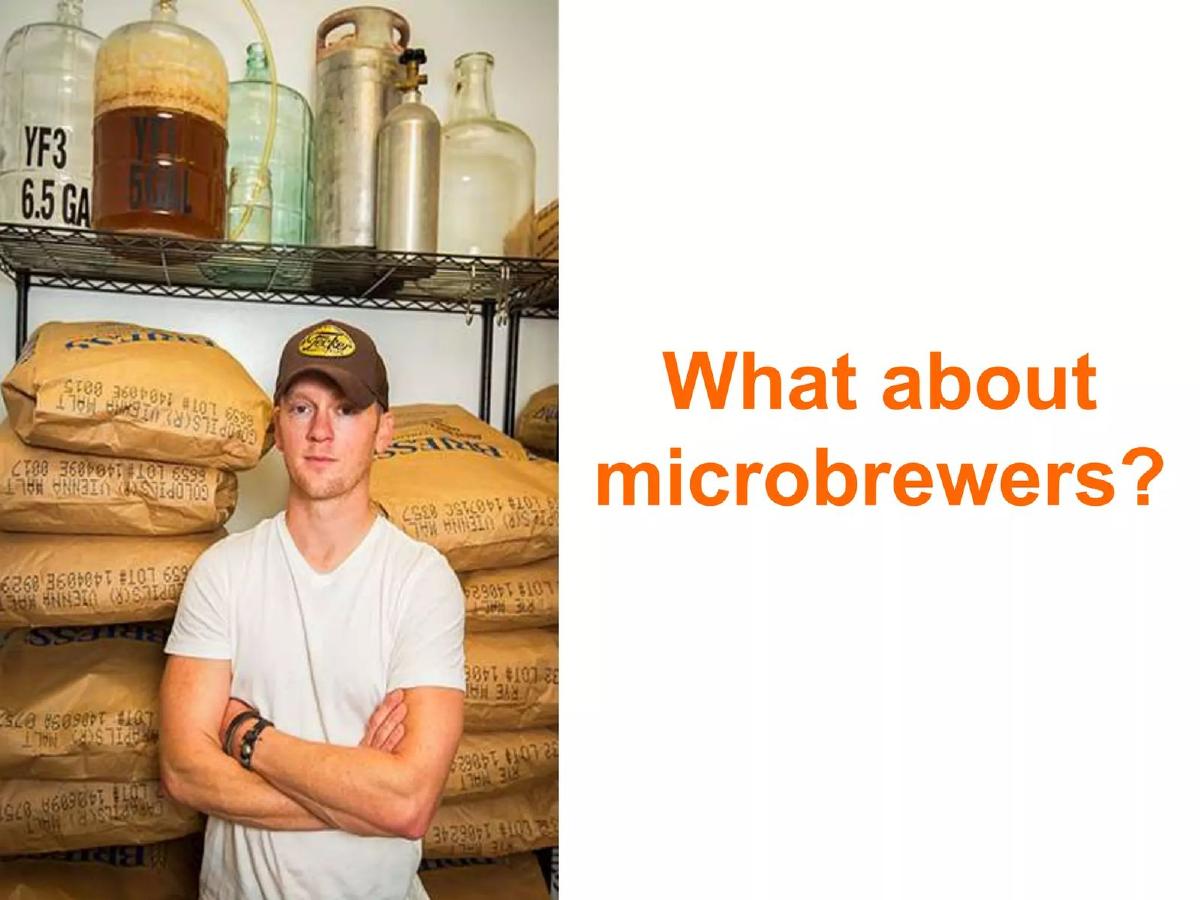
A simple question, 'What about microbrewers?', is posed alongside a photo of a brewer in a warehouse. This identifies the primary stakeholder the platform intends to serve.
Slide 4: The Catalyst - Regulatory Change
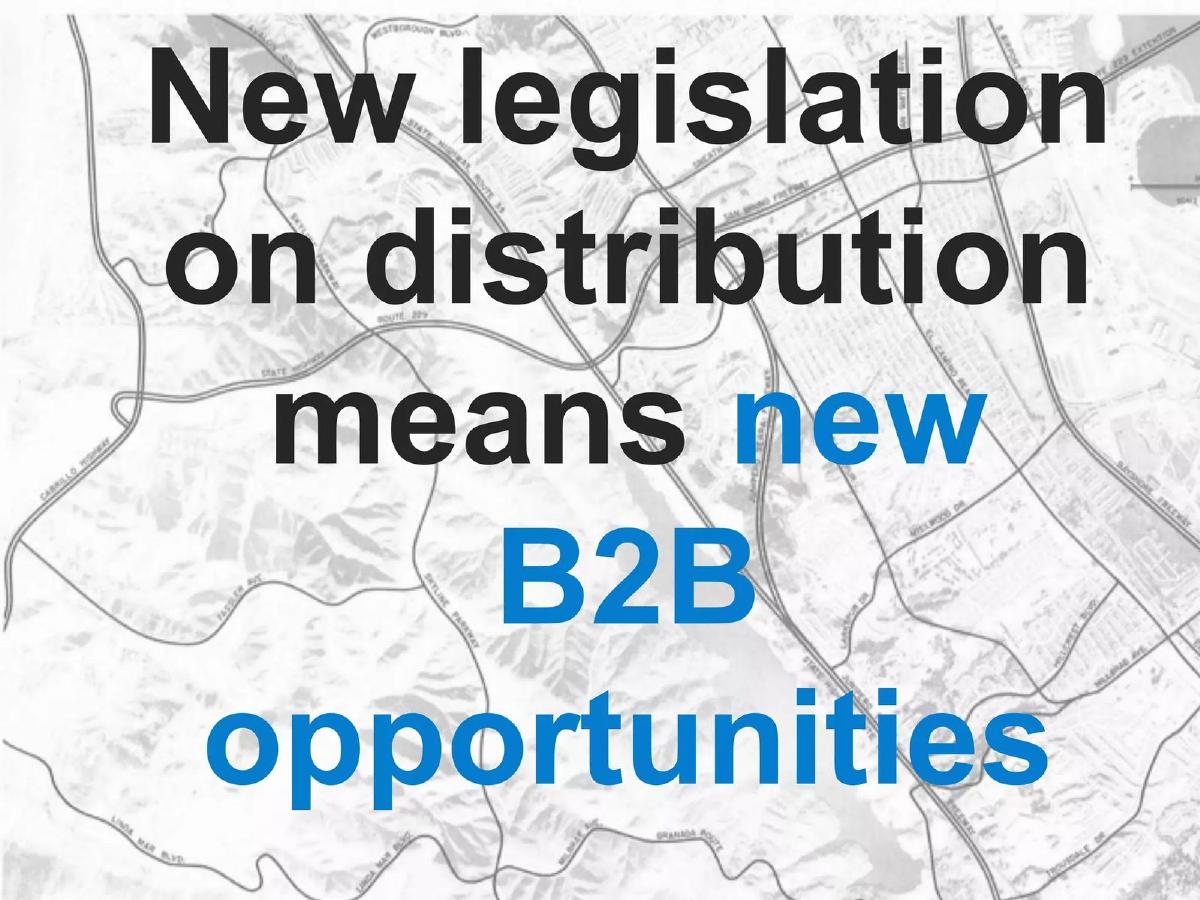
The slide states, 'New legislation on distribution means new B2B opportunities,' set against a map background. This is a critical 'Why Now' slide, though it lacks specific citations for the legislation mentioned. In the alcohol industry, regulatory shifts are often the primary drivers of new business models.
Slide 5: Historical Context
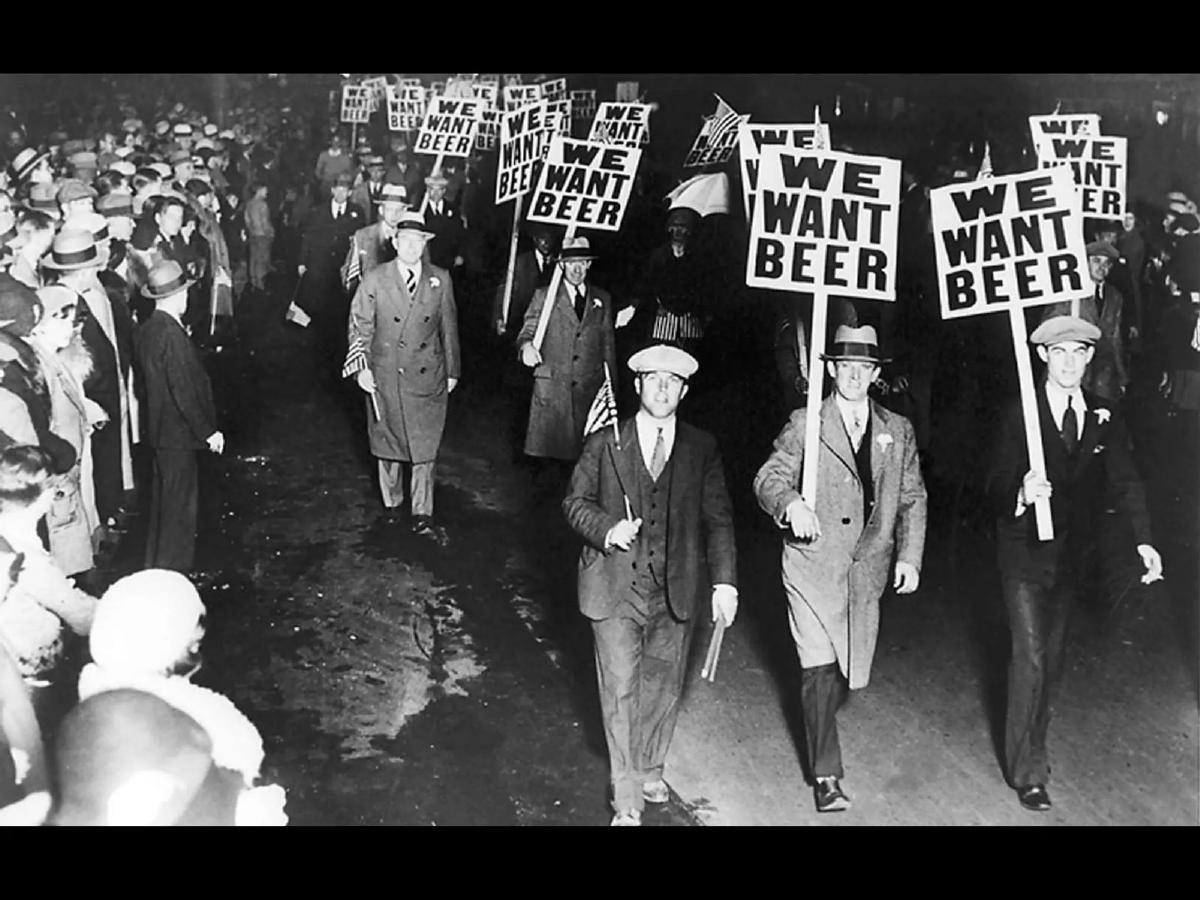
A black-and-white photo of a 'We Want Beer' protest from the Prohibition era is shown. This builds the thematic foundation for the brand's identity and consumer experience strategy.
Slide 6: The Mission Statement
BrewStrap is defined as a verb: 'Helping microbrewers bootstrap their distribution process while bringing the fun of the Prohibition experience to consumers.' This slide successfully bridges the B2B utility with the B2C marketing angle.
Slide 7: Value Proposition for Microbrewers
The deck lists three benefits for brewers: resources to grow their brand, visibility through virtual storefronts, and better consumer data. The inclusion of 'data' is a strong selling point, as traditional retail distribution often leaves manufacturers blind to who is actually buying their product.
Slide 8: Value Proposition for Consumers
For consumers, the platform offers access to new brews, a connection with the brewer, and an 'exclusive, interactive beer-buying experience.' The background shows a crowded taproom, suggesting a community-focused approach.
Slide 9: Value Proposition for Retailers
Retailers are promised higher margins, more variety, and marketing/consumer connections. This indicates that BrewStrap does not intend to completely bypass retailers, but rather to work with them as a specialized distribution partner.
Slide 10: Market Opportunity
The deck cites a '~$4B US addressable market' with 'Growth of 22% in 2014.' It also notes that a 6-pack of craft beer is marked up on average by 146%. These figures provide a sense of the scale and the potential for margin optimization within the supply chain.
Slide 11: Product Mockup - Brewer Profile
This slide shows a mockup of the BrewStrap interface, featuring a specific brewer ('Bitter Old Fecker'). It includes a narrative description of the brewing process (hand-stirred, no electricity) and specific product listings with 'Add' buttons and 'Like' counts (467 and 1,467). This demonstrates the 'virtual storefront' concept mentioned earlier.
Slide 12: Product Mockup - The 'Prohibition' Hook
The mockup shows a 'Featured Brewer' section and a delivery notice: 'December 11, Limited Supply, Password Required.' This illustrates the interactive, gamified buying experience intended to drive consumer urgency.
Slide 13: Financial Projections
A dual-chart slide shows Revenue and Income projections. Year 1 shows a loss of $(0.3)M. By Year 5, the company projects $24M in revenue and $12.2M in income before taxes. A table below shows the growth in scale: moving from 0 brewers and 0 states in Year 1 to 551 brewers across 17 states by Year 5.
Slide 14: Future Aspirations
The company lists expansion plans, including the direct-to-consumer wine market ($2B in 2014), merchandising services to retailers, enhanced logistics support, and legal/marketing services for startups.
Slide 15: The Ask
BrewStrap is seeking a total of $650,000. The breakdown is clearly visualized: $400K for Biz Development, $150K for Marketing, $50K for Web Development, and $50K for Office Rental. The heavy weight on business development suggests the primary hurdle is signing up enough brewers to reach critical mass.
Slide 16: Exit Opportunities
The final slide lists three potential acquirers: Amazon.com, Reyes Beverage Group (a major distributor), and K&L Wine Merchants. This signals to investors that the founders have considered the long-term liquidity path.
What BrewStrap Does Well
Clear Problem Identification: The deck does an excellent job of visualizing the distribution bottleneck (Slide 2) and explaining why microbrewers need a new solution. · Thematic Consistency: The 'Prohibition' theme is woven throughout the deck, giving the brand a distinct personality that differentiates it from a generic logistics platform. · Three-Sided Value Prop: The deck addresses the needs of all three parties in the marketplace: brewers, retailers, and consumers.
What is Missing from the Deck
Team Slide: This is the most glaring omission. In a highly regulated industry like alcohol distribution, the background and expertise of the founders are paramount. Investors need to know if the team has experience in logistics, law, or the beverage industry. · Unit Economics: While the deck shows top-line revenue projections, it doesn't explain the take rate, shipping costs, or customer acquisition costs (CAC). · Regulatory Detail: Slide 4 mentions 'new legislation' but doesn't name it. Given the complexity of the Three-Tier System in the US, a more detailed explanation of how BrewStrap remains compliant is necessary. · Competitive Landscape: The deck mentions the distribution monopoly but doesn't acknowledge other craft-focused platforms or D2C beer clubs that were emerging around the same time.
Founder Takeaways
Visual Storytelling: Use high-quality, thematic imagery to make your deck memorable. BrewStrap’s use of historical photos and consistent branding helps tell a story rather than just presenting data. · Segmented Value Propositions: If you are building a marketplace, dedicate specific slides to each user group. Showing exactly what a brewer gets versus what a retailer gets makes the business model easier to digest. · Specific Ask Breakdown: Don't just ask for a lump sum. Breaking down the 'Ask' into categories (as seen on Slide 15) shows that you have a plan for the capital and have thought through your operational priorities. · Don't Forget the Team: Never omit a team slide. Even if you are a first-time founder, highlight the specific skills or experiences that make you the right person to solve this specific problem.
Frequently asked questions
- What is the core problem BrewStrap is trying to solve?
- BrewStrap addresses the distribution monopoly in the beer industry. According to slide 2, two companies control 80% of shelf space, making it difficult for microbrewers to reach consumers. BrewStrap aims to bypass traditional shelf-space limitations by providing virtual storefronts and direct-to-consumer delivery options.
- How does BrewStrap plan to generate revenue?
- While the deck does not explicitly state the fee structure, slide 13 projects revenue reaching $24 million by Year 5. The business model involves a three-sided marketplace benefiting brewers (visibility/data), retailers (higher margins/variety), and consumers (exclusive access). Slide 10 notes that a 6-pack of craft beer is marked up by 146% on average, suggesting BrewStrap may capture a portion of this margin.
- What is the 'Prohibition experience' mentioned in the deck?
- Slide 12 illustrates a marketing strategy where deliveries are framed as 'limited supply' and require a 'password.' This gamification of the purchasing process is intended to create an interactive and exclusive 'Prohibition-style' experience for the consumer, potentially driving higher engagement and brand loyalty.
- What are the biggest risks missing from the deck?
- The deck mentions 'new legislation' on slide 4 but does not detail what that legislation is or which states it applies to. Alcohol distribution is heavily regulated by state-specific 'three-tier' laws. The lack of a team slide is also a significant omission, as investors cannot evaluate the founders' ability to navigate these complex legal and logistical hurdles.
- What is the intended use of the $650,000 investment?
- As shown on slide 15, the majority of the funds ($400,000) are earmarked for Business Development. The remainder is split between Marketing ($150,000), Web Development ($50,000), and Office Rental ($50,000). This suggests a heavy focus on acquiring brewery partners and building the digital infrastructure.