The 2018 Button City pitch deck is a 12-slide presentation that prioritizes art direction and narrative structure over traditional financial metrics. Aimed at securing funding for a low-poly narrative adventure game, the deck effectively introduces the protagonist, Fennel, and the core gameplay loop of exploration, puzzles, and arcade mini-games. While it lacks specific financial figures—using placeholders like $XX,XXX in the budget slide—it provides a clear roadmap for a 21-month development cycle and target platforms including Switch, PS4, and Xbox One. The deck succeeded in attracting Wing…
Key takeaways
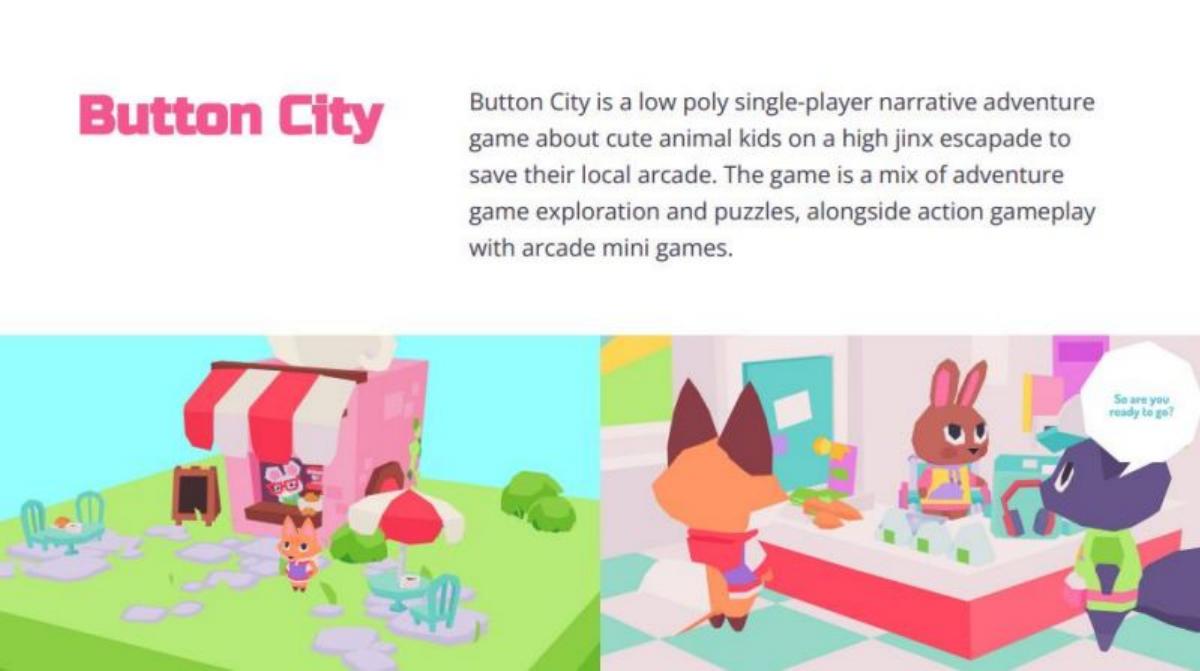
- The game is defined as a low-poly single-player narrative adventure about saving a local arcade (Slide 2).
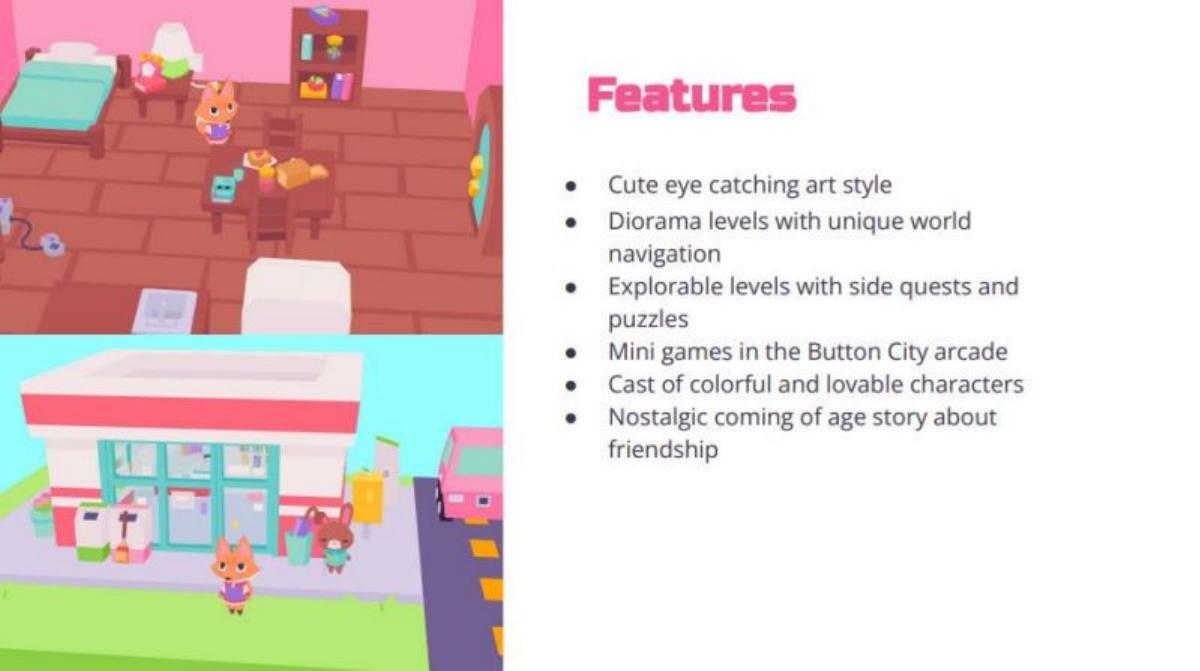
- Core gameplay features include diorama levels, side quests, and mini-games within the Button City arcade (Slide 3).
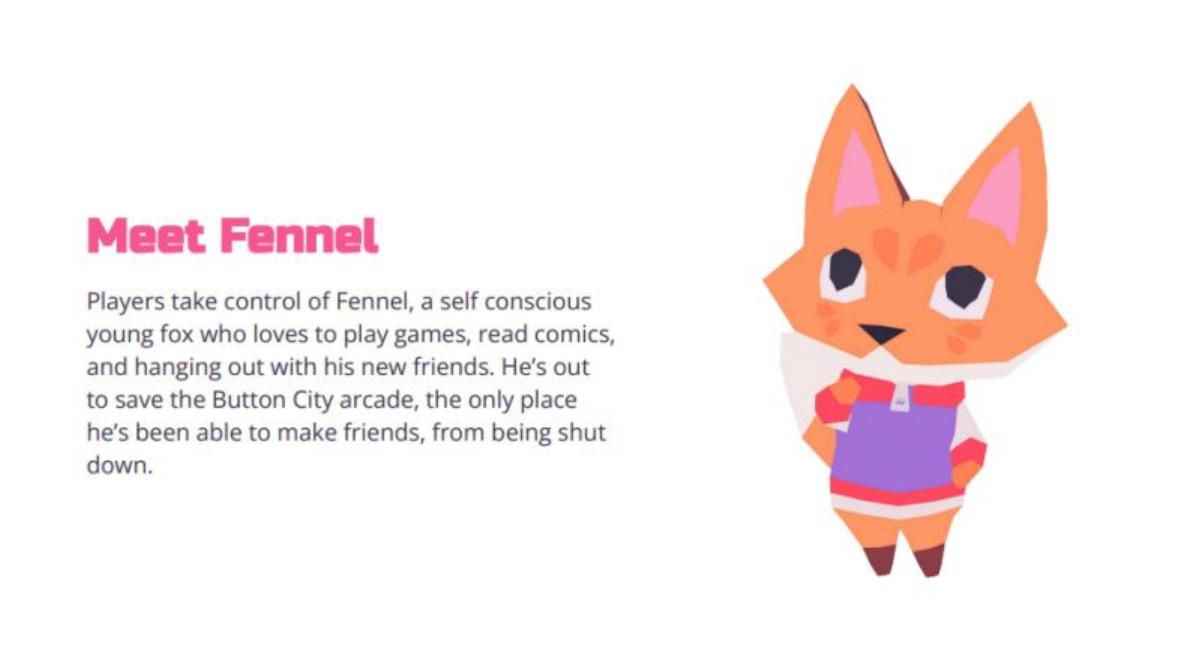
- The deck introduces a specific protagonist, Fennel, to anchor the narrative appeal (Slide 4).
- Development status is listed as pre-alpha with a working prototype and a target of 3-4 hours of gameplay (Slide 7).
- Target platforms are comprehensive, covering Switch, PS4, Xbox One, PC/Mac, and future mobile/AR versions (Slide 7).
- The 'What we need' section specifically requests help with dev kits, porting, QA, and hiring a musician (Slide 7).
- The budget slide uses placeholders ($XXX,XXX.XX) rather than actual figures, indicating this version was likely a template or redacted for public viewing (Slide 8).
- Founders Shandiin and Ryan Woodward leverage their experience with Meow Wolf and Ideum to establish technical and artistic credibility (Slide 9).
The Visual Language of Indie Gaming
The Button City 2018 pitch deck is a distinct departure from the data-heavy presentations typical of Silicon Valley. In the gaming industry, especially for narrative-driven indie titles, the 'look and feel' of the product is often the most significant indicator of potential success. This deck, consisting of 12 slides, serves as a visual portfolio as much as a business proposal. It successfully secured funding from Wings Interactive, an investment fund that supports diverse teams and high-potential indie projects.
Slide 1: The Hook
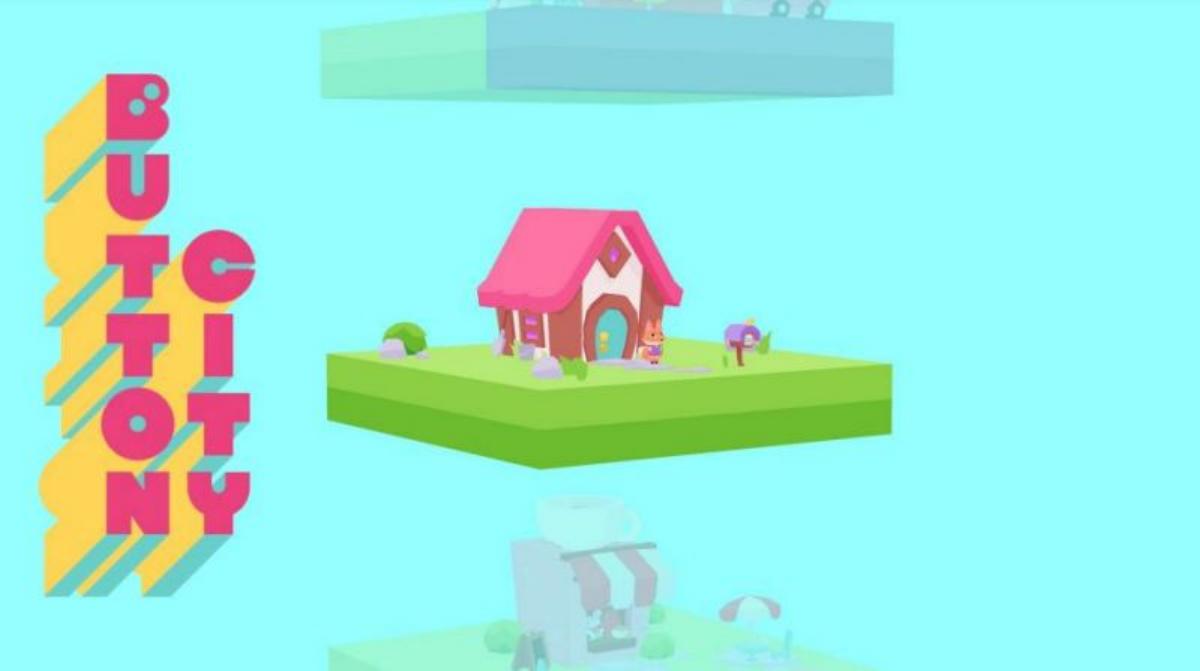
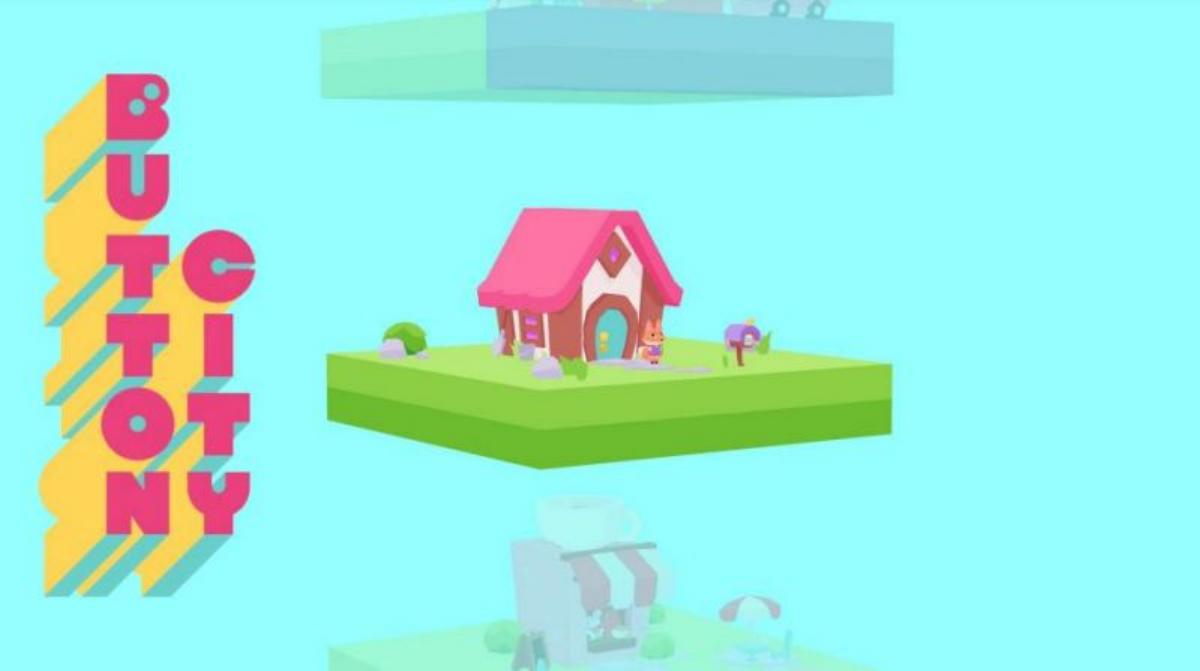
The title slide features the Button City logo in a stylized, vertical 3D font. The background consists of floating 'diorama' islands, which immediately introduces the game's primary visual mechanic without a single word of text. This is a strong opening for a creative project, as it establishes the aesthetic identity of the brand immediately.
Slide 2: The Elevator Pitch
Slide 2 provides the core definition: "Button City is a low poly single-player narrative adventure game about cute animal kids on a high jinx escapade to save their local arcade." This sentence does three things: it defines the genre (narrative adventure), the art style (low poly), and the stakes (saving the arcade). The slide is supported by two in-game screenshots showing character interactions and the isometric world view.
Slide 3: Feature Breakdown
The 'Features' slide uses a simple bulleted list to expand on the value proposition. Key points include "Diorama levels with unique world navigation" and "Mini games in the Button City arcade." By mentioning mini-games, the deck suggests a 'game within a game' structure, which adds perceived value and variety to the 3-4 hour gameplay experience mentioned later in the deck.
Slide 4: Character Introduction
Titled 'Meet Fennel,' this slide introduces the protagonist. Describing Fennel as a "self conscious young fox who loves to play games," the deck leans into the 'relatability' factor. In narrative games, the player's connection to the character is a primary driver of retention and word-of-mouth marketing. Devoting an entire slide to one character signals to investors that the story is the engine of this product.
Slide 5: Gameplay Mechanics
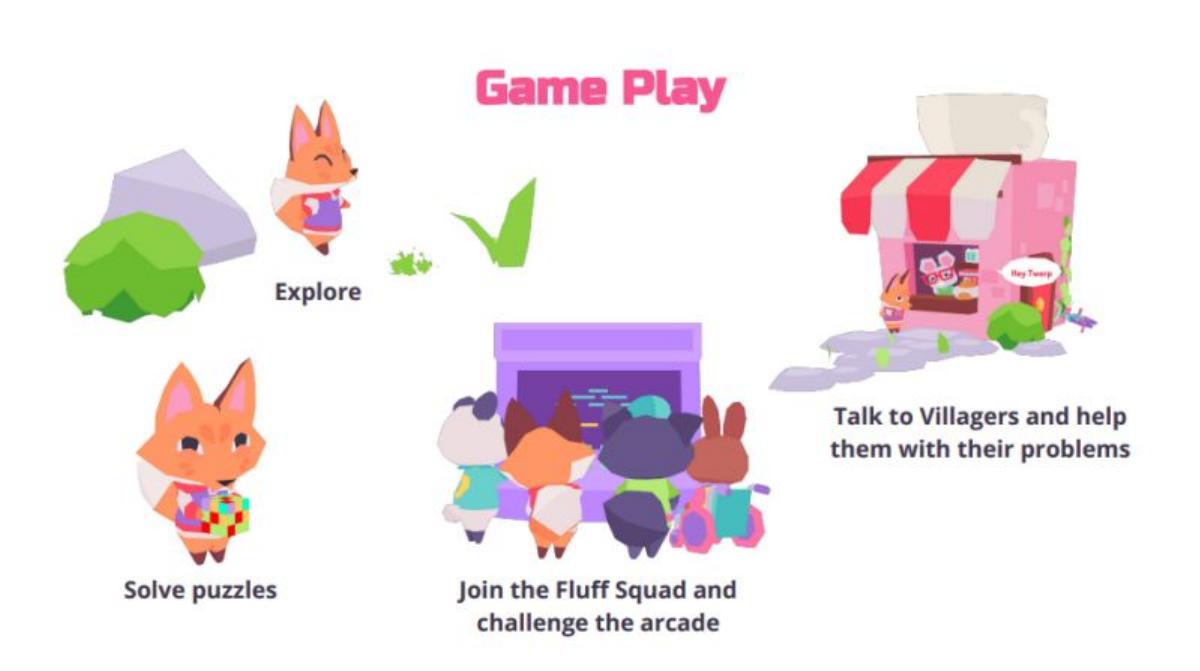
Slide 5 breaks down the player's actions into four categories: Explore, Solve puzzles, Join the Fluff Squad, and Talk to Villagers. This slide is crucial because it translates the 'narrative' into 'mechanics.' It shows that the game isn't just a visual novel; it has a loop of exploration and problem-solving that justifies its status as an 'adventure game.'
Slide 6: Media Assets
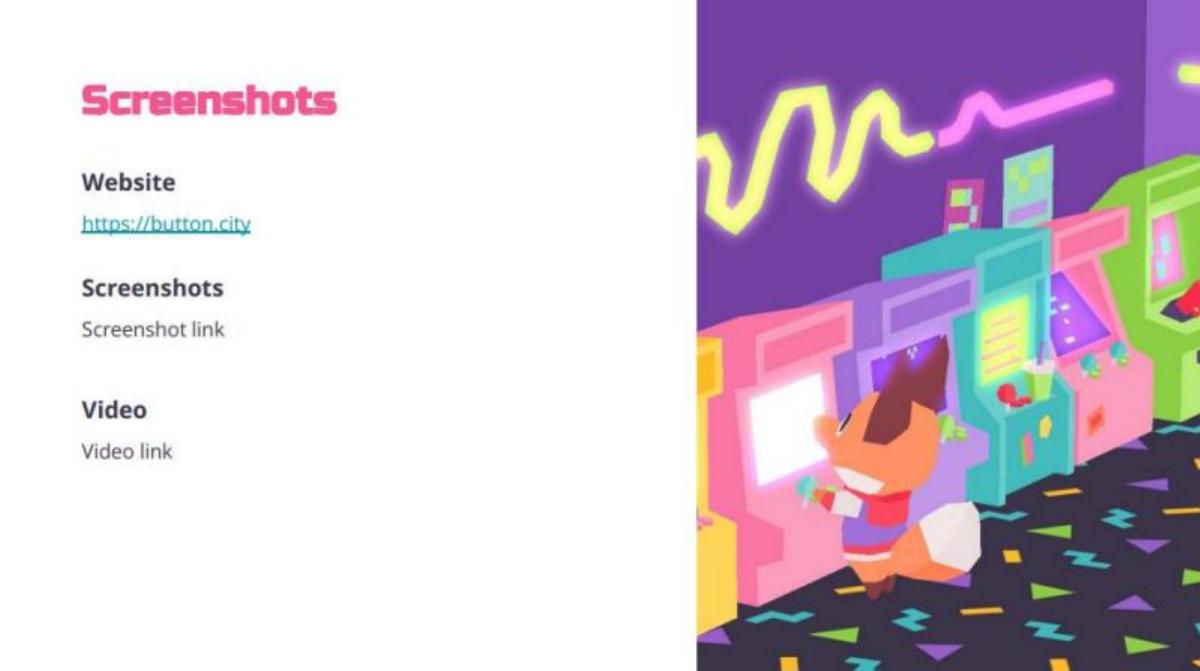
The 'Screenshots' slide is primarily a placeholder for external links. It provides a website URL ( a link for screenshots, and a video link. While the slide itself features a vibrant image of the arcade interior, its primary purpose is to direct the investor to a working prototype or trailer, which is the most important asset in any game pitch.
Slide 7: Development Status and The Ask
This slide provides the hard facts of the project. The team states they are in "pre-alpha with a working prototype" and aiming for a "Target Release: Early 2020." The 'What we need' section is highly specific, requesting funds for "development costs, buying dev kits, porting, QA, marketing, and hiring a musician and sound designer." This transparency helps investors understand exactly where their capital will be deployed.
Slide 8: The Budget
Slide 8 is the most 'traditional' startup slide, featuring a table for burn rates and event costs. However, in this version of the deck, all figures are represented by placeholders like "$XX,XXX." The only specific duration mentioned is a "Projected budget (21 months)." This indicates a nearly two-year development cycle from the point of funding to release, which is standard for a small indie team.
Slide 9: The Founders
The 'About us' slide introduces Shandiin and Ryan Woodward. Rather than listing degrees, it focuses on their professional contributions to the creative scene in Albuquerque, New Mexico. Shandiin’s role as lead website designer for Meow Wolf (the famous Santa Fe art installation) and Ryan’s work on museum touch screen interactives provide strong evidence that they can handle complex, high-fidelity creative projects. They also mention their previous game, Sky Pets (2015) , proving they have experience shipping a product.
Slide 10-12: Contact and Closing
The final slides are standard contact information and a 'Let's Go!' closing slide featuring the main cast of characters. Slide 11 features a stylized 'cat-shaped' handheld gaming device, further reinforcing the game's retro-arcade theme. Slide 12 is a promotional slide for the platform hosting the deck and is not part of the original Button City pitch.
What Works in This Deck
The primary strength of the Button City deck is its visual consistency . Every slide uses the same color palette, font, and art style found in the game itself. This creates a cohesive brand experience for the investor. If the investor likes the look of the deck, they will like the look of the game.
Second, the scope is realistic . By targeting a 3-4 hour gameplay window and a 21-month development cycle, the founders avoid the 'feature creep' that often sinks indie projects. They aren't promising a 100-hour RPG; they are promising a tight, polished narrative experience.
What is Missing
Market Analysis: The deck lacks any mention of the competitive landscape. There are no comparisons to successful 'cozy' games or narrative adventures like Night in the Woods or A Short Hike . Investors usually want to see that the founders understand their market niche and how they plan to stand out.
Marketing and Distribution Strategy: While 'marketing' is mentioned in the budget ask, there is no plan for how they will reach players. Will they use influencers? Steam festivals? Console storefront featuring? A slide detailing their 'go-to-market' strategy for the indie scene would have strengthened the business case.
Unit Economics: There is no mention of the target price point or the number of units they need to sell to break even. While indie games are hits-driven, showing a basic 'break-even' analysis based on the projected 21-month budget would demonstrate financial literacy.
Founder's Playbook: What to Copy
1. Lead with the 'Vibe': If you are building a creative or consumer-facing product, your deck should look like your product. Button City’s use of in-game assets as slide backgrounds is a perfect example of this.
2. Define the Protagonist: For narrative products, the 'who' is as important as the 'what.' Introducing Fennel (Slide 4) gives the investor someone to root for, making the pitch more memorable.
3. Be Specific About the 'Ask': Don't just ask for 'funding.' Ask for 'dev kits, porting, and a sound designer' (Slide 7). This shows you have a granular understanding of your production needs.
4. Leverage Non-Traditional Experience: If you haven't worked at a FAANG company, highlight your community leadership or unique creative projects. The founders' connection to Meow Wolf (Slide 9) is a powerful 'social proof' signal in the creative industry that is arguably more relevant than a standard corporate background.
Conclusion The Button City deck is a successful example of a 'creative-first' pitch. It prioritizes the emotional and aesthetic appeal of the game while providing just enough structural information—platforms, timeline, and team background—to satisfy a specialized investor like Wings Interactive. For indie developers, this deck provides a clear blueprint for how to balance art and business in a fundraising environment.
Frequently asked questions
- Why are the financial figures in the budget slide redacted?
- Slide 8 uses placeholders like '$XX,XXX' for burn rates and '$XXX,XXX.XX' for the total 21-month budget. In the indie gaming world, these decks are often shared publicly after funding is secured, and founders redact specific sensitive data to protect their competitive positioning or privacy while still showing the structure of their financial planning to other aspiring developers.
- What is the primary value proposition of Button City according to the deck?
- The value proposition is centered on a 'nostalgic coming of age story about friendship' delivered through a 'cute eye catching art style' (Slide 3). Unlike a SaaS deck that focuses on ROI, this deck focuses on the emotional resonance of the narrative and the aesthetic appeal of the 'diorama levels' to attract a specific niche of adventure game players.
- How does the deck handle the 'Team' slide differently than tech startups?
- Slide 9, titled 'About us,' emphasizes creative and community credentials over typical 'ex-Google' or 'serial entrepreneur' tropes. It highlights Shandiin's work for Meow Wolf and Ryan's work on museum installations, positioning them as creators of 'interactive art' rather than just software developers, which aligns with the game's narrative-heavy focus.
- What is the significance of the 3-4 hour gameplay target?
- On Slide 7, the team explicitly states they are aiming for 3-4 hours of core gameplay. This is a crucial metric for indie game investors as it defines the scope of the project. It suggests a 'short-form' premium experience, which helps investors calibrate the expected price point and development cost relative to massive open-world titles.
- Which platforms did the developers prioritize for release?
- Slide 7 lists Switch, PS4, Xbox One, and PC/Mac as the primary target platforms for an 'Early 2020' release. Interestingly, it categorizes Mobile and AR as 'Extended target platforms,' showing a clear strategy to conquer the console and PC market before attempting to port the experience to mobile devices.