ZendyHealth’s 13-slide deck is a masterclass in the 'X for Y' pitch, explicitly branding itself as the 'Priceline for Healthcare.' The company targets the lack of price transparency in medical billing, specifically for standardized procedures like MRIs, dental implants, and cosmetic treatments. The deck highlights a 25% month-over-month average growth and $250,000 in transactional volume, proving early market fit for a 'Pick Your Price' model. By positioning the service as a solution for both patients with high-deductible plans and providers with perishable inventory (empty appointment slots)…
Key takeaways
- The deck uses a strong anchor by calling itself the 'Priceline' for healthcare on Slide 1.
- ZendyHealth identifies a specific pain point: the lack of price transparency and high medical bills (Slides 2-3).
- The 'Pick Your Price' model is trademarked and serves as the core value proposition (Slide 4).
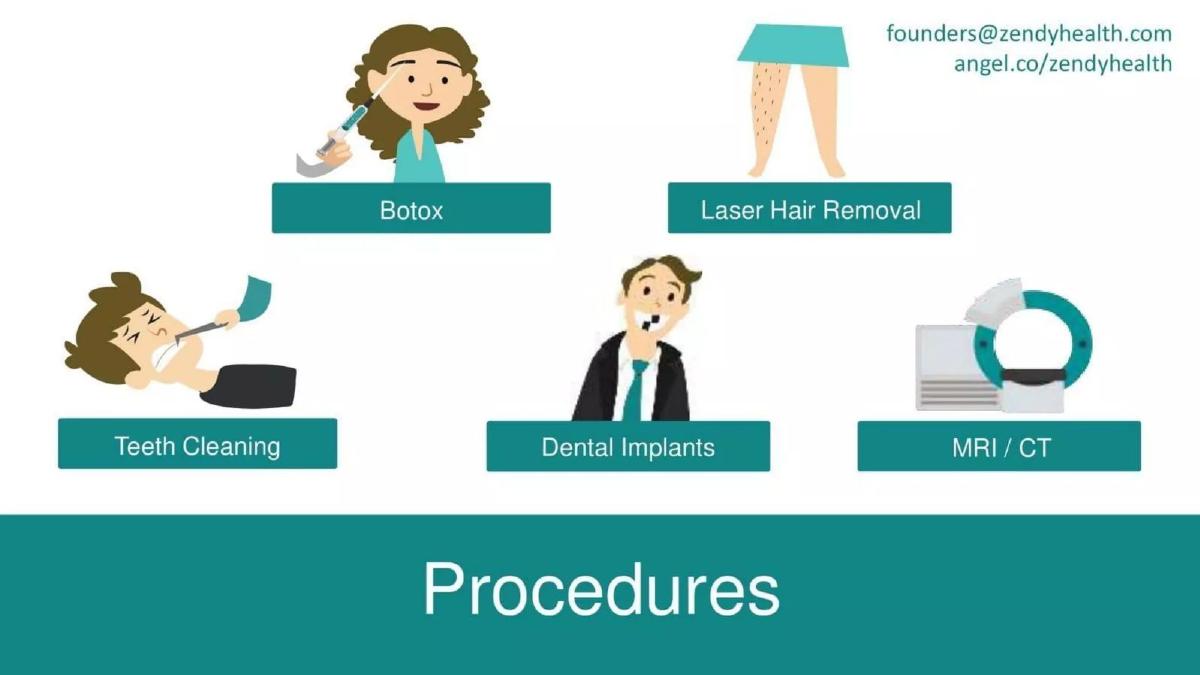
- The platform focuses on standardized, high-margin procedures like Botox, Dental Implants, and MRI/CT scans (Slide 5).
- Traction is demonstrated with $250,000 in transactional volume and 25% MoM growth (Slide 7).
- A specific case study shows a price reduction from $1,500 to $450 for an MRI, a 70% saving (Slides 8-9).
- The market opportunity is segmented into Dental ($30B), Health ($20B), and Cosmetic ($13B) for a total of >$60B (Slide 11).
- The team includes high-pedigree members with backgrounds from Stanford, Columbia, Amazon, and UCLA (Slide 12).
The 'Priceline' for Healthcare: A Strategic Teardown
ZendyHealth’s 2012 pitch deck is a fascinating look at the era of 'Uber for X' and 'Priceline for Y.' By taking a proven marketplace mechanic—opaque bidding for perishable inventory—and applying it to the notoriously opaque healthcare market, the founders created a compelling narrative for investors. The deck is lean, visual, and focuses heavily on the 'win-win' nature of the marketplace.
Slides 1-4: The Hook and the Problem
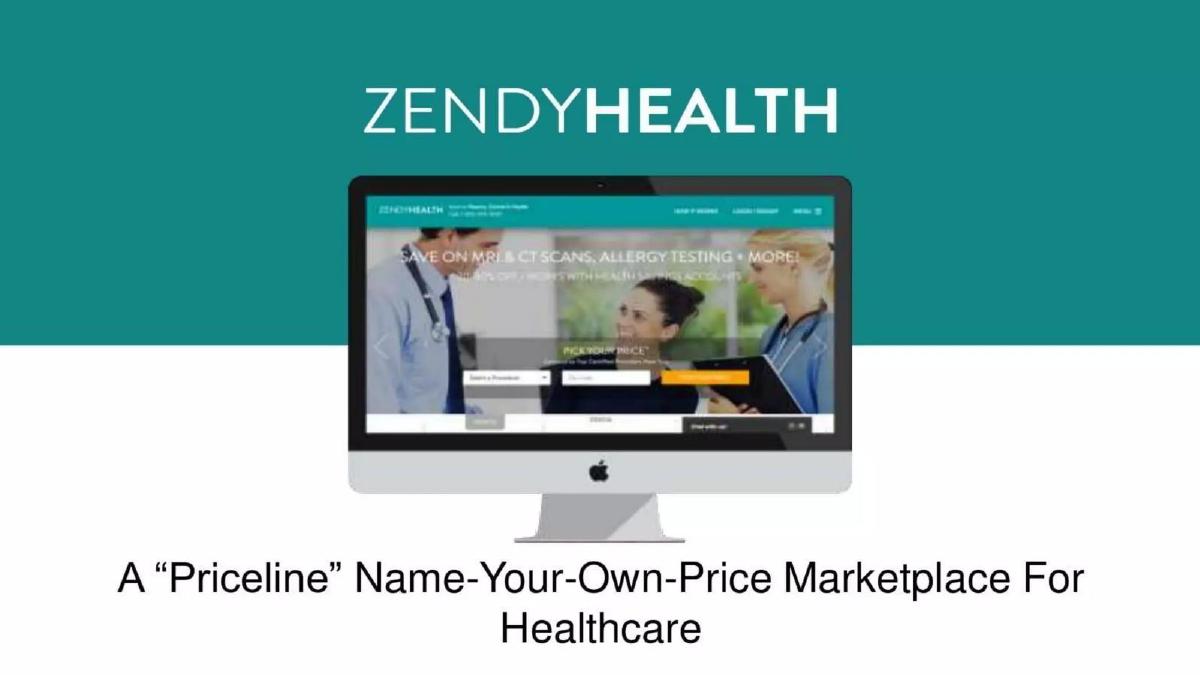
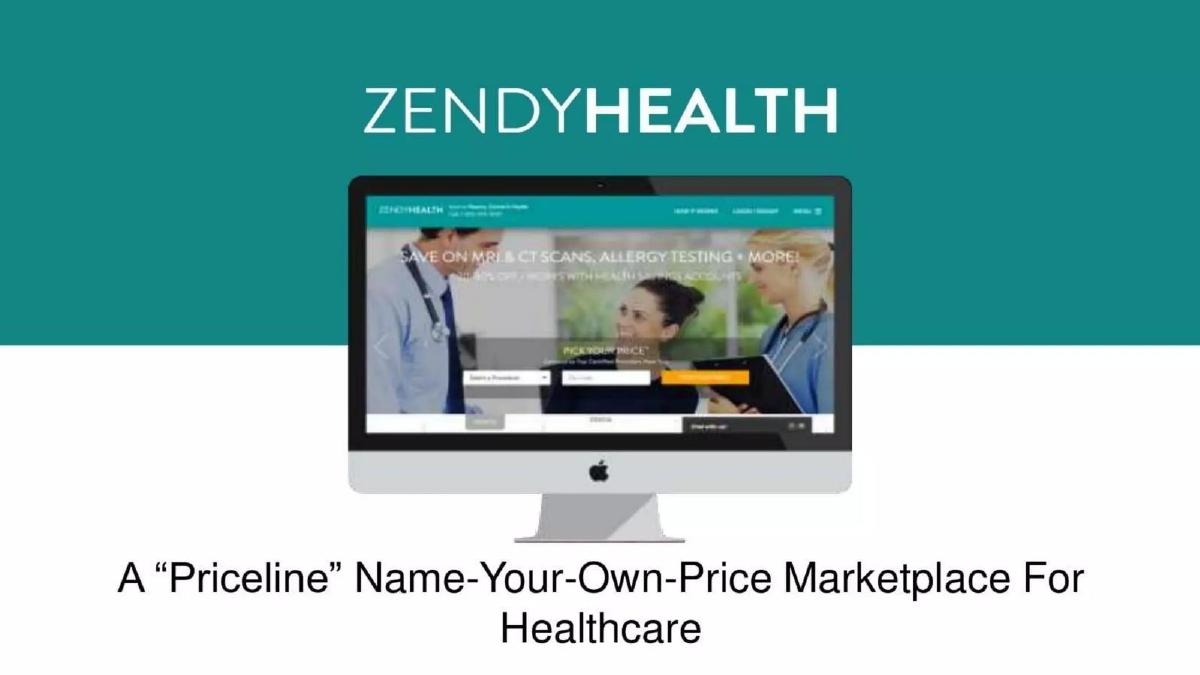
Slide 1: Title Slide The deck opens with a clear, high-resolution image of the product on an iMac, immediately establishing that this is a functional digital platform. The sub-headline, "A 'Priceline' Name-Your-Own-Price Marketplace For Healthcare," is a perfect example of using a known entity to explain a new concept. It sets the expectation for the business model before the investor even clicks to the next slide.
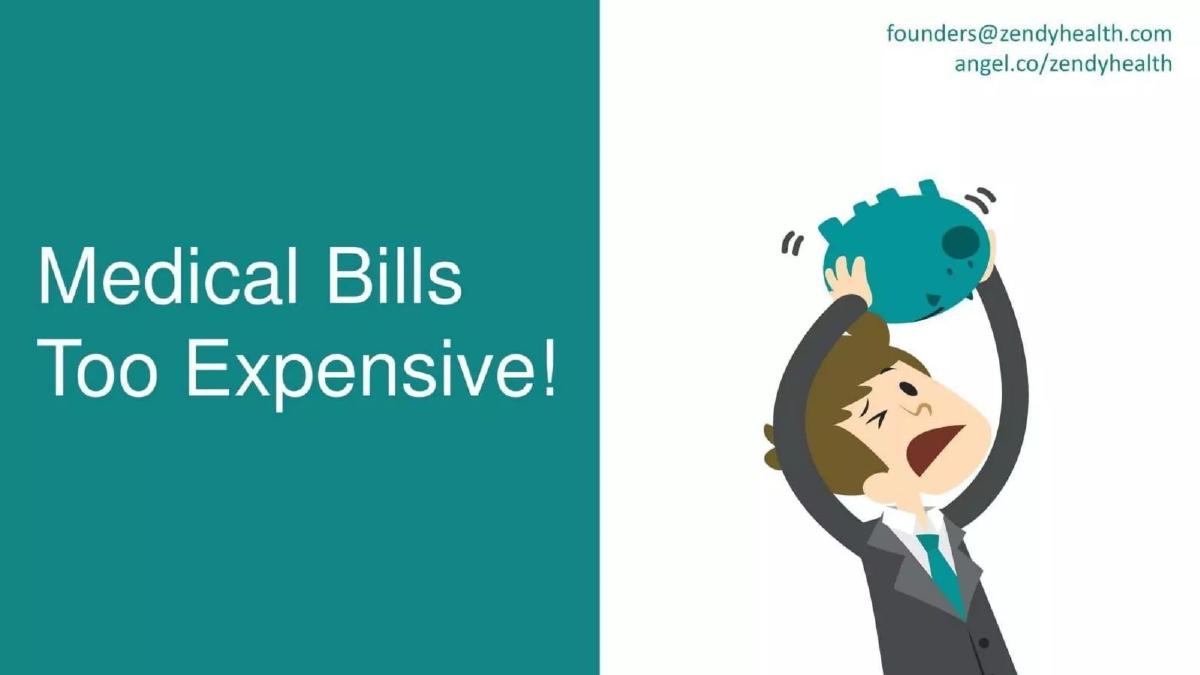
Slide 2: Medical Bills Too Expensive! Using a simple cartoon of a man struggling with a piggy bank, this slide identifies the primary consumer pain point. It is visceral and relatable, though it lacks specific data on the rising costs of healthcare which might have strengthened the case in 2012.
Slide 3: No Price Transparency This slide identifies the systemic issue. In the US healthcare system, patients often don't know the cost of a procedure until after it is performed. By highlighting 'No Price Transparency,' ZendyHealth positions itself as the solution to a structural market failure.
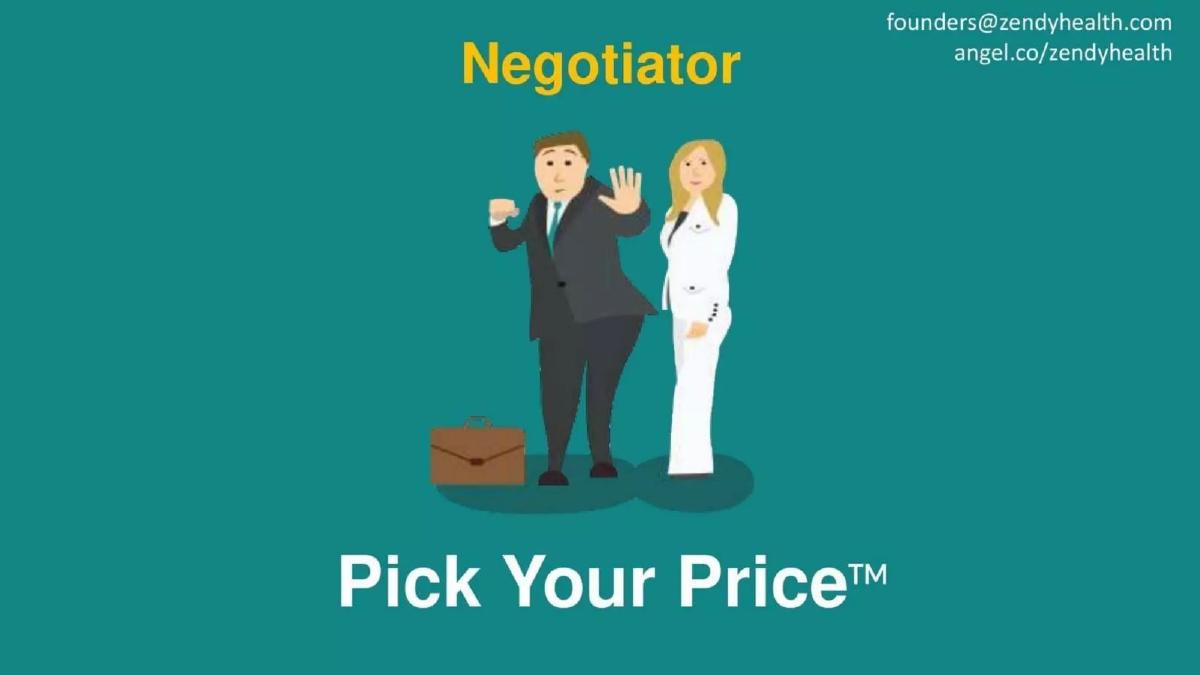
Slide 4: Negotiator - Pick Your Price™ Here, the solution is introduced. The trademarked 'Pick Your Price' slogan suggests a proprietary or at least highly branded approach to the bidding process. The imagery of a 'negotiator' implies that the platform does the hard work of haggling for the user.
Slides 5-6: The Product and the Provider Value Prop
Slide 5: Procedures Marketplaces live or die by their inventory. ZendyHealth wisely focuses on 'standardized' procedures. These are services where the consumer feels comfortable shopping on price because the output is predictable (e.g., an MRI image or a teeth cleaning). The slide lists Botox, Laser Hair Removal, Teeth Cleaning, Dental Implants, and MRI/CT. This mix of elective cosmetic and necessary diagnostic services broadens the total addressable market.
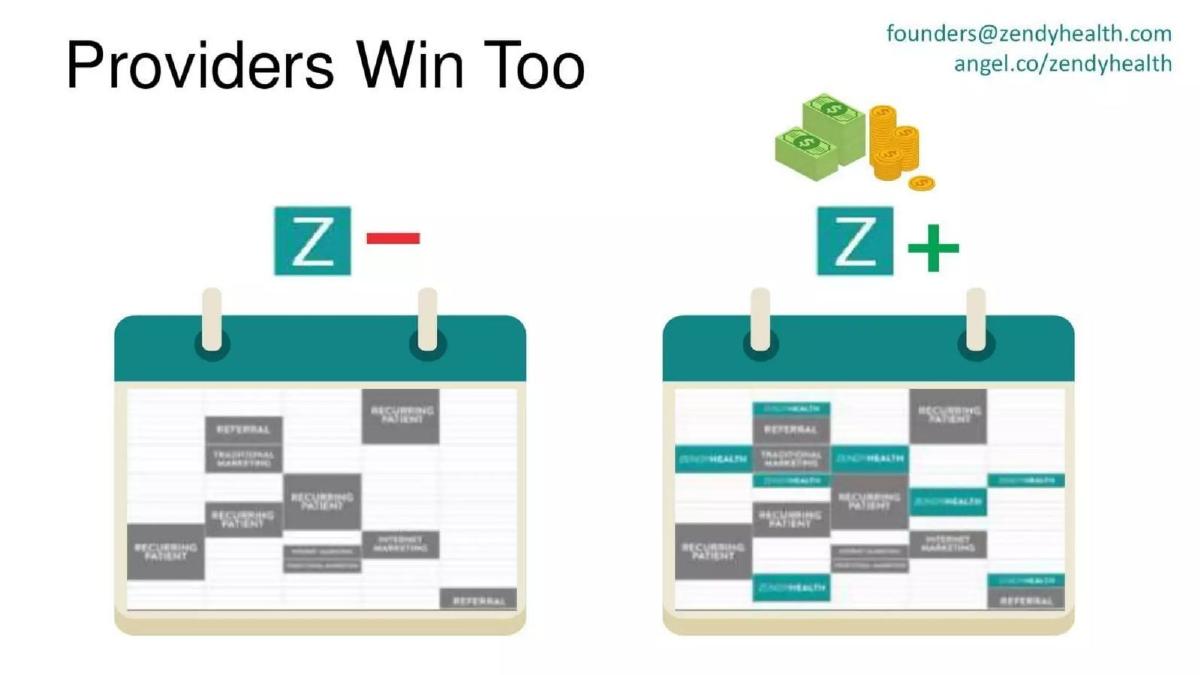
Slide 6: Providers Win Too A marketplace requires supply. This slide uses a calendar visual to show how ZendyHealth fills 'white space' in a provider's schedule. By labeling empty slots as 'perishable inventory,' the deck speaks the language of yield management. It explains that providers can earn incremental revenue from patients they wouldn't otherwise have, without cannibalizing their existing full-price patient base.
Slides 7-9: Traction and Case Study
Slide 7: Traction This is the 'money slide.' It lists four key metrics:
$250,000 Transactional Volume · 25% MoM Avg Growth · $100,000s Saved · 15% Repeat Users
The 15% repeat user rate is particularly important for a healthcare platform, as it suggests the experience was positive enough for patients to return for different procedures.
Slide 8 & 9: Case Study The deck uses a two-part visual case study of a patient with a 'High Deductible Health Plan.' Slide 8 shows the standard cost of $1,500 for an MRI. Slide 9 reveals the 'Zendy Price' of $450. This 70% discount is a powerful proof of concept. It demonstrates that the platform isn't just saving people a few dollars; it is making healthcare accessible to those who might otherwise skip a necessary scan due to cost.
Slides 10-11: Scaling and Market Size
Slide 10: HSA Partnerships To address the question of 'how do you get users?', ZendyHealth points to Health Savings Accounts (HSAs). They show two existing partnerships covering 500,000 and 75,000 patients respectively. Mentioning '10 HSA Contracts in Immediate Pipeline' shows a clear path to scaling without relying solely on expensive Facebook or Google ads.
Slide 11: Market Opportunity The deck claims a >$60B Addressable Market. They break this down into Dental ($30B), Health ($20B), and Cosmetic ($13B). On the right side of the slide, they mention '$280K Self-Funded' and '$1MM in Angel Funding,' which provides context on their capital efficiency to date. The inclusion of social media icons (Twitter, Facebook, Tinder) is a bit confusing here—it likely refers to their digital marketing channels, but it isn't explicitly explained.
Slides 12-13: Team and Conclusion
Slide 12: Our Team The team slide is strong on pedigree. Vish Banthia, MD, FACS, provides the necessary medical credibility. Roumen Antonov’s 'Amazon.com' background suggests the technical capability to build a complex marketplace. Justin French’s marketing background rounds out the trio. The logos for Stanford, Columbia, and UCLA add institutional 'social proof.'
Slide 13: Conclusion The final slide repeats the 'Priceline for HealthCare' mantra and provides contact info. Notably, there is no 'The Ask' slide in this version of the deck. We don't see how much they are raising or what the milestones for the next 18 months are.
What Works in the ZendyHealth Deck
1. The Analogy: Using 'Priceline' as a shorthand for the business model is incredibly effective. It immediately explains the user flow (bid, wait, match) and the value prop (discounted rates for flexible consumers).
2. Focus on Standardized Procedures: By not trying to be a marketplace for 'all' healthcare, ZendyHealth avoids the complexity of emergency care or chronic disease management. They focus on the 'commoditized' end of medicine where price shopping is most logical.
3. The HSA Strategy: Showing a B2B2C distribution model through HSAs is a smart way to prove that the company has a 'moat' or at least a sophisticated customer acquisition strategy beyond just buying ads.
What is Missing from the ZendyHealth Deck
1. Unit Economics: While they show transactional volume, they don't show the take rate. Does ZendyHealth take 10%, 20%, or a flat fee? Without this, it's hard to judge the actual revenue potential.
2. The 'Ask': A professional pitch deck should almost always include a slide detailing how much capital is being raised and exactly how that money will be spent (e.g., 40% engineering, 40% sales, 20% ops).
3. Competitive Landscape: There is no mention of competitors like Zocdoc (which was well-established by 2012) or other price transparency tools. Investors want to know why ZendyHealth’s bidding model is superior to a simple directory or a fixed-price discount site.
What a Founder Should Copy
1. The 'Win-Win' Slide: Slide 6 is a great template for any marketplace founder. It clearly visualizes the benefit to the supply side (providers) without using too much text. Showing how you solve 'perishable inventory' is the key to unlocking supply in any industry.
2. The Case Study Format: Slides 8 and 9 are excellent. Using a real-world example of a high-cost item (MRI) and showing the dramatic price reduction through the platform is much more memorable than a chart of average savings.
3. Pedigree Branding: If your team has attended top-tier universities or worked at 'Big Tech' firms, follow Slide 12's example. Use the logos prominently. In the early stages, investors are often betting on the team's ability to execute as much as the idea itself.
Frequently asked questions
- What is the core business model of ZendyHealth?
- ZendyHealth operates a 'name-your-own-price' marketplace for healthcare. Patients select a standardized procedure (like an MRI or dental cleaning) and bid a price they are willing to pay. ZendyHealth then matches them with certified local providers who have excess capacity and are willing to accept that lower rate to fill their schedule.
- How does ZendyHealth acquire patients at scale?
- Beyond direct consumer marketing, Slide 10 reveals a B2B2C strategy targeting Health Savings Accounts (HSAs). The deck notes two HSA partnerships covering over 575,000 patients, with 10 more contracts in the immediate pipeline, providing a low-cost acquisition channel.
- What types of medical procedures are offered?
- The platform focuses on 'standardized' procedures where quality is perceived as consistent or can be vetted via certification. Examples from Slide 5 include Botox, Laser Hair Removal, Teeth Cleaning, Dental Implants, and MRI/CT scans.
- What was the company's traction at the time of the pitch?
- According to Slide 7, the company had reached $250,000 in total transactional volume. They were growing at an average rate of 25% month-over-month and reported that 15% of their users were repeat customers.
- Who are the founders of ZendyHealth?
- The leadership team featured on Slide 12 includes Vish Banthia, MD (Chief Medical Officer) with credentials from Stanford and Columbia; Roumen Antonov, PhD (CTO) with experience at Amazon; and Justin French (Director of Marketing) with a background at UCLA and MacMall.