AirHub’s 2018 pitch deck is a classic example of a pre-seed product showcase. Spanning 12 slides, the presentation leans heavily on the projected growth of the commercial drone market—citing a SESAR study predicting 400,000 drones by 2035—and the resulting regulatory burden. The deck excels at demonstrating product-market fit through a list of high-profile Dutch institutional partners, including the National Police and Fire Department. However, it is a 'lite' deck that lacks traditional venture capital requirements: there is no mention of the founding team’s background, no financial projectio…
Key takeaways
- The deck relies on a macro-market projection of 400,000 commercial drones in Europe by 2035 to establish urgency (Slide 3).
- Early traction is localized but significant, listing the Dutch Police Force and Fire Department as stakeholders (Slide 4).
- The core value proposition is centered on three pillars: Regulation & Certification, Flight Planning, and Operational Compliance (Slide 5).
- The product is presented as a cross-platform solution available on mobile, tablet, and desktop (Slide 6).
- AirHub integrates with existing industry leaders, specifically mentioning DJI Go and AirMap for UTM connectivity (Slide 9).
- The workflow is categorized into Pre-Flight, In-Flight, and Post-Flight, covering everything from weather to battery logs (Slides 8-10).
- The deck lacks a team slide, omitting the names and expertise of the founders.
- There is no financial data, business model details, or specific investment amount requested in the 12 slides.
The Hook: A Question of Scale
Slides 1-3: Market Context and Projections
AirHub opens with a minimalist title slide (Slide 1) that clearly defines its category: Drone Operations Management . This is a strong start, as it immediately tells the viewer what the company does without unnecessary jargon. The transition to Slide 2 is a classic rhetorical device, asking the audience to estimate the number of commercial drones in 2035. This builds anticipation for the data-backed answer on Slide 3.
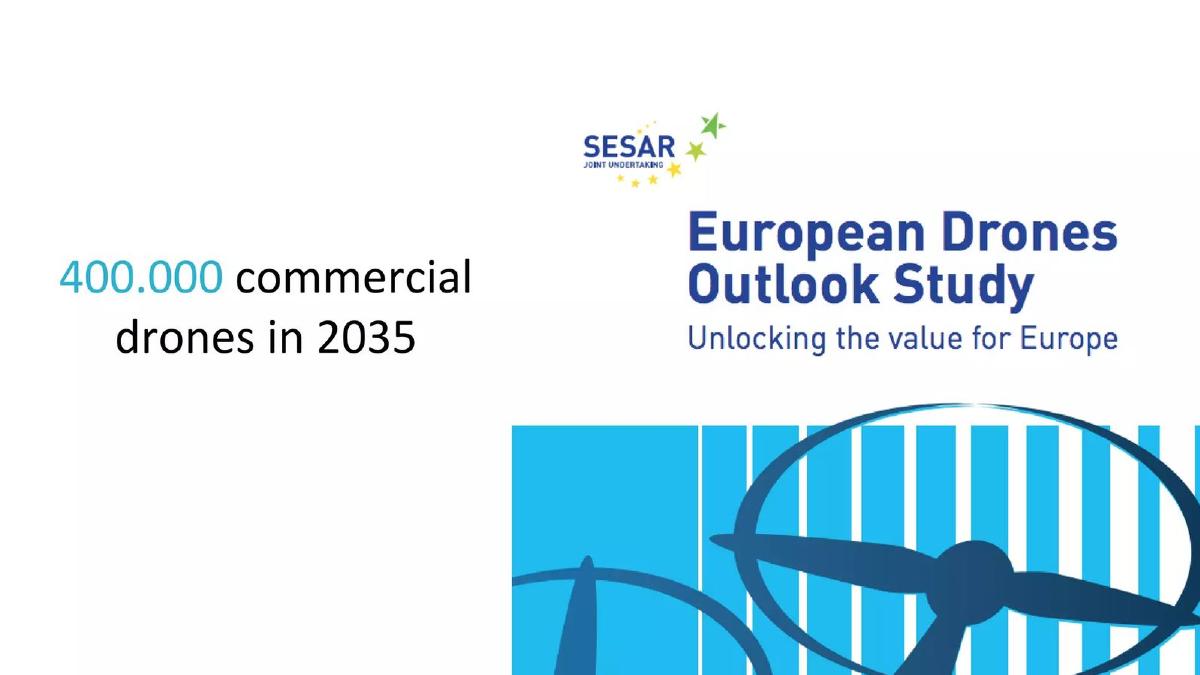
Slide 3 provides the 'Why Now' for the investment. By citing the SESAR Joint Undertaking's European Drones Outlook Study , AirHub anchors its existence in a projected market of 400,000 commercial drones by 2035 . Using a reputable third-party source like SESAR adds immediate credibility to the market size claim. However, the gap between 2018 (the year of the deck) and 2035 is nearly two decades, which might feel too distant for some seed investors looking for a more immediate inflection point.
Traction: The Dutch Powerhouse
Slide 4: Institutional Validation
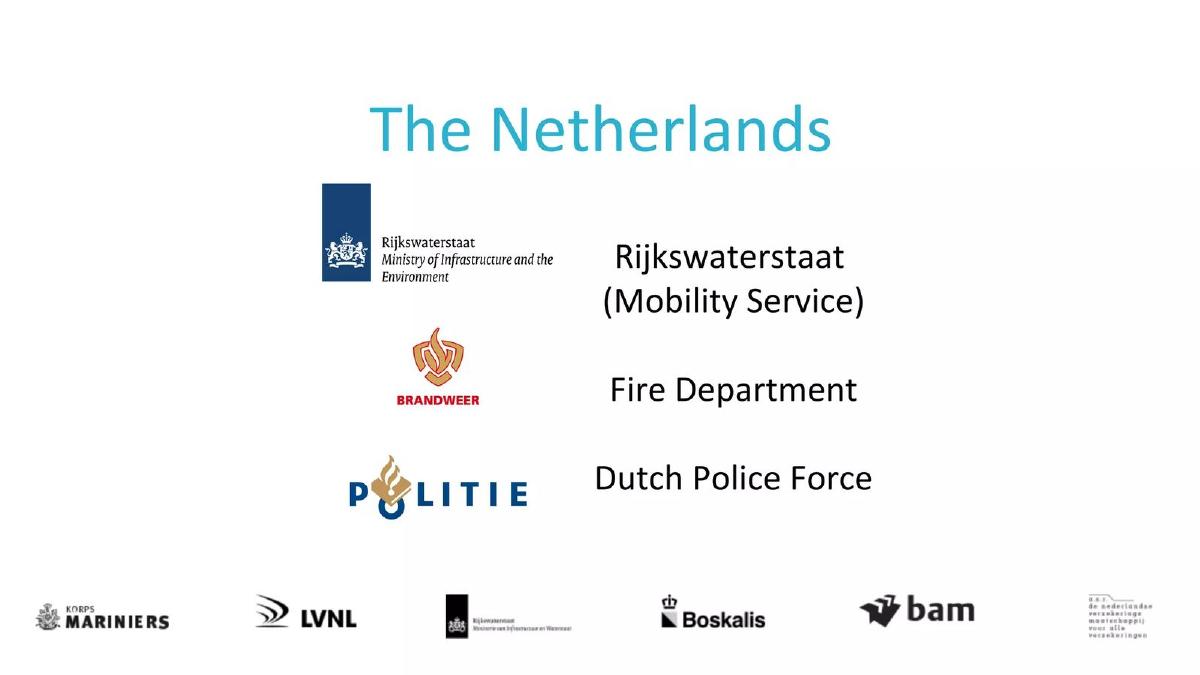
Slide 4 is arguably the strongest slide in the deck. It lists an impressive array of Dutch institutions and corporations that are either using or testing the platform. The logos include Rijkswaterstaat (Ministry of Infrastructure and the Environment) , the Fire Department , and the Dutch Police Force . Below these, smaller logos for Korps Mariniers, LVNL, Boskalis, and BAM suggest a broad reach across public safety, infrastructure, and construction.
For a pre-seed company, this level of institutional 'buy-in' is a significant signal of product-market fit. It suggests that the founders have deep connections within the Dutch regulatory and enterprise ecosystem. The slide effectively answers the question: 'Does anyone actually need this?'
The Solution: Compliance as a Service
Slides 5-7: Product Architecture
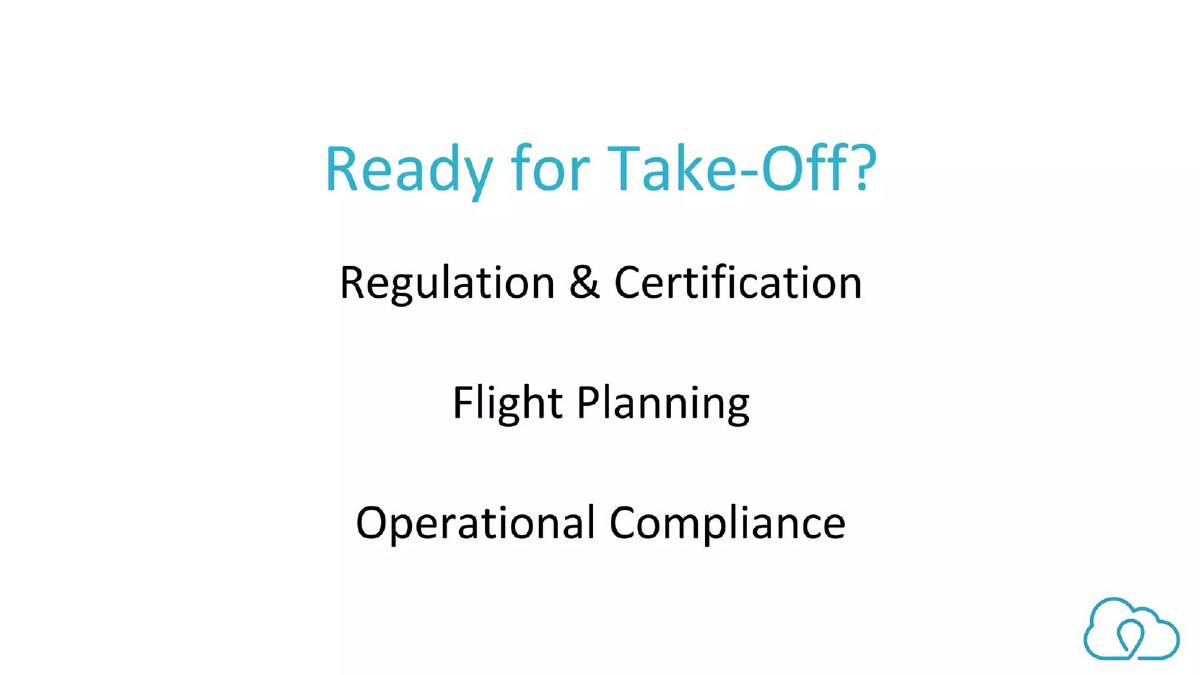
Slide 5 introduces the 'Ready for Take-Off?' framework, breaking the solution into three pillars: Regulation & Certification, Flight Planning, and Operational Compliance . This is a logical grouping that addresses the primary pain points of enterprise drone operators who are more concerned with legal liability than the actual flying of the drone.
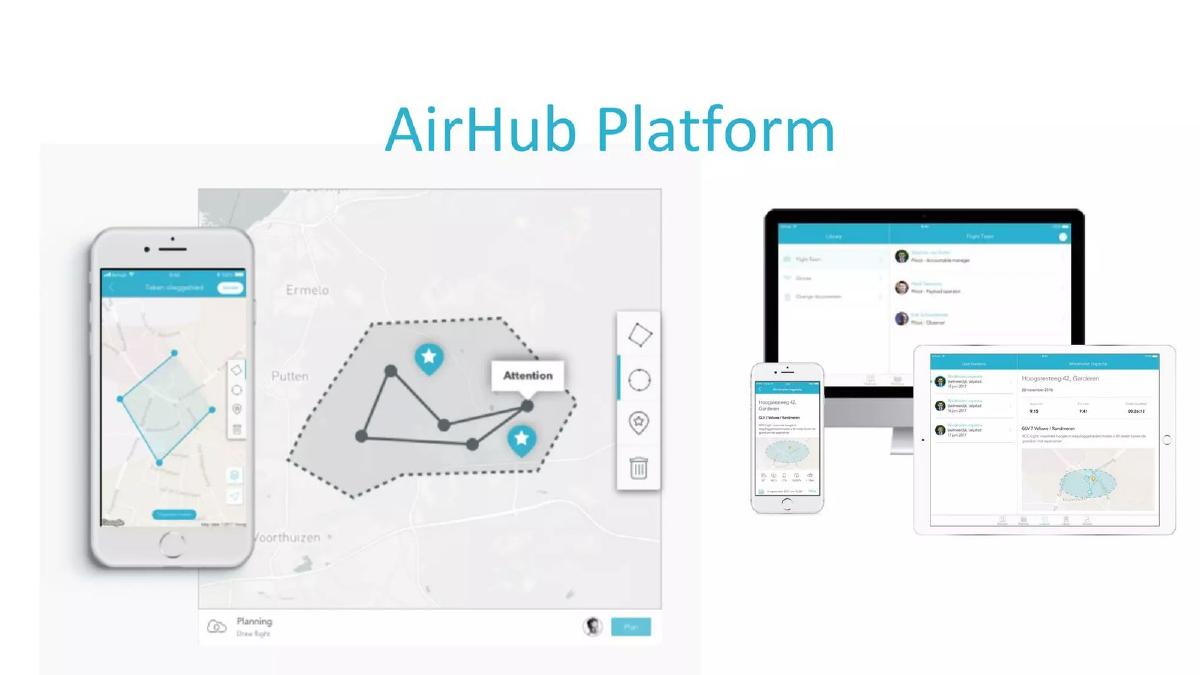
Slide 6 provides a visual of the AirHub Platform across multiple devices. Seeing the UI on a smartphone, tablet, and desktop monitor communicates that this is a professional, multi-platform tool designed for both field pilots and office-based managers. Slide 7 reinforces the workflow, categorizing features into Pre-Flight Planning, In-Flight Operations, and Post-Flight Analytics . This 'cradle-to-grave' approach for drone missions is the standard for the industry, and AirHub demonstrates they understand the full user journey.
The Deep Dive: Feature Set and Integrations
Slides 8-10: Operational Details
Slide 8 details the Pre-Flight Planning stage, highlighting features like Airspace, Flight Area & Weather , as well as Pilots, Observers & Payload Ops . The inclusion of 'Notes, Permissions & Checklists' points toward the compliance-heavy nature of the tool. It isn't just a map; it's a digital paper trail.
Slide 9 is critical for understanding AirHub's position in the tech stack. By listing DJI Go Implementation and AirMap UTM Connectivity , AirHub admits it is not reinventing the wheel. Instead, it is an aggregator. It uses DJI's SDK for flight control and AirMap's data for airspace awareness. This is a smart 'asset-light' strategy for a software startup, but it does raise questions about long-term defensibility if DJI or AirMap decide to build these management features natively.
Slide 10 covers Post-Flight Analytics . The mention of Battery Logs is a subtle but important detail for enterprise users; drone batteries are expensive and volatile, and tracking their health is a major part of fleet maintenance. Admin Team Management further emphasizes that this is a B2B tool for organizations with multiple pilots, not a consumer app for hobbyists.
The Closing: A Call to Action
Slides 11-12: Availability and Demo
Slide 11 sets a firm timeline: Release October 2018 . The call to action is to sign up for a free beta. This indicates the company was in the 'user acquisition' phase rather than the 'revenue optimization' phase at the time of the pitch. Slide 12 is a specific 'Live Demo' slide, mentioning Rijkswaterstaat . This suggests the deck was used at a specific event or meeting where a demonstration was the primary goal. The visual of the tablet and phone UI once again reinforces the product's readiness.
What Works in the AirHub Deck
1. Clear Categorization: The deck uses a very simple structure. It identifies a massive future market, shows that the biggest players in their home country are already interested, and explains exactly how the product fits into a pilot's workflow (Pre/In/Post flight). There is no ambiguity about what AirHub does.
2. High-Quality Traction: For a pre-seed company, the logo cloud on Slide 4 is exceptional. Having the National Police and the Ministry of Infrastructure as early stakeholders is a massive moat against smaller competitors, as these organizations have very high security and compliance bars.
3. Clean Design: The deck is visually uncluttered. It uses a consistent color palette (blue and white) and high-quality icons. It looks like a professional software company, which is vital when selling to government agencies and large corporations.
What is Missing from the AirHub Deck
1. The Team: This is the most glaring omission. In a pre-seed round, investors are primarily betting on the founders. There is no information about who started AirHub, their background in aviation, or their technical expertise. Without a team slide, it is impossible to judge the 'execution risk.'
2. Business Model: The deck mentions a 'Free Beta,' but it never explains how the company intends to make money. Is it a per-pilot SaaS fee? A per-flight fee? An enterprise license? Investors need to see a path to revenue, even if it is just a hypothesis at this stage.
3. Competitive Landscape: The drone software space was already crowded in 2018 with players like DroneDeploy, Skyward (acquired by Verizon), and Kittyhawk (now Aloft). AirHub does not explain how it differs from these well-funded incumbents, other than perhaps its focus on the Dutch/European regulatory environment.
4. The Ask: There is no slide stating how much money is being raised or what the funds will be used for. This makes the deck feel more like a sales presentation for partners than a pitch for capital.
Founder's Guide: What to Copy and What to Avoid
Copy the 'Workflow' Approach: If you are building a B2B tool that manages a complex process, copy Slides 7-10. Breaking your product down into 'Pre-Flight, In-Flight, and Post-Flight' (or the equivalent for your industry) makes it very easy for an investor to visualize how the customer actually uses the software.
Copy the Third-Party Validation: Using a study from a recognized body (like SESAR) to justify your market size is much more effective than simply making up a 'Trillion Dollar Market' slide. It shows you have done your homework and are aligned with industry trends.
Avoid the 'Mystery Team' Mistake: Never send a deck to an investor without a team slide. Even if you are a first-time founder, highlight your relevant skills, your passion for the problem, and any advisors you have onboarded. Investors invest in people first, products second.
Avoid the Missing Business Model: Even at the pre-seed stage, you should have a slide titled 'Business Model' or 'Monetization.' You don't need a 5-year spreadsheet, but you do need to state whether you are SaaS, a marketplace, or transactional. Leaving this out makes you look like a hobbyist rather than a business builder.
Frequently asked questions
- What is the primary problem AirHub is solving?
- AirHub addresses the operational and regulatory hurdles of commercial drone flight. As indicated on Slide 5, the company focuses on 'Regulation & Certification,' 'Flight Planning,' and 'Operational Compliance.' The deck suggests that as the number of commercial drones grows toward the 400,000 mark cited on Slide 3, manual management of these factors becomes impossible for large organizations like police forces or infrastructure ministries.
- Who are AirHub's target customers based on the deck?
- The deck specifically targets high-stakes B2B and B2G (business-to-government) clients in the Netherlands. Slide 4 lists Rijkswaterstaat (Ministry of Infrastructure), the Fire Department, the Dutch Police Force, and private sector giants like BAM and Boskalis. These are organizations that operate drone fleets in regulated environments where compliance and flight logging are mandatory.
- Does AirHub build its own hardware or maps?
- No, AirHub appears to be a pure-play software layer. Slide 9 confirms that they implement 'DJI Go' and 'AirMap UTM Connectivity.' This indicates that AirHub acts as a management wrapper around existing hardware (DJI) and existing Unmanned Traffic Management (UTM) data providers (AirMap), focusing on the workflow and compliance rather than the underlying infrastructure.
- What is missing from this pitch deck that an investor would need?
- This deck is missing several critical components: a Team slide (who is building this?), a Business Model slide (how do they make money?), a Competition slide (how do they beat other flight loggers?), and an 'Ask' slide (how much money are they raising and what is the milestone?). It is a product-centric deck that likely served as a visual aid for a live presentation rather than a standalone document.
- What was the status of the product at the time of this deck?
- The product was in a pre-release or beta phase. Slide 11 states a 'Release October 2018' and invites users to 'Sign up for the Beta Program now for Free!' Slide 12 mentions a 'Live Demo' scheduled for 'This afternoon,' suggesting the deck was used at a specific demo day or pitch event where the software was functional but not yet widely available.