Paranoidfan's pitch deck is a masterclass in visual problem identification, using high-resolution imagery to convey the chaos of stadium parking and concession lines without needing a single bullet point. The company positions itself as a 'live & interactive mapping platform' (Slide 1) aimed at 'turning frustration into fun' (Slide 6). The core strength of the deck lies in its traction slide, which lists dozens of active deals across the NFL, NHL, MLS, and Liga MX (Slide 4). While the deck excels at showing the 'what' and the 'who,' it is notably light on unit economics, technical architectur…
Key takeaways
- The platform is defined as a live and interactive mapping platform specifically for sports events (Slide 1).
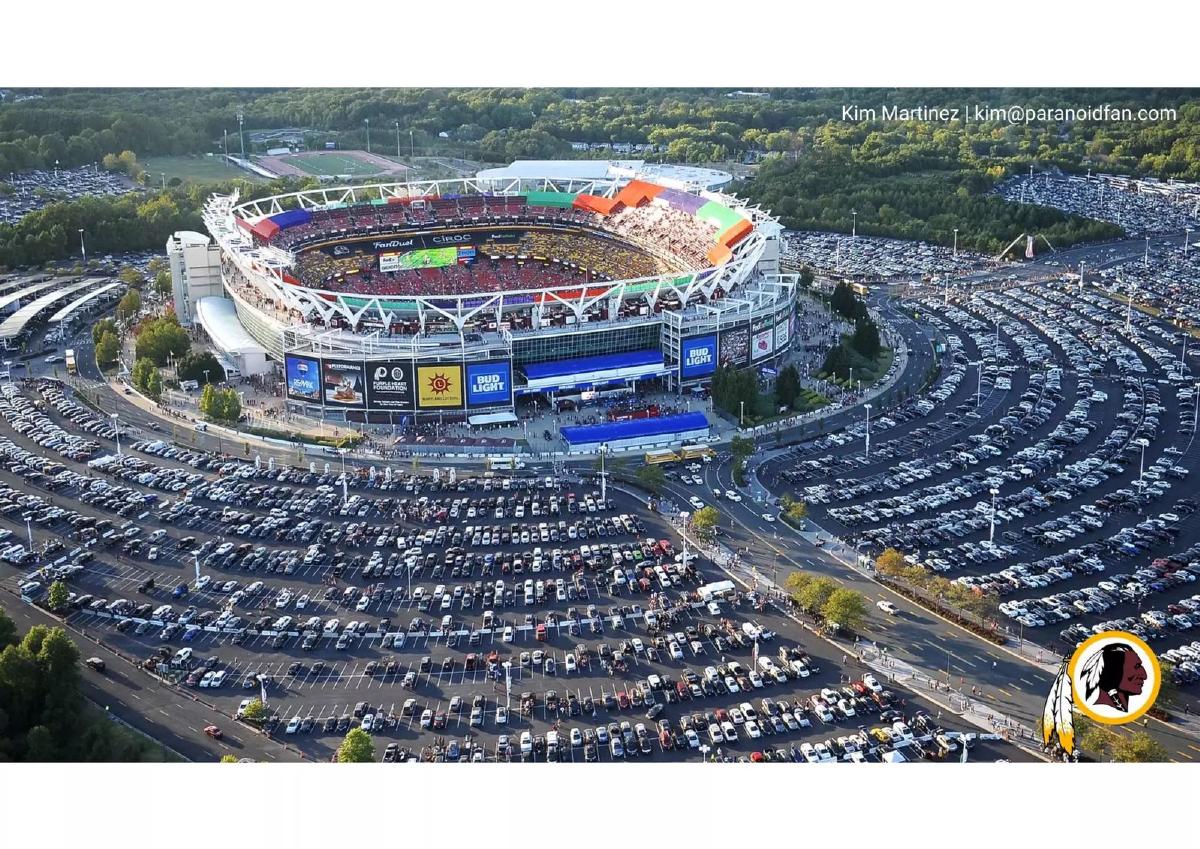
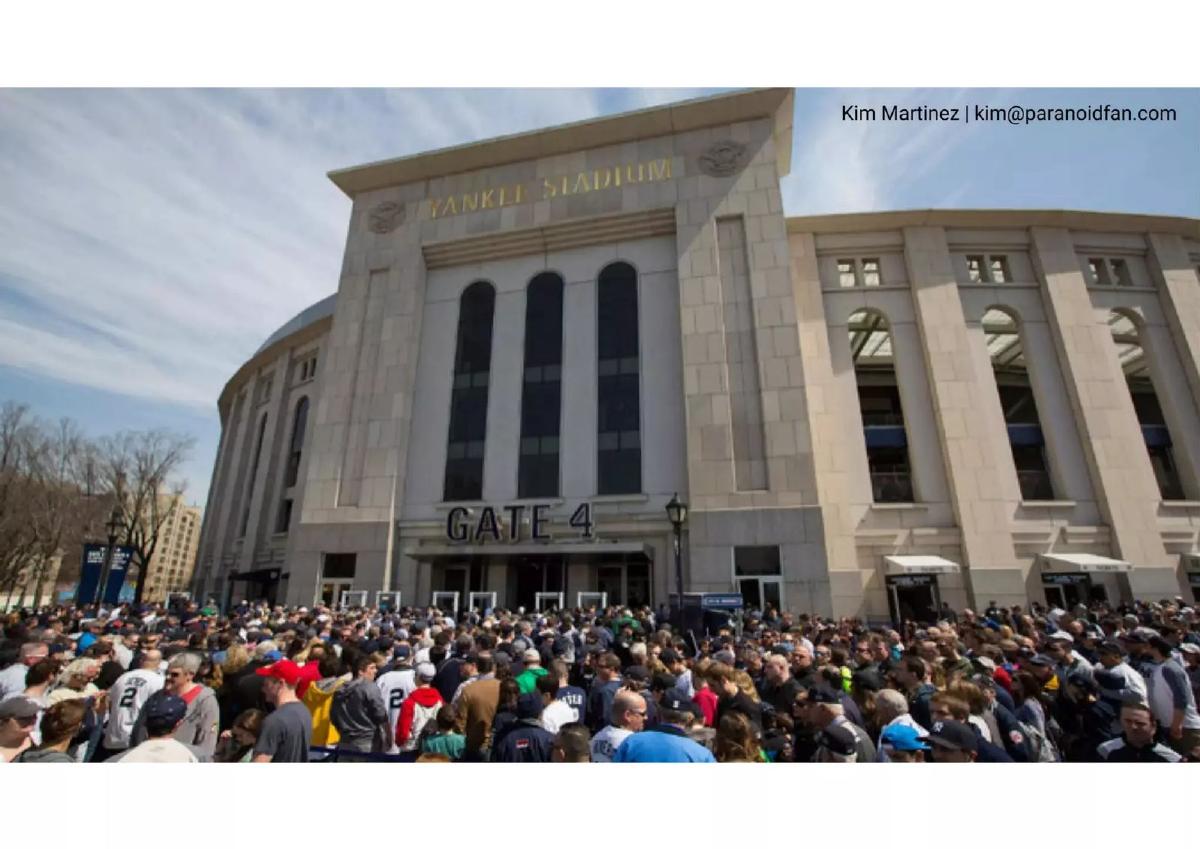
- The problem is communicated visually through a photo of a congested stadium parking lot and a logo of the Washington Redskins (Slide 2).
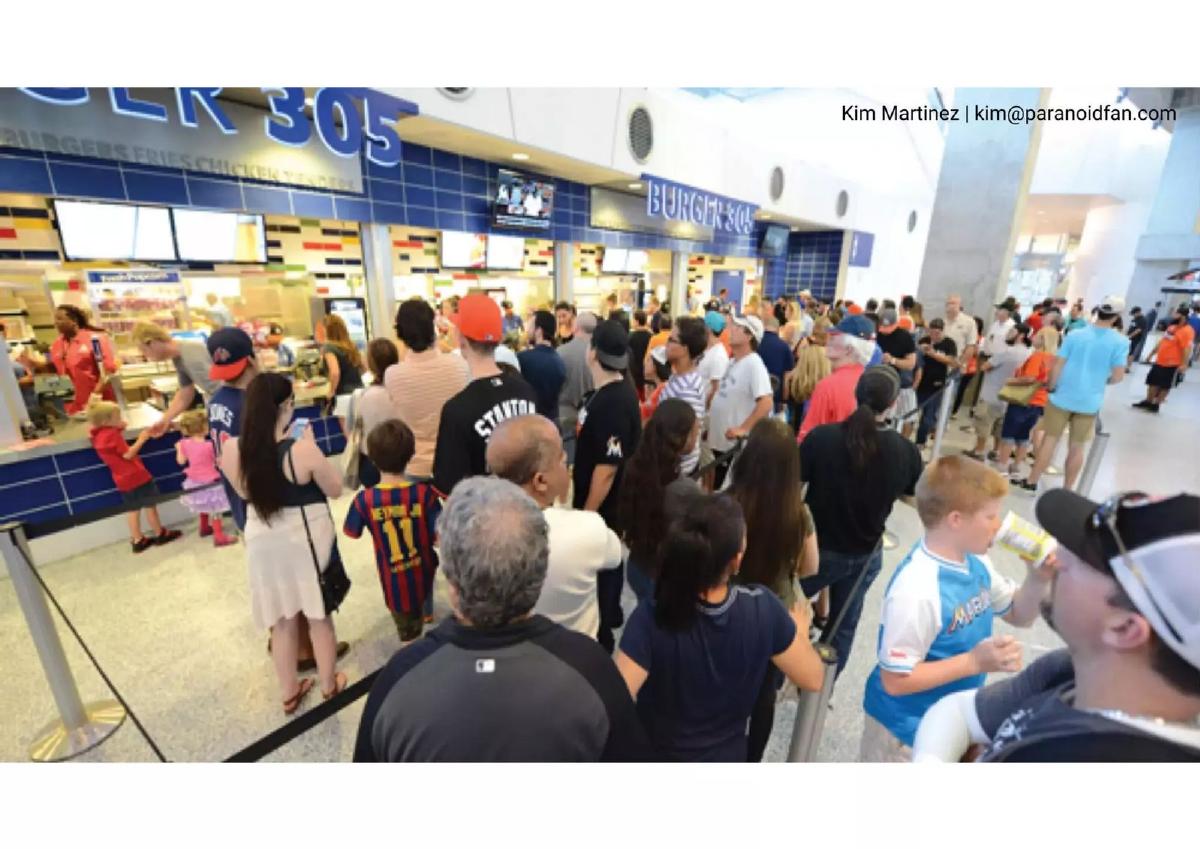
- A second problem slide uses a photo of a crowded concession stand line to illustrate fan frustration (Slide 3).
- The company claims active deals with five NFL teams, including the Minnesota Vikings and Buffalo Bills (Slide 4).
- International reach is demonstrated through partnerships with five Liga MX teams and the Mexico National Team (Slide 4).
- The deck highlights a significant expansion plan to add over 100 Division 1 college stadiums via IMG and NCAA (Slide 5).
- The branding focuses on a mascot-led identity with the tagline 'Turning frustration into fun' (Slide 6).
- The deck omits a team slide, financial projections, and a specific funding request in the provided 6-slide sequence.
The Visual Narrative of Stadium Chaos
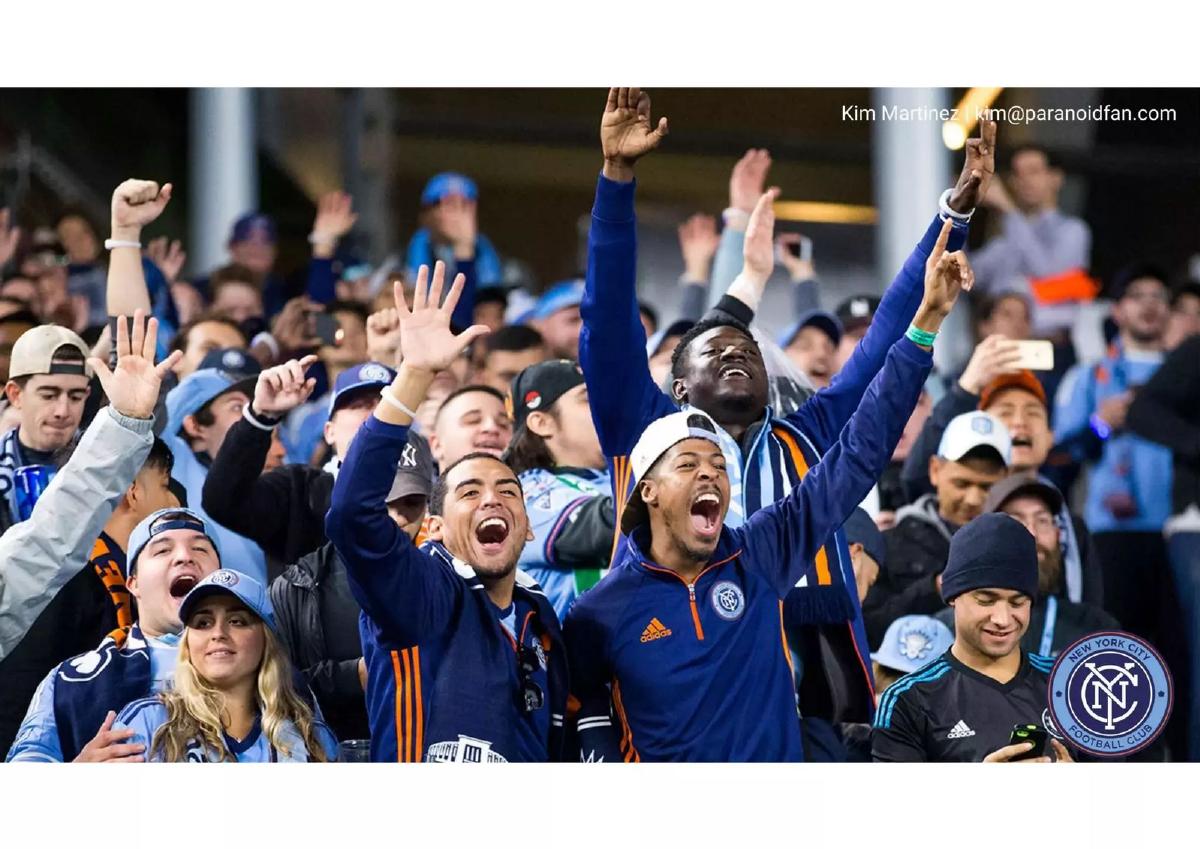
Paranoidfan’s pitch deck is a departure from the text-heavy presentations common in the SaaS world. It operates on the principle of 'show, don't tell.' By using full-bleed photography to represent the user experience, the founders attempt to trigger a visceral memory of the last time an investor was stuck in a stadium parking lot or a twenty-minute line for a burger. This approach is effective for a consumer-facing app where the 'pain point' is a universal experience for the target demographic.
Slide 1: Title and Positioning
The cover slide is clean and functional. It features the company mascot—a cartoon fan in a blue cap—and a clear one-sentence value proposition: "Live & interactive mapping platform for sports events." This is a strong start because it immediately categorizes the product. It isn't a social network or a ticketing app; it is a utility-first mapping tool. The inclusion of Kim Martinez’s contact information at the bottom establishes immediate accountability.
Slide 2: The Parking Problem
Slide 2 contains no text other than the contact header. It is a high-angle aerial shot of a stadium (specifically FedExField, given the Washington Redskins logo in the corner) surrounded by a sea of thousands of cars. This slide identifies the first major friction point of the fan experience: parking and ingress. By showing the scale of the parking lots, the deck implies that a standard map (like Google Maps) is insufficient for the granular, 'last-mile' navigation required inside a stadium complex.
Slide 3: The Concession Problem
Following the parking visual, Slide 3 moves inside the stadium. It shows a crowded 'Burger 305' concession stand with a long, disorganized line of fans. Again, there is no text. The slide relies on the investor’s understanding that long lines lead to missed game time and lost revenue for the venue. This sets the stage for a solution that likely includes real-time wait times or mobile ordering, though the specific features are not detailed on this slide.
Slide 4: Validation Through Partnerships
This is the 'heavy lifter' of the deck. Titled "Deals with leading teams," Slide 4 lists an impressive roster of clients. The logos are categorized by league:
NFL: Minnesota Vikings, Buffalo Bills, Jacksonville Jaguars, Washington Redskins, Indianapolis Colts. · NCAA: Oklahoma Sooners, Duke Blue Devils, Oregon Ducks, Air Force Falcons, North Texas Eagles, and the College World Series. · NHL: Vancouver Canucks, San Jose Sharks, Buffalo Sabres. · MLS: New York City FC. · International: Five Liga MX teams and the Mexico National Team. · Baseball: 16 teams from the Liga Mexicana de Béisbol.
The sheer volume of these logos serves as a powerful proxy for product-market fit. It suggests that the platform is already integrated into the workflows of major sports organizations.
Slide 5: The Growth Lever
Slide 5 focuses on the future, stating the company is "Adding +100 Division 1 college stadiums" through partnerships with IMG and the NCAA. This slide is intended to show scalability. It moves the conversation from 'we have some deals' to 'we are about to dominate the collegiate market.' The use of the IMG and NCAA logos provides institutional credibility to this claim.
Slide 6: The Brand Identity
The final slide in the sequence repeats the logo and mascot with the tagline "Turning frustration into fun." This serves as a summary of the mission statement. It reinforces the idea that Paranoidfan is a 'joy' brand that solves 'misery' problems (the parking and lines shown earlier).
What Works in the Paranoidfan Deck
The deck’s greatest strength is its clarity of mission . Within the first three slides, any sports fan understands exactly what the app is trying to fix. The traction slide (Slide 4) is also exceptionally strong. For a startup in the sports-tech space, getting past the gatekeepers of the NFL and NCAA is notoriously difficult. Listing these teams by name—rather than saying 'we work with several pro teams'—removes any ambiguity about their progress.
The contact information persistence is another subtle but smart move. By placing the founder's email on every slide, the deck is optimized for 'leakage'—when a deck is forwarded between partners at a VC firm, the way to reach the founder is never lost.
What is Missing from the Deck
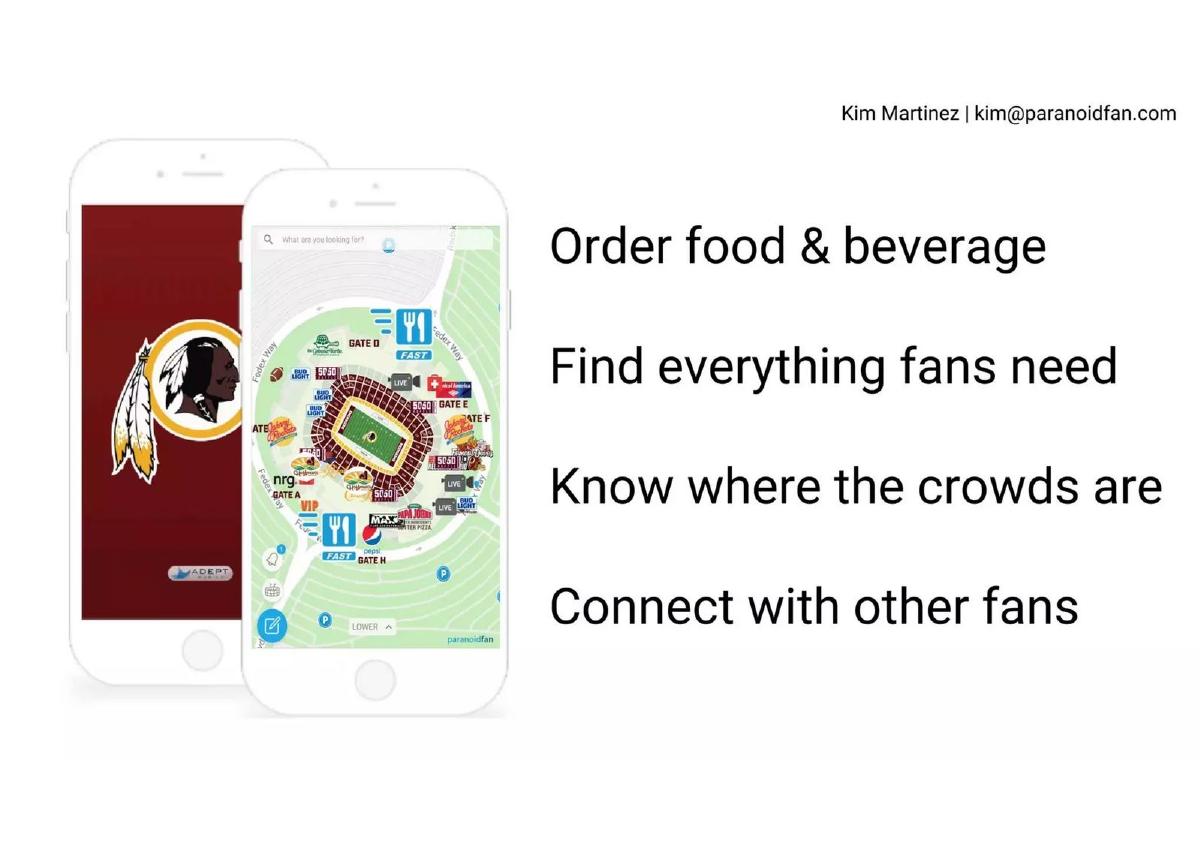
While the deck is visually compelling, it leaves several critical investment questions unanswered. First, there is no product demo or UI/UX walkthrough . We know it is a 'mapping platform,' but we don't see how the map looks, how a user interacts with it, or what the 'interactive' component entails. Is it a standalone app, or is it embedded in the team's official app?
Second, the business model is absent . It is unclear if Paranoidfan charges the teams a licensing fee, takes a cut of concession sales, or monetizes through user data and advertising. Without this, an investor cannot evaluate the potential return on investment. Furthermore, there is no team slide in this 6-slide selection. In early-stage fundraising, the 'who' is often as important as the 'what,' and omitting the backgrounds of the founders is a significant gap.
Finally, there is no 'Ask' . The deck doesn't state how much money is being raised, what the valuation is, or how the funds will be deployed. This suggests this version of the deck might be a 'teaser' used to secure a meeting rather than the full due-diligence deck.
Founder's Playbook: What to Copy
Founders should emulate the visual problem identification used in Slides 2 and 3. If your product solves a physical or emotional pain point, a high-quality photo of that pain is often more persuasive than a list of bullet points. It forces the investor to agree with the premise of the problem before you even show the solution.
Additionally, the categorization of traction on Slide 4 is a great way to organize a large number of logos. Grouping them by league (NFL, NHL, etc.) makes the scale of the achievement easier to digest and shows that the product is versatile enough to work across different sports and geographies.
Final Thoughts
Paranoidfan has built an enviable list of partners. The deck succeeds in proving that the sports industry wants this solution. However, to close a round, the founders would need to supplement these visuals with a rigorous explanation of their technology, their revenue engine, and the specific milestones they intend to hit with new capital. It is a deck that wins hearts through shared frustration but needs to win heads through financial logic.
Frequently asked questions
- What specific problem is Paranoidfan trying to solve?
- Based on Slides 2 and 3, the company targets the logistical 'frustrations' of attending live sports. This includes the difficulty of navigating massive parking lots and the time wasted in long concession lines. By labeling themselves a 'mapping platform,' they imply that their software helps fans find the most efficient routes to their seats, parking spots, or food vendors.
- How much traction does the company actually have?
- The traction is significant for an early-stage company. Slide 4 lists specific partnerships with the NFL (5 teams), NCAA (6 entities), NHL (3 teams), MLS (1 team), Liga MX (5 teams), and the Mexican National Team. Furthermore, Slide 5 indicates a massive scaling phase involving 100+ additional college stadiums through IMG and the NCAA.
- Is there a clear monetization strategy in the deck?
- No. The provided slides do not mention revenue models, per-user fees, or enterprise licensing costs. While the 'Deals with leading teams' slide suggests a B2B or B2B2C approach, the deck lacks a slide dedicated to unit economics or how the company generates cash from these partnerships.
- What is the geographic focus of the company?
- The focus is primarily North American, with a strong emphasis on both the United States and Mexico. The inclusion of five Liga MX teams and the Liga Mexicana de Béisbol (Slide 4) suggests that the mapping platform is designed to be multilingual and cross-border, catering to the massive soccer and baseball markets in Mexico.
- Who is the primary contact for this fundraising round?
- The deck identifies Kim Martinez as the primary point of contact, with her email address (kim@paranoidfan.com) appearing on every single slide of the presentation. This ensures that even if a single slide is shared out of context, the contact information remains visible to potential investors.