Ektio presents a compelling case for specialized athletic footwear by addressing the high failure rate of traditional ankle braces and tape, which the company claims loosen after just 15 minutes (Slide 2). The core value proposition is an internal strap technology built into the shoe wall to provide 'ultimate lockdown' (Slide 3). The deck leans heavily on credibility, citing a study by Dr. Howard Hillstrom at the Hospital for Special Surgery (Slide 5) and boasting a management team that includes NBA legends like Rick Barry and John Starks (Slide 6). While the company demonstrates established…
Key takeaways
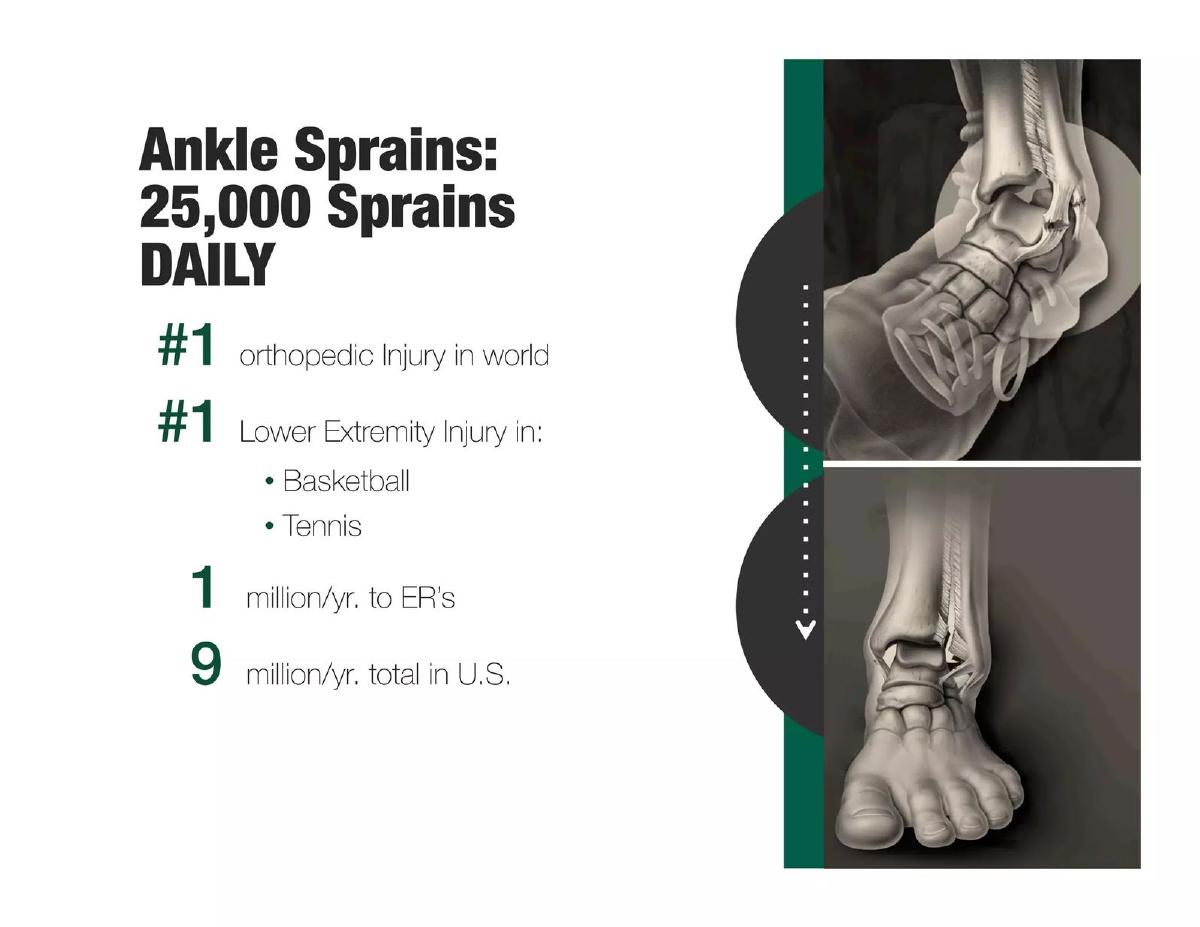
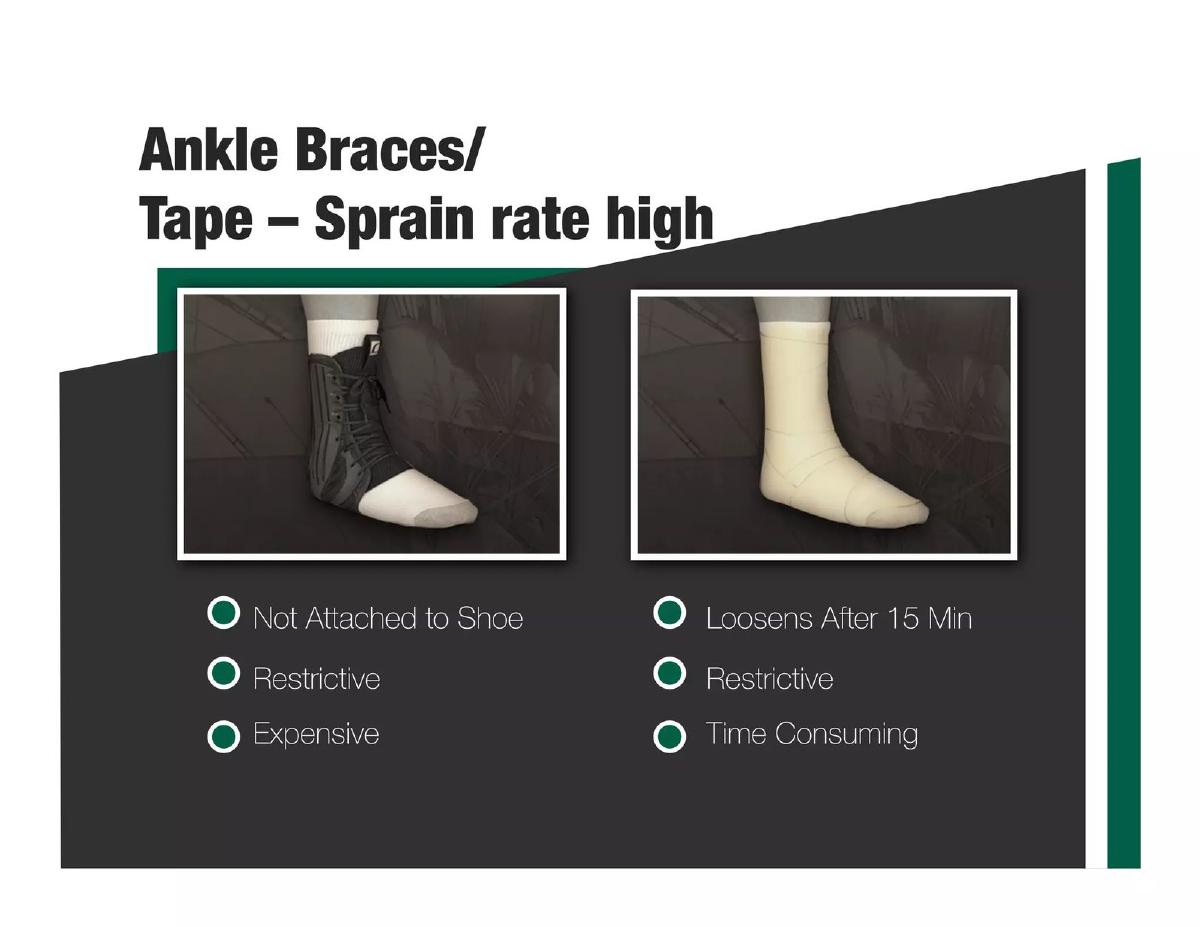
- The product addresses a specific medical pain point: the high sprain rate and inefficiency of external ankle braces (Slide 2).
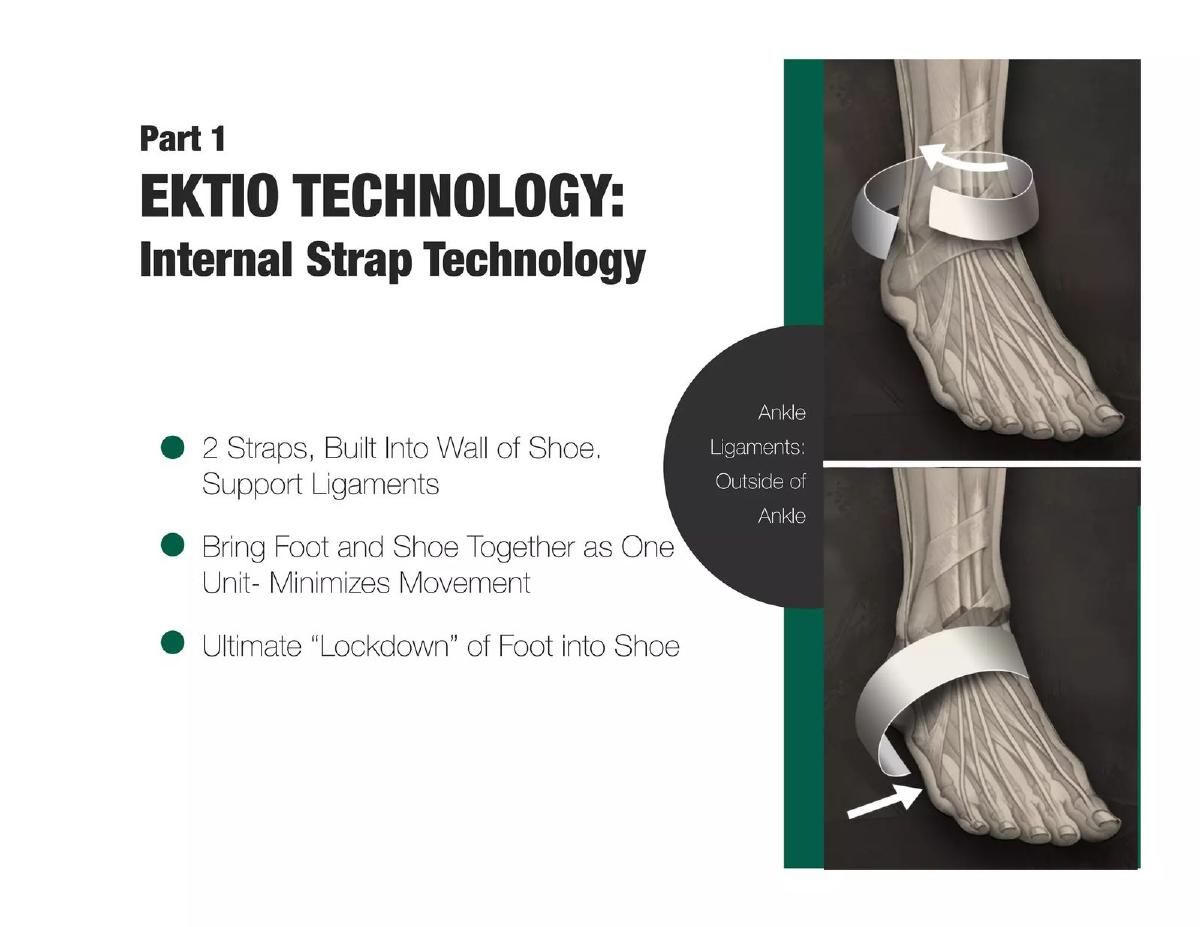
- Internal strap technology is the primary differentiator, designed to bring the foot and shoe together as a single unit (Slide 3).
- Clinical validation is provided by the Hospital for Special Surgery, showing the shoe performs similarly to barefoot or conventional footwear in range of motion while providing support (Slide 5).
- The management team is a mix of medical expertise (CEO Barry Katz, M.D.) and high-profile athletic promoters like Rick Barry and John Starks (Slide 6).
- Ektio has secured significant retail footprints including Eastbay, Dick’s Sporting Goods, and Amazon (Slide 7).
- The company claims a '6 Year Success Rate' where ankle sprains in customers have been 'almost non-existent' (Slide 8).
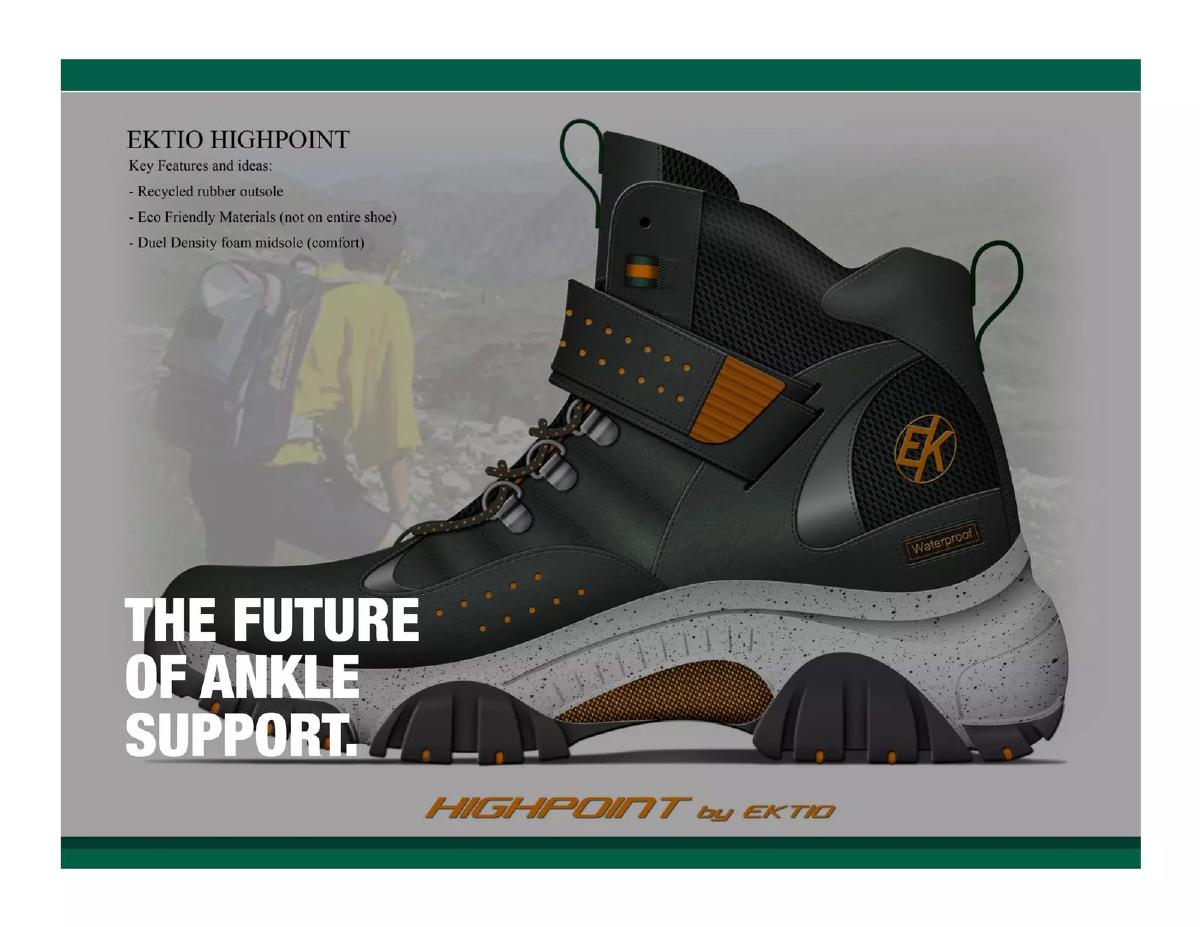
- The 'Highpoint' model signals a strategic expansion into the hiking market using recycled rubber and eco-friendly materials (Slide 9).
- The US hiking market is valued by the company at $400,000,000 based on internal projections (Slide 10).
Ektio Pitch Deck Analysis: From the Court to the Trail
Ektio’s pitch deck is a focused presentation on a niche but high-value problem in the athletic footwear industry: ankle stability. Rather than competing solely on aesthetics or brand lifestyle, Ektio positions itself as a technology and medical-first company. The deck transitions from a proven track record in basketball to a new growth opportunity in the hiking sector.
Slide 1: Title and Brand Identity
The cover slide establishes the core value proposition immediately: "Athletic Footwear with Revolutionary Ankle Support Technology." The imagery of hikers on a rocky trail, combined with the Ektio logo featuring a Zeus-like figure, suggests a brand built on strength and outdoor durability. This sets the stage for a product that is as much a piece of equipment as it is apparel.
Slide 2: The Problem - The Failure of Current Solutions
Slide 2 identifies the competition not as other shoe brands, but as traditional injury prevention methods: ankle braces and tape. The deck claims that these solutions have a high sprain rate because they are not attached to the shoe, are restrictive, and, in the case of tape, loosen after just 15 minutes. By framing the problem this way, Ektio creates a vacuum that only an integrated footwear solution can fill.
Slide 3: The Solution - Internal Strap Technology
This slide explains the "how." Ektio’s solution is "Internal Strap Technology," featuring two straps built into the wall of the shoe. The goal is to bring the foot and shoe together as "One Unit." The use of anatomical diagrams showing ankle ligaments provides a medical context, reinforcing the idea that this design is rooted in orthopedics rather than just fashion.
Slide 4: Social Proof and Testimonials
Ektio utilizes athlete testimonials to build trust. Frankie Basile and Juliette Gauthier are featured, with Gauthier specifically mentioning she has worn the shoes for three years and hasn't suffered an ankle sprain since 2013. These quotes serve to humanize the technical claims made in the previous slides, showing real-world performance benefits for competitive athletes.
Slide 5: Clinical Validation
One of the strongest slides in the deck, Slide 5 details a study by the Hospital for Special Surgery (HSS) performed by Dr. Howard Hillstrom. The study tested kinetics and muscle firing patterns. The key takeaway presented is that Ektio provides support by limiting inversion without sacrificing the natural range of motion found in barefoot movement. For investors, this clinical backing reduces the perceived risk of the technology being "snake oil."
Slide 6: Management and Promoters
The team slide is a heavy-hitter list for a niche footwear company. It includes a medical doctor as CEO (Barry Katz), which aligns with the product's health focus. The inclusion of NBA legends Rick Barry and John Starks provides immediate sports credibility and potential marketing reach. The slide also lists industry veterans from Ace Footwear and legal experts in IP, suggesting the company has protected its technology and understands the manufacturing supply chain.
Slide 7: Distribution and Milestones
Slide 7 proves market traction. Ektio isn't just a concept; it is available via Eastbay (Footlocker, Champs, Foot Action), Dick’s Sporting Goods, and Amazon. This distribution list indicates that major retailers have already vetted the product and that the company has the logistics in place to fulfill orders at scale.
Slide 8: Long-term Success Metrics
Under the heading "Company Milestones," Slide 8 claims a "6 Year Success Rate." The text states that the incidence of ankle sprains in customers has been "almost non-existent." While this is a bold claim, it serves to emphasize the company’s confidence in its primary product benefit after six years in the basketball market.
Slide 9: Product Expansion - The Ektio Highpoint
This slide introduces the pivot or expansion into hiking. The "Highpoint" boot features the same ankle technology but adds recycled rubber outsoles and eco-friendly materials. The design is modern and rugged, signaling that the company is ready to move beyond the basketball court into the broader outdoor recreation market.
Slide 10: Market Opportunity
The final slide in this set quantifies the hiking opportunity. Citing Statista, Ektio identifies 39 million hikers in the US and a $400 million market. The 5% CAGR since 2008 suggests a stable, growing industry. This slide is intended to show investors that the technology has a much larger Total Addressable Market (TAM) than just basketball players.
What Works in This Deck
Problem/Solution Alignment: The deck very clearly identifies why current solutions (tape/braces) fail and how their specific technology (internal straps) solves it. · Third-Party Validation: The inclusion of the Hospital for Special Surgery study is a high-value trust signal that most consumer goods decks lack. · Established Traction: Showing logos like Dick’s Sporting Goods and Amazon proves that the company has moved past the "idea" phase and has a functional business model. · Strategic Team: The mix of medical, athletic, and industry-specific expertise (shoe execs and IP lawyers) covers the necessary bases for a hardware/apparel startup.
What Is Missing from the Deck
Financial Data: There are no slides showing historical revenue, margins, or burn rate. While the distribution is impressive, investors need to see if those channels are actually profitable. · Unit Economics: The deck does not mention the Cost of Goods Sold (COGS) or the Manufacturer's Suggested Retail Price (MSRP). In the footwear industry, margins are everything. · The Ask: This specific set of slides does not include a funding request. It is unclear how much capital is being raised or what the specific use of funds will be (e.g., inventory for the Highpoint line, marketing, or R&D). · Competition: While they compare themselves to tape and braces, they do not address other "stable" footwear competitors or how they plan to defend against giants like Nike or Under Armour if those companies develop similar internal support systems.
Founder Takeaways
Lead with validation: If your product has a functional or medical benefit, don't just say it works—prove it. Ektio’s use of a clinical study from a reputable hospital (Slide 5) is a masterclass in building product authority. Founders in the health-tech or performance-wear space should prioritize getting independent data to back their claims.
Bridge to new markets: Ektio uses its success in basketball as a "beachhead" to justify moving into hiking. This is a smart way to show growth potential. If you are pitching an expansion, show how your core technology is platform-agnostic and can solve problems in adjacent industries (Slide 9 and 10).
Leverage industry icons: The management slide (Slide 6) isn't just about the founders; it's about the ecosystem of advisors and promoters. Including recognizable names like Rick Barry provides a level of "instant fame" and credibility that can open doors with distributors and investors alike.
Focus on the "One Unit" concept: In a crowded market, having a simple, repeatable catchphrase or concept helps. Ektio’s focus on the foot and shoe acting as "One Unit" (Slide 3) is a clear, easy-to-understand benefit that differentiates them from the "shoe + external brace" status quo.
Frequently asked questions
- What is the primary technology behind Ektio footwear?
- Ektio utilizes 'Internal Strap Technology,' which consists of two straps built directly into the wall of the shoe. According to Slide 3, these straps are designed to support ligaments and lock the foot into the shoe, ensuring the foot and footwear move as a single unit to minimize the risk of inversion and subsequent sprains.
- How does Ektio validate its claims of superior ankle support?
- The company cites a study conducted by Dr. Howard Hillstrom at the Hospital for Special Surgery. Slide 5 notes that the study tested kinetics, kinematics, and muscle firing patterns, concluding that Ektio shoes compare favorably to conventional footwear and taping while limiting shoe inversion.
- Who are the key members of the Ektio management and advisory team?
- The team is led by CEO and President Barry Katz, M.D. It features notable athletic figures including NBA Hall of Famer Rick Barry (Board of Directors/Promoter) and former NBA player John Starks. The team also includes shoe industry veterans like John Hanna and Michael Chen, and product designer Omar Bailey (Slide 6).
- What is Ektio's current retail and distribution status?
- According to Slide 7, Ektio has established distribution through major channels. These include Eastbay.com (which covers Footlocker, Champs, and Foot Action), Dick’s Sporting Goods Online, and Amazon.com, indicating the brand has moved past the prototype stage into active commercialization.
- What is the new market opportunity Ektio is pursuing?
- Ektio is expanding into the hiking market with a new model called the 'Highpoint.' Slide 10 identifies a US market of 39 million hikers and a total addressable market of $400 million, noting that the sector has experienced a 5% Compound Annual Growth Rate (CAGR) since 2008.