The chatShopper pitch deck, dating from August 2015, focuses on the emerging trend of conversational commerce in the German market. The company positions itself as a middleman between consumers and online retailers, charging a 10% commission on facilitated sales. The deck is notable for its extreme minimalism, relying almost entirely on icons and screenshots rather than dense text. It identifies a specific pain point—the overwhelming number of choices on sites like notebooksilliger.de—and offers a solution via common messaging platforms like WhatsApp and SMS. While the deck succeeds in explai…
Key takeaways
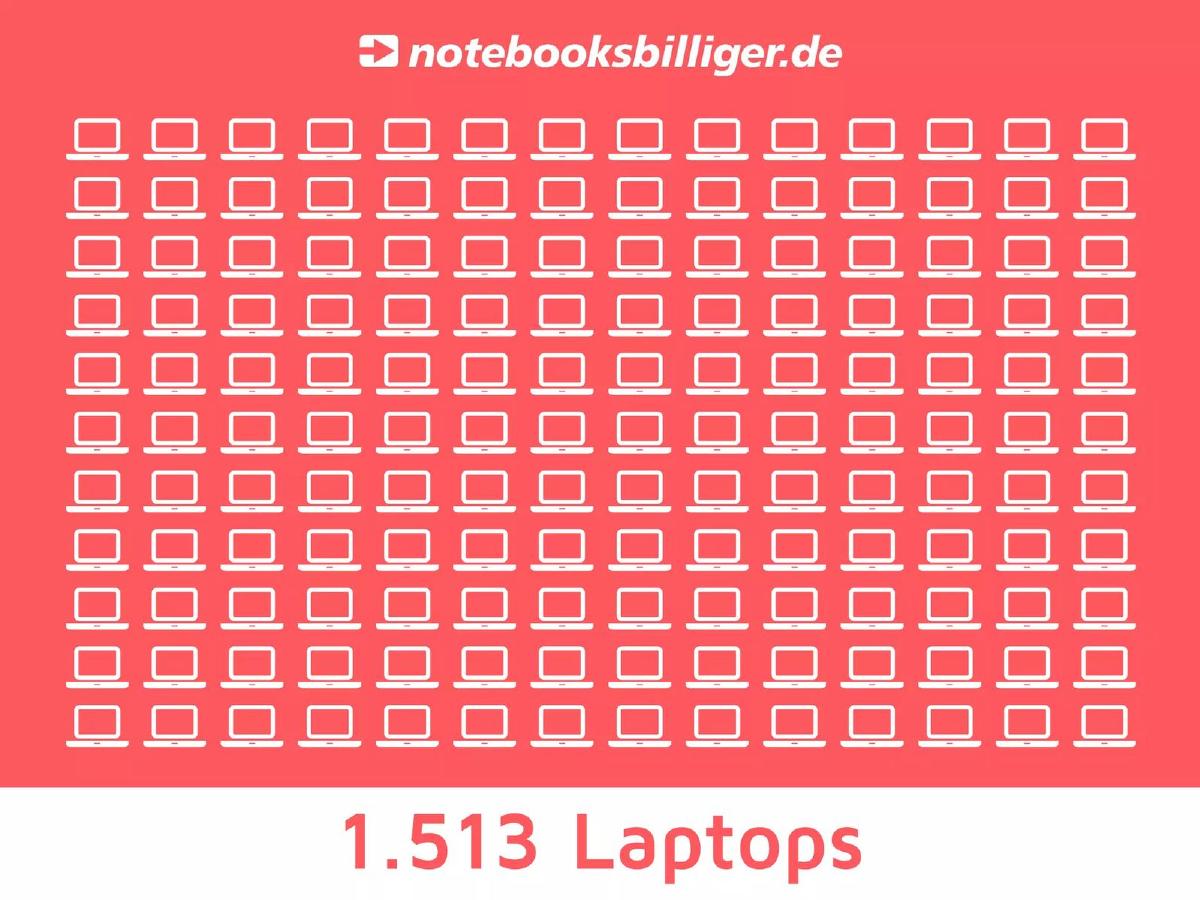
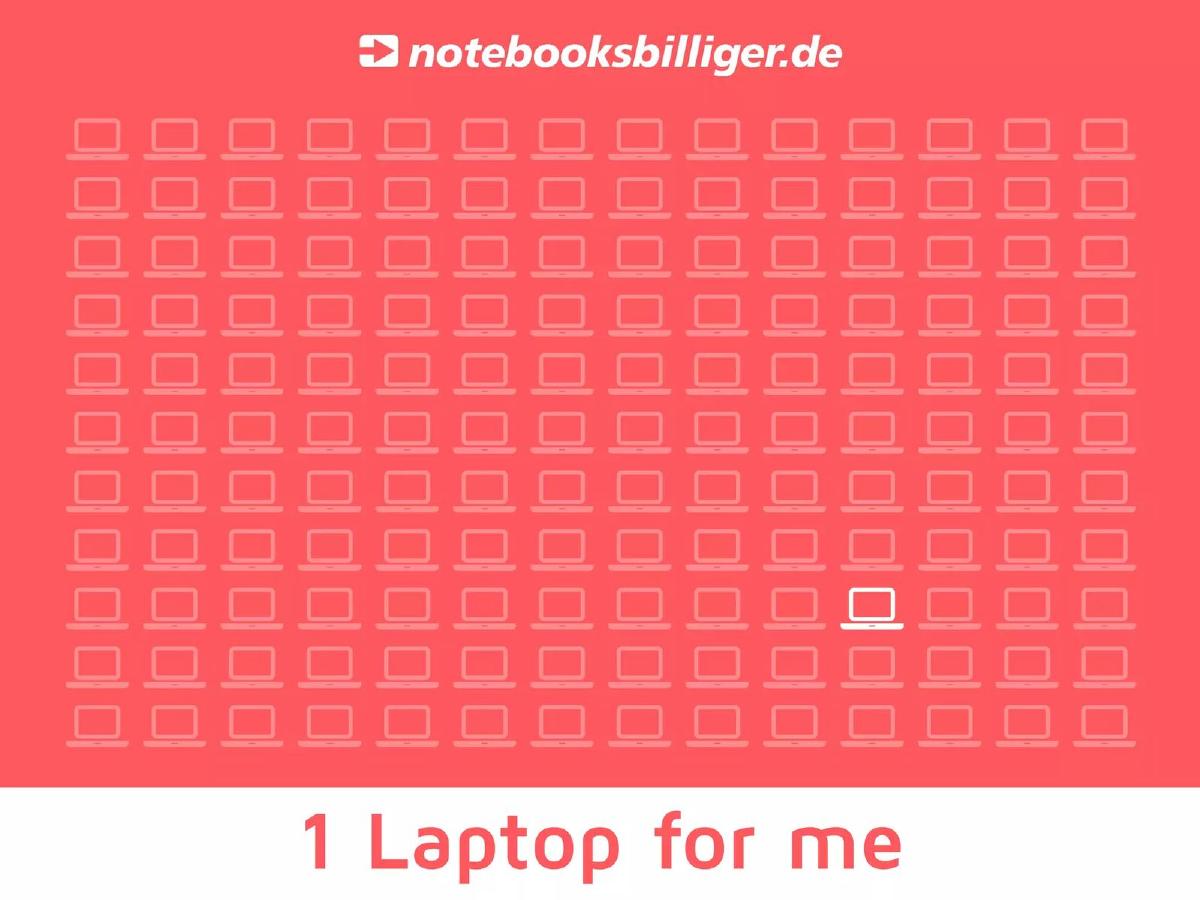
- The deck uses a specific example of 1,513 laptops on a single retail site to illustrate the 'paradox of choice' problem (Slide 2).
- chatShopper positions itself as a cross-platform service accessible via WhatsApp, SMS, and Twitter (Slide 4).
- The product demo shows a German-language interface where a user requests a leather handbag via chat (Slide 5).
- The business model is a flat 10% commission on the transaction value between the user and the shop (Slide 7).
- Market sizing focuses exclusively on Germany in 2014, citing a 449.4 Billion € retail market and a 6.6 Billion € M-Commerce market (Slide 8).
- The competitive landscape is defined by two specific rivals: GoButler and James, Bitte (Slide 9).
- The team is structured around three core pillars: Antonia Ermacora (Finance), Matthias Nannt (IT), and Marcel Lungershausen (Sales) (Slide 10).
- The deck omits a specific 'Ask' slide, roadmap, or current traction metrics in the provided ten-slide sequence.
Introduction and Visual Identity
The chatShopper pitch deck from August 2015 is a study in minimalist presentation design. It utilizes a high-contrast red and white color palette that remains consistent throughout the slides. The branding is front and center, with a logo that combines a speech bubble with a shopping box, immediately signaling the intersection of communication and commerce.
Slide 1: Title Slide
The opening slide is clean, featuring only the company logo and name. It lists Antonia Ermacora and Matthias Nannt as the primary contacts with a generic hello@ email address. There is no tagline or mission statement here, forcing the subsequent slides to do the heavy lifting of defining the product.
Slide 2: The Problem - Choice Overload
Slide 2 is an effective visual representation of 'choice overload.' It displays a grid of laptop icons under the logo of notebooksbilliger.de , a major German electronics retailer. The text at the bottom simply reads '1.513 Laptops.' This slide successfully communicates the frustration of modern e-commerce: having too many options makes it impossible for a consumer to choose without assistance.
Slide 3: The Solution - Personalised Help
Following the problem of 1,513 laptops, Slide 3 offers the solution: 'personalised help?' The visual is a simple computer monitor icon with a human face inside. This suggests that chatShopper intends to put a human (or a human-like interface) back into the digital shopping experience to guide the user through the noise.
Slide 4: Channel Strategy
Slide 4 explains the 'where' and 'how.' It states, 'Easily contact us from everywhere via common messengers.' Icons for WhatsApp, SMS, and Twitter are displayed at the bottom. This is a crucial strategic point; the company is not asking users to download a new app, but rather to interact with them on platforms where the users are already spending their time.
Slide 5: Product Demo - The Request
Slide 5 provides a mock-up of a WhatsApp conversation. The user sends a message: 'Hallo chatShopper, ich suche eine Lederhandtasche!?' (Hello chatShopper, I am looking for a leather handbag!?). This slide demonstrates the low barrier to entry for the user—simply typing a natural language request as if speaking to a friend.
Slide 6: Product Demo - The Checkout
Slide 6 shows the transition from chat to transaction. It features a mobile browser view of pay.chatshopper.com . The screen shows a 'Bestellung abschließen' (Complete order) button for a leather bag priced at 55,00 € with 'kostenloser Versand' (free shipping). This indicates that while the discovery happens in chat, the payment is handled via a secure, proprietary web link.
Slide 7: Business Model
The revenue model is explained with extreme simplicity on Slide 7. It shows chatShopper sitting between a group of users and a shopping cart icon. A large '10%' is noted on the side. This clearly communicates a commission-based model where the company takes a 10% cut of the transaction value from the retailer for facilitating the sale.
Slide 8: Market Opportunity
Slide 8 provides the macro-economic context, specifically for Germany, 2014 . It lists three figures: Retail: 449,4 Billion € , E-Commerce: 45,6 Billion € , and M-Commerce: 6,6 Billion € . By highlighting these numbers, the deck suggests that even a tiny fraction of the mobile commerce market represents a significant revenue opportunity.
Slide 9: Competitive Landscape
Slide 9 identifies the competition. It features the logos for GoButler and James, Bitte . At the time this deck was produced, these were the primary 'concierge' services in the DACH region. However, the slide does not provide a feature comparison or a 'why we win' argument, which is a missed opportunity to highlight chatShopper's specific focus on retail versus the general task-management focus of its rivals.
Slide 10: The Team
The final slide in this set introduces the team. Antonia Ermacora is tagged with #finance , Matthias Nannt with #it , and Marcel Lungershausen with #sales . The use of hashtags for roles is a stylistic choice that fits the 'social/chat' theme of the company, but the slide lacks any professional background, previous exits, or educational credentials that would build investor confidence in their ability to execute.
What Works in This Deck
The primary strength of the chatShopper deck is its clarity of purpose . Within the first five slides, any viewer understands exactly what the product does and why it needs to exist. The '1,513 Laptops' slide is a textbook example of how to visualize a problem without using a single bullet point. Furthermore, the business model slide is refreshingly direct; there is no ambiguity about how the company intends to make money.
What Is Missing
While the deck is visually appealing, it is dangerously light on data . There are no slides showing user growth, retention rates, or average order value (AOV). For a company operating in 2015—a time when the 'concierge' model was being heavily scrutinized for its high operational costs—the lack of information regarding unit economics is a major red flag. Investors would want to know if the 10% commission covers the cost of the human agents (or the server costs of the AI) required to process the chat requests. Additionally, there is no 'Ask' slide in this sequence, leaving the viewer wondering how much capital is being raised and what the milestones for that capital will be.
Founder Takeaways
Visual Storytelling: Use specific examples to illustrate the problem. Instead of saying 'online shopping is hard,' show the 1,513 laptops that make it hard. · Platform Integration: If your product relies on third-party ecosystems (like WhatsApp), make that clear early on. It reduces the perceived friction of user acquisition. · Simplicity vs. Substance: Minimalism is great for a stage presentation, but a 'send-ahead' deck needs more meat. This deck works as a visual aid for a speaker, but as a standalone document, it leaves too many questions unanswered regarding execution and scalability. · Contextualize the Market: If you are targeting a specific geography (like Germany), use local data. It shows you understand the specific regulatory and consumer environment you are entering.
Frequently asked questions
- What is the primary value proposition of chatShopper?
- The primary value proposition is 'personalised help' for online shopping. By allowing users to message a shopping assistant through apps they already use (like WhatsApp), chatShopper aims to reduce the friction and decision fatigue associated with browsing massive e-commerce catalogs containing thousands of similar items.
- How does chatShopper generate revenue?
- According to slide 7, the company acts as an intermediary between the customer and the online shop. They take a 10% commission on the total purchase price. The slide uses a simple diagram showing the flow of communication and the percentage cut taken from the transaction.
- Which markets is the company targeting?
- The deck specifically targets the German market. Slide 8 cites German retail and e-commerce statistics from 2014, and the product screenshots in slides 5 and 6 feature German text (e.g., 'ich suche eine Lederhandtasche' and 'Bestellung abschließen').
- Who are the identified competitors in the conversational commerce space?
- Slide 9 identifies two main competitors: GoButler and James, Bitte. Both were prominent players in the 'concierge-style' SMS and chat service boom of the mid-2010s, which attempted to fulfill various consumer requests through a single chat interface.
- What is missing from this pitch deck?
- The provided slides lack a specific funding request (the 'Ask'), a breakdown of unit economics beyond the 10% commission, and any mention of current user traction or growth rates. It also fails to explain the technology behind the chat—whether it is powered by AI, human agents, or a hybrid model.