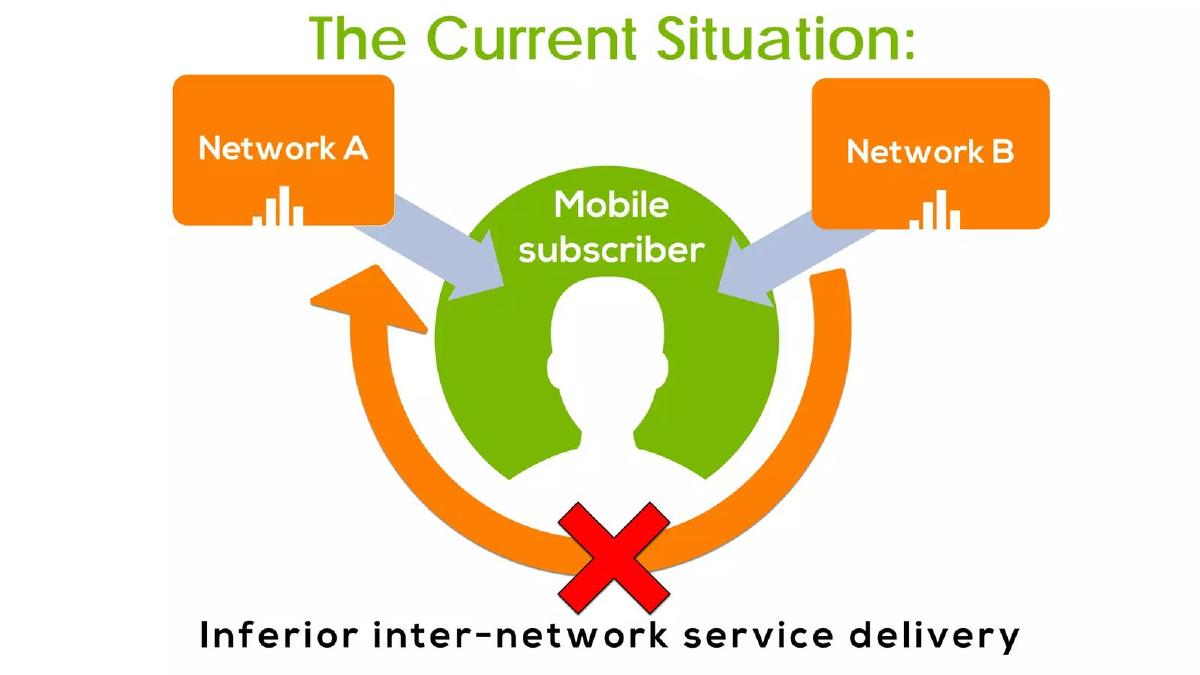
Chura is a Kenyan fintech startup addressing the friction of fragmented mobile network providers. Their deck outlines a four-pillar solution: switching airtime between networks, buying airtime, bulk airtime distribution, and converting airtime to cash. In its first six months, the company processed Ksh. 1.4 million in airtime across 5,000+ transactions from 700 unique users. The deck is notable for its focus on accessibility, offering services via SMS, mobile web, and desktop to cater to a diverse user base. While the deck establishes clear early-stage traction and a functional team of five,…
Key takeaways
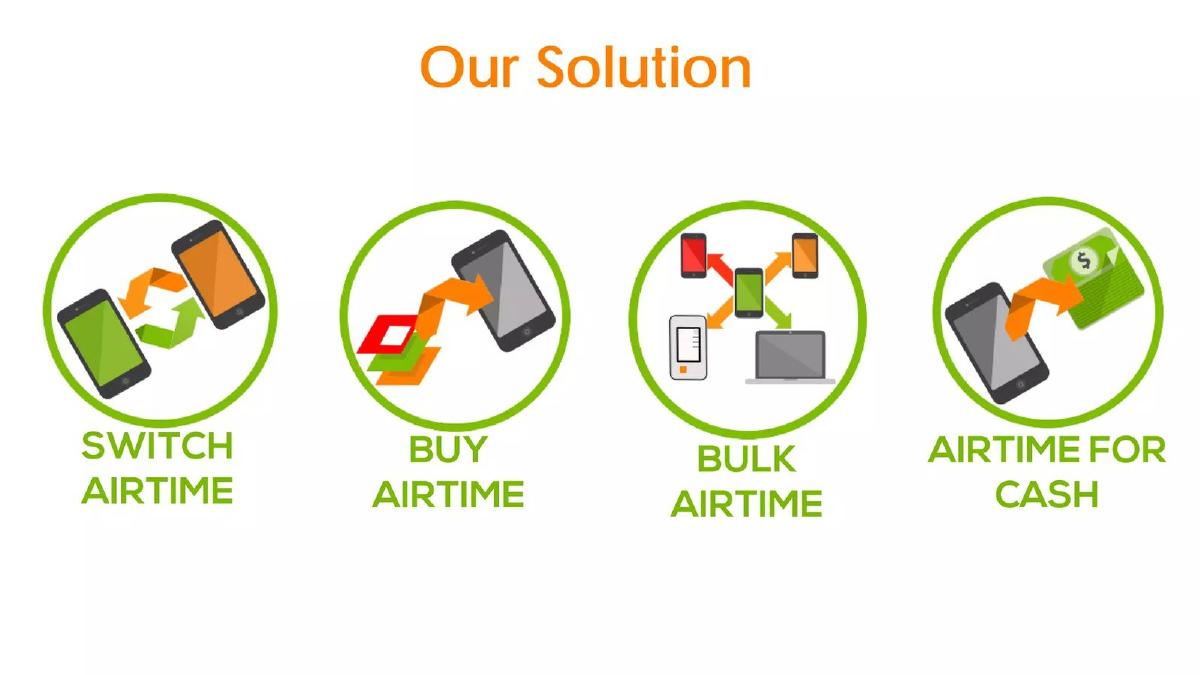
- The company offers four distinct services: Switch Airtime, Buy Airtime, Bulk Airtime, and Airtime for Cash (Slide 2).
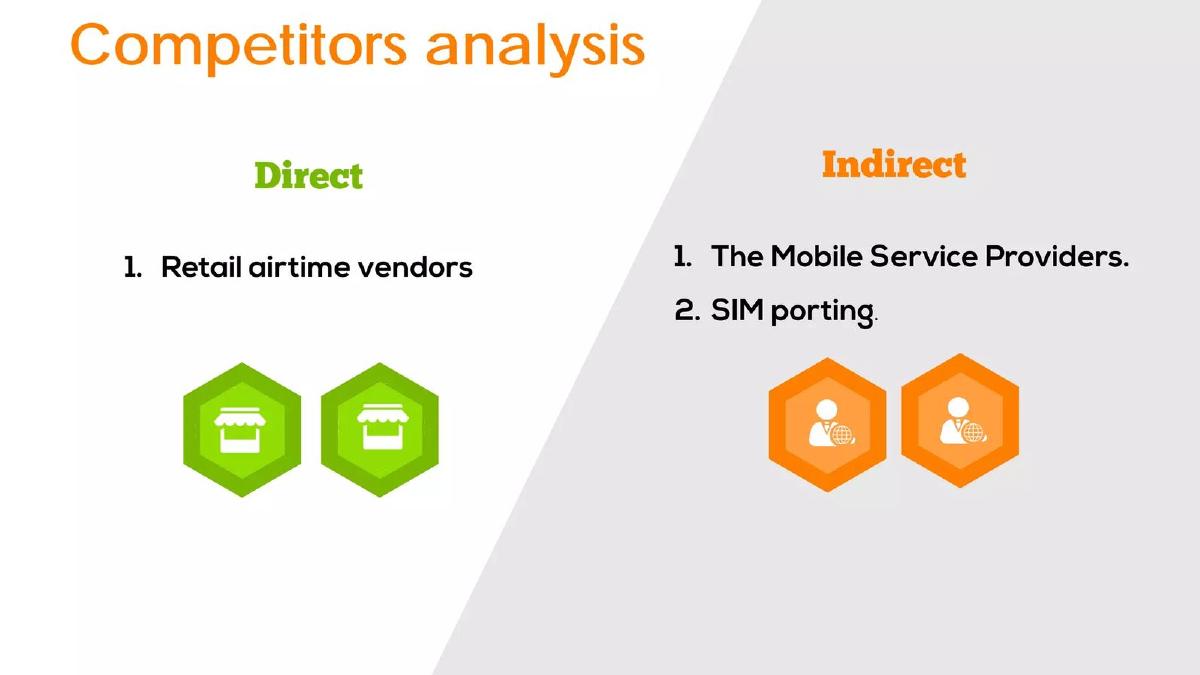
- Chura identifies retail airtime vendors as direct competitors and mobile service providers as indirect competitors (Slide 3).
- Product accessibility is a core focus, with interfaces for SMS, Mobile Web, and Desktop Web (Slide 4).
- Early traction shows Ksh. 1.4 Million in airtime processed within the first six months (Slide 5).
- The platform achieved 5,000+ transactions and 700 unique users, with a 42% repeat user rate (Slide 5).
- The team consists of five members with roles spanning business analysis, UI/UX, and systems development (Slide 6).
- The deck concludes with a vague call for 'Strategic Partners' rather than a specific capital requirement (Slide 7).
- There is no mention of the business model, revenue margins, or market size (TAM/SAM/SOM) in the provided slides.
Slide-by-Slide Teardown
Slide 1: Title Slide
The title slide is minimalist, featuring the Chura logo—a green and orange frog inside a gear-like circle—and the name of the presenter, Samuel Njuguna. The branding is consistent with the company name ('Chura' means frog in Swahili). While clean, it lacks a one-sentence value proposition or tagline that immediately tells an investor what the company does.
Slide 2: Our Solution
This slide introduces the four core functions of the platform using simple iconography. The services are Switch Airtime , Buy Airtime , Bulk Airtime , and Airtime for Cash . This is a strong functional slide because it clearly defines the product's utility. It positions Chura not just as a vendor, but as a liquidity provider for mobile value. However, it does not explain the 'how' or the underlying technology at this stage.
Slide 3: Competitors Analysis
Chura divides the competitive landscape into Direct and Indirect . Retail airtime vendors are listed as direct competitors. Indirect competitors include Mobile Service Providers and SIM porting. This is a somewhat narrow view of competition. It ignores other fintech apps or mobile money platforms (like M-Pesa) that might offer similar features or could easily integrate them. The slide is visually sparse and could benefit from a feature-comparison matrix to show Chura's unique advantages.
Slide 4: Product Overview
This slide demonstrates the user interface across three mediums: SMS , Mobile Web , and Desktop Web . Showing the SMS interface is a vital inclusion for a startup operating in East Africa, as it proves they understand the technical constraints of their target market. The screenshots show a functional, albeit basic, web interface with clear call-to-action buttons for each of their four services.
Slide 5: Traction (In 6 months)
This is the most impactful slide in the deck. It lists three key metrics achieved within the first half-year of operation: Ksh. 1.4 Million Airtime processed, 5000+ Transactions , and 700 Unique Users (with 300 repeat users). The inclusion of logos for HumanIPO and Business Daily suggests third-party validation or media coverage. The 42.8% repeat user rate is a strong indicator of product-market fit, though the total volume (roughly $14,000 USD at historical rates) is modest, indicating a very early seed stage.
Slide 6: Our Team
The team slide features five members: Samuel Njuguna (Business Analyst), Stephanie Gaku (UI/UX & Customer Care), Njogu Kinyanjui (User Interface & Graphics), Byron Sitawa (System Analyst), and Jack Kinga (Lead Developer). The team appears balanced between technical and design roles. However, the slide lacks professional bios, previous company experience, or educational backgrounds, which are usually necessary to build investor confidence in the team's ability to scale.
Slide 7: The Conclusion
The final slide is a simple equation: Chura + Strategic Partners = Better World . This is a 'soft' closing. It fails to provide a specific call to action, a funding goal, or contact information. In a professional fundraising environment, this slide should be replaced with a clear 'Ask' including the amount of capital sought and the specific milestones that capital will help the company reach.
What Works Well
Clarity of Service: Slide 2 does an excellent job of distilling a potentially complex fintech product into four understandable buckets. · Market Appropriateness: By highlighting the SMS interface on Slide 4, the founders demonstrate they are building for the actual infrastructure available to their customers, not just for high-end smartphone users. · Retention Metrics: Highlighting 'Repeat Users' on Slide 5 is a sophisticated move. It shows the founders aren't just looking at vanity metrics (total users) but are tracking the stickiness of their platform.
What is Missing
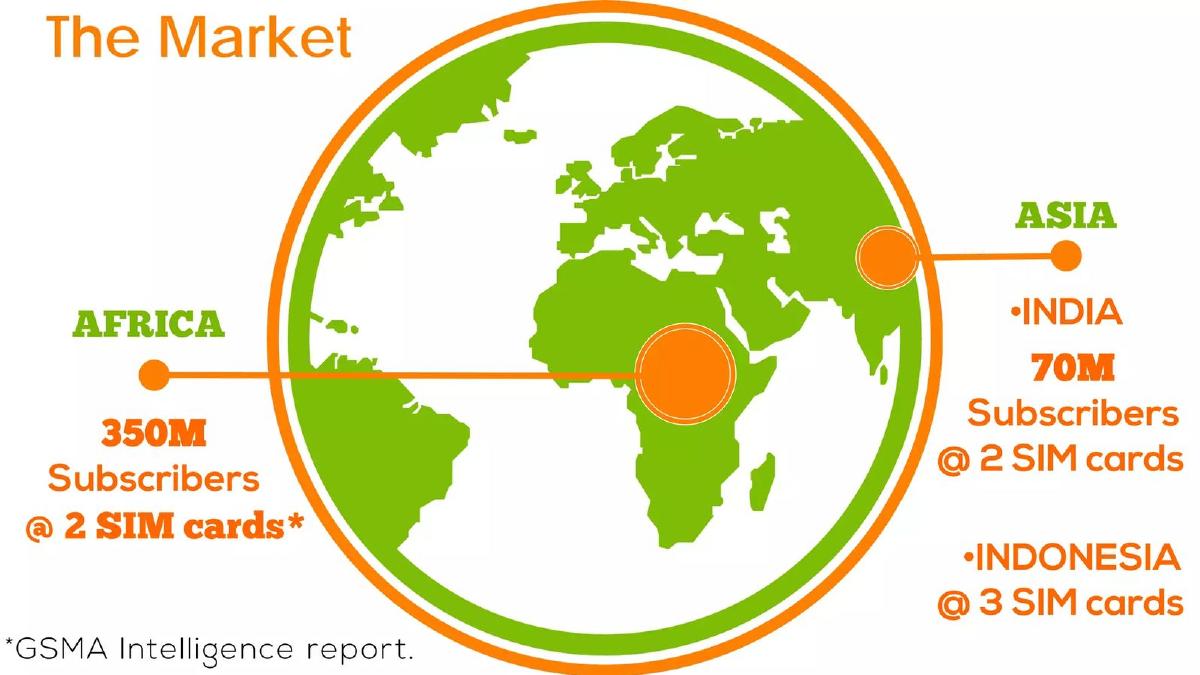
The Business Model: There is no explanation of how Chura generates revenue. Do they take a percentage of the airtime switched? Do they charge a flat fee for cash-outs? Without this, an investor cannot calculate the potential ROI. · Market Size (TAM): The deck does not address how many people in Kenya or the broader region use multiple SIM cards or face airtime liquidity issues. Investors need to see the 'ceiling' for the business. · The Ask: The deck ends without asking for a specific amount of money. A pitch deck is a sales tool; failing to ask for the 'sale' (the investment) is a significant oversight. · Unit Economics: While they show total airtime processed, they don't show the cost of acquisition (CAC) or the lifetime value (LTV) of their 700 users.
Founder Takeaways
Focus on 'Trapped Value': Chura succeeds by identifying a specific point of friction—airtime locked in one network—and offering a way to liberate that value. Founders should look for similar 'trapped' assets in other sectors (loyalty points, gift cards, etc.) where liquidity is low.
Multi-Channel is Mandatory: In emerging markets, a web-only strategy is often a failure. Chura’s inclusion of SMS as a primary interface is a lesson in meeting the customer where they are, rather than where you wish they were.
Quantify the 'Repeat': If you have early traction, always break down your users into 'New' vs 'Repeat'. A small number of users who use the product seven times each is much more impressive to an investor than a large number of users who use it once and never return.
Be Specific with the Ask: Never end a deck with a vague platitude about a 'Better World.' Tell the investor exactly how much you need, what you will spend it on (hiring, marketing, R&D), and what the business will look like 18 months after they write the check.
Frequently asked questions
- What is Chura's primary value proposition?
- Chura acts as an interoperability layer for mobile airtime. In markets like Kenya where users often carry multiple SIM cards from different providers, Chura allows users to move value between these networks or liquidate airtime back into cash. This solves the problem of 'trapped' value on a specific mobile network.
- How does Chura reach its customers?
- The company employs a multi-channel approach to ensure inclusivity. While they have desktop and mobile web platforms, they also offer services via SMS. This is a critical strategic choice for the African market, ensuring that users with basic feature phones can still access airtime switching and cash-out services.
- What does the traction data reveal about their user base?
- Slide 5 indicates that out of 700 unique users, 300 are repeat users. This represents a roughly 43% retention rate in the first six months. Processing 5,000 transactions for 700 users suggests an average of approximately seven transactions per user, indicating high utility for those who adopt the service.
- Who are the key competitors identified by Chura?
- Chura categorizes competition into direct and indirect. Direct competitors are retail airtime vendors who sell physical or digital top-ups. Indirect competitors include the Mobile Service Providers (MSPs) themselves and the process of SIM porting, which allows users to switch networks while keeping their number but does not solve the airtime liquidity issue.
- What is missing from the Chura pitch deck?
- The deck is missing several standard venture components. There is no 'Ask' slide detailing how much money is being raised or the valuation. It also lacks a business model slide explaining how they make money (e.g., transaction fees), a market size analysis, and any forward-looking financial projections or milestones.