ChangeAgain’s pitch deck is a study in extreme minimalism, relying on high-impact visuals and sparse text to convey a value proposition centered on A/B testing. The company identifies a $4 billion market opportunity and positions itself as an accessible solution with a starting price of $50 per month. While the deck successfully communicates a clear fundraising target of €150k and a specific plan for 300 paying customers within 12 months, it suffers from significant omissions. There is no mention of the founding team, no detailed competitive analysis beyond a vague market graph, and no explan…
Key takeaways
- The company identifies that 57% of the market uses Google Analytics, suggesting a large pool of potential integrations (Slide 2).
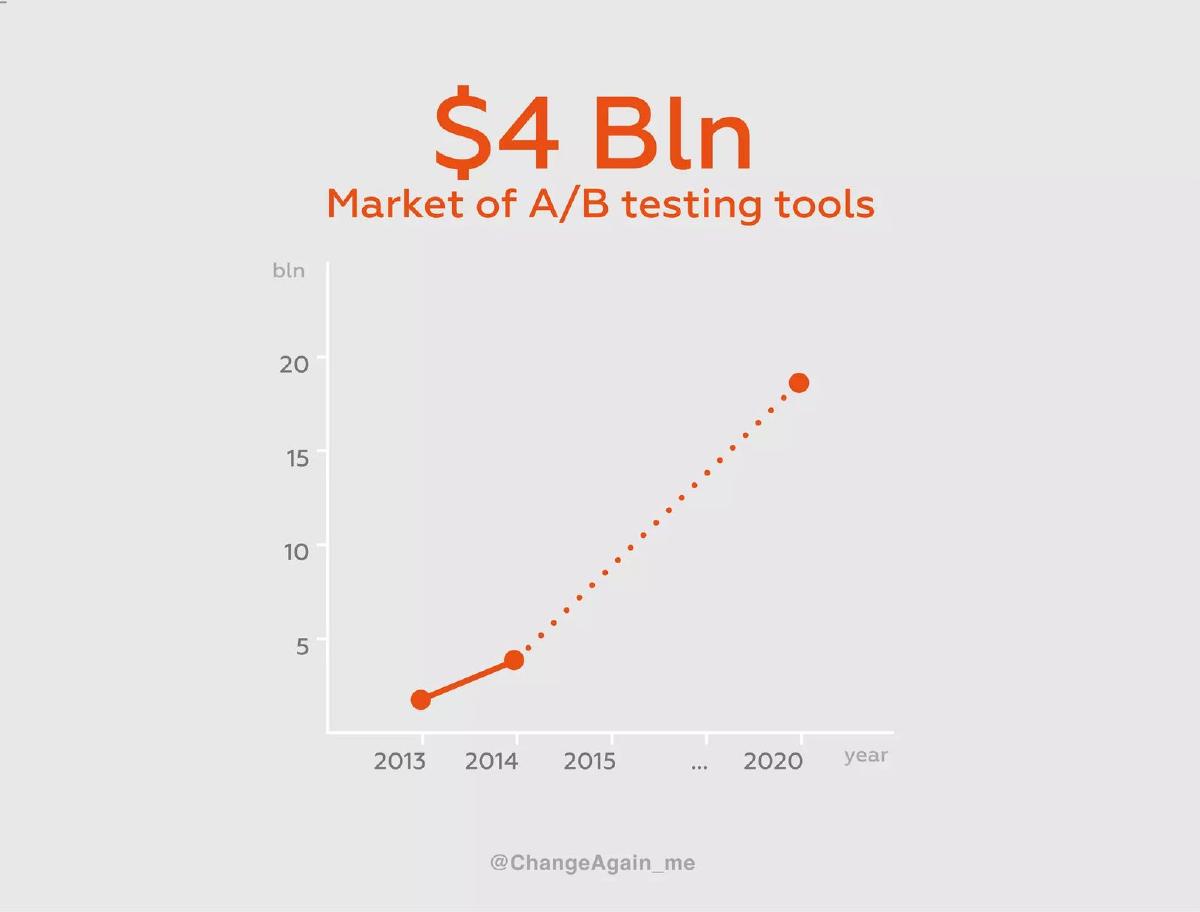
- ChangeAgain estimates the A/B testing tool market at $4 billion, with a projected growth trend reaching nearly $20 billion by 2020 (Slide 3).
- The entry-level pricing is set at $50 per month, positioning the product for the mid-market or SMB segment (Slide 4).
- The growth strategy targets 300 paying customers within a 12-month period using three specific channels (Slide 5).
- Acquisition channels are identified as content marketing, partnerships with optimization agencies, and a support department (Slide 5).
- The fundraising ask is exactly €150k, with a clear percentage breakdown of capital allocation (Slide 6).
- Development is the primary focus of the spend, accounting for 60% of the requested €150k (Slide 6).
- The deck completely omits a team slide, leaving investors unaware of who is building the product or their relevant expertise.
Introduction
The ChangeAgain pitch deck is a 12-slide presentation (of which 6 are analyzed here) that follows a highly visual, low-text philosophy. The company operates in the conversion rate optimization (CRO) space, specifically focusing on A/B testing tools. The deck is designed to highlight a specific market gap and a clear path to a modest seed-stage milestone. However, its brevity creates as many questions as it answers, particularly regarding the 'who' and the 'how' behind the business.
Slide 1: Title and Value Proposition
The cover slide features the ChangeAgain logo, which incorporates a circular orange arrow motif, suggesting iteration and continuous improvement. The primary headline is a direct value proposition: "Increase revenue of your web-site." The background image shows a top-down view of professionals using laptops and tablets, reinforcing the B2B software nature of the product. This slide is functional but generic; it tells the investor what the product does for the customer, but not what the product is or why it is unique.
Slide 2: The Google Analytics Context
Slide 2 presents a single, large statistic: "57% use Google Analytics." This is paired with an image of a hand interacting with a digital tablet. In the context of an A/B testing tool, this slide serves to establish the size of the addressable ecosystem. By highlighting the ubiquity of Google Analytics, ChangeAgain is likely implying that their tool integrates seamlessly with the world's most popular analytics platform, or that they are targeting the majority of webmasters who already value data-driven decisions but may lack easy-to-use testing tools.
Slide 3: Market Size and Projections
This slide addresses the Total Addressable Market (TAM). It features a large headline stating "$4 Bln Market of A/B testing tools." Below the headline is a line graph showing historical data from 2013 and 2014, followed by a dotted projection line leading to the year 2020. The graph indicates that while the market was valued at roughly $4 billion in 2014, the company expected it to climb toward the $20 billion mark by 2020. This slide is intended to prove that the niche is large enough to support a venture-scale exit, though it lacks a source for these specific figures.
Slide 4: Pricing Strategy
Slide 4 is a pricing slide, which is unusual to see so early in a deck before the product features are explained. It states "from 50$ per month" next to a pile of U.S. currency. This positioning suggests that ChangeAgain is competing on price or accessibility. Many enterprise A/B testing tools are notoriously expensive, often costing thousands of dollars per month. By anchoring the price at $50, ChangeAgain is signaling that they are a solution for Small to Medium Businesses (SMBs) or individual practitioners who are priced out of high-end platforms.
Slide 5: Growth Targets and Channels
Slide 5 outlines the company's immediate goals and how they intend to achieve them. The headline is "300 paying customers in 12 month." Below this, three icons represent their Go-To-Market (GTM) strategy: "Content marketing," "Partnerships with optimizations agencies," and "Support department." The inclusion of optimization agencies as a partnership channel is a tactical choice, as these agencies often manage the tech stacks for multiple clients. The mention of the "Support department" as a growth driver suggests a focus on retention or a high-touch sales-through-support model.
Slide 6: The Ask and Capital Allocation
The final slide in this set is the fundraising "Ask." ChangeAgain is "Raising € 150k." The slide provides a clear breakdown of how this capital will be deployed: "60% Development," "30% Marketing," and "10% Other." This is a very lean seed round. The heavy weighting toward development (60%) indicates that the product may still be in an early stage or requires significant engineering work to reach the next level of scale. The 30% allocated to marketing aligns with the growth goals mentioned in the previous slide.
What Works in This Deck
The deck excels at clarity of intent. Within just six slides, the investor knows exactly what the market is ($4B), what the price point is ($50/mo), what the immediate goal is (300 customers), and how much money is needed (€150k). This level of transparency is refreshing and prevents the "fluff" that often plagues early-stage decks. The visual consistency, using a limited color palette of orange, white, and grey, makes the deck feel professional despite its simplicity.
What Is Missing
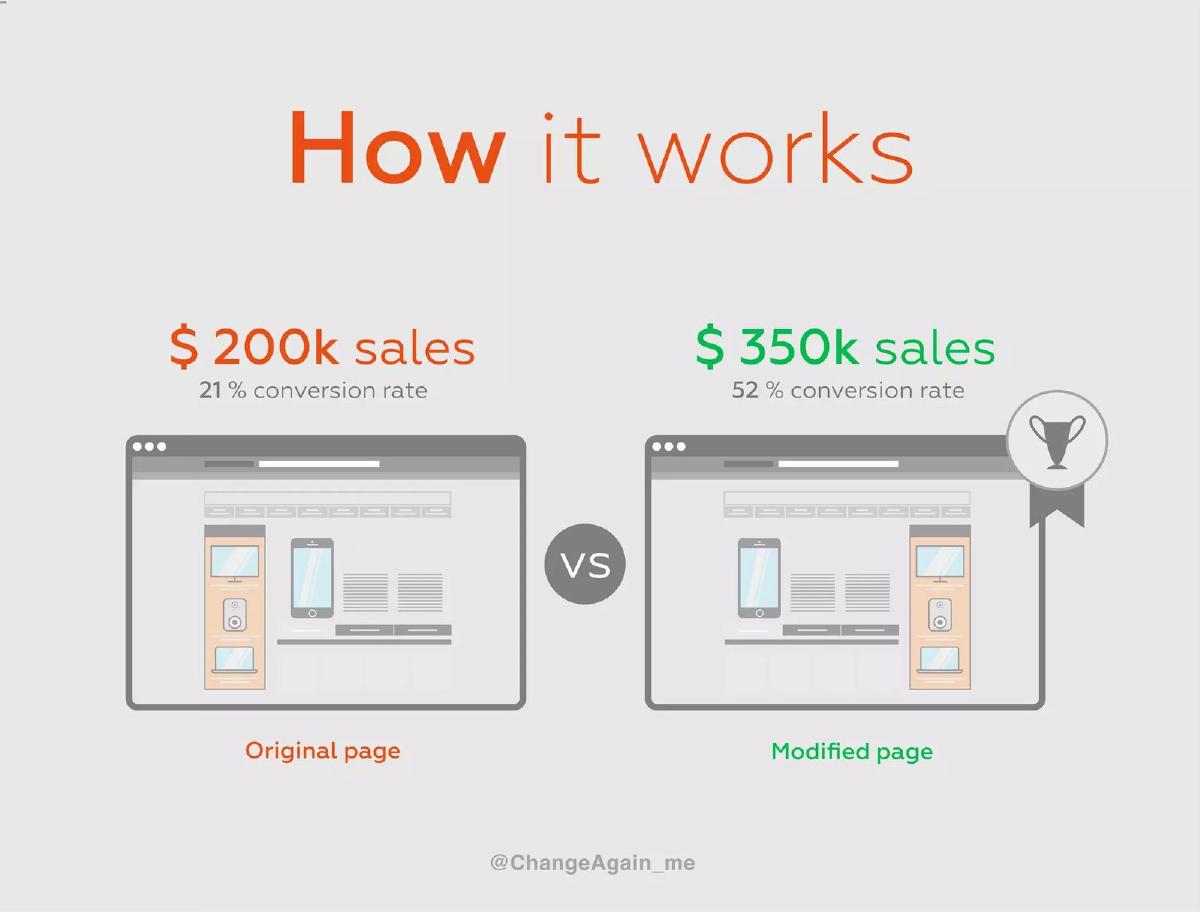
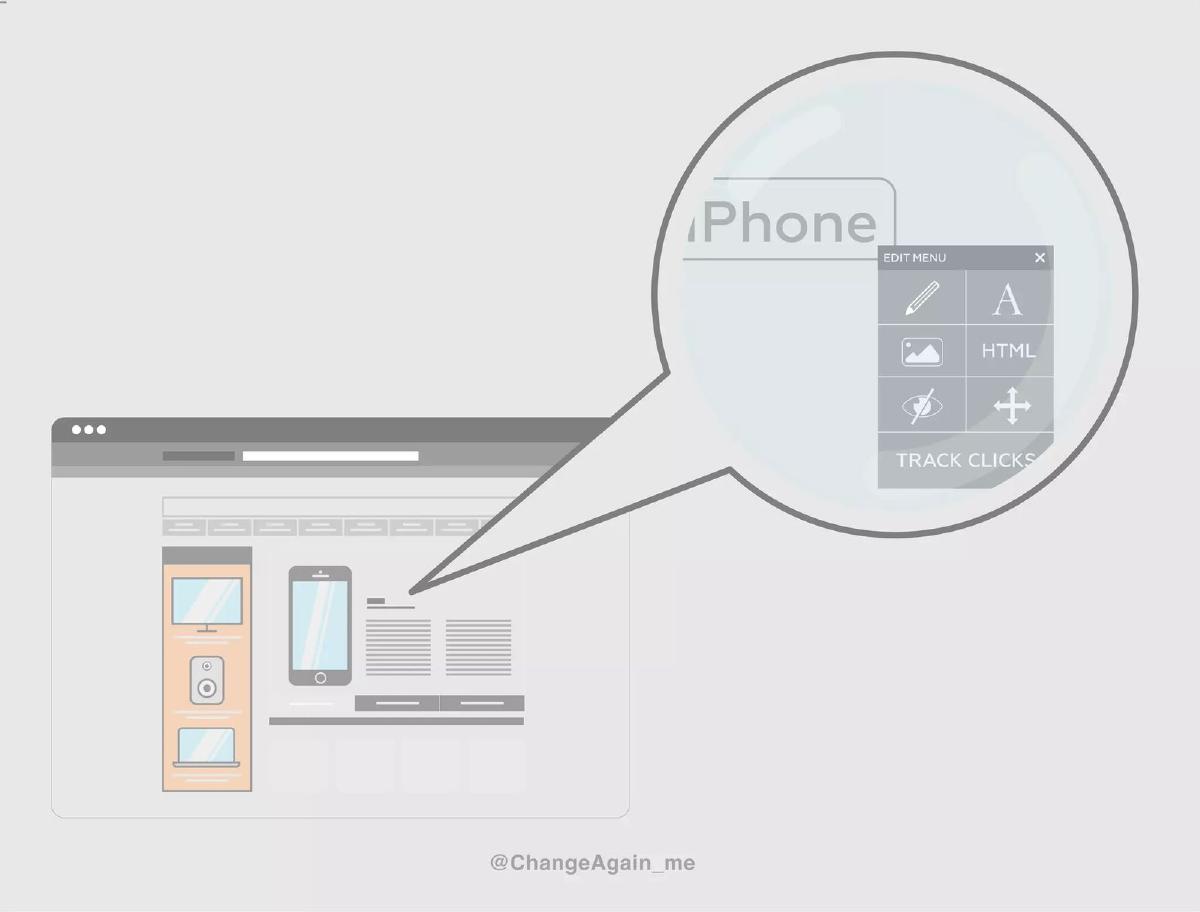
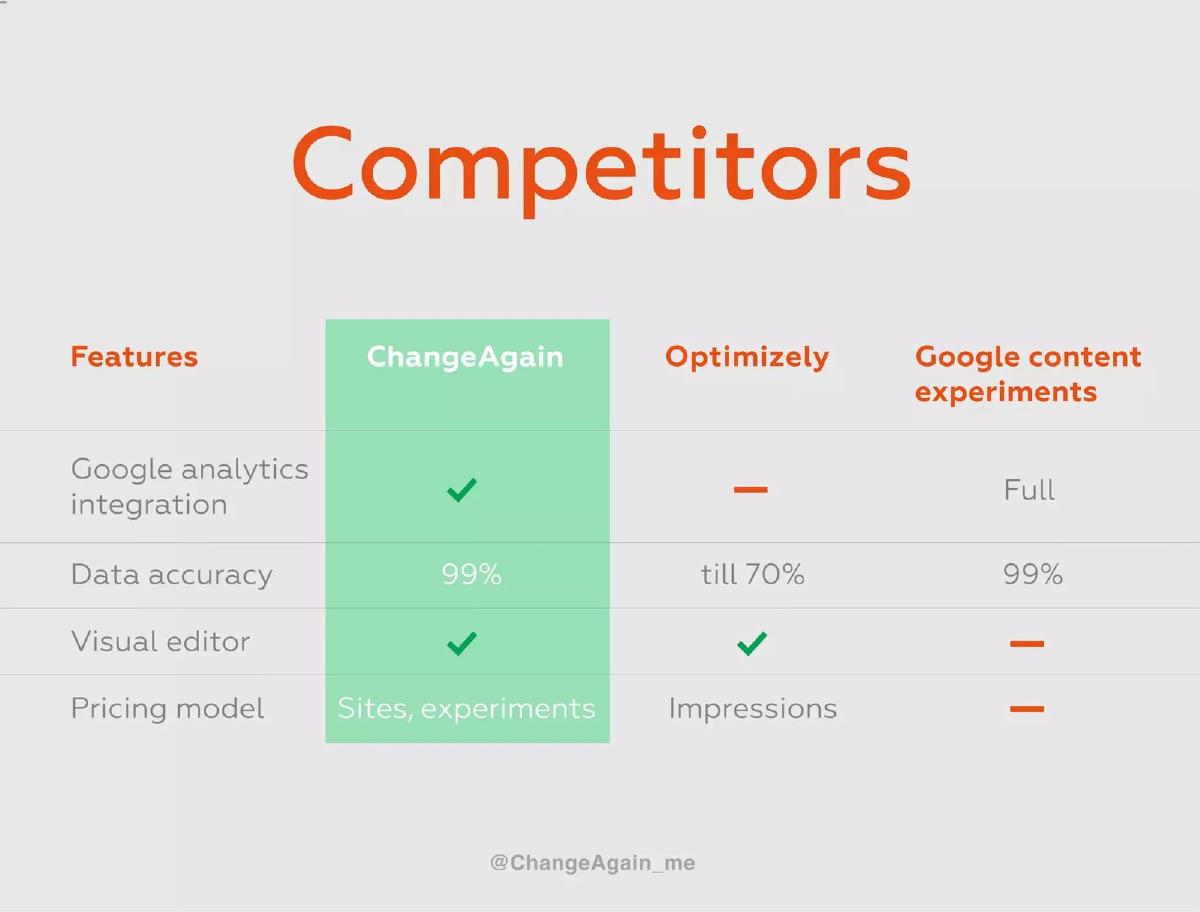
The omissions in this deck are significant and would likely prevent a follow-up meeting without additional context. First and foremost, there is no Team Slide . Investors at the seed stage are primarily investing in people; without knowing the founders' backgrounds, it is impossible to assess execution risk. Second, there is no Product Slide . We know the tool does A/B testing, but we don't see the interface, the "Visual Editor," or any unique features that differentiate it from incumbents. Third, there is no Competition Slide . The A/B testing market is crowded with giants like Optimizely, VWO, and Adobe Target. Failing to acknowledge these competitors makes the founders look under-prepared. Finally, there is no Traction Slide showing current progress. We see a goal for 300 customers, but we don't know if they currently have zero or 100.
Founder Takeaways
Founders should emulate the clear capital allocation shown on Slide 6. Providing a percentage breakdown of how you will spend an investor's money demonstrates fiscal responsibility and planning. Additionally, the specific growth target (300 customers in 12 months) is a good example of setting a measurable milestone that justifies the round size. However, founders must avoid the mistake of omitting the team and the product. A pitch deck is a story, and you cannot tell a story without characters (the team) or a plot (the product mechanics).
Final Analysis
ChangeAgain presents a "teaser" style deck. It is effective at sparking interest in a specific market opportunity but fails to provide the evidence required for a funding commitment. The €150k ask is modest, suggesting this is a pre-seed or very early seed round. To move forward, the founders would need to supplement this deck with a detailed team biography, a product demo, and a more robust competitive analysis that explains why a customer would choose a $50/month tool over a free alternative or a high-end enterprise suite.
Frequently asked questions
- What is the primary product offered by ChangeAgain?
- Based on the slides, ChangeAgain offers A/B testing tools designed to increase website revenue. The deck emphasizes its connection to the broader analytics ecosystem, noting that 57% of users utilize Google Analytics, implying that ChangeAgain likely integrates with or complements existing analytics stacks to improve conversion rates through testing.
- How does ChangeAgain plan to acquire customers?
- The company outlines a three-pillar growth strategy on Slide 5: content marketing, partnerships with optimization agencies, and utilizing a support department. Their goal is to reach 300 paying customers within 12 months. This suggests a B2B approach that relies on both inbound interest and channel partners who already manage client websites.
- What is the total amount being raised and how will it be used?
- ChangeAgain is seeking €150k. According to Slide 6, the funds are allocated as follows: 60% for Development, 30% for Marketing, and 10% for 'Other' expenses. This indicates a heavy focus on product refinement and engineering in the immediate post-funding phase, followed by a significant push into the market.
- What is the projected market size for their industry?
- Slide 3 features a line graph showing the market for A/B testing tools. It cites a $4 billion market value as of 2014, with a dotted projection line suggesting the market would grow to approximately $18-19 billion by the year 2020. This is intended to show investors the scalability and headroom available in the sector.
- What critical information is missing from this pitch deck?
- The deck is missing several standard components: a Team slide (founders and advisors), a Competitor slide (direct rivals like Optimizely or VWO), a Technical/Product slide (how it actually works), and a Traction slide (current revenue or user count). Without these, the deck serves only as a high-level introduction rather than a complete investment case.