The Coinbase seed round pitch deck, consisting of 11 slides, is a remarkably lean document that prioritizes market momentum and product simplicity over complex financial projections. At a time when Bitcoin was primarily the domain of technical enthusiasts, Coinbase pitched a 'hosted bitcoin wallet' to bridge the gap to mainstream users. The deck leans heavily on the 'iTunes : MP3' analogy to explain its value proposition, a strategy that clearly resonated by framing a new technology within a familiar successful framework. While the deck lacks a formal team slide, competition matrix, or detail…
Key takeaways
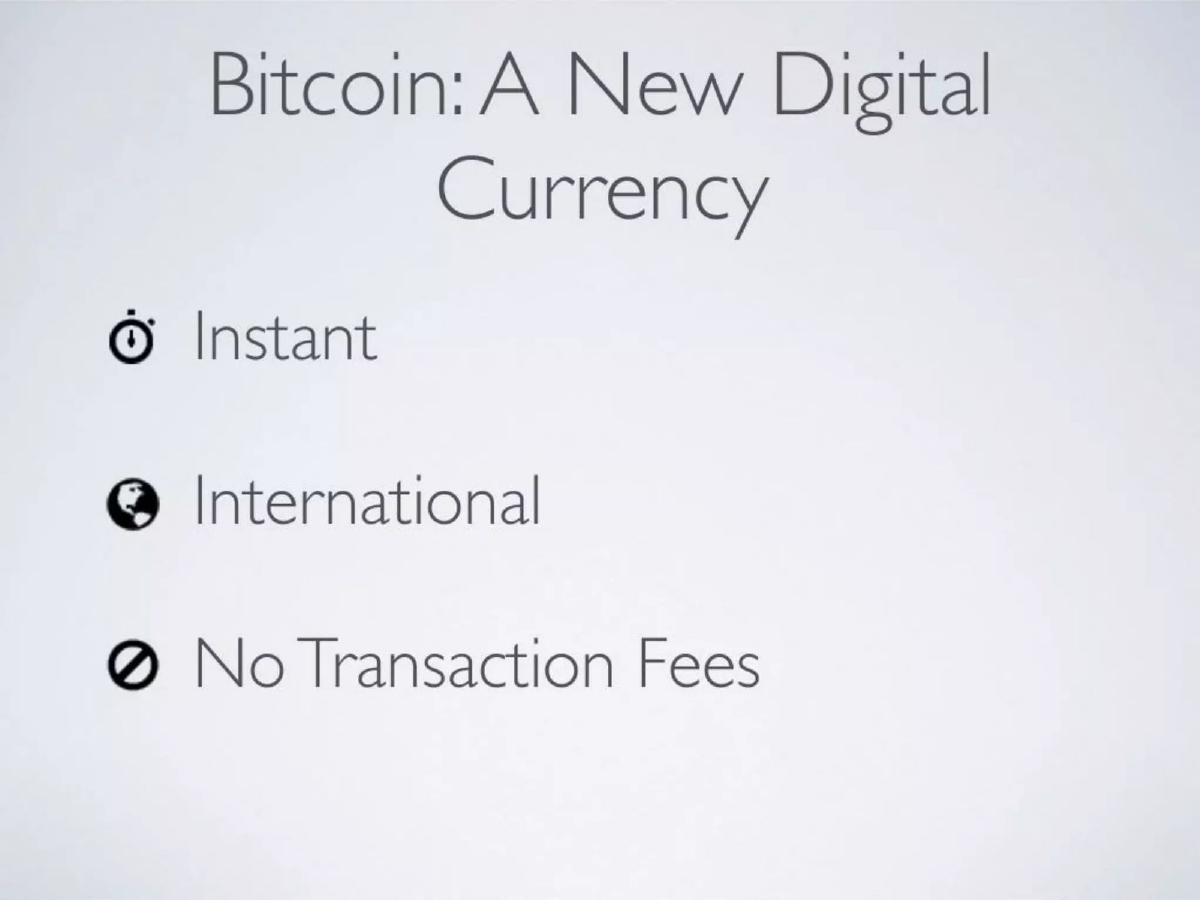
- The deck defines Bitcoin as 'Instant, International, and No Transaction Fees' to establish the core value proposition of the underlying asset (Slide 2).
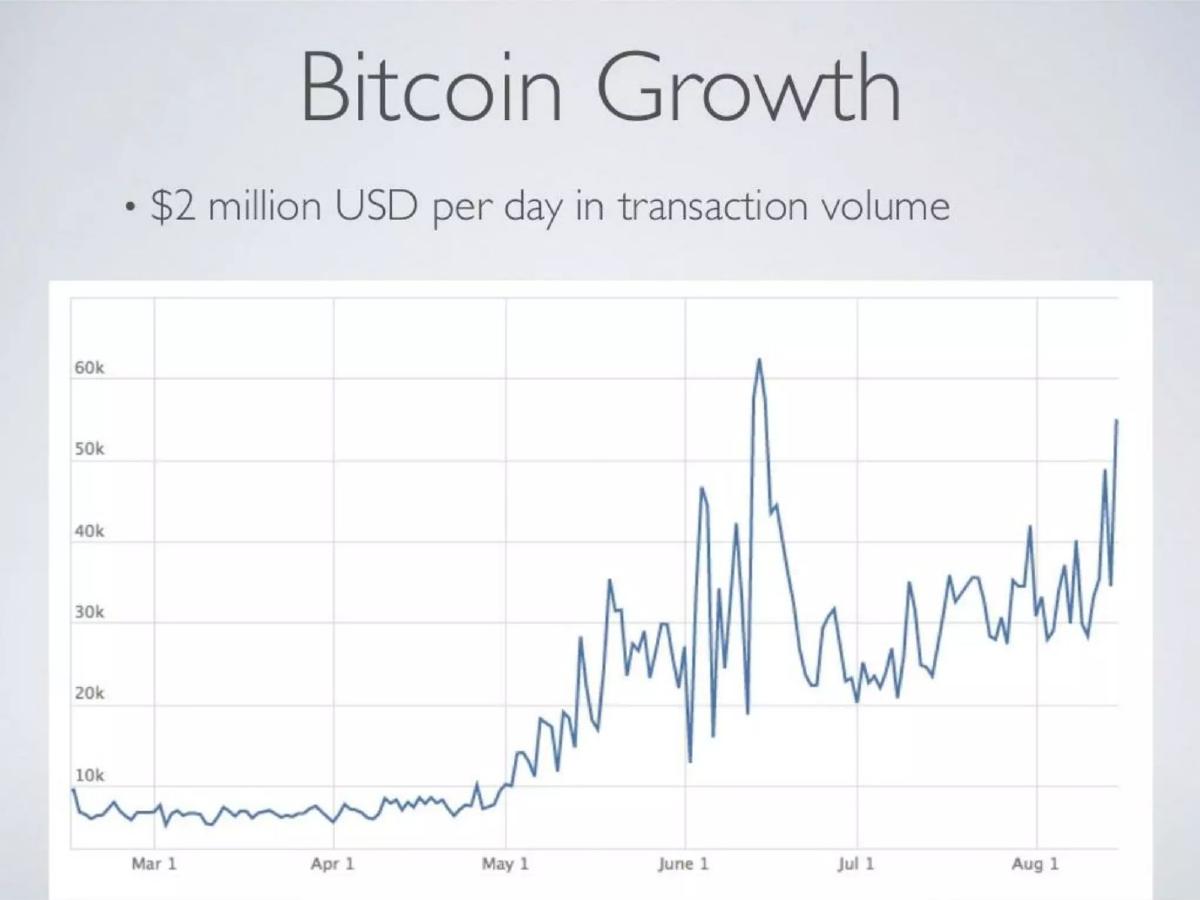
- Coinbase claims a market transaction volume of '$2 million USD per day' for Bitcoin during the seed period (Slide 4).
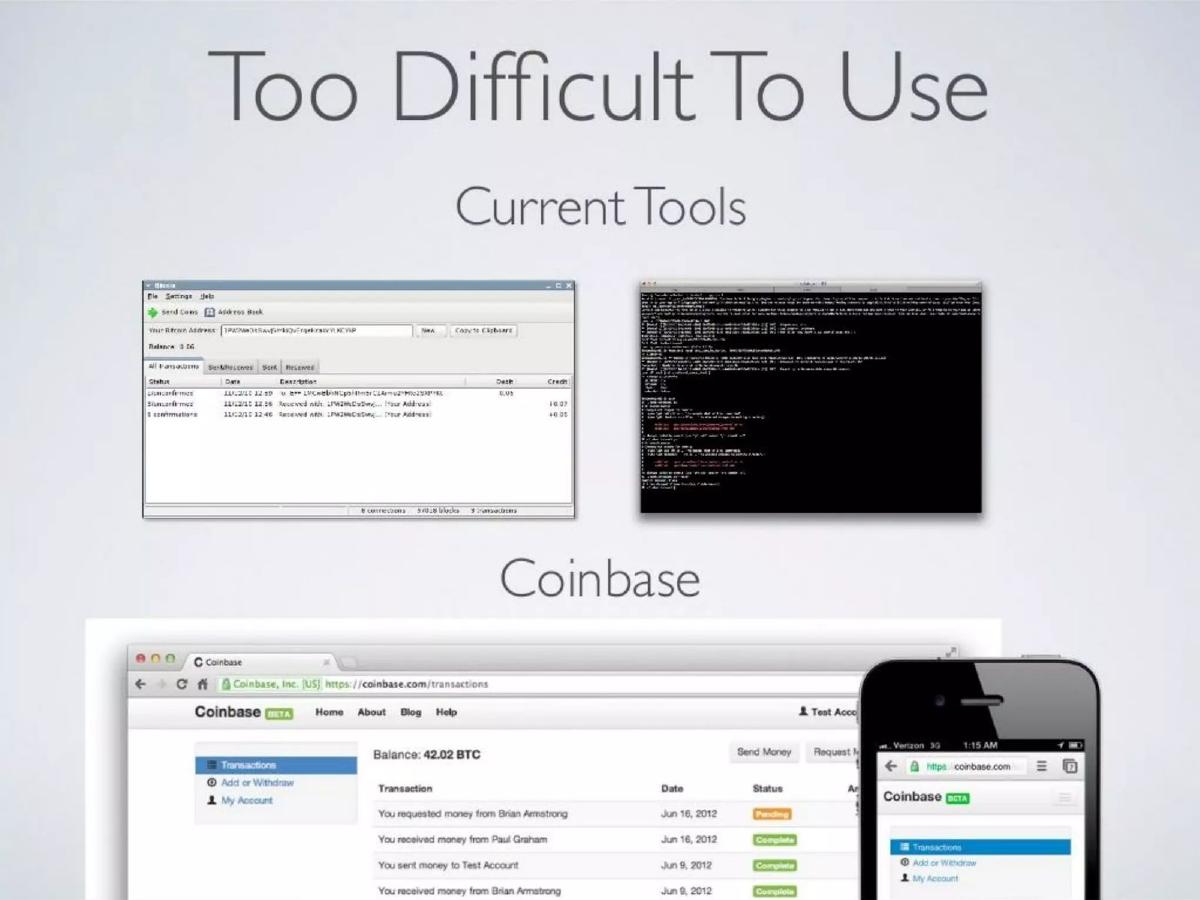
- The 'Problem' is identified as existing tools being 'Too Difficult To Use,' illustrated by screenshots of command-line interfaces and complex legacy wallets (Slide 6).
- The company uses a powerful analogy, 'Coinbase : Bitcoin :: iTunes : MP3,' to instantly communicate its business model to investors (Slide 8).
- Traction is demonstrated through a '20% Daily' signup growth rate in August (Slide 9).
- The platform processed '$65,000 USD in the first 5 weeks' of operation, proving early product-market fit (Slide 10).
- The deck completely omits a team slide, a business model/revenue slide, and a specific funding ask (Slides 1-11).
- Visual evidence of a 'Beta' product is shown across web and mobile interfaces to prove the product is live and functional (Slide 7).
Introduction
The Coinbase seed deck is one of the most famous artifacts in fintech history. It represents a moment when cryptocurrency was transitioning from a niche cypherpunk experiment to a potential global financial system. The deck is notable for its brevity—just 11 slides—and its focus on a single, powerful narrative: Bitcoin is growing, but it is too hard to use, and we are the solution that makes it easy.
Slide 1: Title Slide
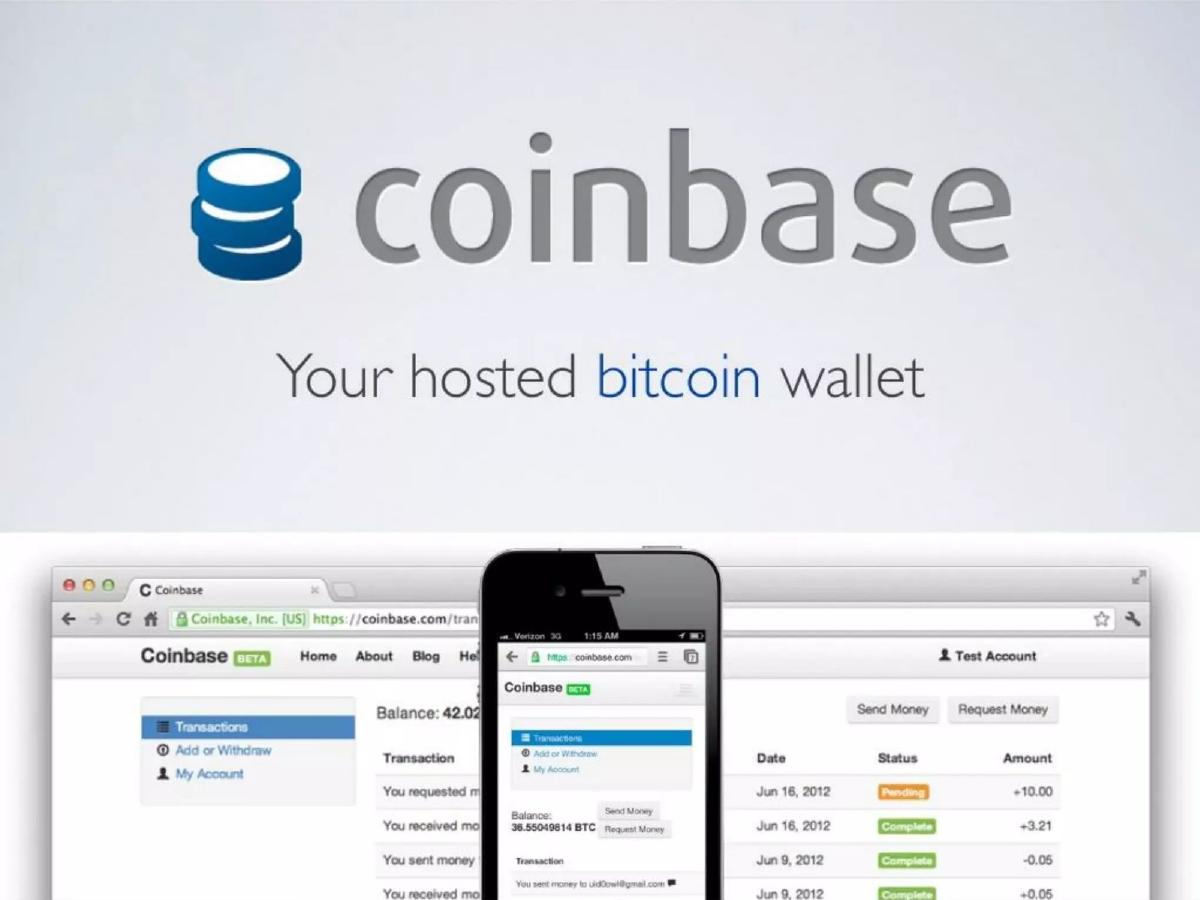
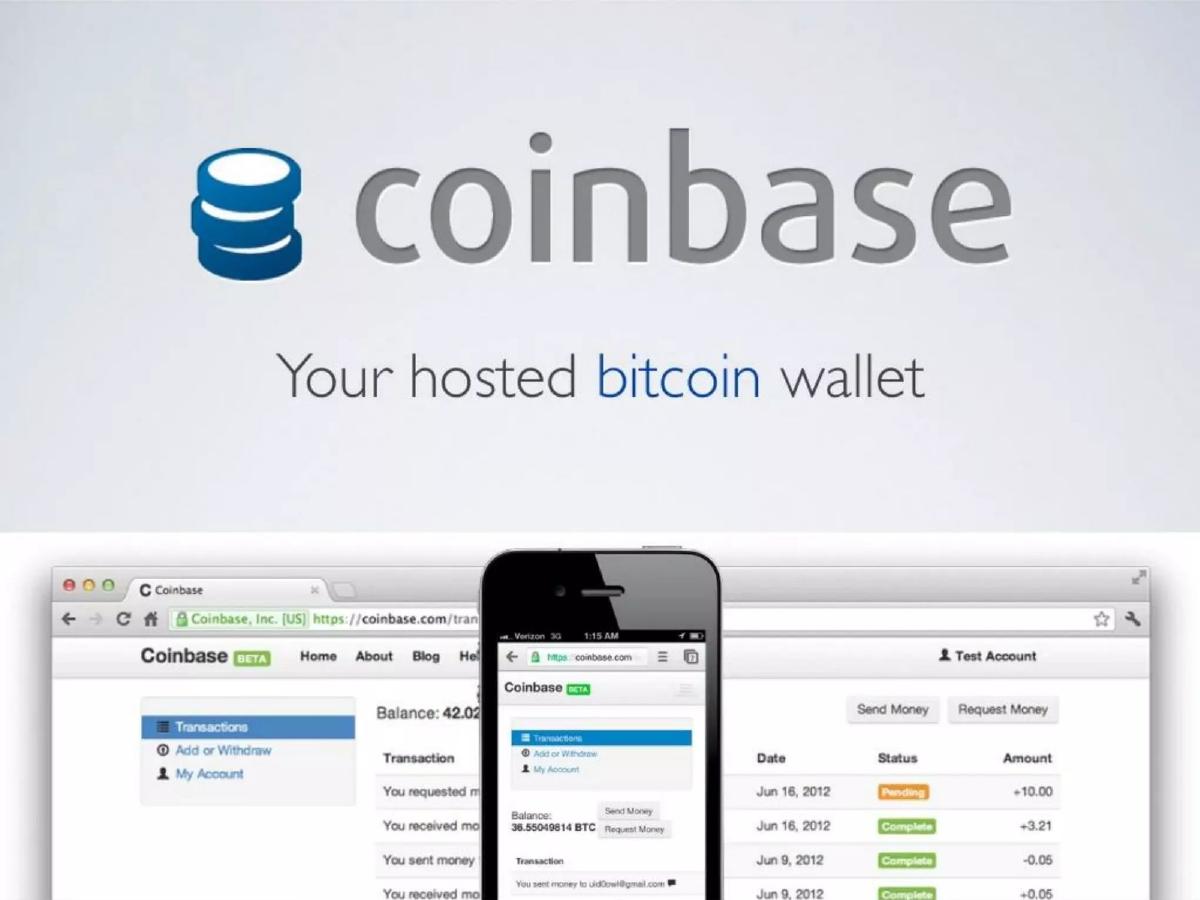
The deck opens with the Coinbase logo and the tagline: "Your hosted bitcoin wallet." Below the text are screenshots of the product running on a desktop browser and an iPhone. This immediately establishes two things: Coinbase is a multi-platform solution, and the product is already built and functional. The use of the word "hosted" is a deliberate choice to signal that they handle the technical complexity of the blockchain for the user.
Slide 2 & 3: Defining the Asset
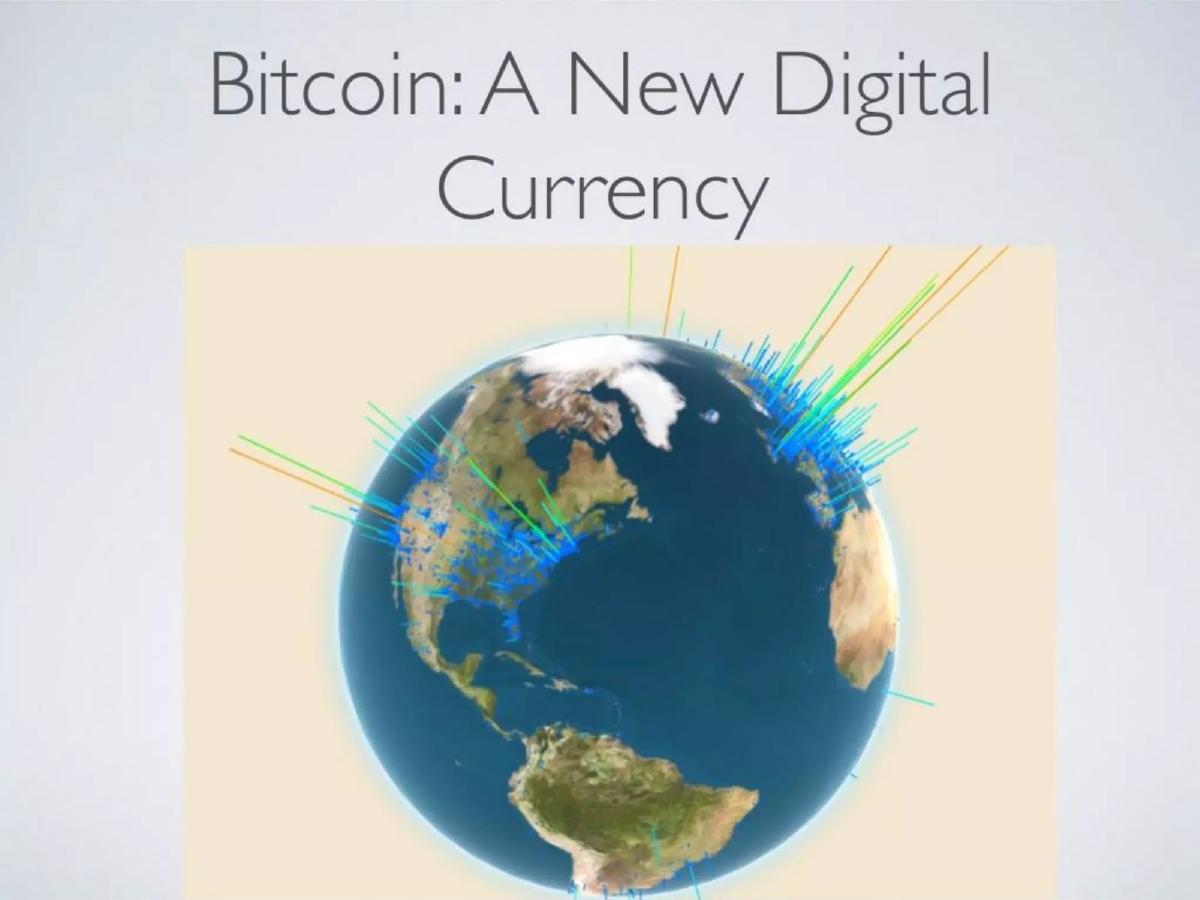
Slides 2 and 3 serve as an education for investors who might not have understood Bitcoin in 2012. Slide 2 lists three core benefits: "Instant," "International," and "No Transaction Fees." Slide 3 uses a global visualization of Bitcoin nodes or transactions to show that this is not a local trend but a worldwide movement. By selling the category first, Coinbase makes the case that if Bitcoin succeeds, a gateway like Coinbase is a mathematical necessity.
Slide 4: Market Momentum
Slide 4, titled "Bitcoin Growth," provides the first hard data point: "$2 million USD per day in transaction volume." The accompanying line chart shows a volatile but clearly upward trend from March to August. This slide is designed to create a sense of urgency (FOMO) by showing that the train is already leaving the station.
Slide 5: The Early Adopters
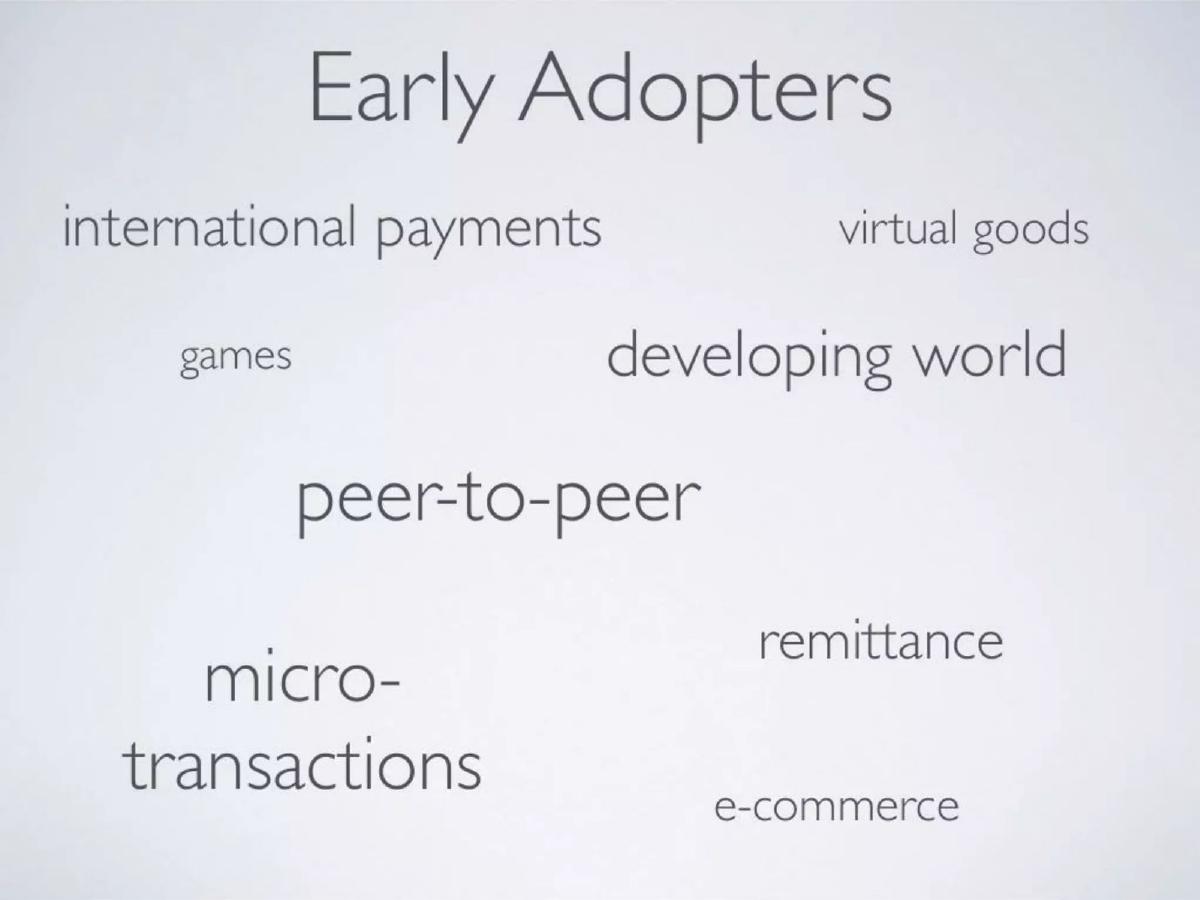
This slide is a word cloud of use cases: "international payments," "remittance," "e-commerce," "peer-to-peer," and "micro-transactions." It identifies the "Early Adopters" and suggests that Bitcoin is not just for speculators but has utility in the developing world and for virtual goods. This broadens the perceived market size beyond just "digital gold."
Slide 6: The Problem (Complexity)
Slide 6 is the most critical slide in the deck for establishing the "Why Coinbase?" argument. Titled "Too Difficult To Use," it shows two screenshots of "Current Tools": a complex, Windows-style wallet interface and a terminal window filled with code. Below these, it shows the clean, white, Apple-esque Coinbase interface. The visual contrast is a powerful indictment of the status quo and a clear value proposition for Coinbase's design-centric approach.
Slide 7: The Solution (Simplicity)
Slide 7 reinforces the solution with larger screenshots of the Coinbase web and mobile apps. The interface looks like a standard banking app, with "Send Money" and "Request Money" buttons. This demystifies Bitcoin, making it look like something a regular consumer could use without a computer science degree.
Slide 8: The Analogy
Slide 8 contains only four words: "Coinbase : Bitcoin :: iTunes : MP3." This is a masterstroke of positioning. In 2012, every investor understood how Apple had dominated the music industry by creating a legal, easy-to-use wrapper around the MP3 format. By claiming this mantle, Coinbase bypassed the need for a complex business model slide; the business model was "be the iTunes of this new asset class."
Slide 9 & 10: Traction
Slides 9 and 10 provide the proof of life. Slide 9 shows a signup chart with a massive spike in August, labeled "20% Daily." Slide 10 shows transaction volume in BTC, noting "$65,000 USD in the first 5 weeks." These numbers, while small in absolute terms compared to today, showed a growth rate that is impossible for a venture capitalist to ignore. It proved that when you make a difficult technology easy, people flock to it immediately.
Slide 11: Contact
The final slide shows a scatter plot of transactions and currency trades over a two-minute window, emphasizing the real-time nature of the platform. It concludes with a contact email. Notably, there is no "Ask" slide, no mention of the round size, and no valuation. This suggests the deck was used to initiate conversations rather than close a specific deal on the spot.
What Works
The Analogy: The iTunes/MP3 comparison is the strongest part of the deck. It simplifies a complex technical shift into a proven commercial framework.
Visual Proof: Showing the product on mobile and web (Slide 7) and contrasting it with the "ugly" competition (Slide 6) makes the value proposition tangible.
Growth Velocity: Highlighting "20% Daily" growth (Slide 9) is much more impressive than showing total user counts when you are in the very early stages.
What is Missing
Team Slide: There is no mention of the founders' backgrounds. While Brian Armstrong's name appears in a screenshot on Slide 6, an investor would typically want to see the pedigree of the people building a financial platform.
Business Model: The deck assumes the investor knows how a wallet/exchange makes money (fees). It does not explicitly state the revenue per transaction or the long-term monetization strategy.
Regulatory/Security Strategy: For a "hosted wallet," security and regulation are the biggest risks. The deck does not address how they will keep coins safe or how they will deal with the legalities of money transmission.
What a Founder Should Copy
The 'Problem' Visualization: Don't just describe why the current way is bad; show a screenshot of how painful it is compared to your solution.
Focus on Momentum: If your total numbers are small, focus on the rate of change. "20% daily" sounds like a rocket ship, even if it's only a few thousand people.
Extreme Minimalism: This deck proves you don't need 20 slides of financial projections to get a seed round. You need a clear problem, a simple solution, and evidence that people want it.
Frequently asked questions
- What was Coinbase's original mission according to the deck?
- Coinbase's original mission was to be a 'hosted bitcoin wallet.' The deck focuses entirely on making Bitcoin accessible to non-technical users by providing a clean, web-based interface that removed the need for users to manage their own private keys or use command-line tools, which were the standard at the time.
- How did Coinbase justify the market opportunity?
- Instead of traditional TAM/SAM/SOM slides, Coinbase pointed to the organic growth of the Bitcoin network. They cited $2 million in daily transaction volume and used a heat map of global nodes to show that Bitcoin was already an international phenomenon with a diverse set of early adopters in e-commerce, remittances, and P2P payments.
- Why is the iTunes analogy significant in this deck?
- The analogy 'Coinbase : Bitcoin :: iTunes : MP3' solved a massive communication hurdle. It told investors that Bitcoin was the raw, disruptive technology (like the MP3) and Coinbase was the user-friendly layer that would monetize and organize it (like iTunes). It suggested that Coinbase didn't need to invent the technology, just own the interface.
- What metrics did Coinbase use to prove traction?
- Coinbase focused on two high-velocity metrics: user growth and transaction volume. They highlighted a 20% daily increase in signups and $65,000 in transaction volume within the first five weeks. By showing these charts, they proved that despite the technical hurdles of the era, there was significant pent-up demand for their simplified solution.
- What is missing from the Coinbase seed deck?
- The deck is missing several standard elements: a team slide (though Brian Armstrong's name appears in product screenshots), a detailed revenue model, a competitor analysis, and a specific 'Ask' slide detailing how much money they were raising and what the milestones would be. It relies almost entirely on the 'why now' and 'traction' components.