Divvy’s April 2018 deck presents a clear, data-driven argument for a new asset class: fractional homeownership. By targeting 'credit-worthy households' that are currently locked out of traditional mortgages, Divvy positions itself as a bridge between renting and owning. The deck is notable for its focus on distribution, specifically leveraging real estate agents who refer an average of 7 clients each, creating a self-sustaining referral loop. While the technical details of the 'ledger' and 'cap table' for individual homes are mentioned, the deck leans heavily on market selection—focusing on h…
Key takeaways
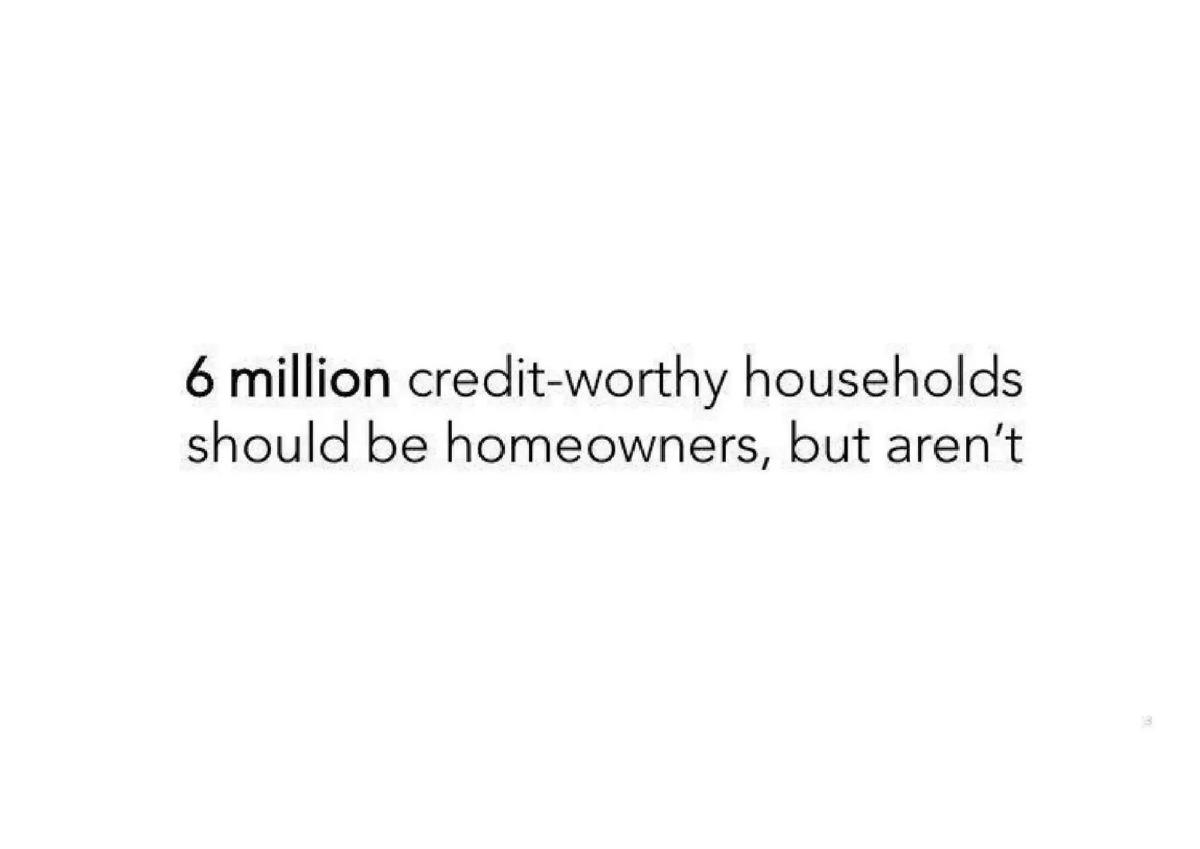
- The company identifies a total addressable market of 6 million credit-worthy households that are currently unable to access homeownership (Slide 3).
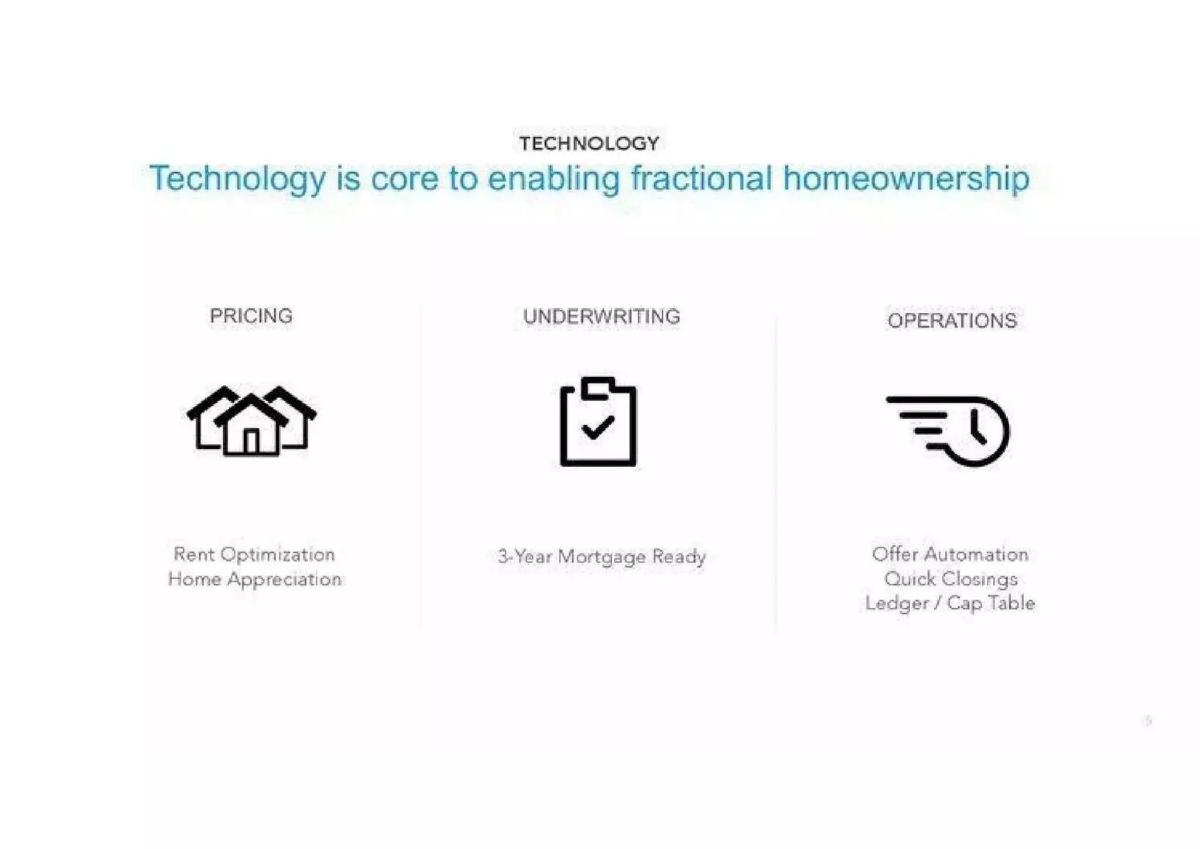
- Technology is positioned as the enabler for three core functions: Rent Optimization, 3-Year Mortgage Readiness, and Offer Automation (Slide 5).
- The distribution model relies on a flywheel where 20 net new agents join weekly and 180 agents refer an average of 7 clients each (Slide 8).
- Divvy targets specific high-yield markets, citing median home prices such as $120K in Memphis and $140K in Cleveland and Pittsburgh (Slide 10).
- The 'Divvy-occupied' model is pitched as a superior asset class to traditional rentals, claiming aligned interests and higher yields (Slide 13).
- Operational efficiency is highlighted through 'Quick Closings' and a proprietary 'Ledger / Cap Table' for property management (Slide 5).
- The deck emphasizes stability by focusing on markets with high annual home volumes, such as Chicago's 7,500 homes and Baltimore's 5,000 homes (Slide 10).
Introduction
The Divvy pitch deck from April 2018 is a masterclass in defining a new category within a crowded industry. Rather than positioning itself as a simple rent-to-own scheme, Divvy uses this presentation to argue for the creation of a 'new asset class.' The deck focuses on the friction points of the American dream—specifically the 6 million households that have the credit-worthiness to own but lack the path to do so. By focusing on distribution through real estate agents and operational technology, Divvy presents a scalable solution to a systemic housing problem.
Slide 1: Title Slide
The deck opens with a minimalist black background featuring the Divvy logo and the tagline: "Access to home ownership. For everyone." The date is clearly marked as April 2018. This sets a mission-driven tone, framing the company not just as a financial tool, but as a social utility designed to democratize property ownership.
Slide 3: The Problem Statement
Divvy identifies a specific market inefficiency: "6 million credit-worthy households should be homeowners, but aren’t." This slide is effective because it quantifies the 'missing middle' of the housing market. It doesn't just say people want homes; it specifies that these people are 'credit-worthy,' implying that the risk is lower than traditional subprime lending, yet they are underserved by current banking structures.
Slide 5: The Technology Pillar
This slide outlines how Divvy uses software to scale a traditionally manual real estate process. It breaks the technology down into three categories:
Pricing: Rent Optimization and Home Appreciation modeling. · Underwriting: A system designed to make tenants "3-Year Mortgage Ready." · Operations: Offer Automation, Quick Closings, and a "Ledger / Cap Table" for each property.
The mention of a 'Cap Table' for a single-family home is a significant conceptual shift, treating a house like a startup where the resident holds equity.
Slide 8: Distribution and the Agent Flywheel
One of the strongest slides in the deck, Slide 8 explains Divvy's go-to-market strategy. Instead of spending heavily on direct-to-consumer ads, they leverage real estate agents. The slide claims:
20 net new agents and teams join every week. · 180 agents refer on average 7 clients each. · 300 referrals have been vetted and prequalified.
This creates a 'virtuous cycle' where agents, who are already in contact with frustrated buyers, use Divvy as a tool to close deals that would otherwise fail due to financing issues.
Slide 10: Market Expansion and Selection
Divvy provides a map of the United States to illustrate their geographic focus. They explicitly state, "We focus on stable, high-yield markets." The slide lists several cities with their annual home sale volumes and median prices:
Memphis, TN: 3,000 homes annually, $120K median price. · Cleveland, OH: 1,500 homes annually, $140K median price. · Pittsburgh, PA: 6,000 homes annually, $140K median price. · Chicago, IL: 7,500 homes annually, $225K median price.
The data suggests a strategy of high-volume, lower-cost markets where the 'rent-to-equity' math is most favorable for the consumer and the company.
Slide 11: Product Demo Placeholder
Slide 11 is a simple black slide titled "Product Demo." While the actual demo is not visible in the static deck, its placement suggests that by this point in the pitch, the founders have established the 'Why' and 'How' and are ready to show the 'What.' In a live environment, this is where the user experience—likely the portal for agents or the equity tracking dashboard for residents—would be showcased.
Slide 13: The Future and the New Asset Class
The final slide in this selection summarizes the long-term vision. It visualizes three types of occupancy: Renter-Occupied, Divvy-Occupied, and Owner-Occupied. The "Divvy-Occupied" house is highlighted as the superior middle ground. The slide claims this model leads to:
Aligned Interests (because the resident is an owner). · Fewer Defaults . · Lower Operating Costs . · Higher Yields .
This is the 'closer' for investors, moving the conversation from a social mission to a high-performance financial product.
What Works in This Deck
Specific Market Sizing: By identifying '6 million credit-worthy households,' Divvy avoids the trap of using a generic 'Trillion Dollar Market' slide. They identify a specific, addressable segment that investors can wrap their heads around.
The Agent Flywheel: The distribution slide is exceptionally clear. It shows that Divvy isn't just a product; it's a platform that solves a problem for a middleman (the real estate agent) who is incentivized to bring them customers for free.
Data-Backed Geography: The market expansion slide (Slide 10) uses specific median home prices and annual volumes. This demonstrates a deep understanding of real estate unit economics and local market liquidity.
What Is Missing
The Financial Ask: In the 7 slides provided, there is no mention of how much capital is being raised, the valuation, or the specific use of funds. While this might be on the missing slides (14 total), its absence here leaves the 'so what' of the investment opportunity unanswered.
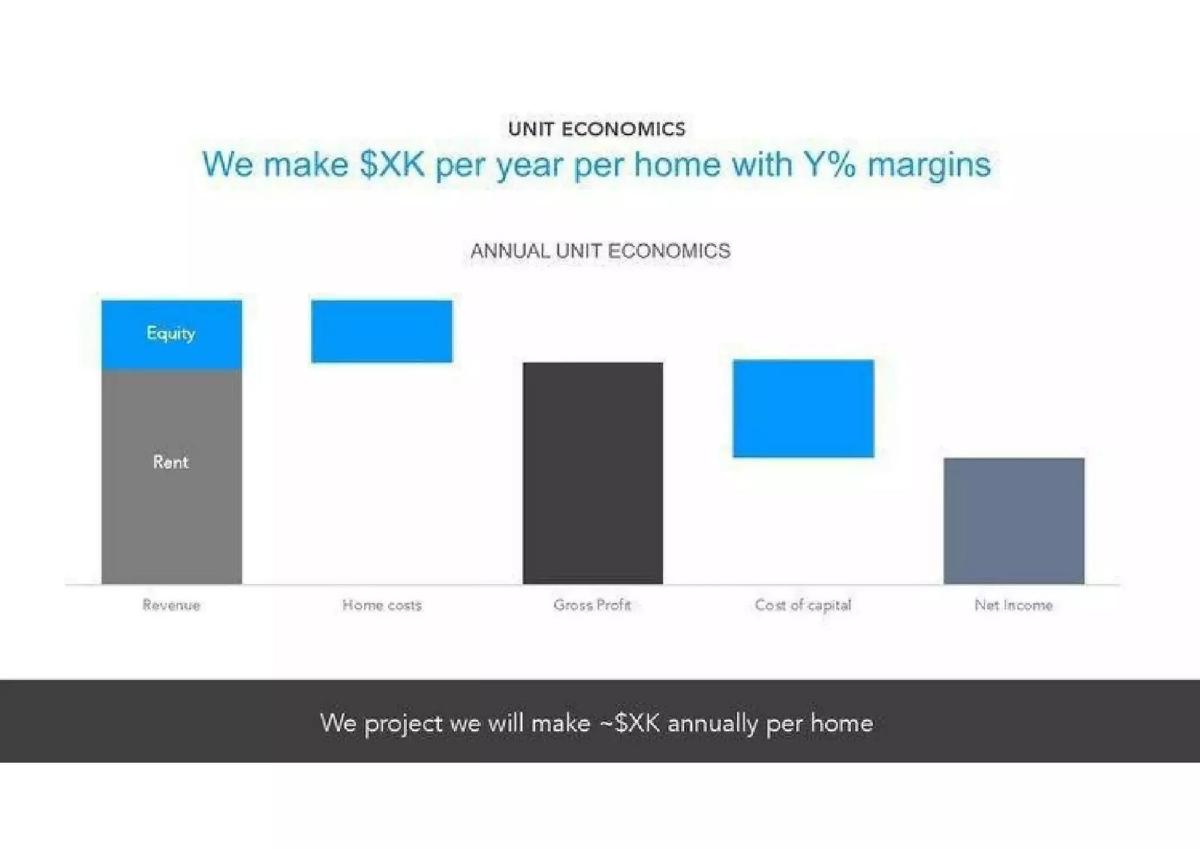
Unit Economics: While the deck mentions 'Higher Yields,' it does not show the actual breakdown of a single transaction. Investors would want to see the spread between the cost of capital, the rent collected, and the equity share given to the resident.
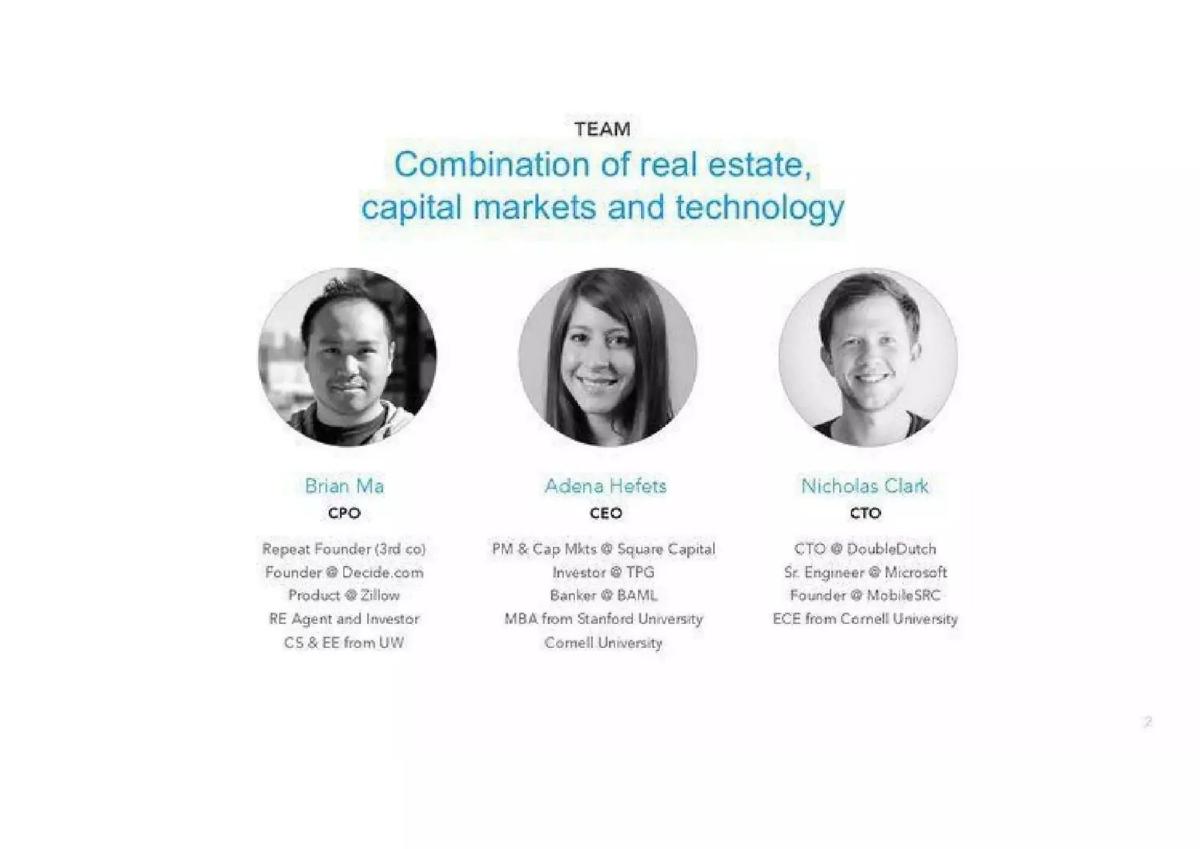
The Team: There is no team slide in this selection. In proptech, the pedigree of the founders (specifically their experience in real estate law, capital markets, and software) is a critical factor in building trust.
Founder Takeaways
Focus on Distribution: If you are building a B2C product in a high-CAC (Customer Acquisition Cost) industry like real estate or insurance, show how you can leverage existing professionals (agents, brokers) to do the selling for you. Divvy’s Slide 8 is a perfect template for this.
Define a New Category: Don't just be a 'better' version of an existing service. Divvy frames itself as a 'new asset class.' This allows them to set their own rules for how they are valued and compared to competitors.
Use Specificity to Build Authority: The inclusion of median home prices for specific cities like Memphis and Cleveland shows that the founders have done the legwork. It transforms a 'national' strategy into a series of calculated local bets.
Frequently asked questions
- What is Divvy's core value proposition according to the deck?
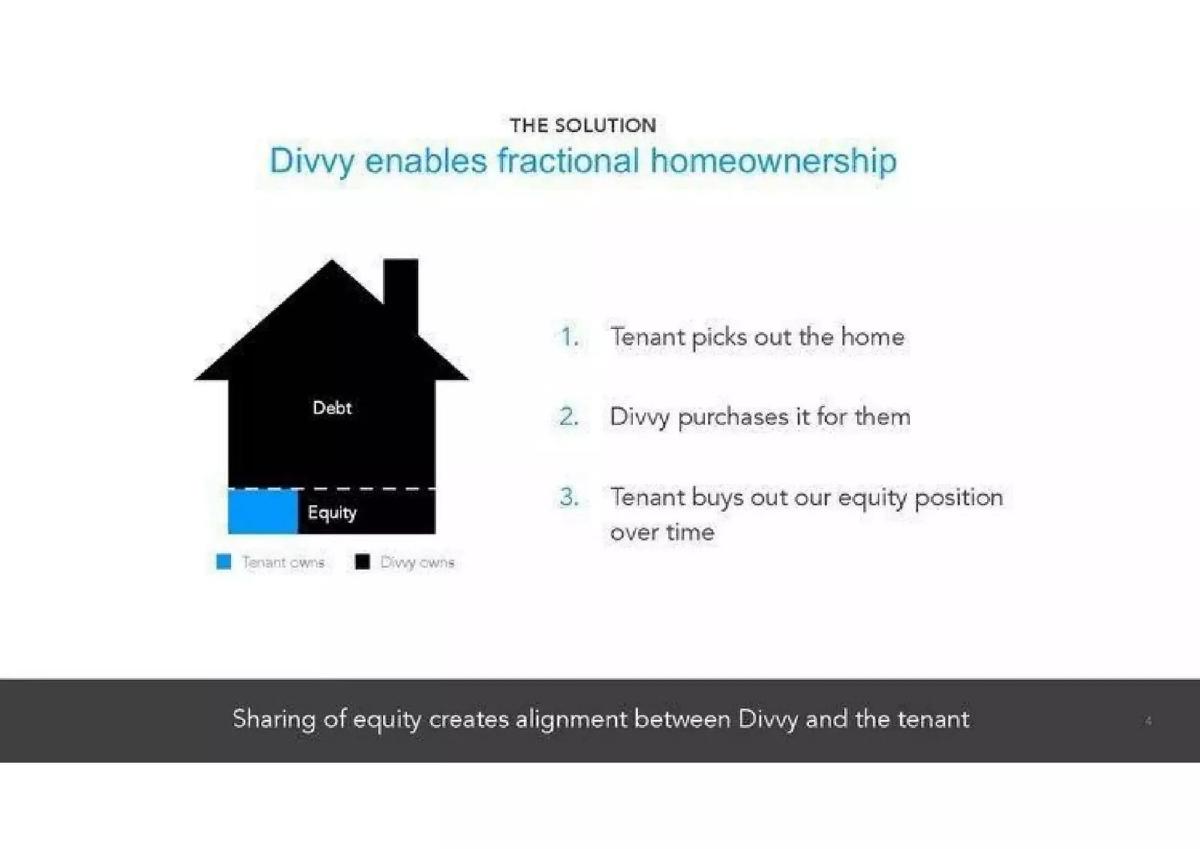
- Divvy defines its mission as providing 'Access to home ownership. For everyone.' (Slide 1). It achieves this by creating a 'fractional homeownership' model where renters can build equity in a home over time, eventually becoming mortgage-ready within three years. The deck argues this model is more efficient than traditional renting because it aligns the interests of the occupant and the owner, leading to lower maintenance costs and fewer defaults.
- How does Divvy acquire customers?
- Divvy uses a B2B2C distribution strategy centered on real estate agents. According to Slide 8, agents are the primary source of referrals. The deck claims that 180 agents refer an average of 7 clients each. This creates a viral loop where agents refer other agents, and the 'traction' of 300 vetted and prequalified referrals serves as proof of concept for new partners joining the platform.
- Which geographic markets does Divvy prioritize?
- Divvy focuses on 'stable, high-yield markets' primarily in the Midwest and South. Slide 10 lists specific cities including Memphis ($120K median price), Indianapolis ($145K), Cleveland ($140K), and Pittsburgh ($140K). The strategy involves entering markets where the median home price is relatively low (under $275K) but the volume of annual home sales is high, ensuring liquidity and predictable yields.
- What role does technology play in Divvy's business model?
- Technology is described as 'core to enabling fractional homeownership' (Slide 5). It is applied across three pillars: Pricing (optimizing rent and appreciation), Underwriting (ensuring tenants are mortgage-ready in 3 years), and Operations (automating offers and managing a property-specific ledger/cap table). This suggests the company views itself as a fintech and data company as much as a real estate firm.
- What are the claimed benefits of the 'Divvy-Occupied' model?
- Slide 13 contrasts 'Divvy-Occupied' homes with 'Renter-Occupied' and 'Owner-Occupied' ones. The company claims its model creates a new asset class characterized by aligned interests, fewer defaults, lower operating costs, and higher yields. By giving the occupant a stake in the home's equity, Divvy aims to reduce the typical 'wear and tear' costs associated with traditional rental properties.