Anja Health’s 9-slide deck is a masterclass in narrative-driven fundraising, leveraging a deeply personal founder story to establish immediate emotional stakes. The deck identifies a significant market gap—the fact that while 20+ states mandate OB/GYNs mention stem cell saving, only 2% of U.S. parents actually bank cord blood (Slide 6). Despite being light on traditional venture capital staples like a team slide, financial projections, or a specific ask, the deck successfully raised $4.5M in 2021. It focuses on the 'why' and the 'who' (via social media sentiment and customer reviews) to valid…
Key takeaways
- The deck leads with a powerful personal 'Origin Story' on Slide 2, connecting the founder's family loss to the company's mission.
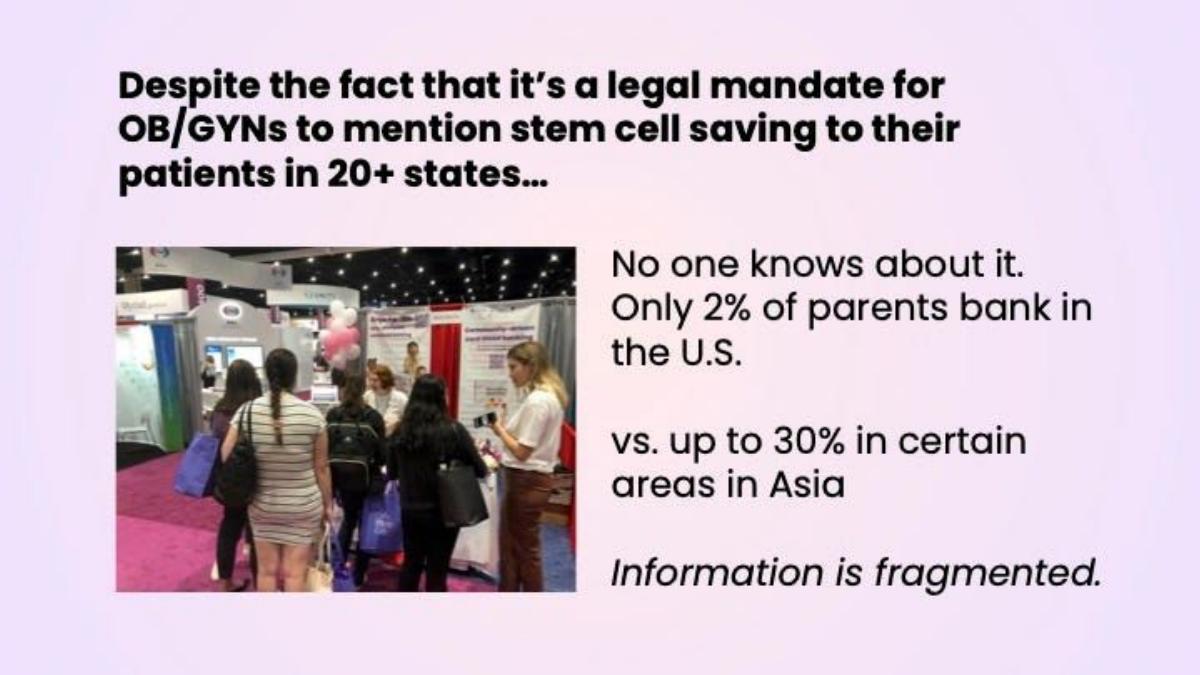
- Slide 6 highlights a massive adoption gap: only 2% of U.S. parents bank cord blood despite legal mandates in 20+ states.
- Market validation is provided through social media sentiment rather than spreadsheets, using TikTok/Instagram comments on Slide 7.
- The deck identifies a specific underserved demographic, noting that people of color lack access to matching stem cells on Slide 3.
- Traditional business slides—including Team, Competition, Financials, and the Ask—are entirely omitted from this 9-slide set.
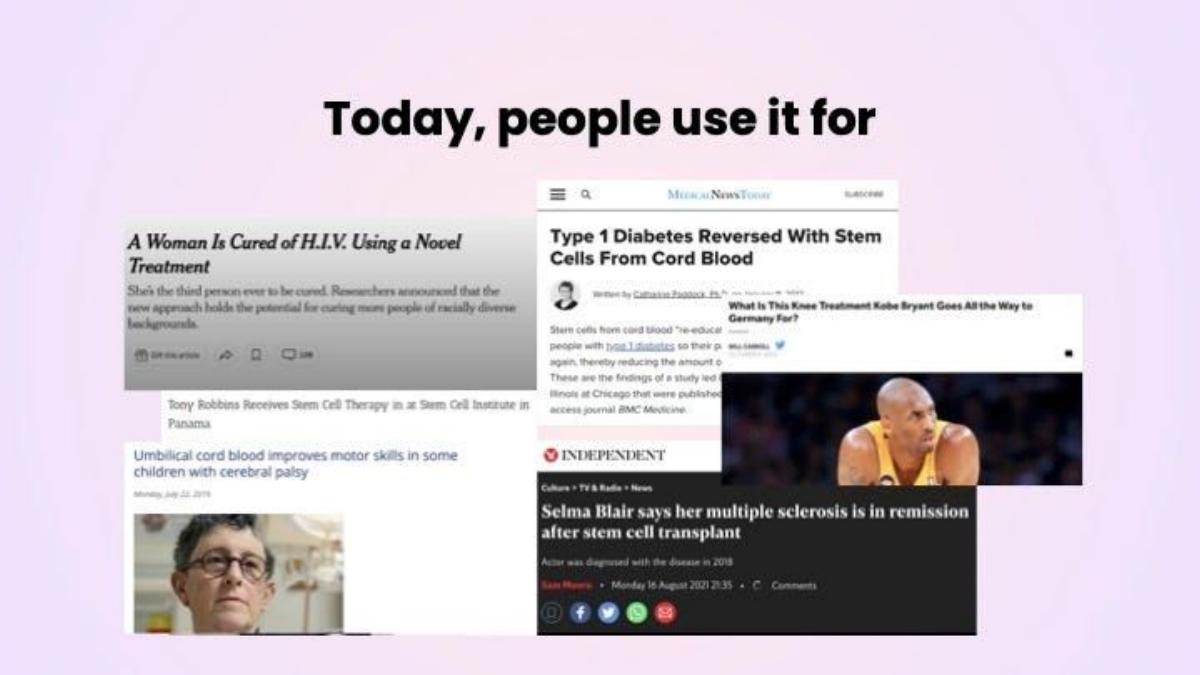
- Slide 5 uses third-party credibility by aggregating news headlines about stem cell breakthroughs in HIV and Diabetes treatment.
- The 'How it Works' section (Slide 8) is purely visual, showing the collection kit and a lab setting without technical text.
- Customer satisfaction is emphasized on Slide 9 through a long-form verified review highlighting 'flawless' communication and affordability.
The Narrative-First Approach to Healthcare Fundraising
The Anja Health pitch deck is a concise, 9-slide presentation that leans heavily on the 'Founder-Market Fit' narrative. In an industry as complex and regulated as healthcare—specifically cord blood banking—investors often look for deep technical moats or massive capital expenditure plans. Anja Health takes a different route, focusing on the accessibility gap and the emotional weight of the service. According to publisher reports, this approach helped secure a $4.5M Seed round in 2021.
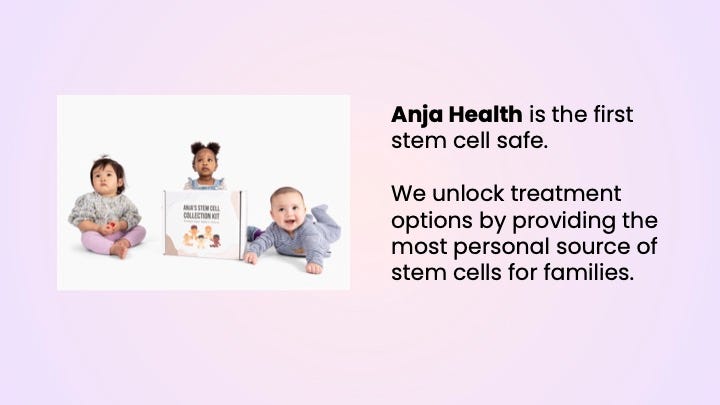
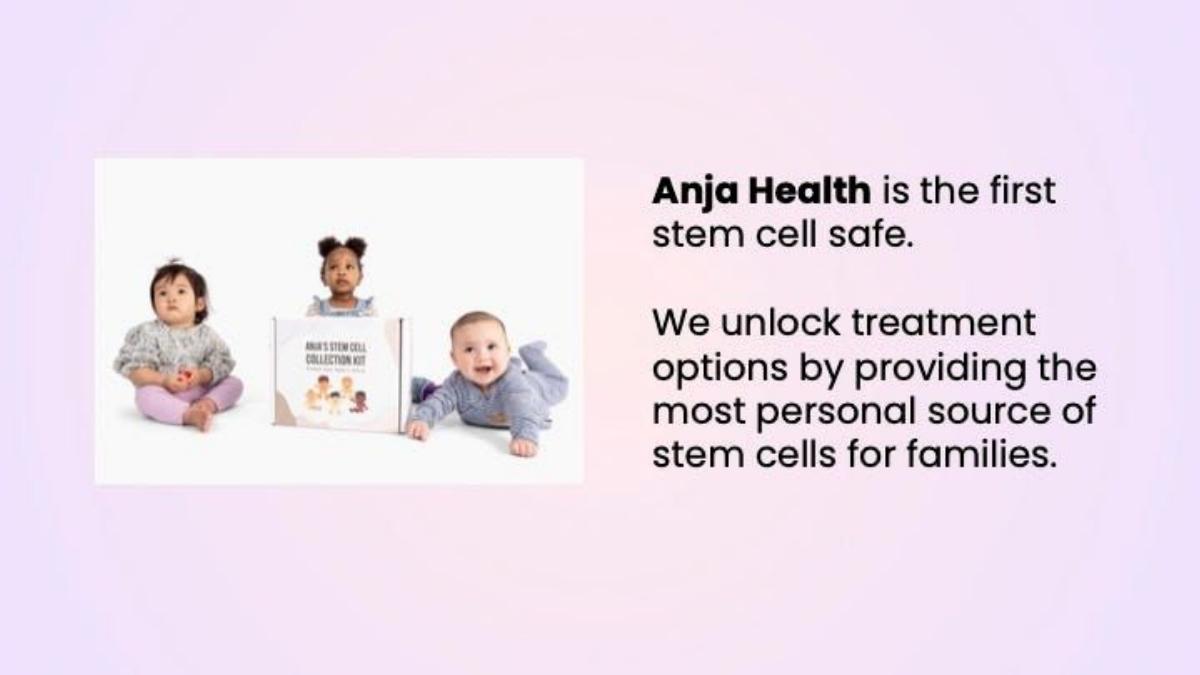
Slide 1: The Vision Statement
The deck opens with a clear, high-level positioning statement: "Anja Health is the first stem cell safe." The use of the word 'safe' instead of 'bank' is a deliberate branding choice, implying protection and security. The slide also introduces the core mission: unlocking treatment options by providing the most personal source of stem cells for families. The imagery is bright and consumer-focused, signaling a D2C (Direct-to-Consumer) approach rather than a sterile clinical one.
Slide 2: The Personal 'Why'
Slide 2 is the emotional anchor of the deck. It details the founder's personal tragedy—losing a brother to cerebral palsy because a cord blood match could not be found. This slide establishes two critical things: the founder's obsession with the problem and the origin of the company name (Anja, in memory of Andrew). In seed-stage fundraising, the 'why' is often as important as the 'how,' and this slide provides a compelling reason for the founder's persistence.
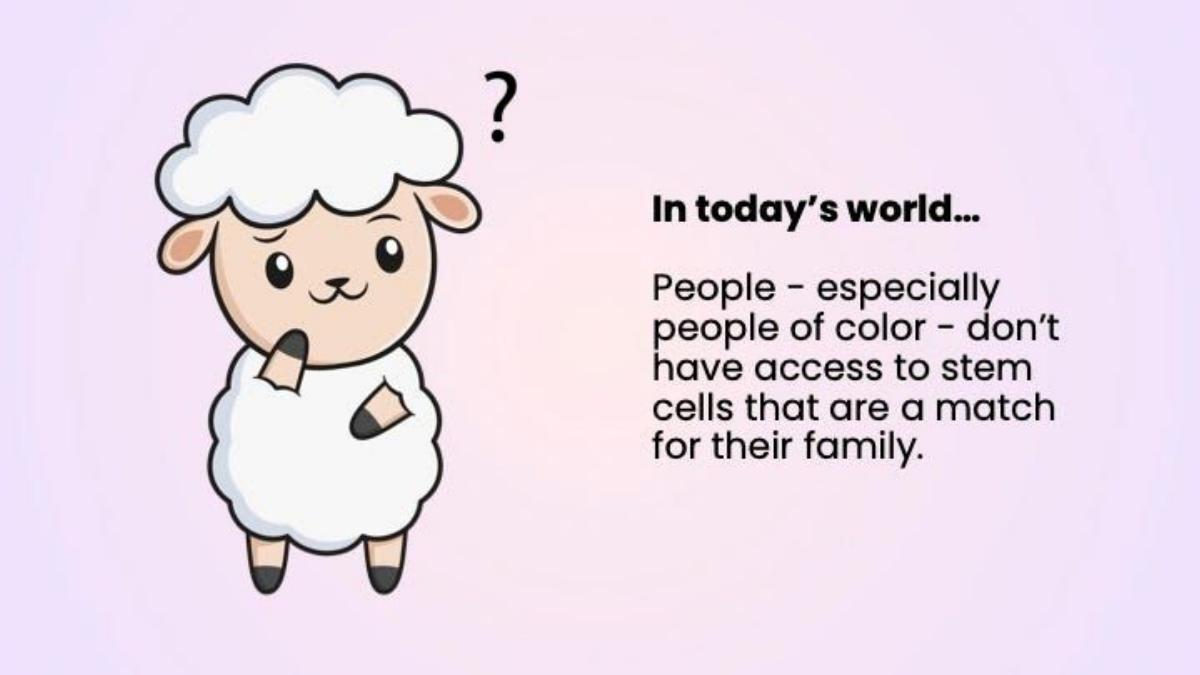
Slide 3: Identifying the Access Gap
Slide 3 moves from the personal to the systemic. It highlights a specific inequity in the current healthcare landscape: "People - especially people of color - don't have access to stem cells that are a match for their family." By identifying this specific pain point, Anja Health positions itself not just as a luxury service for the wealthy, but as a necessary utility for a diverse population that is currently underserved by existing public and private banks.
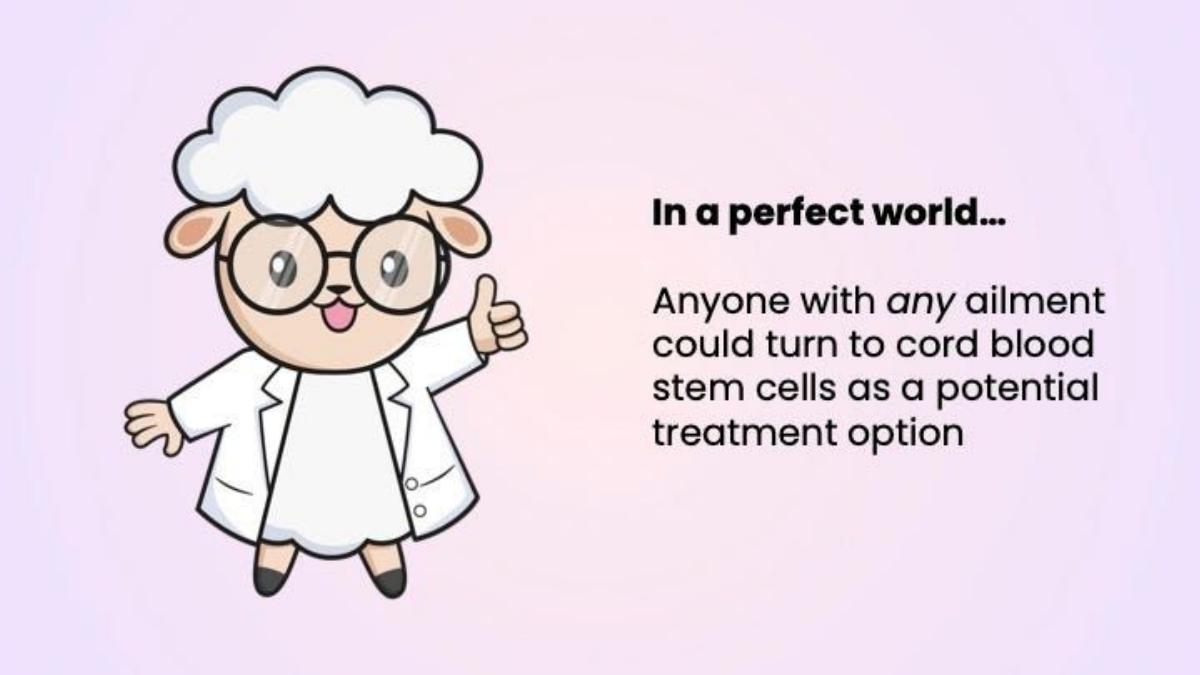
Slide 4 & 5: The Potential of the Science
Slide 4 presents the 'Perfect World' scenario where cord blood is a universal treatment option. Slide 5 backs this up with 'Today's Reality,' using a collage of headlines from reputable sources like Medical News Today and The Independent. The headlines mention stem cells being used to treat HIV, Type 1 Diabetes, and Multiple Sclerosis, and even mention high-profile figures like Kobe Bryant and Selma Blair. This serves as external validation for the underlying science without requiring the deck to include dense clinical trial data.
Slide 6: The Market Opportunity and Legal Tailwinds
This is the most data-dense slide in the deck. It points out a massive discrepancy: "Only 2% of parents bank in the U.S. vs. up to 30% in certain areas in Asia." Furthermore, it notes that it is a "legal mandate for OB/GYNs to mention stem cell saving to their patients in 20+ states." This identifies a 'broken' market where the law requires awareness, yet adoption remains incredibly low due to fragmented information. For an investor, this represents a clear opportunity for a brand to step in and capture the 98% of the market that is currently untapped.
Slide 7: Social Proof and Latent Demand
Rather than showing a revenue chart, Slide 7 uses a collage of social media comments (likely from TikTok or Instagram). Comments like "man im too late," "I wish I knew this before," and "why isn't this a well known thing" serve as qualitative evidence of product-market fit. It demonstrates that the problem isn't a lack of interest, but a lack of timely information and accessibility.
Slide 8: The Product and Process
The 'How it works' slide is minimalist. It features a 3D render of the collection kit, a cartoon mascot, and a photo of a lab technician. While it lacks a step-by-step breakdown of the logistics (shipping, processing, storage), it reinforces the brand's friendly, approachable aesthetic. It suggests that the complexity of the lab work is handled seamlessly by the company, keeping the user experience simple for the parents.
Slide 9: The Value Proposition and Customer Voice
The final slide reiterates the opening mission and lists seven key pillars: Community-driven, Maximizing stem cell count, Education, Information, Affordability, Convenience, and Making birth better. A long-form verified review is included, which specifically praises the company's communication and its willingness to serve rural areas without charging "an insane amount." This addresses potential investor concerns about logistics and pricing head-on through the voice of a customer.
What Works in This Deck
Emotional Resonance: The founder's story on Slide 2 is impossible to ignore. It creates an immediate sense of purpose that differentiates the company from purely profit-driven competitors.
Market Gap Identification: Slide 6 is the strongest business argument in the deck. By contrasting the 2% U.S. adoption rate with the 30% rate in Asia and the 20+ state legal mandates, the founders present a compelling case for a market that is ripe for disruption through better marketing and education.
Social Validation: The use of social media comments on Slide 7 is a clever way to show demand in a pre-revenue or early-revenue stage. It proves that the target demographic (expecting parents) is actively looking for this solution.
What is Missing from the Anja Health Deck
The Team Slide: This is a significant omission. In a healthcare startup, investors typically want to see medical advisors, lab directors, or founders with specific regulatory or logistical expertise. The deck relies entirely on the founder's personal narrative without detailing their professional background or the team supporting them.
Financials and Unit Economics: There are no mentions of the cost to acquire a customer (CAC), the lifetime value of a storage contract (LTV), or current revenue. While the deck mentions 'affordability,' it doesn't define the price point or the margins.
Competition: The deck mentions that information is 'fragmented,' but it does not name or analyze existing private cord blood banks. Investors would need to know how Anja plans to compete with established players who have significantly more capital and infrastructure.
The Ask: The deck does not state how much money is being raised, the valuation, or how the funds will be allocated (e.g., marketing vs. lab infrastructure). While this information is often shared in a separate document or during the pitch, its absence in the deck leaves the 'next steps' unclear.
What Other Founders Can Copy
The 'Perfect World' vs. 'Today's World' Framework: Slides 3 and 4 effectively bridge the gap between the current problem and the future solution. This is a classic storytelling device that helps investors visualize the impact of the company.
Leveraging External Credibility: If your startup relies on complex science that you don't have time to explain in 10 minutes, use Slide 5's strategy. Curate headlines from trusted publications that validate the industry's growth and the technology's efficacy.
Focusing on the 'Why': For seed-stage companies, the founder's connection to the problem is a primary asset. Anja Health leans into this, making the company feel like a mission rather than just a business, which can be a powerful tool for attracting early-stage 'true believer' investors.
Frequently asked questions
- Does the Anja Health deck include a slide for the founding team?
- No. The 9-slide deck provided does not feature a dedicated team slide. While the founder’s personal story is central to Slide 2, there is no mention of co-founders, advisors, or the broader executive team’s professional backgrounds.
- What market statistics are used to justify the business opportunity?
- Slide 6 provides the primary market data, stating that only 2% of parents in the U.S. bank cord blood, compared to up to 30% in certain areas of Asia. It also notes that OB/GYNs are legally mandated to mention the service in over 20 states.
- How does Anja Health demonstrate product-market fit in this deck?
- Instead of a traction graph, Slide 7 displays a collage of social media comments from potential customers expressing regret for missing the window to bank or frustration over the lack of information, suggesting high latent demand.
- What is the primary value proposition mentioned in the slides?
- The deck emphasizes 'affordability,' 'convenience,' and 'education.' Slide 9 specifically lists these as core pillars, alongside 'maximizing stem cell count via lab processes' and being 'community-driven.'
- Is there a specific dollar amount requested in the deck?
- No. The provided 9-slide deck does not include an 'Ask' slide or any details regarding the terms of the investment round, though publisher reports indicate the company raised $4.5M.