Centric Health (TSX: CHH) presents a compelling case for market consolidation within the Canadian specialty pharmacy sector, specifically targeting long-term care and retirement homes. The April 2020 presentation highlights a significant jump in Adjusted EBITDA from $9.2 million in FY 2018 to $15.0 million in FY 2019, representing a 62.7% increase. A central pillar of their growth strategy is the acquisition of Remedy’sRx, which adds approximately 18,500 beds to their portfolio. By positioning themselves as an essential service provider during the COVID-19 pandemic and leveraging a stabilized…
Key takeaways
- Centric Health reported a 62.7% increase in Adjusted EBITDA, reaching $15.0 million in FY 2019 (Slide 13).
- The acquisition of Remedy’sRx Specialty Pharmacy Business adds approximately 18,500 beds to Centric’s count (Slide 19).
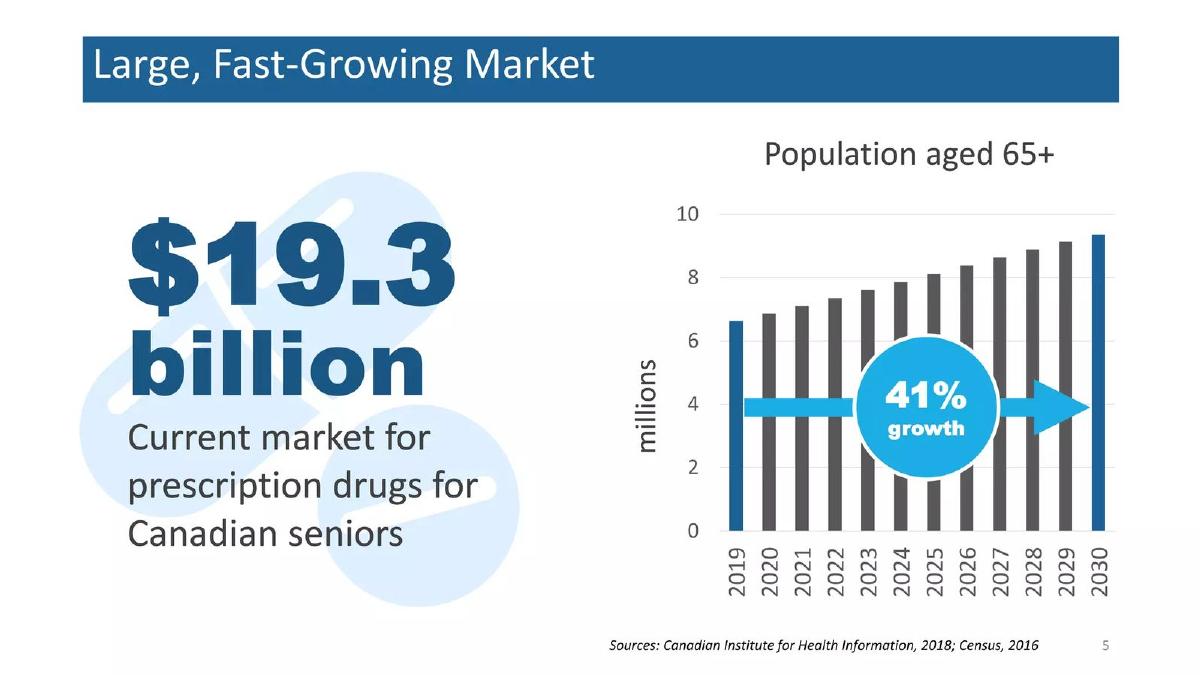
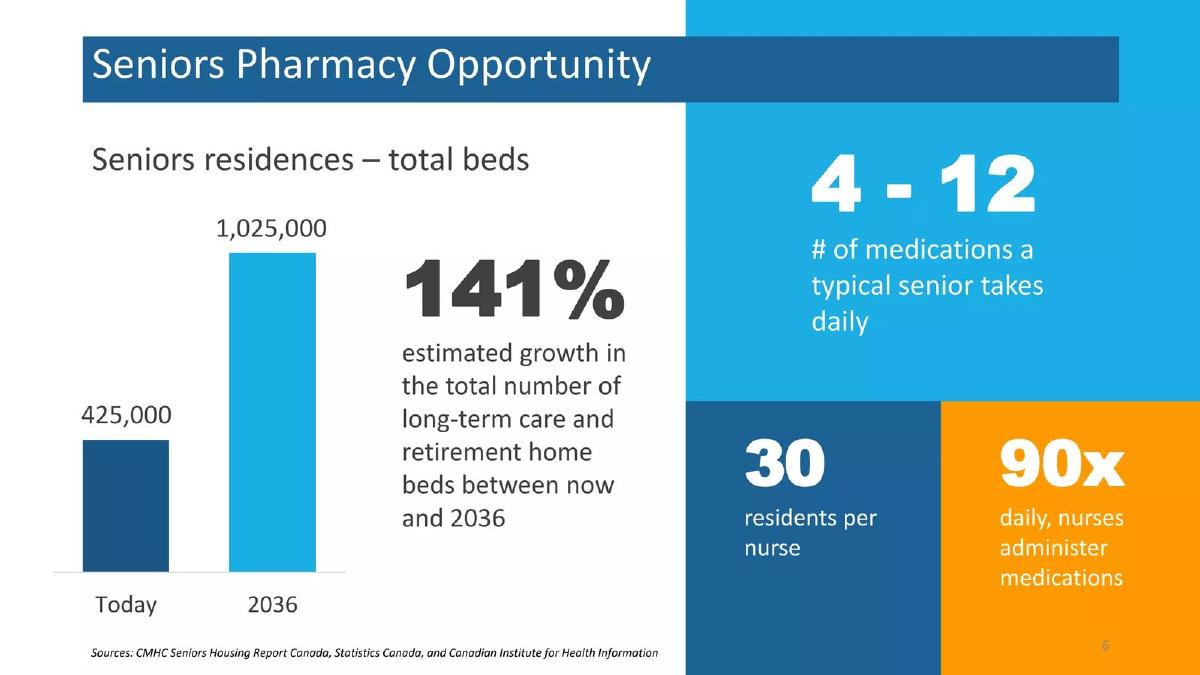
- The combined Centric + Remedy entity holds an 11.7% market share with 50,000 beds out of a total market of 425,000 (Slide 22).
- Revenue for the Specialty Pharmacy segment grew by 4.8% to $124.6 million in FY 2019 (Slide 13).
- Management identifies over 45,000 new beds up for RFPs in the next 18 months as a primary growth opportunity (Slide 10).
- Regulatory clarity is supported by funding agreements in Ontario and Alberta running until 2024 and 2022, respectively (Slide 16).
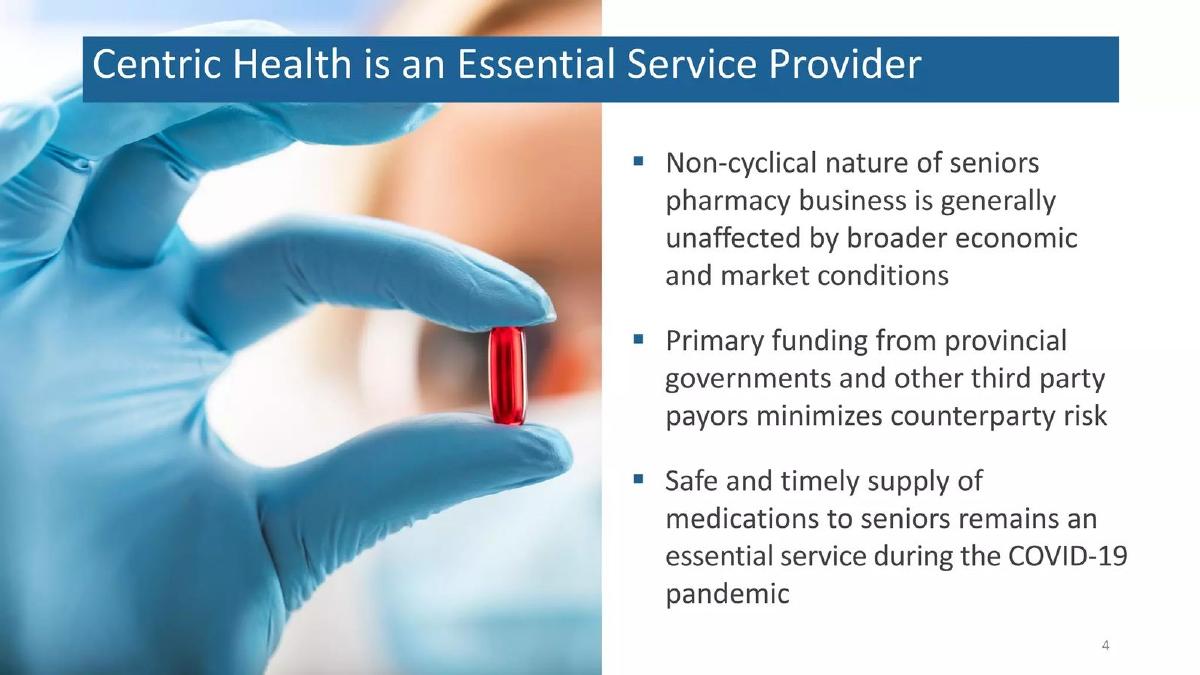
- The business model is described as non-cyclical, with primary funding coming from provincial governments and third-party payors (Slide 4).
- The deck lacks a specific 'Ask' slide or a detailed breakdown of the management team within the provided 9 slides.
Centric Health: A Case Study in Sector Consolidation
The April 2020 investor presentation for Centric Health (TSX: CHH) serves as a strategic roadmap for a company transitioning from a regional player to a national leader in the Canadian specialty pharmacy space. At the time of this deck, the company was navigating the early stages of the COVID-19 pandemic while simultaneously executing a major acquisition. The narrative is built on three pillars: essential service stability, operational efficiency, and aggressive M&A.
Slide 1: Title and Context
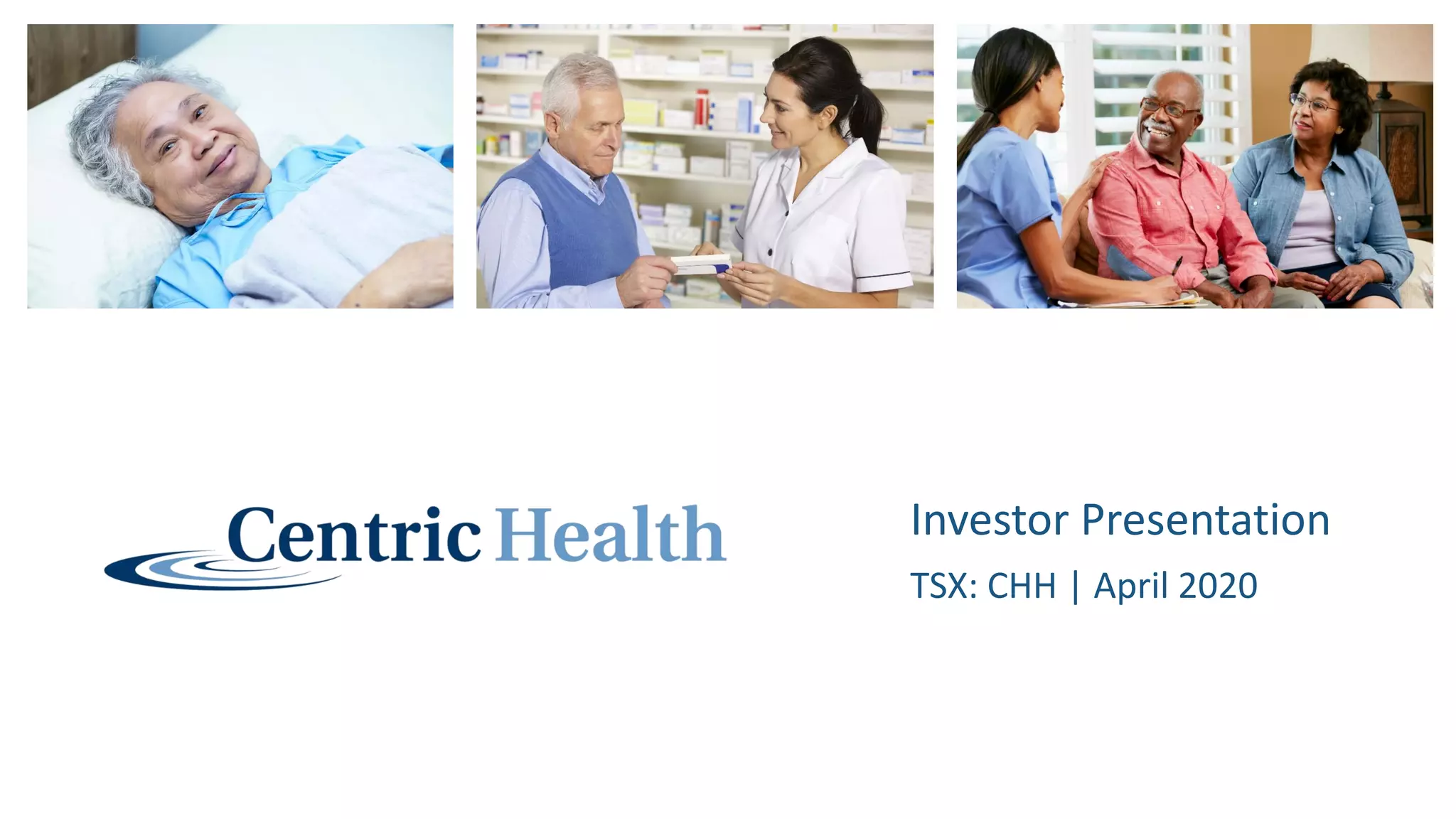
The cover slide establishes Centric Health as a publicly traded entity on the TSX under the symbol CHH. The imagery—seniors receiving care and interacting with pharmacists—immediately identifies the target demographic. The date, April 2020, is crucial context, as the healthcare sector was under intense scrutiny and pressure during this period.
Slide 4: The Essential Service Value Proposition
Slide 4 addresses the macroeconomic environment head-on. By labeling itself an "Essential Service Provider," Centric Health aims to de-risk the investment for shareholders. The slide lists three key defensive characteristics: the non-cyclical nature of seniors' pharmacy, the reliability of provincial government funding which "minimizes counterparty risk," and the continued demand for medication supply during the COVID-19 pandemic. This is a classic defensive play, positioning the stock as a safe harbor during market volatility.
Slide 7: Operational Capabilities
Titled "Best-in-Class Institutional Pharmacy Capabilities," this slide focuses on the 'how' of the business. It mentions "high volume solutions" and "multi-dose compliance packaging." The visual shows a strip of packaged pills, which is a standard efficiency tool in institutional settings to reduce medication errors and labor costs. The slide emphasizes that their model requires "proximity, efficiency, accuracy... and innovation," though it stops short of explaining exactly what their proprietary innovation is.
Slide 10: Organic Growth and RFP Pipeline
Centric Health outlines its path for increasing "Beds Under Care." The strategy involves two prongs: increasing penetration in currently serviced homes and winning new Request for Proposals (RFPs). The most significant data point here is the mention of "Over 45,000 new beds are up for RFPs in the next 18 months." This provides a tangible, near-term target for organic growth and demonstrates a clear understanding of the market's sales cycle.
Slide 13: Financial Performance (FY 2018 vs. FY 2019)
This is the core 'proof of concept' slide. It shows a modest revenue increase from $118.9 million to $124.6 million (4.8%). However, the real story is in the Adjusted EBITDA, which jumped from $9.2 million to $15.0 million, a 62.7% increase. This disparity between revenue growth and EBITDA growth suggests that Centric Health has successfully optimized its cost structure or integrated previous acquisitions effectively, leading to significant margin expansion.
Slide 16: Regulatory Clarity
For healthcare companies, regulatory risk is often the biggest hurdle. Slide 16 attempts to neutralize this concern by detailing a "Stabilized Funding Regime." It lists three major regulatory changes in Canada (Pan-Canadian, Alberta, and Ontario) and, crucially, provides the "Term" for each. With agreements running through 2022, 2023, and 2024, the company argues that it has a predictable revenue environment for the foreseeable future.
Slide 19: The Remedy’sRx Acquisition
This slide highlights a major milestone: the signed definitive agreement (March 23rd) to acquire Remedy’sRx Specialty Pharmacy Business. The acquisition adds approximately 18,500 beds. It also mentions a "tuck-in acquisition" by Remedy's for an additional 800 beds. This slide transforms the company's scale, moving it from a mid-sized player to a dominant market force.
Slide 22: Market Leadership and Share
Slide 22 visualizes the impact of the acquisition. In a total market of 425,000 beds, the combined "Centric + Remedy" entity controls 50,000 beds, or 11.7% of the market. This places them ahead of "Competitor A" (35,000 beds), "Competitor B" (30,000 beds), and "Competitor C" (18,000 beds). The chart also highlights the fragmentation of the market, with 68.7% ("All others") still up for grabs, reinforcing the consolidation thesis.
Slide 25: Summary and Investment Thesis
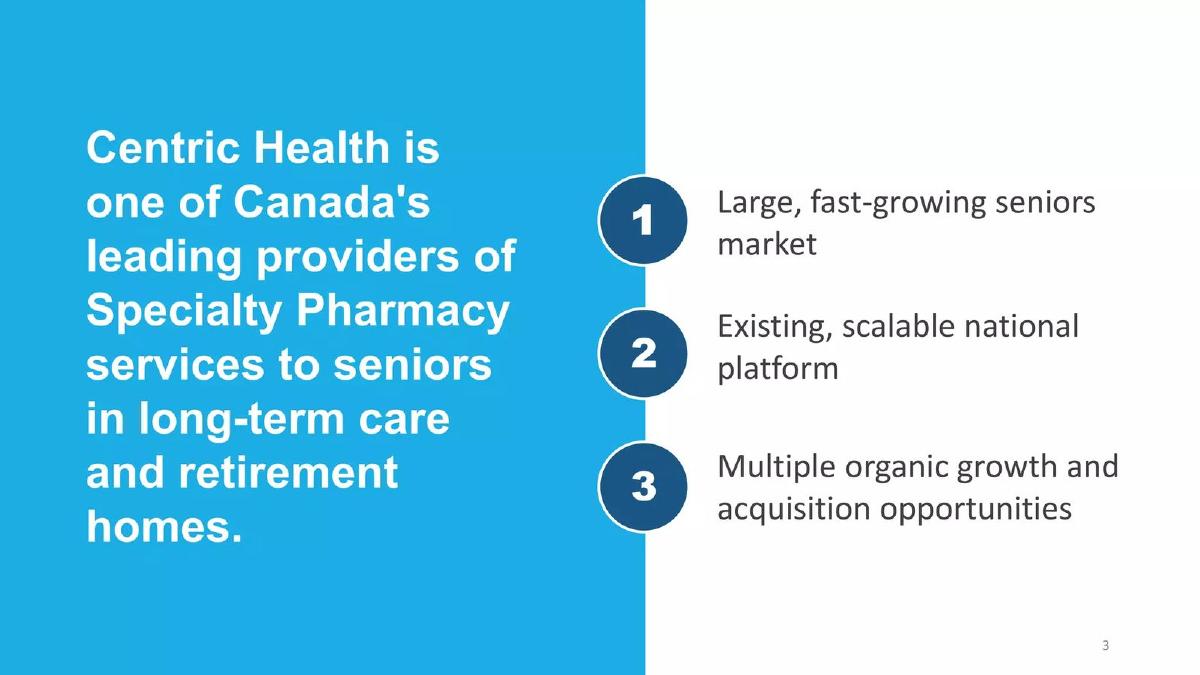
The final slide in this selection distills the presentation into three points: a large and fast-growing market, a scalable national platform, and a clear path for both organic and inorganic growth. It directs investors to their website for further information.
What Works in This Deck
The deck is exceptionally strong at identifying and mitigating specific investor fears. By detailing the exact expiration dates of government funding agreements (Slide 16), they address reimbursement risk. By showing EBITDA growth outstripping revenue growth (Slide 13), they prove operational leverage. The use of a competitor comparison table (Slide 22) clearly defines their new status as the market leader following the Remedy'sRx deal. The narrative is logical: the market is growing, the rules are set for the next few years, and we are now the biggest player in a fragmented space.
What is Missing
While the 9 slides provided cover the strategic and financial highlights, there are notable omissions common in these types of corporate presentations. There is no detailed breakdown of the management team’s track record in M&A, which is vital for a consolidation play. There is also a lack of specific unit economics—for example, the average revenue or EBITDA generated per bed. Finally, while the deck mentions "innovation," it does not detail any proprietary technology or software that gives them a competitive moat beyond simple scale.
Founder Takeaways
Quantify the Pipeline: Don't just say you are growing; give a specific number of opportunities (like the 45,000 beds in Slide 10) and a timeline. · Address Regulatory Risk Directly: If your industry is governed by specific laws or funding models, create a table showing when those rules were set and when they expire to prove stability. · Show Operating Leverage: Investors love to see EBITDA growing faster than revenue. It proves that your business gets more efficient as it gets bigger. · Visualize the 'After' State: When announcing an acquisition, use a market share chart (like Slide 22) to show exactly how the deal changes your competitive standing.
Frequently asked questions
- What is Centric Health's primary market focus?
- Centric Health focuses on the institutional pharmacy market in Canada, specifically providing chronic medication and specialty clinical care services to residents in long-term care and retirement homes. As shown on Slide 10, their strategy involves increasing penetration within existing homes and winning new RFPs from national and regional home operators.
- How did the acquisition of Remedy’sRx impact their market position?
- The acquisition was a transformative move that added roughly 18,500 beds to their operations. According to Slide 22, this brought their total bed count to 50,000, giving the combined entity an 11.7% market share and making them the largest single player compared to identified competitors A, B, and C.
- What are the key financial trends highlighted in the deck?
- The deck highlights strong margin improvement. While revenue grew at a modest 4.8% between 2018 and 2019, Adjusted EBITDA grew significantly faster at 62.7%. This suggests that the company is successfully leveraging its existing operations and achieving better economies of scale as it expands its bed count (Slide 13).
- How does the regulatory environment affect Centric Health?
- Slide 16 details a 'Stabilized Funding Regime' which provides predictability. Key agreements include the Pan-Canadian Generic Drug Pricing Agreement (to 2023) and specific provincial funding models in Alberta (to 2022) and Ontario (to 2024). These long-term agreements reduce the risk of sudden reimbursement changes that could impact margins.
- What is the stated growth strategy moving forward?
- The strategy is three-fold: organic growth through RFP wins (targeting 45,000 upcoming beds), scaling their national platform to improve efficiency, and pursuing further acquisition opportunities. Slide 25 summarizes these points, emphasizing the large, fast-growing seniors market as the underlying tailwind for the business.