Energy Floors (Zero Point Energy Pvt Ltd) addresses the significant energy demand-supply gap in India, specifically citing a 15.2% deficit in the Southern Region on slide 2. The company proposes a suite of kinetic energy harvesting tiles, ranging from basic models to solar-integrated versions, with peak power outputs between 15W and 90W as shown on slide 6. While the deck provides granular technical specifications—including IP67 water and dust resistance and a 200kg weight limit per module (slide 7)—it lacks a specific investment ask or a clear breakdown of current traction. The 3-year financ…
Key takeaways
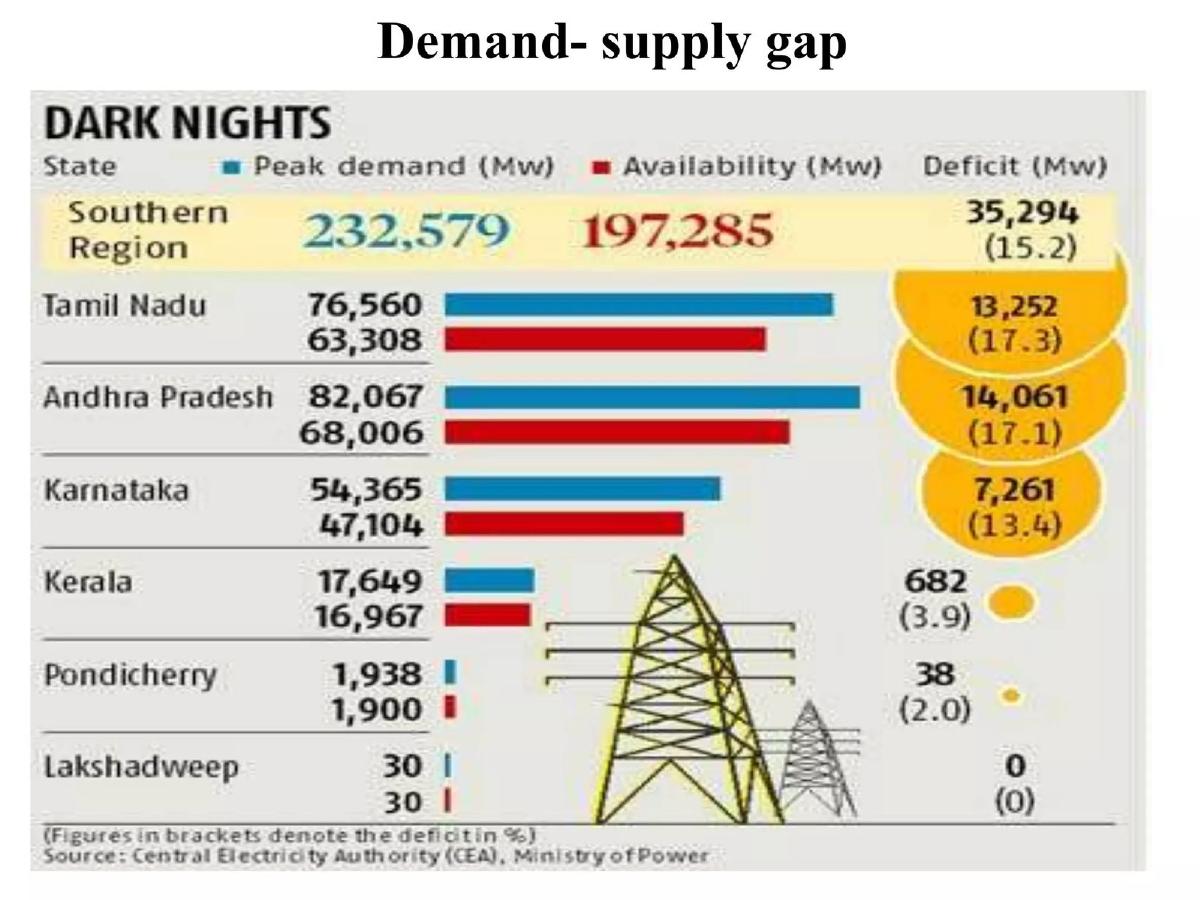
- The deck identifies a massive energy deficit in India, noting a 35,294 MW gap in the Southern Region alone (Slide 2).
- The product line includes five distinct tile types: SDF, SEF basic, SEF led, SEF car, and SEF solar (Slide 6).
- Technical specs indicate a robust hardware design with IP67 certification and a maximum input force of 5kN (Slide 7).
- The 'SEF solar' tile is the highest performer in the range, offering a peak power output of 90W per step (Slide 6).
- Go-to-market strategy targets high-traffic areas including staircases, skywalks, roads, and entry/exit gates (Slide 5).
- Financial projections anticipate unit selling prices dropping from 1.5 lakh to 1.1 lakh as volume increases to 1,000 tiles (Slide 8).
- The team includes international outreach coordinators for the UK and Switzerland, suggesting global ambitions (Slide 9).
- The deck omits a specific funding request, valuation, or use-of-funds breakdown (Slide 1-10).
Executive Summary: A Hardware Solution for India's Power Crisis
Zero Point Energy Pvt Ltd, operating under the brand Energy Floors, presents a pitch deck focused on solving India's chronic power shortages through decentralized kinetic energy harvesting. The deck is heavily weighted toward technical specifications and market potential within the Indian subcontinent, specifically highlighting the Southern Region's energy deficit. While the hardware appears well-engineered with multiple variants for different use cases, the deck follows a traditional 'product-first' structure, leaving significant questions regarding business traction and the specific investment opportunity.
Slide 1: Title and Branding
The cover slide features the company name, Zero Point Energy Pvt Ltd , and the tagline "Redefining energy conservation modes." The visual uses a spotlight motif with the phrase "Let there be..." which sets a dramatic tone but offers little information about the specific technology or industry sector. The ZPE logo is visible in the bottom right corner.
Slide 2: The Problem - Demand-Supply Gap
This slide establishes the market need using data from the Central Electricity Authority (CEA), Ministry of Power. It highlights "Dark Nights" in India, specifically focusing on the Southern Region. The slide notes a peak demand of 232,579 MW against an availability of 197,285 MW, resulting in a 35,294 MW deficit (15.2%) . Individual state breakdowns for Tamil Nadu, Andhra Pradesh, Karnataka, Kerala, Pondicherry, and Lakshadweep are provided to emphasize the scale of the energy crisis.
Slide 3: The Solution - System Flow Chart
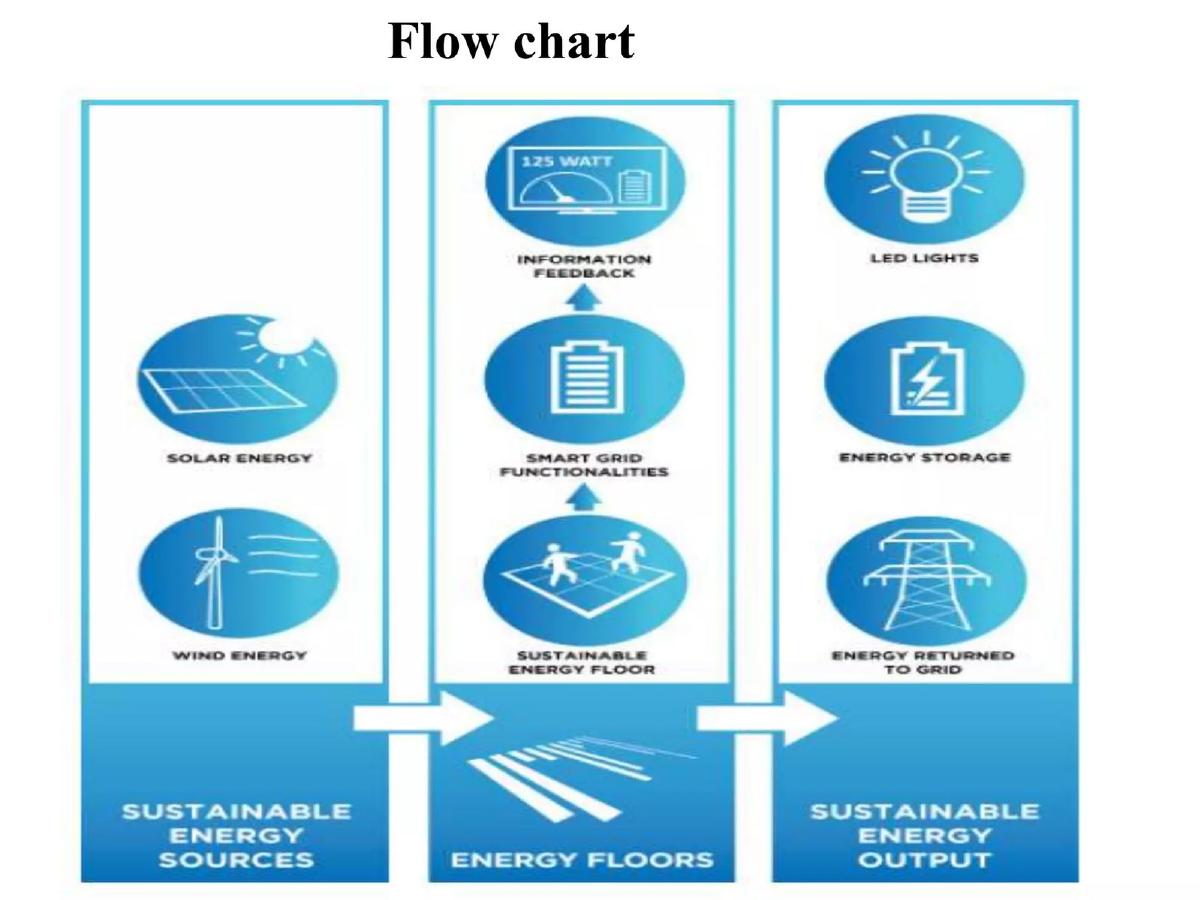
The company illustrates its ecosystem through a three-stage flow chart: Sustainable Energy Sources , Energy Floors , and Sustainable Energy Output . The diagram shows that Energy Floors sit between sources like Solar and Wind and outputs like LED lights and the grid. Notably, it includes "Smart Grid Functionalities" and "Information Feedback" (125 Watt), suggesting a software layer for monitoring energy production.
Slide 4: Renewable Energy Status in India
This slide provides context on the broader renewable landscape in India. It lists five categories: Solar, Wind, Biomass/Bagasse, Small Hydro, and Waste to Energy. For each, it compares "Potential" vs. "Installed" capacity. For example, Solar is listed with a potential of 100,000 MW but only 2,647 MW installed. This slide serves to show that while the government is pushing renewables, there is a massive untapped gap that Energy Floors intends to fill.
Slide 5: Go-to-Market Strategy
The company identifies four primary installation environments for their kinetic tiles:
Stair cases: Utilizing foot traffic in transit hubs or office buildings. · Sky walks: Capturing energy from high-density pedestrian walkways. · Roads: A specialized tile designed to harvest energy from vehicle movement. · Entry/Exit Gates: Capturing energy at bottlenecks in public infrastructure.
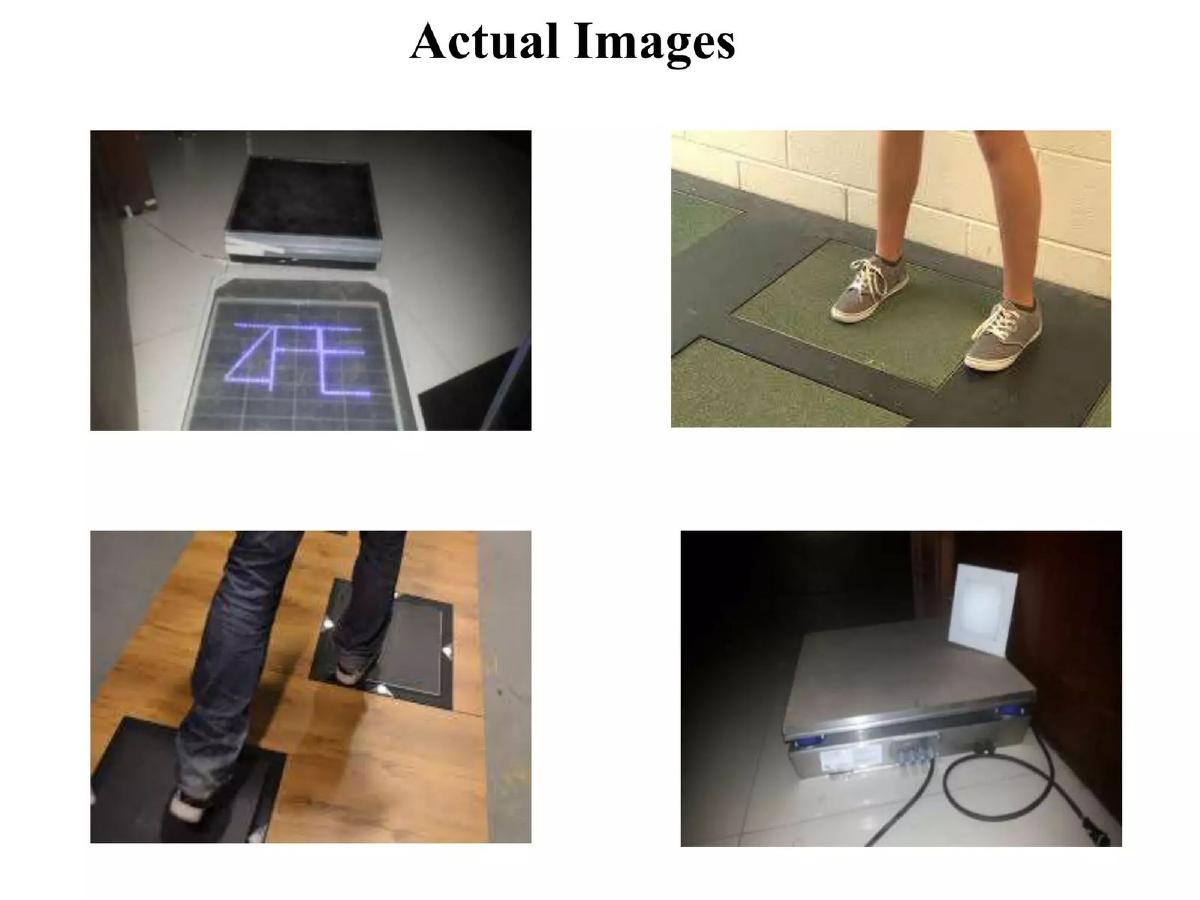
The images provided appear to be a mix of 3D renders and potential pilot photographs.
Slide 6: Product Range and Performance Metrics
This is a critical technical slide that breaks down five product variants: SDF , SEF basic , SEF led , SEF car , and SEF solar . The power output per step (Peak / Average) is detailed for each:
SDF: 30 / 10 W · SEF basic: 15 / 6 W · SEF led: 15 / 6 W · SEF car: 50 / 20 W · SEF solar: 90 / 45 W
The inclusion of a solar-integrated tile (SEF solar) significantly boosts the potential output per square meter.
Slide 7: Detailed Product Information
This slide provides the engineering specifications required for industrial or municipal procurement. The dimensions are standardized at 750mm x 750mm x 115mm , with weights ranging from 15-45 KG . Electrical specs mention 24VDC output. Crucially for outdoor infrastructure, the tiles are rated IP67 (water and dust resistant) and comply with CE, RoHS, and WEEE standards. The maximum force limitation is stated as 200kg per module.
Slide 8: 3-Year Financial Projection
The financial table outlines a growth trajectory from Year 0 to Year 2. The figures are stated in lakh (1 lakh = 100,000 INR).
Year 0: 300 tiles sold at 1.5 lakh each, totaling 450 lakh in revenue. Production cost is 1 lakh per tile. · Year 1: 600 tiles sold at 1.3 lakh each, totaling 780 lakh in revenue. · Year 2: 1,000 tiles sold at 1.1 lakh each, totaling 1,100 lakh in revenue.
The slide also lists "indicative figures" for Marketing expenditure (60-80 lakh), Logistics (12-30 lakh), and Installation (50-70 lakh). The decreasing unit price suggests an assumption of economies of scale.
Slide 9: The Team
The team slide lists seven members with their designations and expertise:
Parth Majumdar (Director): 2 decades of business experience. · Mandar Tulankar (Director): Over half a decade of research experience. · Mahantesh Kamat (Tech Lead): 4 years of product development experience. · Praveen Kumar (Designer): 4 years of design experience. · Ninad Bhalerao (CA): Over half a decade as a financial consultant. · Rami Alfasos & Paola Schultz: International outreach for the UK and Switzerland, respectively.
Slide 10: Conclusion
The final slide is a simple "Thank you" on a white background. There is no call to action, contact information, or summary of the investment opportunity on this slide.
What Works Well in This Deck
Granular Technical Data: Unlike many early-stage hardware decks that remain vague about performance, Zero Point Energy provides specific wattage outputs for different use cases (Slide 6). This allows a technical reviewer to immediately calculate the potential ROI of an installation based on traffic volume.
Clear Market Pain Point: Slide 2 does an excellent job of localizing the problem. By citing specific MW deficits in Indian states, the founders move away from the generic "the world needs green energy" argument and toward a specific, urgent utility crisis that their product can help mitigate.
Standardization: The commitment to IP67 ratings and CE/RoHS compliance (Slide 7) is vital for hardware startups. It signals that the product is not just a lab prototype but is being built to international industrial standards.
What Is Missing from the Deck
The Ask: The most glaring omission is the lack of a funding request. There is no mention of how much capital the company is seeking, the valuation, or how the funds will be allocated (e.g., R&D, manufacturing setup, or sales). Without this, the deck functions more as a sales brochure than a fundraising tool.
Traction and Case Studies: While the financial projections are detailed, they are labeled as "indicative." The deck does not explicitly state if the 300 tiles in "Year 0" have already been sold or if that is the starting goal. Real-world data from a pilot program—showing actual energy generated over a month—would significantly strengthen the pitch.
Competitive Landscape: Kinetic flooring is a known space with established players like Pavegen. The deck fails to mention competitors or explain why Zero Point Energy’s solution is superior, whether through cost (the lakh-based pricing suggests a competitive price point for the Indian market) or efficiency.
Unit Economics: While production costs are mentioned on Slide 8, a deeper dive into the Gross Margin per tile and the payback period for a customer (how long it takes for the energy savings to cover the 1.5 lakh cost) is missing.
Founder Takeaways: Lessons from Energy Floors
1. Align Product Variants to Customer Segments: The differentiation between "SEF basic" and "SEF car" is a smart move. Founders should follow this example by showing how their core technology can be adapted to different price points and physical environments rather than offering a one-size-fits-all solution.
2. Use Localized Data for Global Problems: If you are solving a global issue like energy, use local data to prove the immediate market. The "Dark Nights" slide is much more compelling to an Indian investor than a general slide about global warming.
3. Don't Forget the 'Business' in the Business Plan: This deck is an excellent technical brief but a weak investment pitch. Founders must ensure that the final third of their deck focuses on the deal: how much money is needed, what milestones that money will hit, and what the exit strategy looks like for the investor.
4. Clarify Financial Status: When presenting tables like Slide 8, clearly label columns as "Historical" or "Projected." Mixing the two or leaving them ambiguous creates distrust during the due diligence process.
Frequently asked questions
- What is the core technology behind Energy Floors?
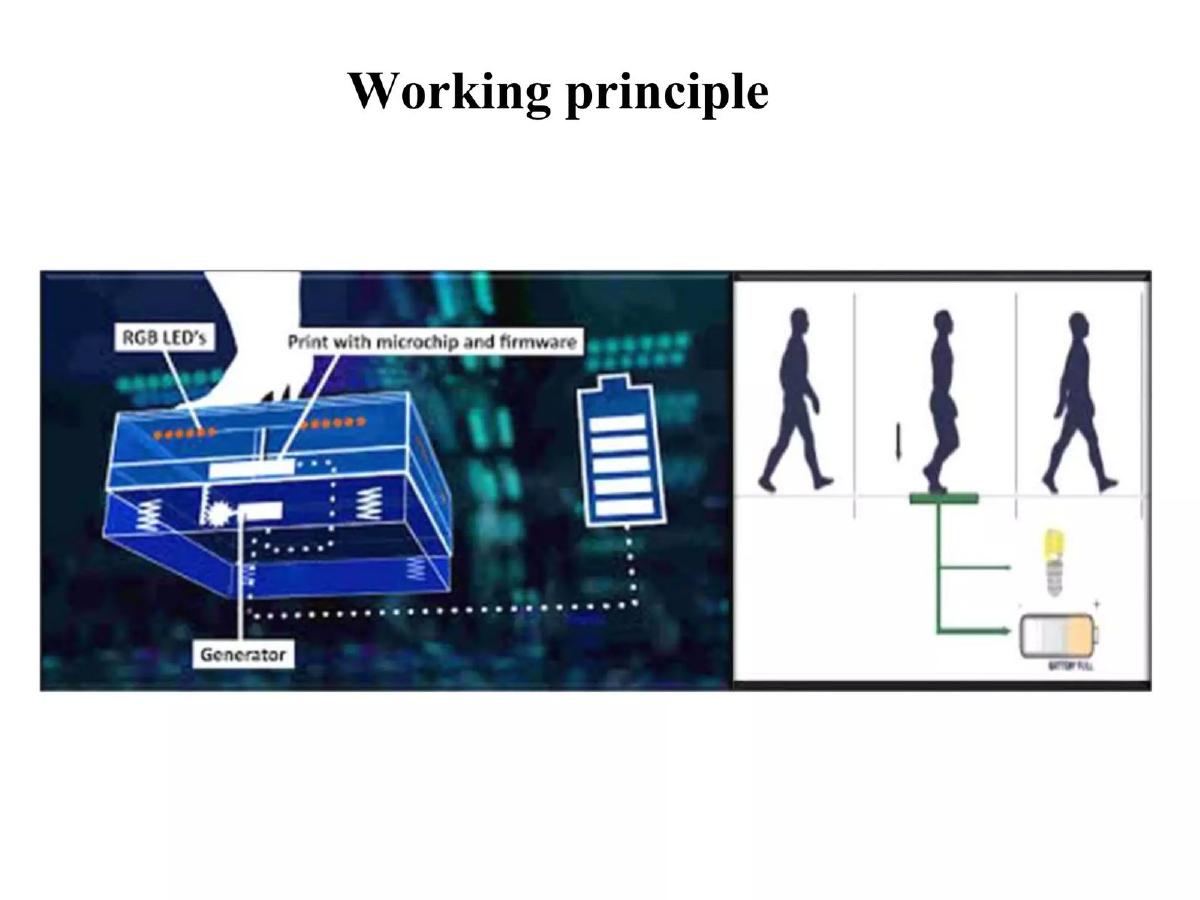
- The company utilizes kinetic energy harvesting through floor tiles. When people walk or cars drive over these tiles, the mechanical pressure is converted into electrical energy. According to slide 6, these tiles can also integrate solar cells (SEF solar) to maximize output. The energy can be stored in batteries or returned to the grid, as illustrated in the flow chart on slide 3.
- How much power do these tiles actually generate?
- The power output varies significantly by model. Slide 6 shows that the 'SEF basic' generates 15W peak (6W average), while the 'SEF car' model, designed for vehicular traffic, generates 50W peak (20W average). The top-tier 'SEF solar' tile reaches 90W peak and 45W average power output per step.
- What are the physical limitations of the hardware?
- Slide 7 provides specific product information: each module measures 750mm x 750mm x 115mm and weighs between 15-45 KG. The tiles are designed for durability with an IP67 water and dust resistance rating and can support a maximum force of 200kg per module.
- What is the projected business model for Zero Point Energy?
- The business model appears to be a direct hardware sales and installation play. Slide 8 shows a 3-year projection where revenue is driven by the number of tiles sold. The unit selling price starts at 1.5 lakh (Year 0) and is projected to decrease to 1.1 lakh by Year 2 as production scales from 300 to 1,000 units.
- Is there evidence of market traction in the deck?
- The deck is light on specific traction. While slide 5 shows conceptual or pilot images of tiles in staircases and roads, there are no named clients, case studies, or confirmed orders listed. The financial table on slide 8 uses 'indicative figures,' suggesting these may be forecasts rather than realized historical revenue.