Market Size Slide Examples (TAM SAM SOM)
How Airbnb, LinkedIn, Tesla and Oscar sized their market on the deck. Top-down vs bottom-up examples and what investors actually read.
Market Size Slide — TAM, SAM, SOM Examples
The market slide is the most abused slide in venture. Investors know the numbers are directional — what they really want is proof the founder understands the market's shape, not its ceiling.
What the strongest market size slides do
- Prefer bottom-up math over consultant reports.
- Show one honest number, not a $XXB inflated TAM.
- Frame the market as a wedge you can own, not a category you can't.
- If the market doesn't exist yet, show the adjacent market you'll disrupt.
Teardowns that show this slide
- Airbnb Pitch Deck Teardown
- Linkedin Pitch Deck Teardown
- Tesla Pitch Deck Teardown
- Oscar Pitch Deck Teardown
- Dixa Pitch Deck Breakdown: A $105M Series C Masterclass in Narrative Differentiation
- dLocal Pitch Deck Breakdown: A Masterclass in Traction-First Growth Equity Storytelling
- Docola Pitch Deck Teardown: Asynchronous Telehealth for Patient Education
- DoControl Pitch Deck Breakdown: A Product-First Approach to Series B SaaS Security
- DocSend Pitch Deck Research Breakdown
- Docsumo Pitch Deck Teardown: Scaling Intelligent Document Processing in Financial Services
- Doctor4US Pitch Deck Teardown: A Telehealth Marketplace with a Supply-Demand Imbalance
- Doctronic Pitch Deck Teardown: A $5M Seed Built on SEO Dominance and AI Triage
- HelloBello Pitch Deck Teardown: A $1.8M Play for the DACH Fresh Dog Food Market
- DoggyHut Pitch Deck Breakdown: The Perfect Series A Deck For A Company That Does Not Exist
- Doido Pitch Deck Teardown: A Hyper-Local TaskRabbit Play for the German Market
- Domatic Pitch Deck Teardown: Re-Engineering Building Infrastructure for the DC Era
- DominateFund Pitch Deck Teardown: A $5M Micro-VC Play for Celebrity-Led Deal Flow
- Domino Data Lab Pitch Deck Breakdown: The Enterprise System of Record for Data Science
- Domino Data Lab Pitch Deck Teardown: A Masterclass in Enterprise Social Proof
- Domi Pitch Deck Breakdown: Solving Rental Friction with Self-Sovereign Identity
- donkidrive Pitch Deck Teardown: A Peer-to-Peer Logistics Play for the South African Market
- Doola Pitch Deck Breakdown: The 'Trojan Horse' Strategy for Global Fintech
- Doola Pitch Deck Teardown: Using Business Formation as a Wedge for Global Fintech
- DoorDash Pitch Deck Breakdown: The Sequoia Investment Memo That Launched a Giant
- Wolt Pitch Deck Breakdown: The $8.1 Billion Acquisition Narrative for DoorDash
- Doorkee Pitch Deck Breakdown: Solving the Apartment Vacancy Gap with Peer-to-Peer Incentives
- Doorman Pitch Deck Breakdown: Solving the Last-Mile Failed Delivery Crisis
- Doorvest Pitch Deck Breakdown: A 9-Slide Masterclass in Social Proof and Market Friction
Market size slides from real decks
Each example is a market-size slide from a deck we tore down, with the company, stage and year it was used. Open the teardown for the full slide-by-slide read.
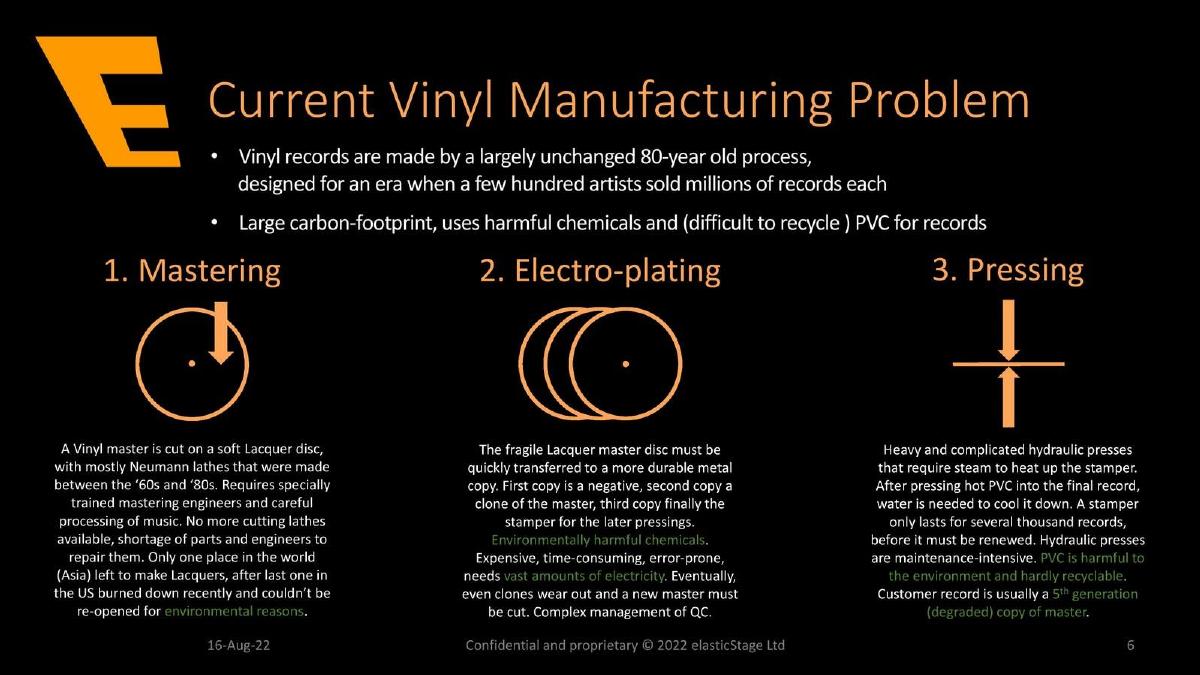
ElasticStage — 2024
Seed
This slide details the historical, multi-step process of vinyl manufacturing, highlighting its age, environmental impact, and reliance on aging equipment and scarce expertise. It clearly outlines problems like master degradation, supply chain fragility, and high resource consumption. However, the slide does not connect these problems to a market size or opportunity, leaving investors to infer the potential impact of solving these issues.
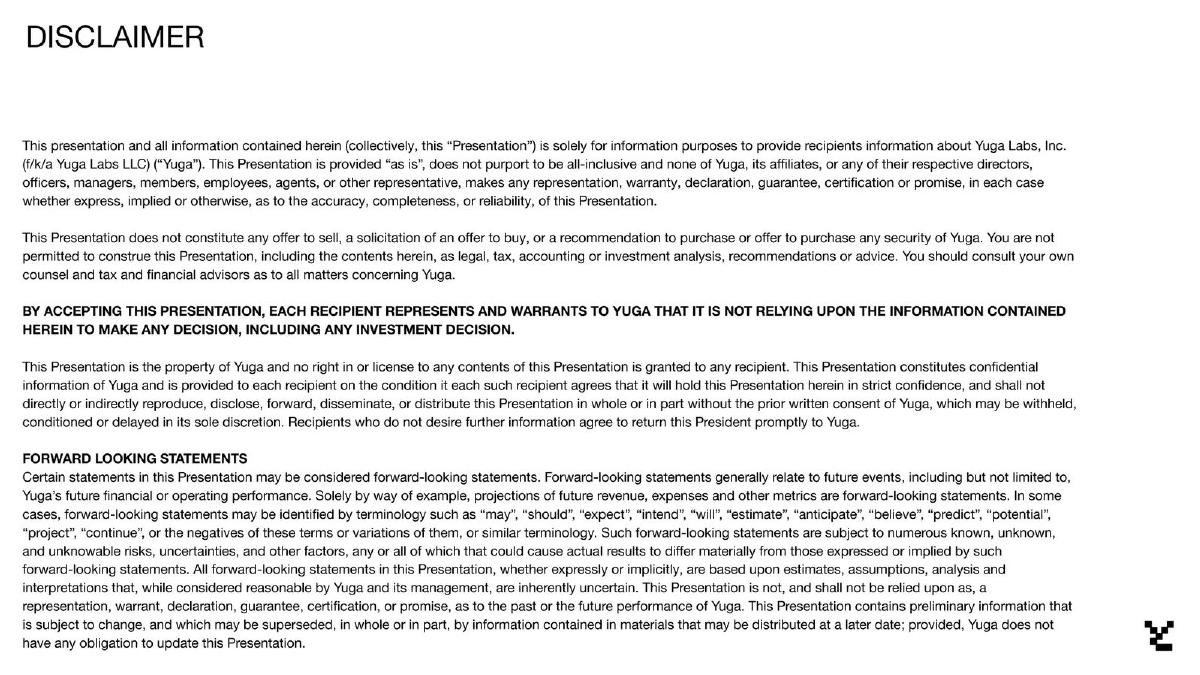
Yuga Labs — 2022
Undisclosed (Seed/Series A context)
This slide presents a comprehensive legal disclaimer about the presentation's informational purpose, confidentiality, and forward-looking statements. While important for legal protection, investors typically prefer to see business-focused content such as market sizing or problem statements early in the deck. This disclaimer delays introducing core company information.
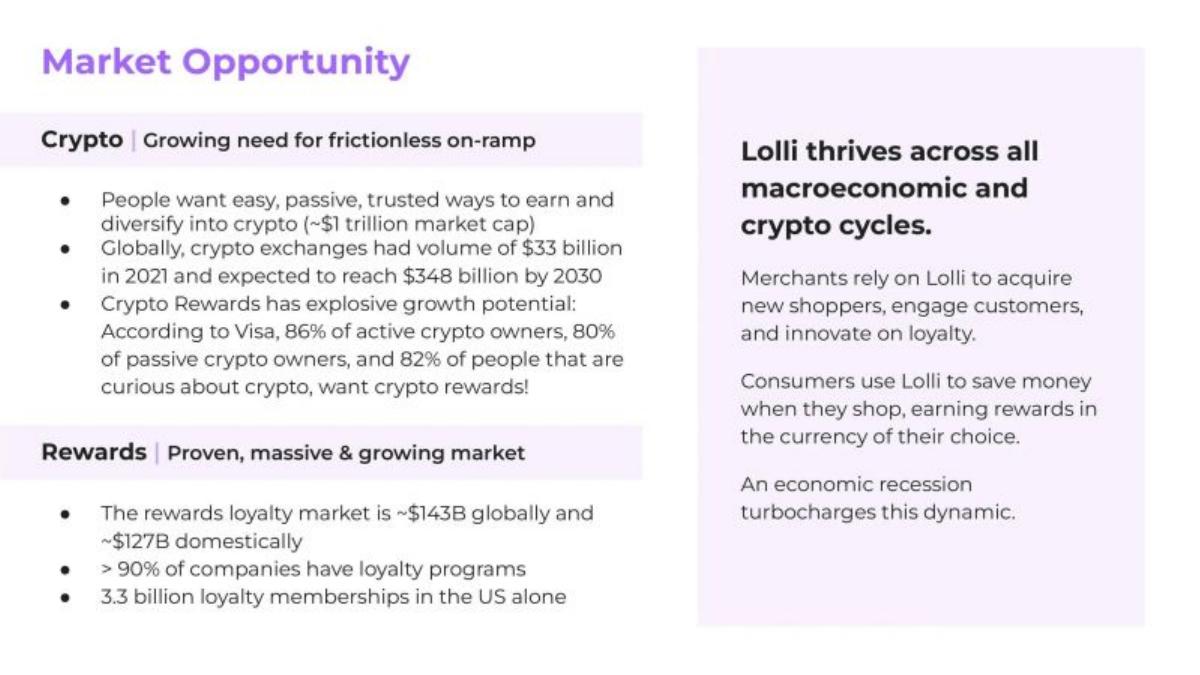
Lolli — 2023
Series B
The slide presents two distinct market opportunities: cryptocurrency adoption and the loyalty rewards market. It cites a ~$1 trillion crypto market cap and a $143 billion global rewards loyalty market. The framing of these as separate but related opportunities could be clarified to show how Lolli connects them directly.
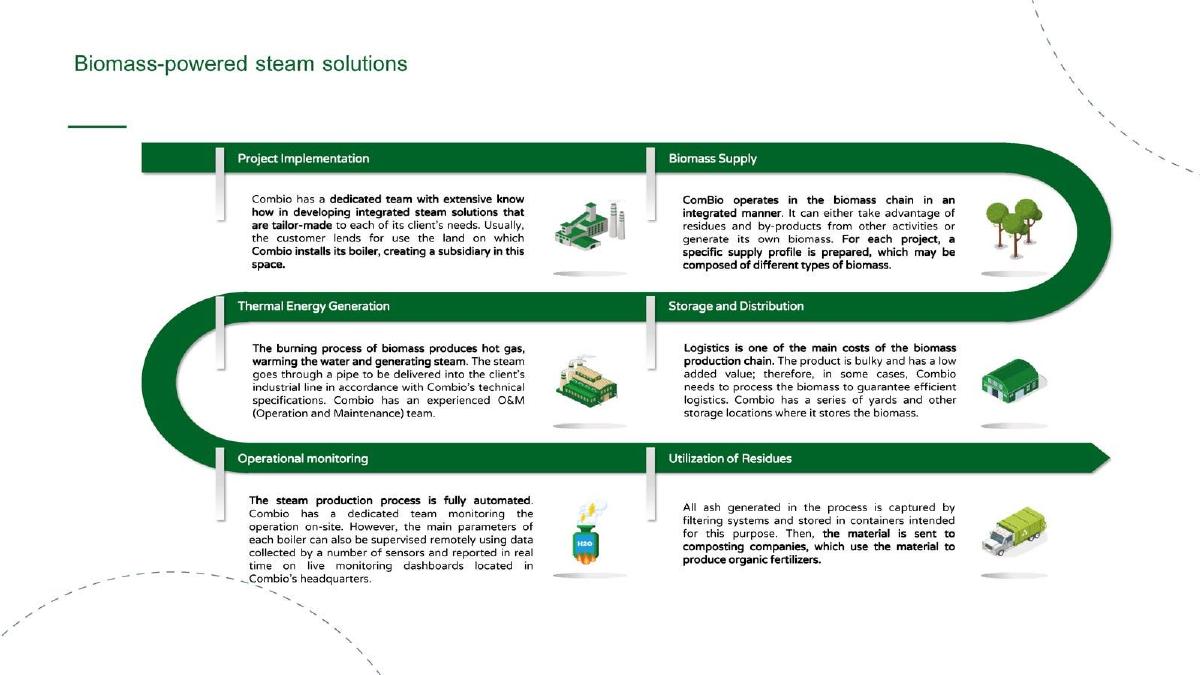
ComBio — 2024
Growth
This slide describes ComBio's operational process, covering project implementation, thermal energy generation, operational monitoring, and biomass supply. It details the company's integrated approach to biomass, from residue utilization to logistics and ash byproduct handling. The slide omits any specific market sizing for the TAM, SAM, or SOM.
Nord Security — 2022
Series A
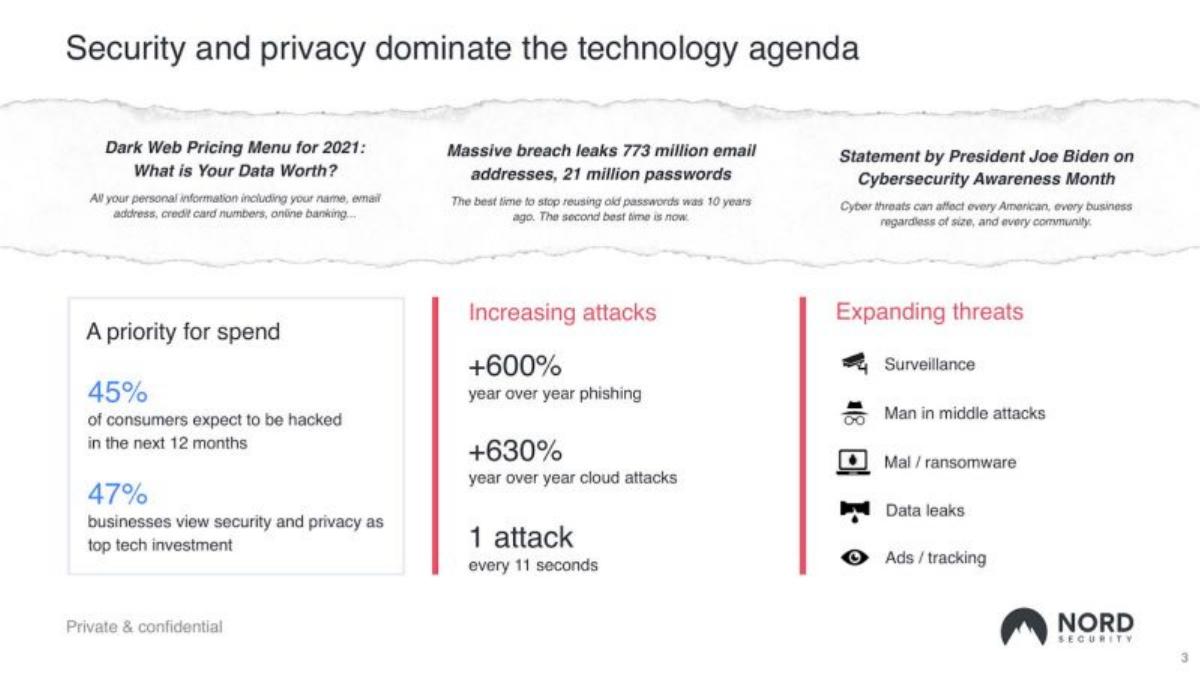
This slide highlights market pain points by citing various cybersecurity threats and consumer concerns, such as a 600% increase in phishing attacks and 45% of consumers expecting to be hacked. It frames security and privacy as dominant tech agenda items but does not quantify the total addressable market. A specific market size or growth forecast would strengthen the opportunity presented.
UFC × WWE Merger — 2023
Merger
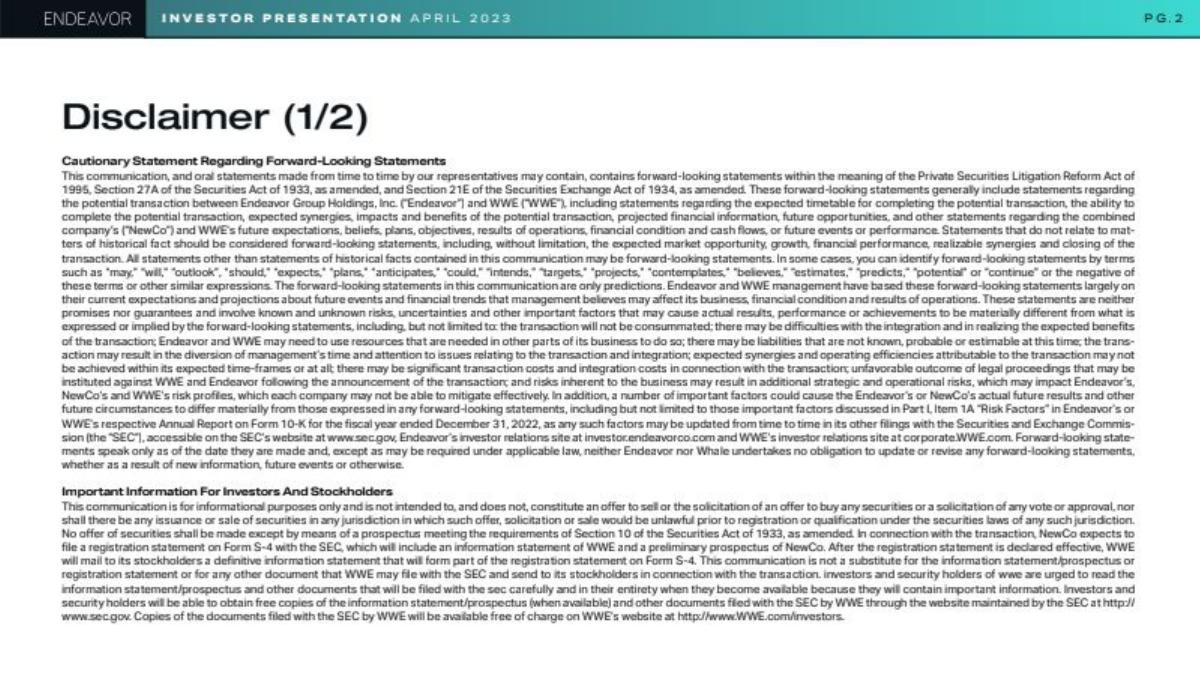
This slide contains only a cautionary statement regarding forward-looking information and legal disclaimers. It does not present any market sizing (TAM, SAM, or SOM) figures or discuss market opportunities. The investor would note the absence of any market context in a slide classified for market sizing.
Artificial Societies — 2025
Seed
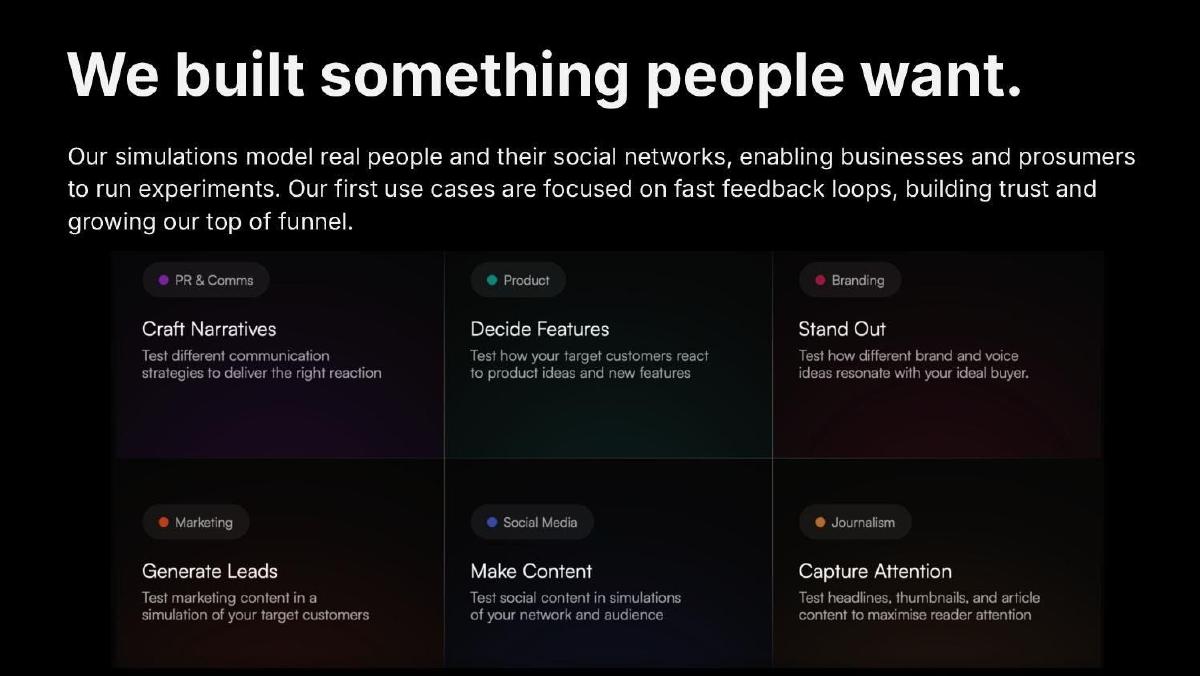
This slide describes use cases for simulations across PR & Comms, Product Branding, Marketing, Social Media, and Journalism. It highlights capabilities like testing communications, brand strategies, and content for customer reactions and engagement. The slide lists potential applications but omits any specific market sizing or financial opportunity for these use cases.
Not Boring Capital Fund II — 2022
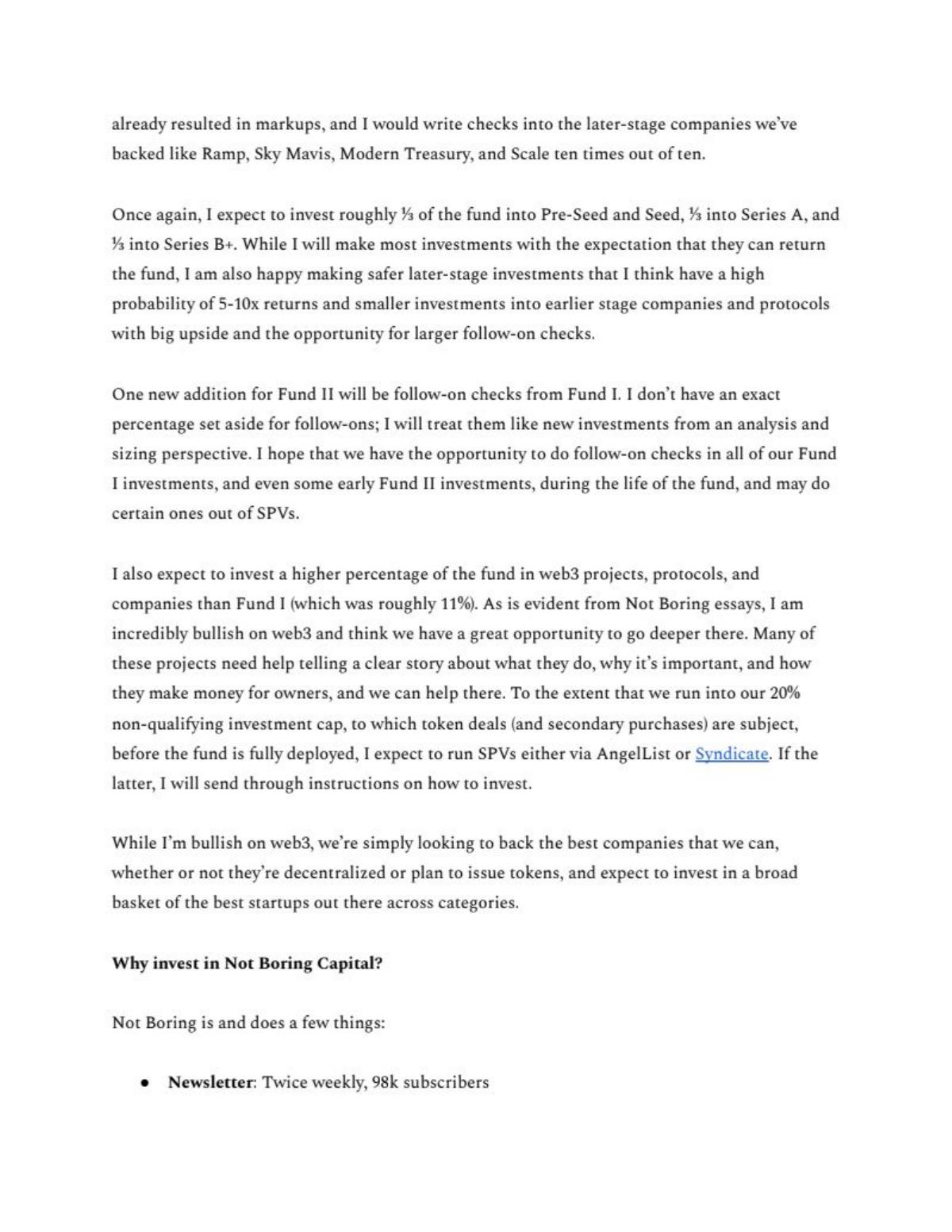
This slide details the fund's investment strategy, including prior successful investments like Ramp and Sky Mavis, and a stated intention to invest a higher percentage of Fund II into web3 projects. The specific allocation percentages for Pre-Seed, Seed, Series A, and Series B+ stages are omitted, making it difficult to assess the precise stage focus.
Cellarity — 2024
Series C
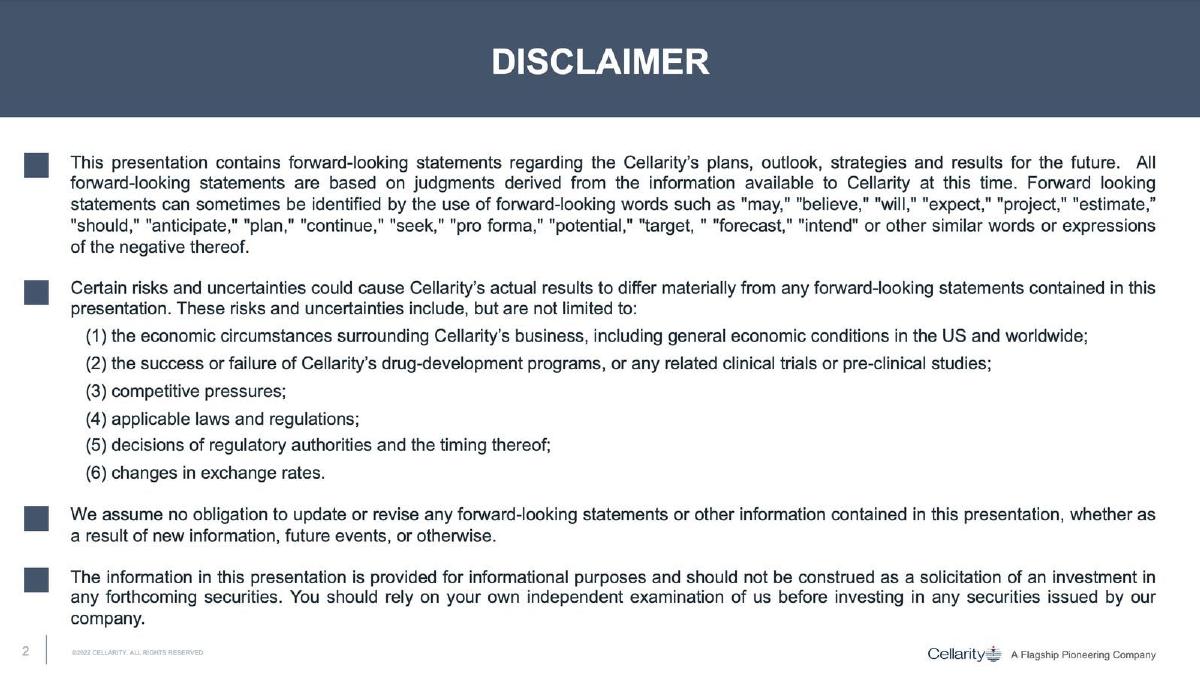
This slide presents a standard legal disclaimer about forward-looking statements, associated risks, and the informational nature of the presentation. It does not provide any market sizing information. Investors expect disclaimers in formal presentations, but this slide contributes no substantive business information to the pitch.
Quantexa — 2023
Series E
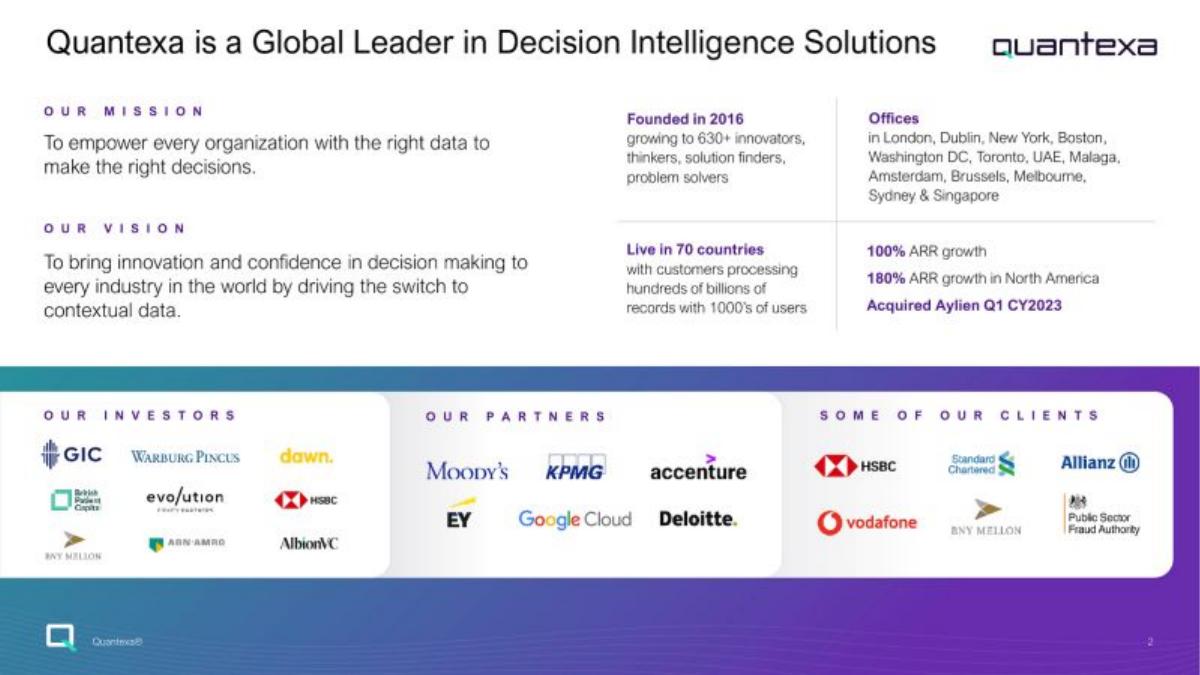
This slide primarily introduces the company, its vision, and operational scale rather than detailing market sizing. It mentions "hundreds of billions of records with 1000s of users" and "hundreds of billions of HBL ARR growth" which are internal metrics, not market sizes. The slide omits a clear, top-down or bottom-up estimation of its TAM, SAM, or SOM.

KnowBe4 — 2022
Public (Q2 2022 Investor Presentation)
This slide presents a standard legal disclaimer regarding forward-looking statements and non-GAAP financial measures. It details the nature of these statements, inherent risks, and advises against undue reliance on them. As a mandatory disclosure, this slide primarily serves a legal function rather than providing substantive business information for investor evaluation.
Oklo SPAC — 2024
SPAC
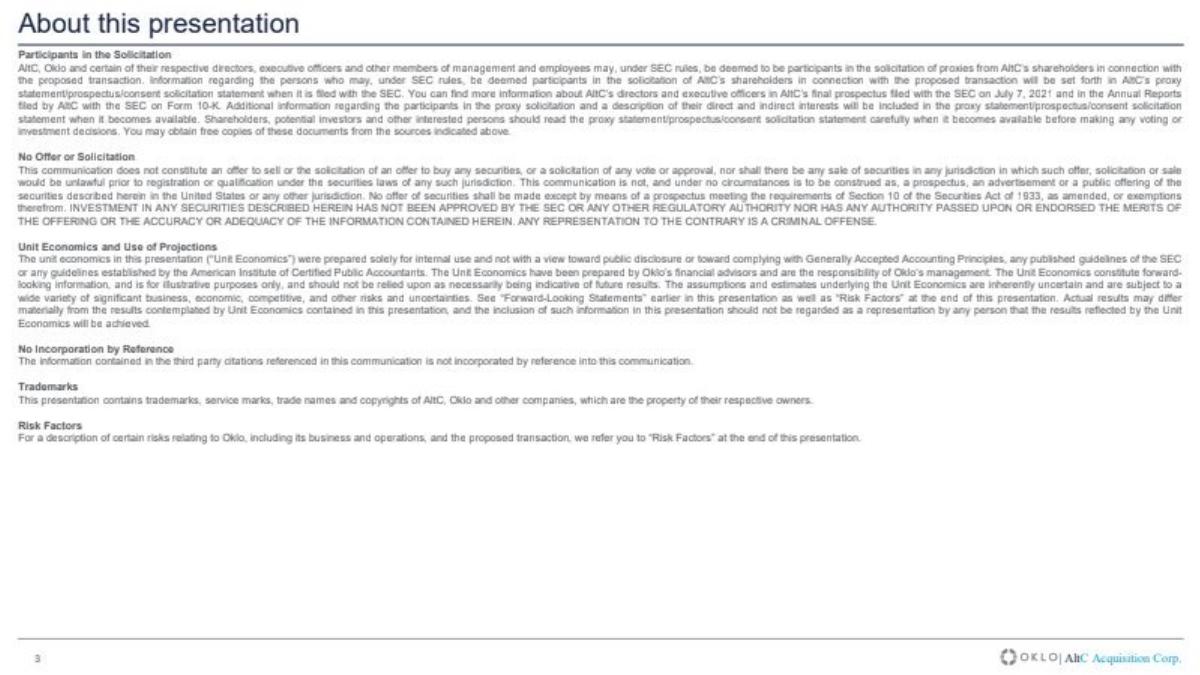
This slide presents extensive legal disclaimers regarding the presentation's content, participant solicitation, and forward-looking statements. It explicitly states that "Unit Economics" were prepared solely for internal use and not for public disclosure or GAAP compliance. The presence of disclaimers instead of market sizing indicates that the TAM/SAM/SOM information is omitted from this slide.
Rippling — 2024
Series F
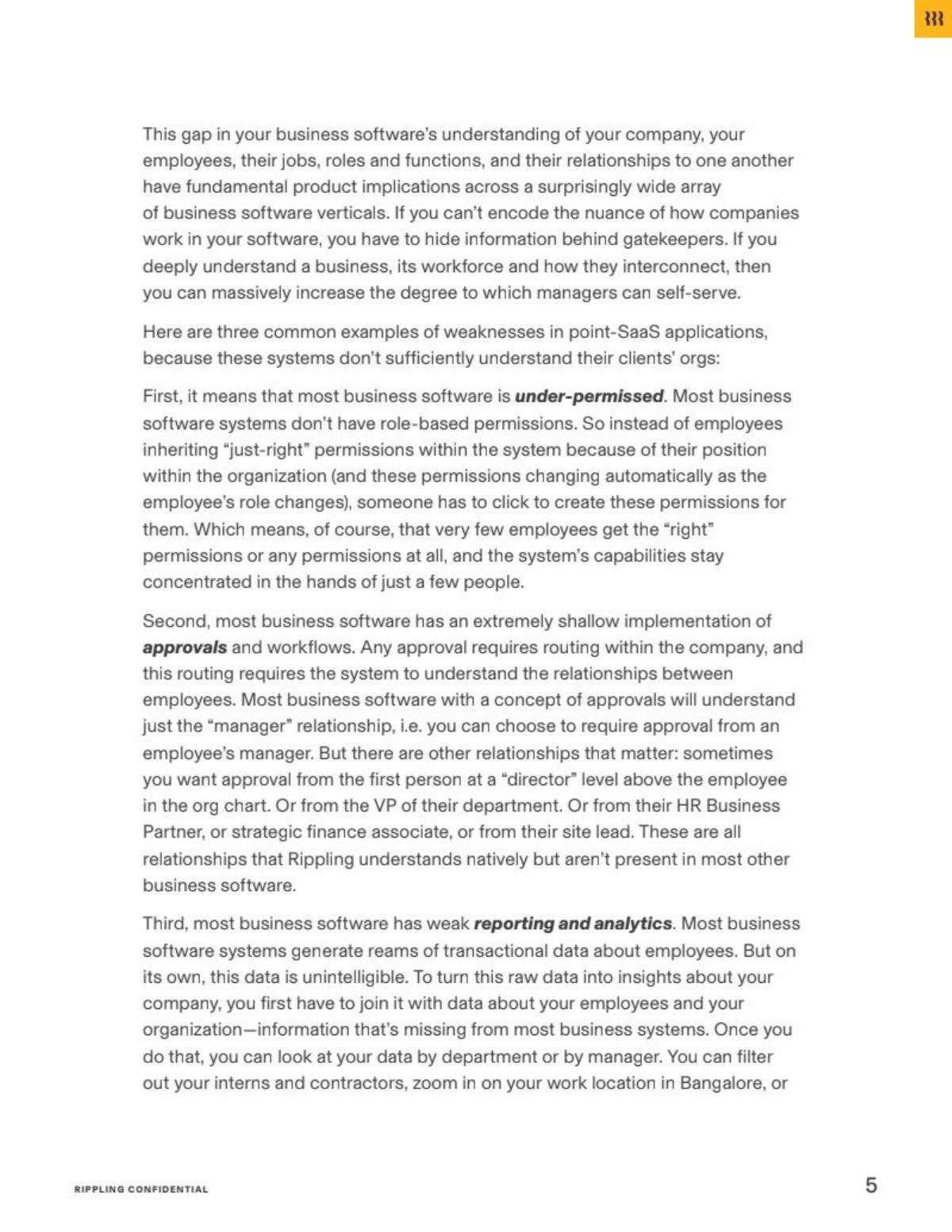
The slide describes a conceptual problem with existing business software's understanding of company structure and employee relationships, then details three resulting weaknesses: under-permissed systems, shallow approvals/workflows, and weak reporting. It explains these issues prevent managers from self-serving and necessitate gatekeepers. The slide does not size the total addressable market for a solution addressing these weaknesses.
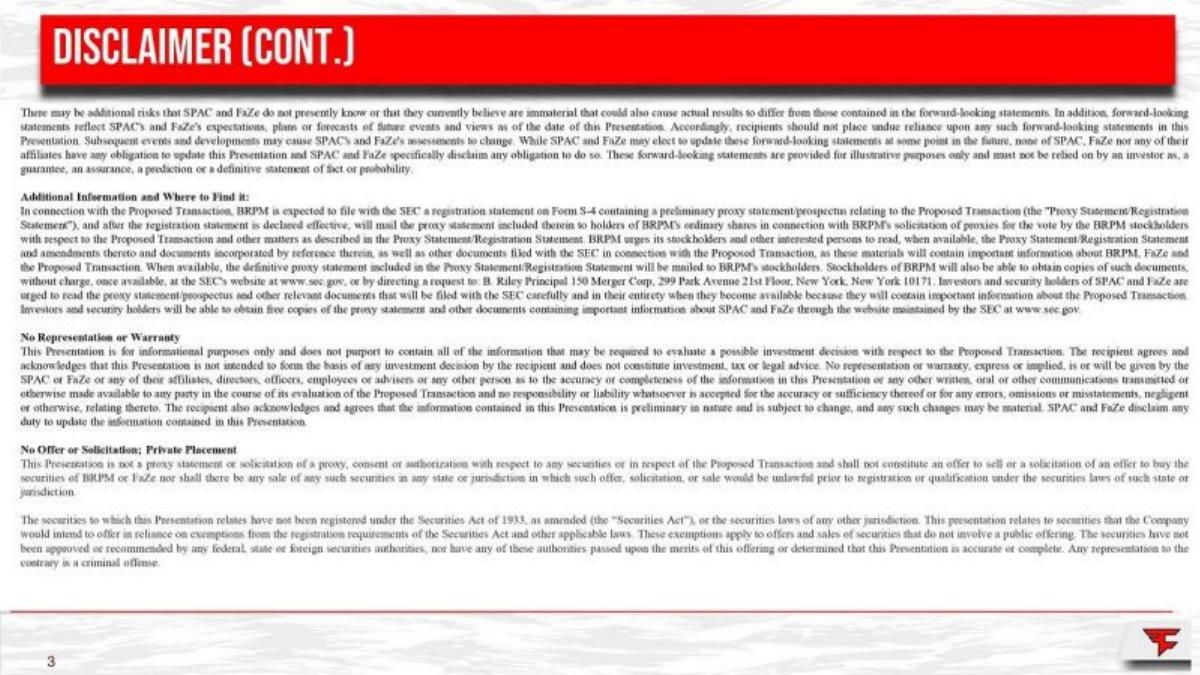
FaZe Clan — 2022
Public
This slide presents an extensive legal disclaimer regarding forward-looking statements, the proposed transaction's details, and disclaimers of representation or warranty. The disclaimer is highly detailed and occupies the entire slide, which suggests a significant focus on legal disclosures. However, it omits any information related to market sizing (TAM/SAM/SOM).

Transcend — 2023
Series B
The slide presents a $58B Global TAM for "vertical assets," a $1.2B US TAM for "Utilities," and a $2B Global TAM for "EPCs," with a $550M US TAM for the latter. The market sizing would be more impactful if a total addressable market for Transcend's specific generative design SaaS solution was clearly defined, rather than separate TAMs for two target customer groups.
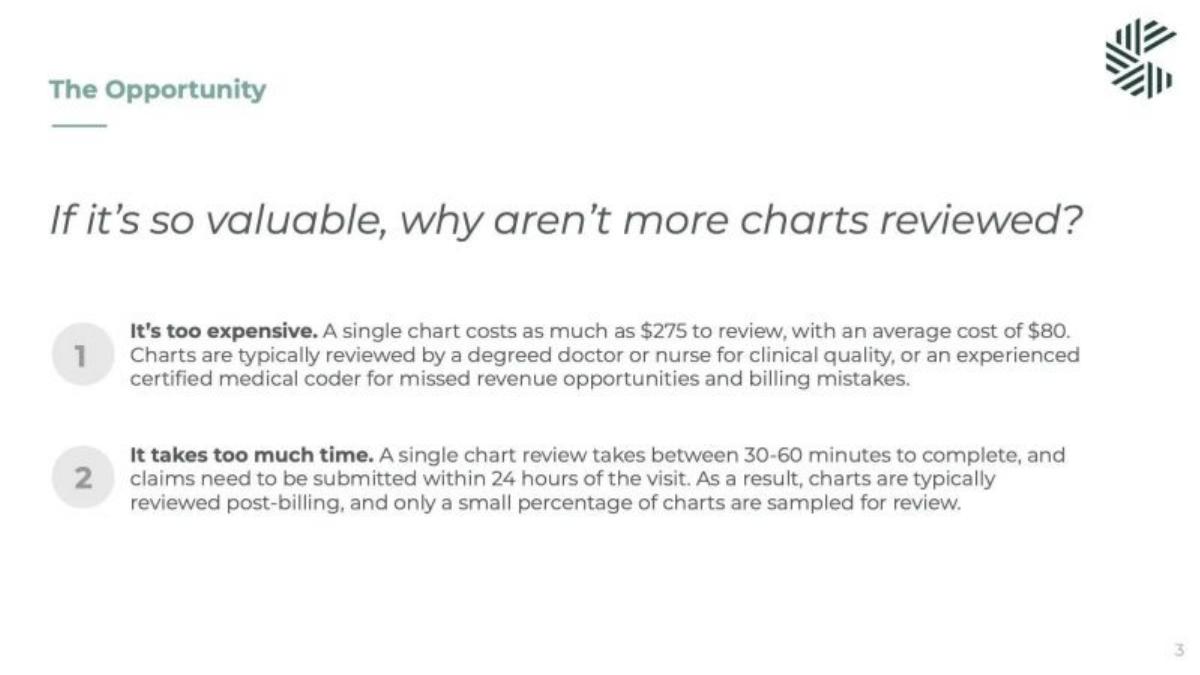
Charta Health — 2025
Seed
This slide identifies the opportunity by highlighting the expense and time involved in manual chart review. It states that a single chart review costs between $80-$275 and takes 30-60 minutes. The slide explains these constraints lead to post-billing review and only a small percentage of charts being sampled. However, it does not specify the total market size or the potential value of addressing these inefficiencies.
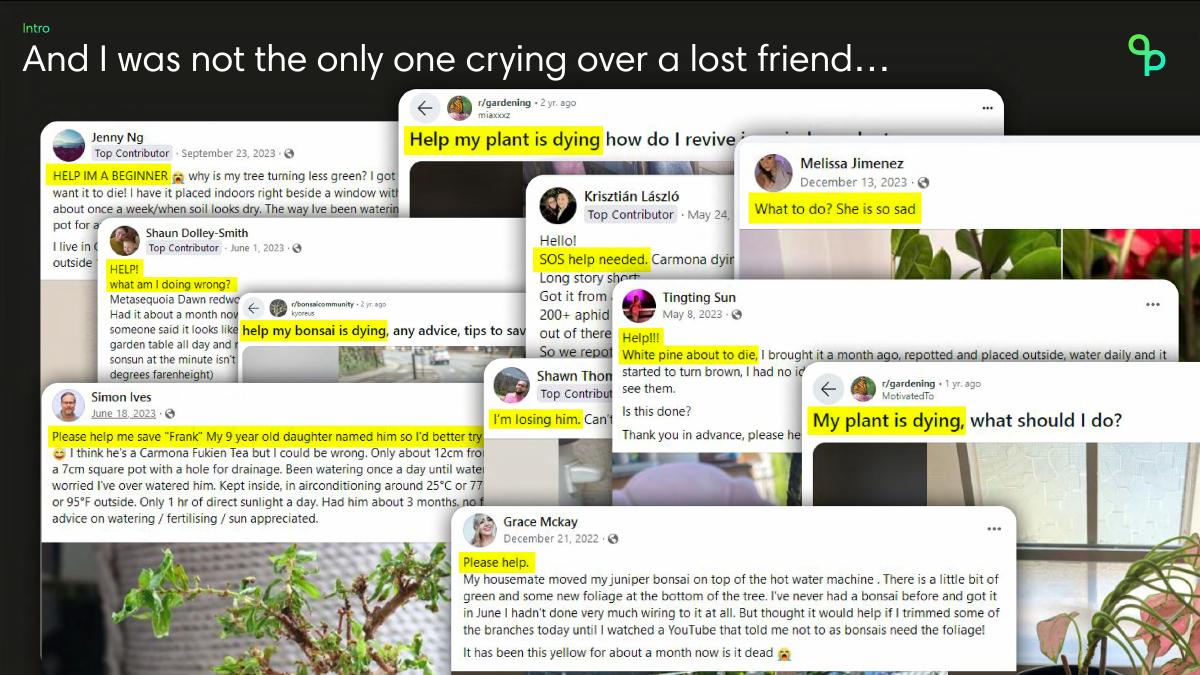
Plantee Innovations — 2024
Seed — $1.4M raise ($0.4M closed, $1M remaining); pre-mass-production, $102K raised on Kickstarter
The slide presents numerous social media posts from plant owners expressing distress and asking for help with dying plants. These anecdotal posts illustrate a widespread problem in the plant care community. Quantifying the total addressable market for plant care solutions, rather than just showing a problem, would strengthen this slide.
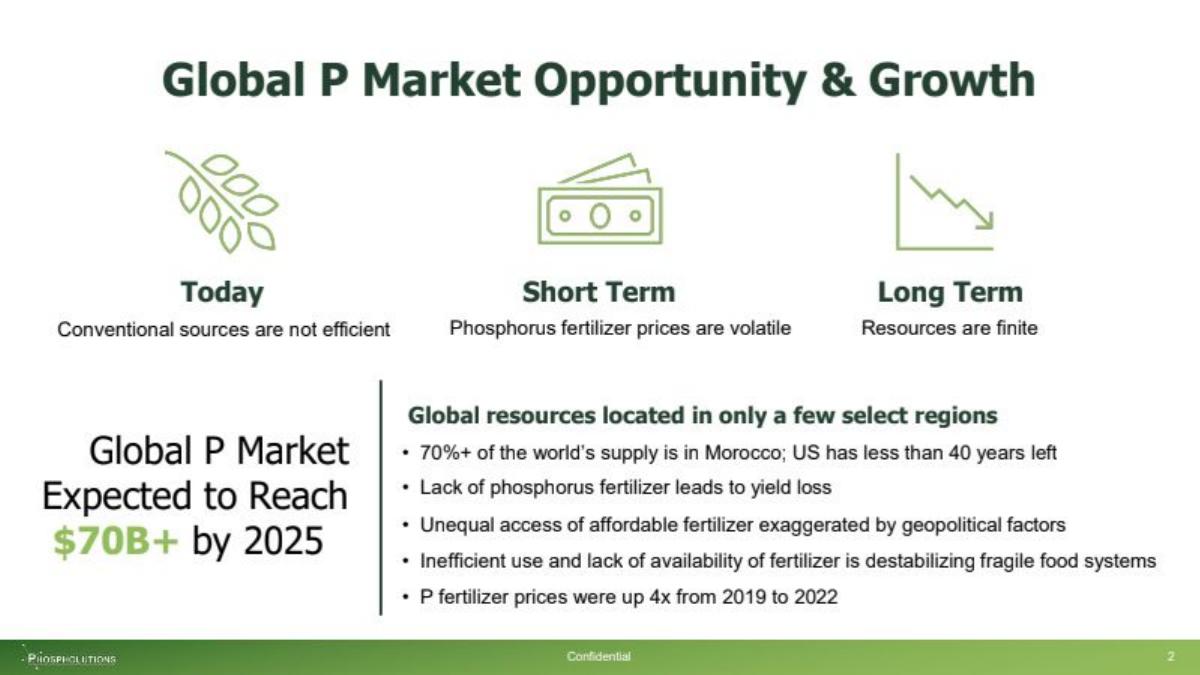
Phospholutions — 2023
Series A extension
The slide presents market drivers for a $70B phosphorus market by 2025, highlighting issues like volatile prices, finite resources, and geopolitical concentration. While these problems emphasize urgency, the slide does not clearly define Phospholutions' specific addressable market within this large opportunity.
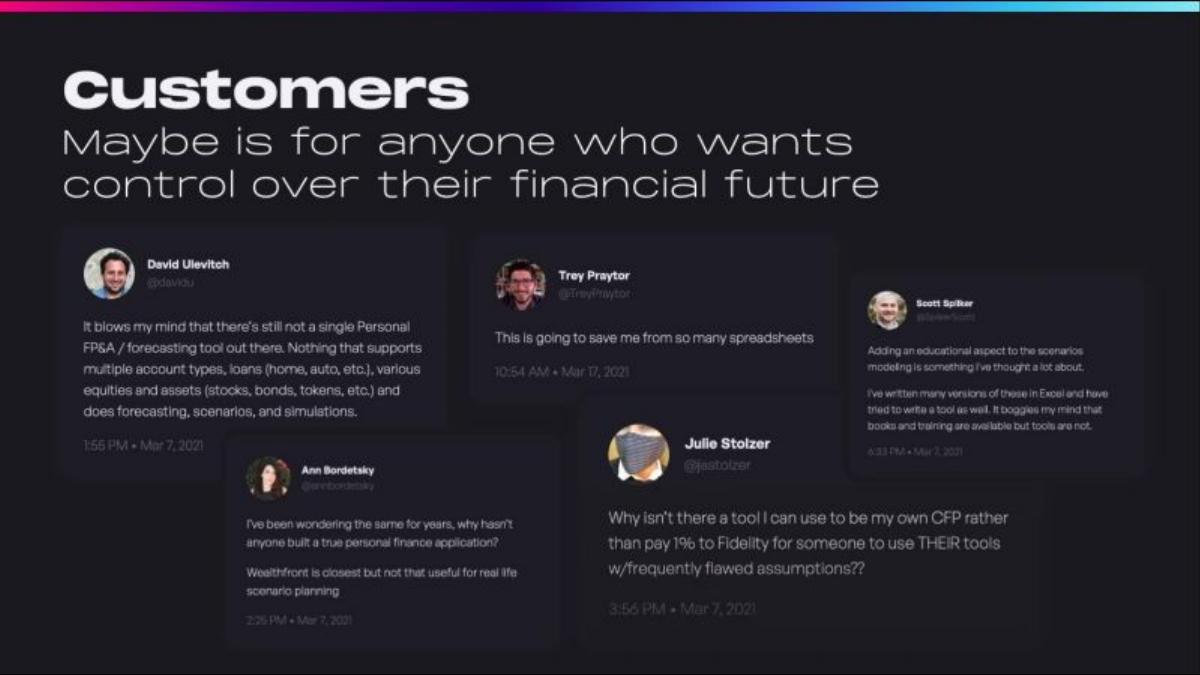
Maybe — 2022
Crowdfunding Campaigns
This slide presents several quotes from individuals lamenting the lack of a comprehensive personal finance forecasting tool. It directly reflects a perceived market gap for a tool supporting multiple account types, loans, and diverse assets. The slide does not quantify the market size.
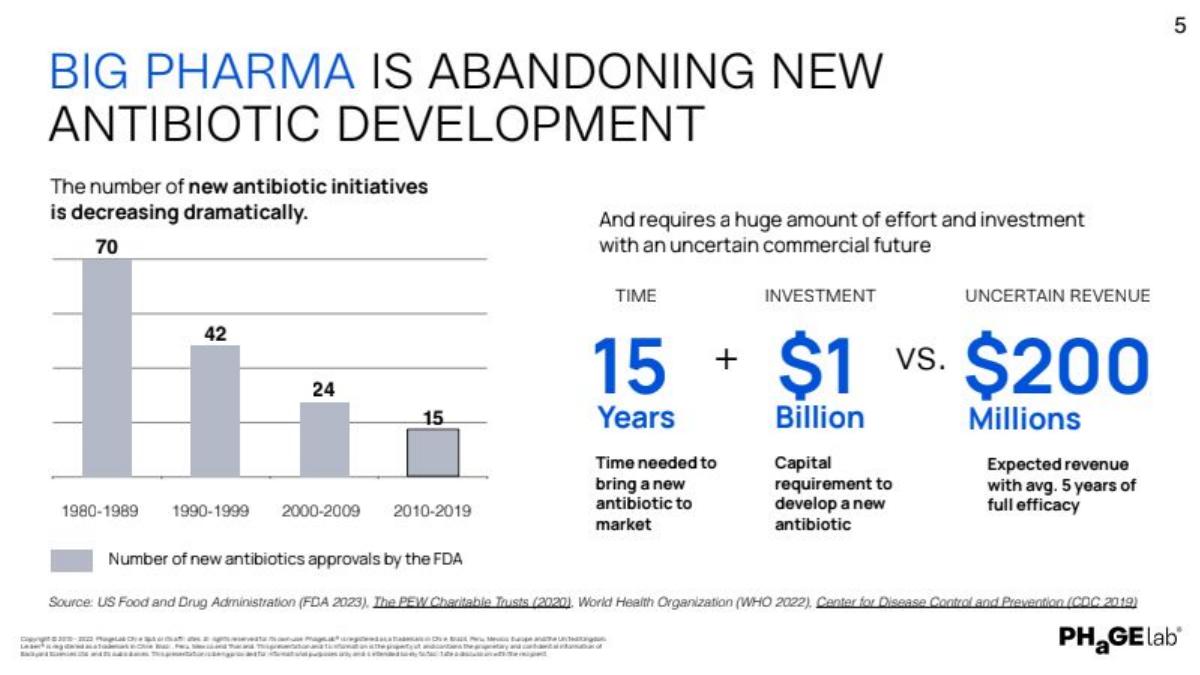
PhageLab — 2023
Series A
The slide highlights the decline in new antibiotic approvals and the substantial time, capital, and uncertain revenue required for development. It frames this situation as "BIG PHARMA IS ABANDONING NEW ANTIBIOTIC DEVELOPMENT." While showing a problem, the slide does not explicitly size the market opportunity this abandonment creates for a new solution.
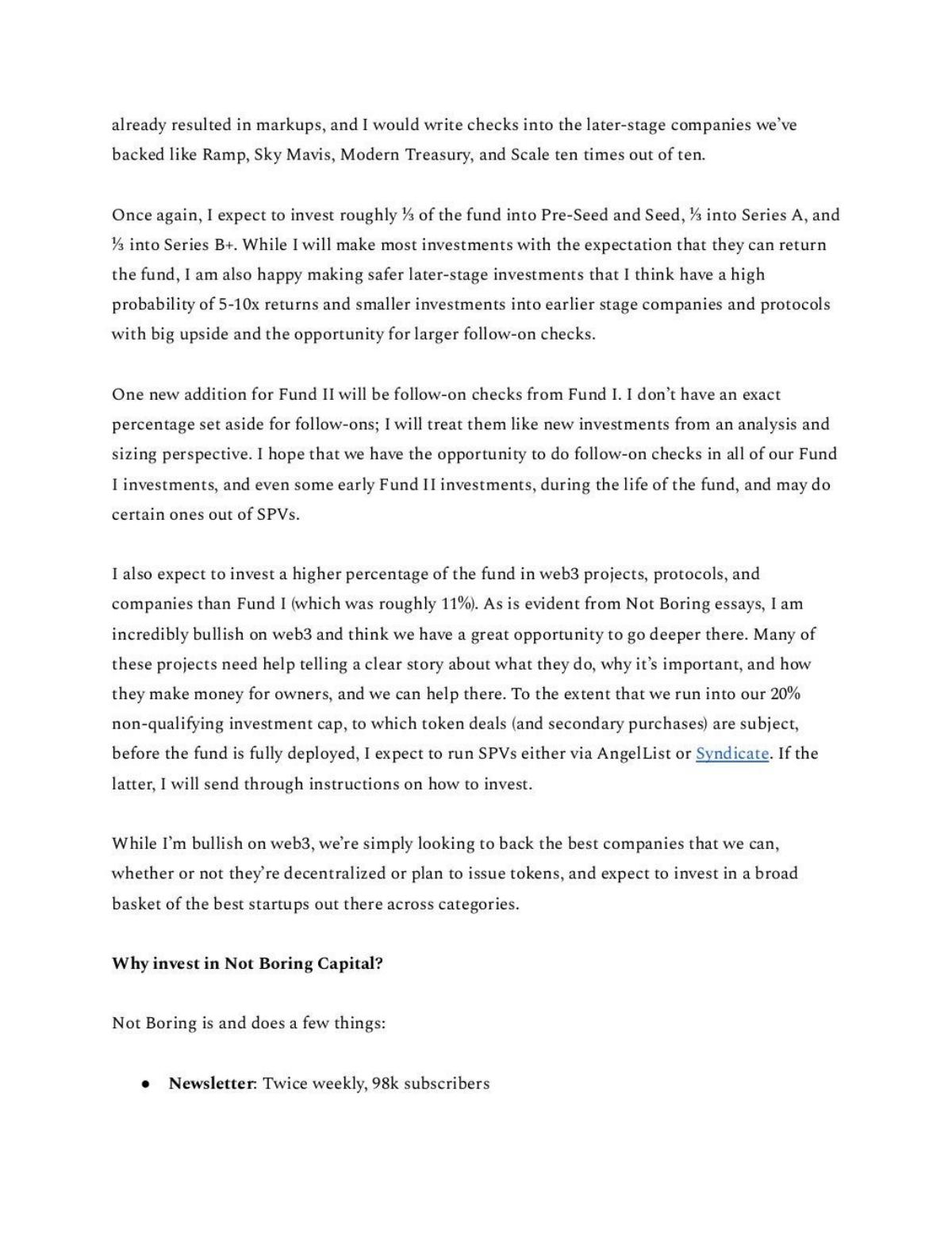
Not Boring Capital — 2022
This slide details the fund's proposed allocation across stages, mentioning investments in Pre-Seed/Seed, Series A, and Series B+. It outlines a strategy balancing potential fund returns with safer later-stage and high-upside earlier-stage investments. The slide is miscategorized, as it does not present any market sizing (TAM/SAM/SOM).
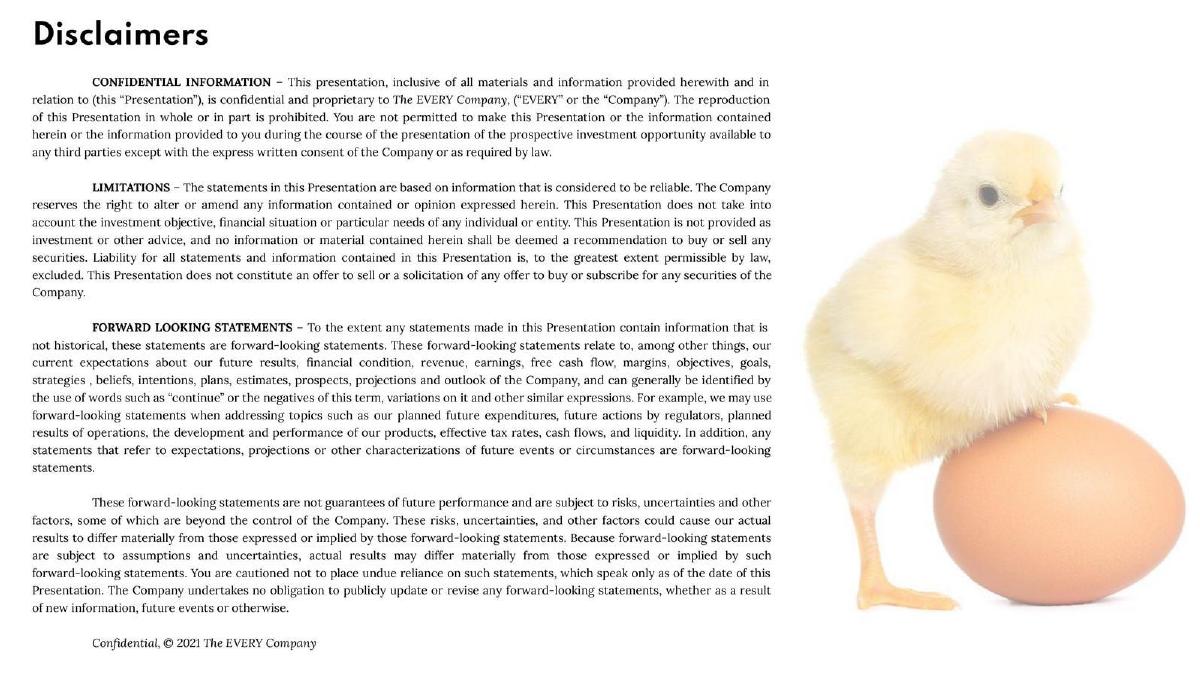
EVERY (formerly Clara Foods) — 2024
Series C
This slide presents legal disclaimers covering confidentiality, limitations on the information provided, and forward-looking statements. It clearly states the material is confidential and not an offer to sell securities. The slide is purely administrative and does not include any market sizing data.
Honeycomb — 2023
Series D
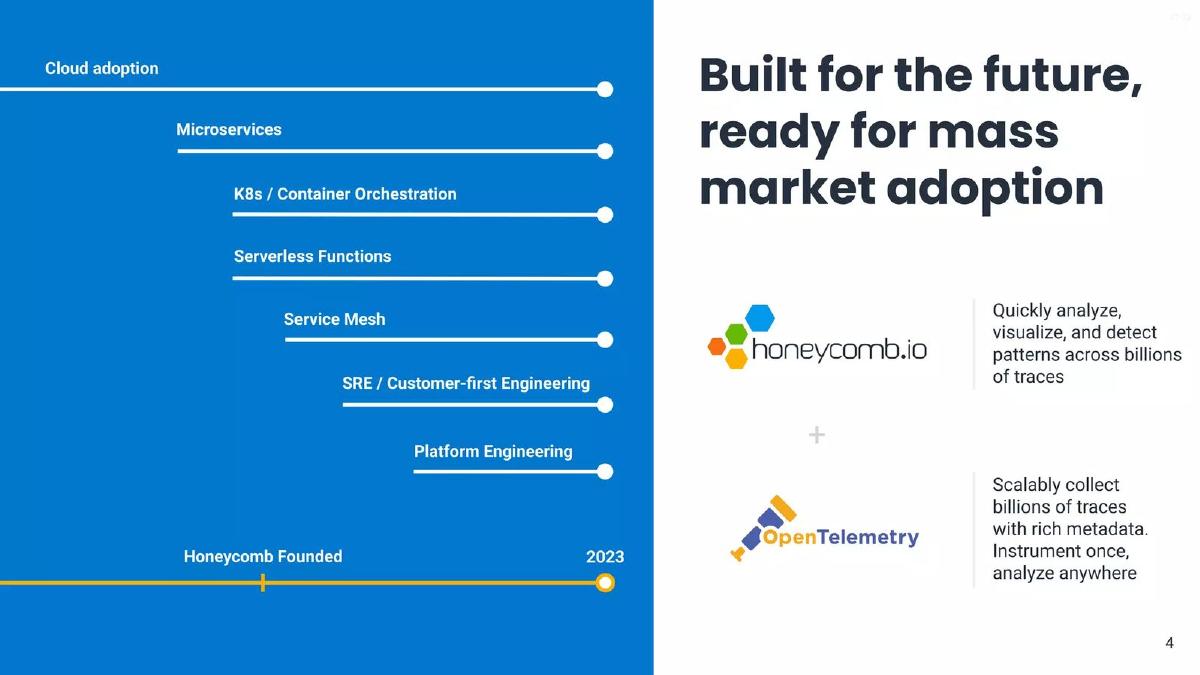
This slide outlines Honeycomb's founding year as 2023 and positions the company as built for future, mass-market adoption within areas like microservices, K8s, and serverless. The content describes the product's ability to analyze, visualize, and detect patterns across billions of traces. While the slide mentions market trends, it does not provide any specific market size figures or TAM.
Chamberlain Coffee — 2024
Series A extension
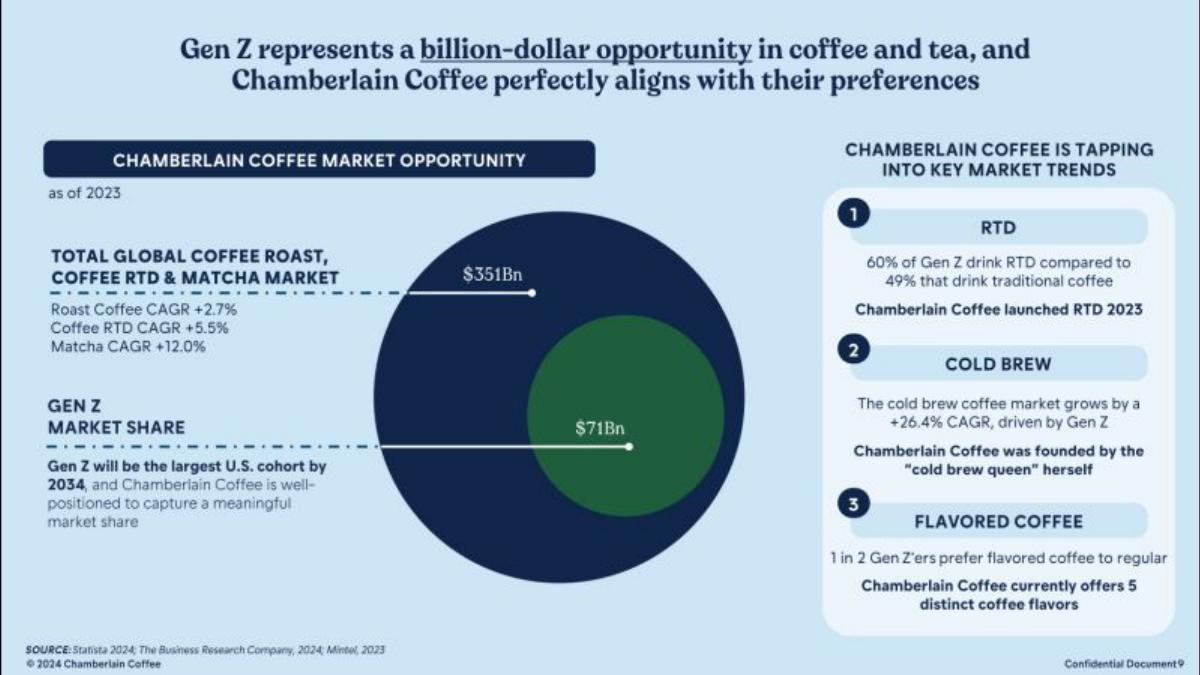
The slide highlights Gen Z as a significant market opportunity and frames Chamberlain Coffee's alignment with their preferences, citing specific CAGRs for coffee roast (+27%), RTD coffee & matcha (+120%), and cold brew (+26.4%). While the slide states Gen Z is a "billion-dollar opportunity," it does not provide a specific market sizing figure for this segment. Investors would benefit from a concrete number for the total addressable market within coffee and tea that Gen Z represents.
What's the difference between TAM, SAM, and SOM?
TAM is the total universe if you owned 100%. SAM is the slice you could realistically reach. SOM is what you'll actually capture in the next 3–5 years. Investors care most about SOM math.
Do I need a TAM slide at seed?
You need to prove the market is large enough to matter — one number, ideally bottom-up. A full TAM/SAM/SOM breakdown is overkill at seed and often reads as padding.
Other slide guides
- Regulation slide
- Exit strategy slide
- Data Advantage slide
- Company History slide
- Press and Awards slide
- Investors slide
- Unit economics slide
- Case study slide
- Customer research slide
- Why us slide
- Testimonials slide
- Licences slide
- Investment Highlights slide
- Partnerships slide
- Flywheel slide
- Problem slide
- Solution slide
- Traction slide
- Team slide
- Ask slide
- Why Now slide
- Business Model slide
- Competition slide
- Cover slide
- Product slide
- Financials slide
- Go-to-Market slide
- Roadmap slide
- Vision slide
All pitch deck examples · Pitch deck checklist · Pitch deck mistakes · Library

